Cahokia Mounds Mini Vacation

At the beginning of May, we took a family mini vacation to the St. Louis area. We like to take family adventures each year, but with our current car-hating baby, options are limited. So, we decided to explore some things relatively nearby that were still new for us. We stayed at a Drury Inn in St. Louis (Drury Inns for mini-vacays are our family’s tradition. We like the free breakfast and dinner and the adults enjoy the free tequila sunrises and wine!). We picked a suite this time as a sort of “treat,” but we quickly realized that our family is actually big enough that we need a suite, it isn’t just a novelty indulgence! We stopped at Laumeier Sculpture Park on the way into the city. The kids were pretty whiny about the sculptures and Mark and I finally had to concede that we also have differing expectations of what counts as art (sticking a huge tire halfway in the ground is what we would call “playground equipment” and not “Earthmover,” an art installation of such delicacy as to not allow climbing on it, lest we disturb its majesty…). After a fairly short time at the park, we headed to a friend’s house where we had lunch and spent the rest of the afternoon. It was really great and relaxing to have a “base” to retreat to like this, rather than hustling and bustling and having to live out of our car. I lounged on her couch nursing Tanner while our boys played, Alaina visited the many pets, and our friends made a taco buffet for lunch. It was a perfect day!

The whole time were were gone the weather was absolutely perfect. The following morning we headed to Cahokia Mounds in nearby Illinois. Cahokia Mounds is the site of the largest earthwork in the Americas and the largest, most complex “prehistoric” native site north of Mexico (and larger than London at that time). I have always felt a connection between my own sculptures and those of ancient people and I enjoyed spotting some familiar figurines in the museum.

After climbing to the top of Monks Mound while babywearing and breastfeeding and enjoying the view, we were ready for lunch. (We had a short time in which we were the only people on top of the Mound and it was really cool!) The kids are obsessed with Golden Corral after going with their grandparents on our last visit to the Chicago area. So, we went to the Golden Corral in Collinsville (I had a strategically planned birthday coupon for a free buffet too!) We were there at that terrible time for buffets—not lunchtime and not dinnertime—and so most of the food was on the cold and dessicated side, which was disappointing. The kids ate too much cotton candy and I ate a pile of mini steakburgers (after forcing the attendant’s hand by taking the very last dehydrated sad burger and thus forcing him to put out the sizzling new ones I spotted him hoarding on the grill). By the time we got back to the hotel, the last thing we had room for was hot dogs and tequila, but we ate them anyway!

The next morning we decided to go to the zoo, which was Alaina’s special wish. Unfortunately, we had a very difficult time getting there and parking due to road closures and full parking lots. We managed eventually, but didn’t have very much fun. I don’t like zoos at all, the boys were bored, and Alaina threw a screaming fit about wanting a stuffed monkey. We hit some highlights of the zoo and then left for Jilly’s Cupcake Bar. I got it into my head somehow recently that I needed a cupcake bar experience for my birthday (and for my 100 Things list this year). I looked for cupcake bars in St. Louis and amazingly enough there was a two-times winner of Cupcake Wars right there! This was one of the most exciting parts of our trip. 😉

After cupcakes for lunch, we decided to go to the American Girl store. I’ve been to the big store in Chicago and the small store in Overland Park, KS, but never to the one in St. Louis, so also as part of my birthday, I wanted to check it out. I had my eye on one of the new mini dolls. Unfortunately, we hit terrible traffic (it was 2:30, so we’re not totally sure why) and had to slog around for extreme amounts of time, some of which with a screaming baby (and a mother scrambling over seats and trying to nurse him in the car seat). We got off on a random off ramp and wandered until we got to the mall, which was much better than continuing to sit on the interstate.

May 2015 152When we left the store, we hit more bad traffic on the way and were running out of gas (and I was being very critical of this fact). We were also starving and worried about missing our free dinner! However, Mark is a good, calm city driver and we made it back to the hotel with time to space and only a mildly further car-traumatized baby.

We all got into the hotel hot tub together every night which was fun (the boys also swam in both the indoor and outdoor pools) and binge-watched a Naked and Afraid marathon, which we’d never heard of before. The final morning of our trip we enjoyed the free breakfast one more time and then headed out of the city, stopping at a different friend’s house for a birthday lunch on our way home. Again, this was a nice, peaceful, relaxing way to travel–so nice to have a comfortable, welcoming space to visit in, rather than trying to coordinate going out to lunch or something (hard to have quality catching up time with a bunch of kids in a public place!).

May 2015 153

Talk Books: Cycle to the Moon

c2m3D“Moontime opens up our intuition.
By allowing ourselves to honour this time,
we can eliminate premenstrual tendencies…
Moontime is a sacred passage leading
to a greater awareness of self.”

–Veronika Robinson, Cycle to the Moon (p. 142)

In April, on the evening of our local Red Tent Circle, a package arrived for me from the UK. In it was the beautiful book by Veronika Robinson, Cycle to the Moon, that I won in the Red Tent fundraising auction for Moontimes. March 2015 183

Cycle to the Moon is a quick read and an inspiring one. The line illustrations are beautiful and the combination of journal pages/prompts and text is nice.

Cycle to the Moon also suggests a neat idea of creating a “Red Box” for a pre-teen daughter. Either together with your daughter or on your own for a surprise, collect special items in a box to be given to her upon menarche. It can have jewelry, garnet gemstones, books, cloth pads, tea, and so forth. She makes the potent observations that how we welcome young girls into womanhood, sets the stage for how they will view themselves and their life cycles and transitions for a lifetime:

“As we hold the hands of our young sisters when they cross the menstrual threshold, we would be wise to remember that their experience of this cycle will affect them throughout their childbearing years and into menopause. There’s a red thread which weaves through these major themes of our life. Every moment is connected. Whatever we have learned and integrated benefits not only us, but the culture” (p. 41).

Robinson also writes about the idea how you treat yourself during menstruation as a “mirror of your life”:

“The simple truth is that menstruation is a mirror of your life. If you’re not honouring your body through healthy food choices; ample hydration; rest; playtime; calmly managing stressful events; positive thoughts; creativity and sleep; then it will show up in your menstrual cycle…your hormones will come to call; and they will demand that you rest. You might try and quiet them down with headache tablets or something pharmaceutical for cramps, but they will keep talking to you (even if it takes twenty years), until you get the message. If you don’t honour your body during the menstrual years, you are highly likely to suffer when you reach menopause…

She also makes an interesting distinction between what is “normal” and what is “natural”:

“There is such a wide variance in cycle length these days that doctors consider it normal to bleed any time. It might be normal, but it is not natural. Modern statistics relating to menstruating women are taken from huge cities about women whose lifestyles are not in accord with Nature. Artificial street lighting, pollution, stress, foods coated in chemicals, nutritional deficiencies, are just a few contributing factors in the variance of cycle days.

Our body’s cycle is regulated by the Moon’s light. The pituitary and hypothalamus glands are light sensitive, which is why we disrupt our cycle immensely by sleeping near artificial light, such as street lights, computer, mobile/cell phone or clock-radio lights. In fact, keep all electromagnetic devices well out of your sleeping space. If you intend to be conscious of cycling to the Moon, and ensuring optimal health, then don’t sleep under or next to any artificial light. Instead, keep your room dark, and only open your curtain for the week of the full Moon, thus coming into alignment with it. If you live in the country it will not be necessary to keep out starlight…city girls often begin menstruation earlier than country girls because of street lighting” (p. 142).

There are also a number of great resources at the end of Cycle to the Moon, such as:

Red Wisdom

Red Tent

Red Tent Booklet

What we do in our own local Red Tent Circle varies each month, but we start with introductions using our maternal May 2015 047line and a red thread to represent our connection to the women who came before us and who will go after us, we sing, we have a sharing circle where we “pass the rattle” and talk about our lives and have what we say witnessed and held in safe space. We do a guided meditation and journaling and then a project. In April we had a salt bowl ceremony and then did footbaths and in May we made moon necklaces. We close with a poetry reading and a song. There is tea and a “reflection” table with guidance cards, art supplies, and books to look at. At our May Circle, I shared these two quotes:

“The revolution must have dancing; women know this. The music will light our hearts with fire,
The stories will bathe our dreams in honey and fill our bellies with stars…”

–Nina Simons in We’Moon 2012

“A woman’s best medicine is quite simply herself, the powerful resources of her own deep consciousness, giving her deep awareness of her own physiology as it changes from day to day.”

–Veronica Butler and Melanie Brown

I asked the women to share their revolutions and their medicine. As they spoke, I realized that my “revolution” and my “medicine” were in the planning and facilitation of these Circles, as well as in the online Red Tent Initiation Program I will be offering this summer. I’m so glad I decided to go this direction this year.

May 2015 072


Tuesday Tidbits: Birth Transformation

“Women are as nervous and unsure of themselves as ever, and they need to learn to trust their bodies. Birthing is much more that eliminating pain. It is one of life’s peak experiences.” –-Elisabeth Bing

via Thesis Tidbits: Exceptional Human Experiences | Talk Birth.

May 2015 146The mother of the Lamaze childbirth education movement in the U.S., Elisabeth Bing, died this week at age 100. She had a tremendous impact on the birth culture and was a very early activist in promoting the “radical” idea of birth as a transformative, powerful, important experience in a woman’s life.

…For years Ms. Bing led classes in hospitals and in a studio in her apartment building on the Upper West Side of Manhattan, where she kept a collection of pre-Columbian and later Native American fertility figurines.

Ms. Bing preferred the term “prepared childbirth” to “natural childbirth” because, she said, her goal was not to eschew drugs altogether but to empower women to make informed decisions. Her mantra was “Awake and alert,” and she saw such a birth as a transformative event in a woman’s life.

“It’s an experience that never leaves you,” she told The New York Times in 2000. “It needs absolute concentration; it takes up your whole being. And you learn to use your body correctly in a situation of stress.”

via Elisabeth Bing Dies at 100; ‘Mother of Lamaze’ Helped Change Childbirth – NYTimes.com.

Bing was also early to recognize that birth experiences can be traumatic for mothers. This week, I read another May 2015 164 interesting article about mothers’ experiences of birth trauma:

“…far too many women are left in the aftermath of a traumatic experience on the very day she is born as a mother. She is a new woman – amazing, strong and life-giving – ready to face the world. Holding her new baby in her arms and a smile (or not, depending on her acting skills) on the outside, with a broken heart, fractured spirit and shattered self-confidence on the inside. This is the result of traumatic birth…”

The Secret That Many Moms Are Keeping – Mothering.

Can part of the “cause” of traumatic births be the expectation that a “good birth” is a quiet and controlled birth? Nadia Raafat wrote a powerful article at the Huffington Post that touches on this possibility:

Contractions were outed, surges, came in, the un-gratifying word pain was ostracised from the semantics of childbirth and, across the nation, grateful midwives watched in awe as powerful, silent women breathed their way through drug-free labours.

That’s half the story. The other half concerns those who did not experience the blissful or natural birth outcome that hypnobirthing promised them; the many disappointed women whose labours were violent, or which deviated from the normal care pathway, women who found the experience not only painful, but shocking and traumatic – all the more so because they believed it might be painless. I have met many of these women – still processing their birth experience years later, still wondering what they did wrong? Their emotional and physical scars run deep and take many years to heal.

via Denying the Pain of Labour Is Like Denying the Pain of Life | Nadia Raafat.

Raafat goes on to advocate the full spectrum of the semantics of birth and birth experiences:

Childbirth is the most profound experience in a women’s life. It is awesome, challenging, brutal, visceral, joyful, transporting, awful, deeply physical, incredible, powerful, at times, calm and in-flow, at other times all-consuming and over-whelming. Our preparation and our semantics need to acknowledge the whole spectrum of the experience, not just the palatable colours.

via Denying the Pain of Labour Is Like Denying the Pain of Life | Nadia Raafat.

I have a long time interest in words and birth and how we “talk birth” in our culture:

…On the flip side, I’ve also read other writer’s critiques of an overly positive language of birth, labeling and mocking words like “primal” as “euphemisms” for hours of “excruciating” pain. But, that makes me think about the locus of control in the average birth room. It seems like it might more difficult to start an IV in a “triumphant” woman, so lets call her stubborn or even “insisting on being a martyr”? Could you tell someone making “primal” noises to be quiet? Probably not, but you can tell someone who is “screaming” to “stop scaring” others. Asserting that a painful and degrading language of labor and birth is “real” English and that the language of homebirth advocates are “euphemisms” is a way to deny women power and to keep the locus of control with medicine.

via Wordweaving | Talk Birth.

I’ve also thought a lot about the association between a quiet birth and good birth. “Quiet” during labor is often associated with “coping well” and noise is associated with not coping, which may not be the case:

…Occasionally, I hear people telling birth stories and emphasizing not making noise as an indicator, or “proof,” of how well they coped with birthing–“I didn’t make any noise at all,” or “she did really well, she only made noise towards the end…” Women also come to classes looking for ways to stay “in control” and to “relaxed.”

This has caused me to do some thinking. Though relaxation is very important and helpful, to me, the goal of “laboring well” is not necessarily “staying in control” or “staying relaxed” or “not making any noises.”

via What Does Coping Well Mean? | Talk Birth.

And, speaking of how we talk about experiences as well as pulling this post back around to Elisabeth Bing, I quoted some reflections on postpartum care from Bing in a past post:

“The degree of pleasure you take in your mothering is not the same thing as loving the baby or being an effective parent. Keep in mind there is a distinction between mother love and maternal satisfaction. You may love your baby very much but be dissatisfied with your life circumstances.”

via Talk Books: Laughter & Tears: The Emotional Life of New Mothers | Talk Birth.

May 2015 150

Creative Ceremony Academy

May 2015 028The Creative Ceremony Academy is a community of members who celebrate lifecycle transitions and pivotal moments through art and ceremony and use artistic expression as our means of story-telling and experience-sharing. We create art and ceremony in order to “tell about it.”

Upcoming classes from the Creative Ceremony Academy branch of Brigid’s Grove:

Facebook Group!

If you want to make sure you see our posts regularly, to engage with the birth art community, and to ask questions or share ideas about seasonal rituals, mother blessings, women’s ceremonies, or life cycle ceremonies in a safe space, feel free to join our new Facebook community! You will also be the first to know about new classes, books, and projects and will get sneak peeks of new sculpture designs and special bonuses not available to the general public. It is here that we’ll also offer rock bottom deals on sculpture seconds! (i.e. we’ve got a bunch of our Squatter’s Rights figurines with flawed hands right now. I don’t want to list them all separately on etsy, so they’re going to be offered on our FB group for a bargain bin price!)

May 2015 109The_Red_Tent_Resourc_Cover_for_Kindle


Heart Art

cropMollyblessingway 126Twenty years ago today, after asking me out at Lion’s Club Park after a long day of making rope with the Boy Scouts, I went on a date with a tall, quiet, curly-haired boy. It was my first date ever and we had lunch, saw While You Were Sleeping at the theater, and walked around the park. Twenty years ago, people! While our lives have grown and evolved and changed and become broader and deeper and more connected and added four other lives to the planet (only one of which got that curly hair!), our original teenager-connection of respect, affection, friendship, security, complementary strengths, and sense of home-place in each other’s company, has never changed. I’m so glad that what started out as sort of a chance and unexpected pairing, became something so steadfast and strong.

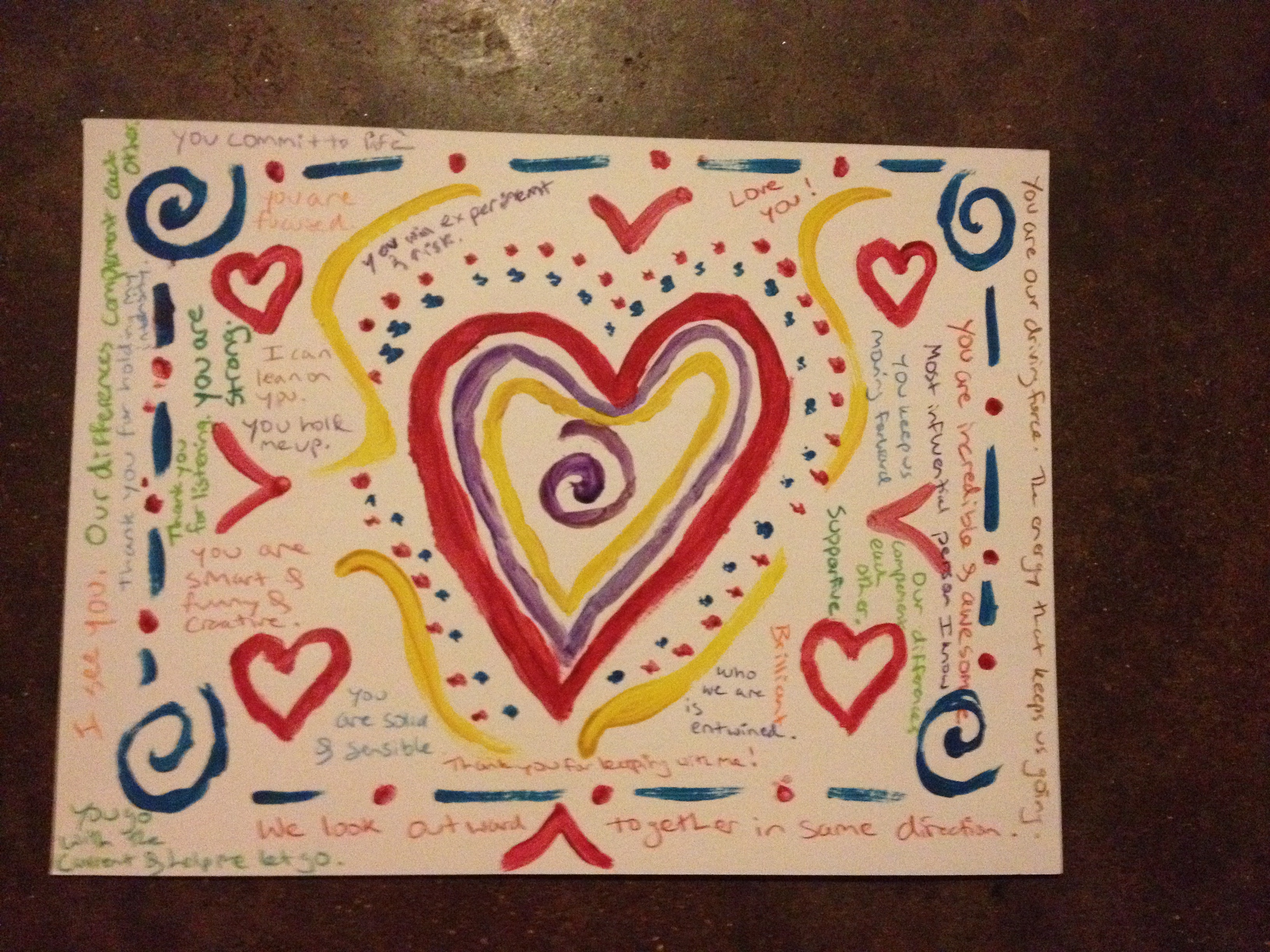
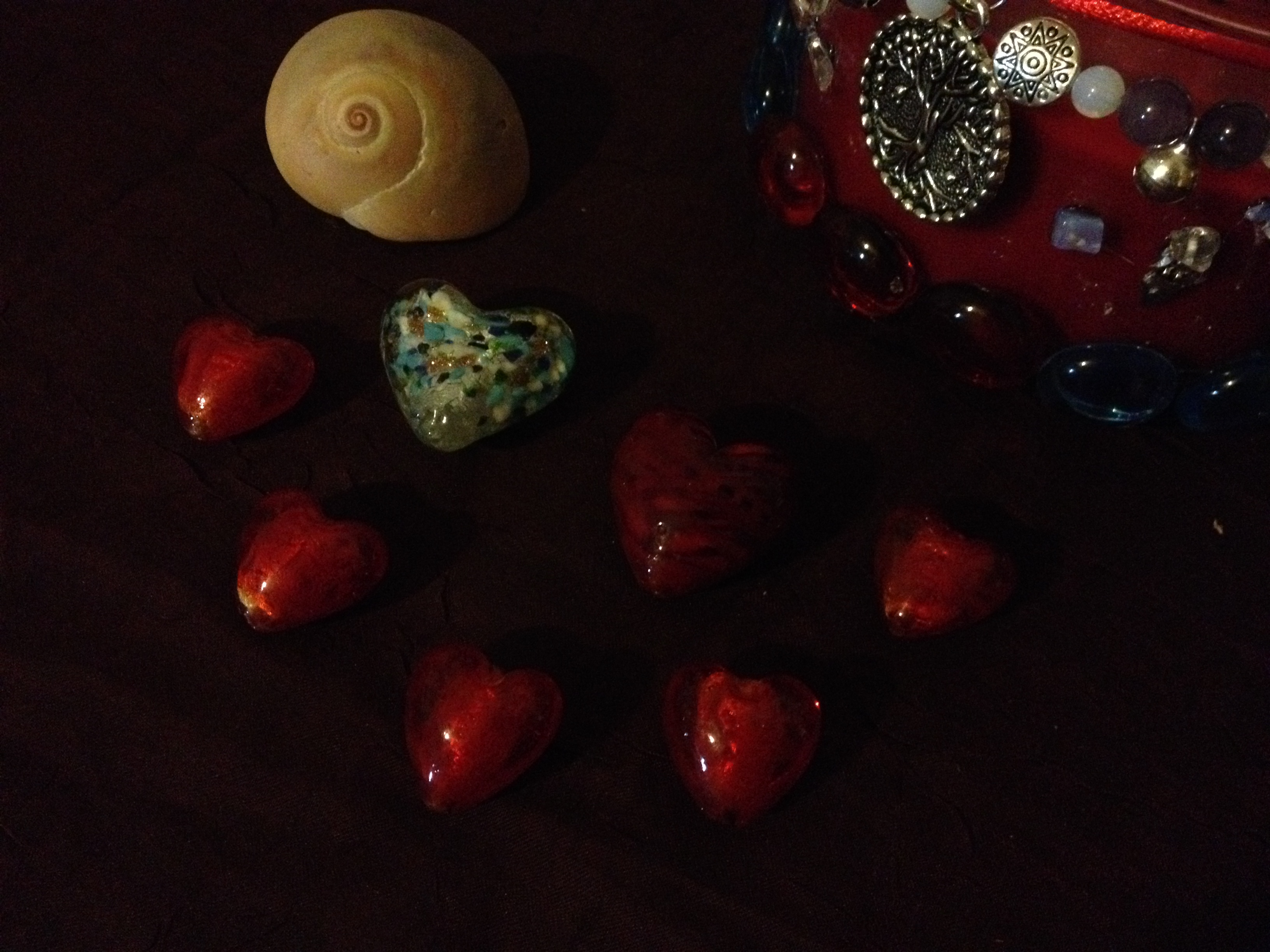
I was thinking about what to post today and about our complementary strengths and I realized that I wanted to finally share our Heart Art assignment from the Sacred Pregnancy course I took while I was pregnant with Tanner. I didn’t end up posting about it right away because it felt private, but I did save a draft post about it to share someday. In this exercise, the couple paints a heart together and then fills in the heart with things they love about the other person.

When I told my husband about the exercise he said he didn’t want to do it. He is usually game to do anything I want to do and to support any project I care about, but this time he said, “you know how I am. If I’m at work and they do a team-building thing where everyone has to go write something nice about everyone else, that is my idea of hell. I’d rather do anything else than have to write things about someone else. Not everyone is into or likes this kind of stuff. I am not the kind of person who likes to do these kinds of things.” He then went on to say, “but if I can just tell you why I love you, I would say…” and then he listed off all my good qualities and made me cry and cry.

I decided I should honor his truth in that this is not his kind of exercise and that I would do the Heart Art activity by myself. But, then we were walking together as we do every night and he brought it up again, saying that it is writing that is not his strength, but that he really wanted to tell me all these things and it was beautiful and affirming to hear and I cried and we stood in our driveway hugging and kissing and crying together.

I’d painted the heart and added my side of the words after our first conversation and when I went back inside, I added his words to the other side. One of the best things about our relationship is how our skills/strengths complement each other and this exercise was another example of how that works.

August 2014 010Inspired by our heart art, I then I added these glass hearts to my Sacred Pregnancy altar where they remained until after Tanner’s birth in October.

August 2014 034

(Unfortunately, instead of watching While You Were Sleeping, reminiscing, and having a twenty-year-date, I have to go give a final exam!)

New Squatter’s Rights Sculpture

“Birth is not an event; it’s a series of sophisticated biological processes… Really, we’re talking about processes that should make us fall on our knees in awe.”

–Suzanne Arms

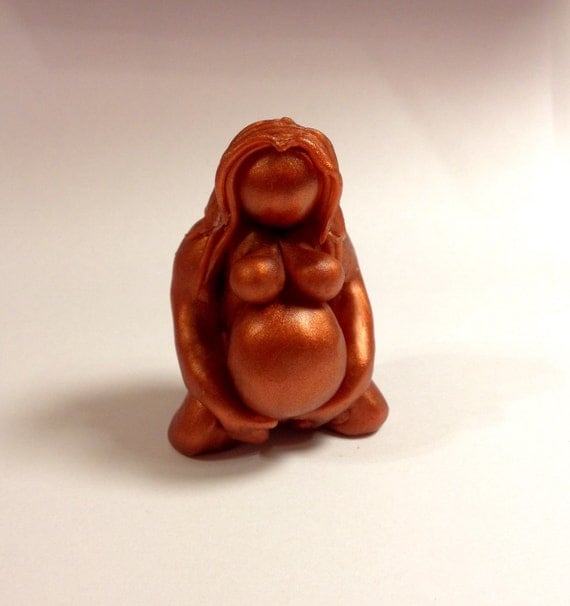
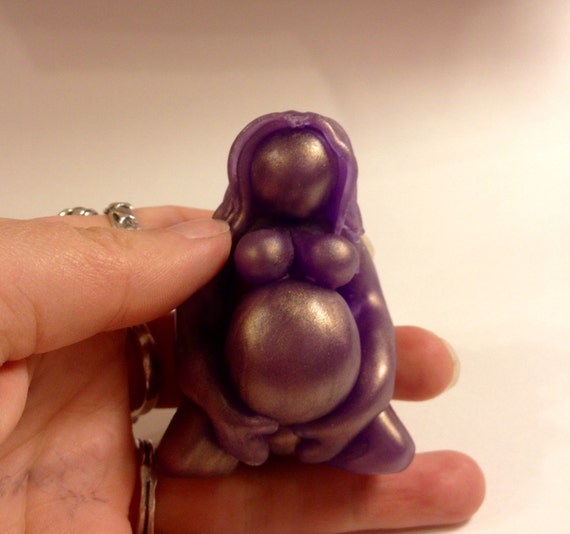
Squatter's Rights laboring mama birth goddess sculpture (birth art, unassisted birth), Birth Warrior.In our May newsletter from Brigid’s Grove, we introduced our new “Squatter’s Rights” sculpture of a mama catching her own baby. This sculpture has a lot of personal significance to me and I have found her image tremendously empowering for a long time. I have made a variety of different versions all expressing the same message: reach down and catch what’s yours.

…Would the new child coming from me be slippery like soap? I rubbed my fat belly. I loved each pound I gained, each craving I had, and every trip to the bathroom. Okay, maybe not every trip to the bathroom. But, I loved this growing baby. Tucked away like a pearl in the sea just waiting to be discovered. I was in a constant state of marvel.

Would I be able to physically do this? No, I don’t mean the labor, nor do I mean the birth. I knew I could do that. I got lost in thought as I planned in my head every moment that would come after my body did the work of labor. The moment would come once my body was ready and the crown of a child’s head pushed itself from me, the moment the child would emerge. That’s what I was planning for; I planned to catch my own baby…

via Guest Post: Squatter’s Rights | Talk Birth.

It is hard to express how much I love knowing about how these figures “speak” to the women who receive them. I started making them to express something within me and to speak to myself or remind me of my own power. I absolutely love knowing that they carry these messages to other women as well, not just me! An early customer of the Squatter’s Rights sculpture gave me permission to share her feedback on it:

I LOVE THIS!!!   I JUST got my lovely statue, she’s gorgeous, I am in awe of your work, and I caught myself choking up a bit at how I look at her and it pulls me back to that most empowering of moments, Me-birthing my little rainbow.. Completely uninhibited.. THANK YOU!…They will be in a sacred space, helping watch over me as I go through Midwifery school… Thank you, thank you!!

What a tremendous honor to be a small part of another woman’s journey in this way. It feels like a sacred trust.

Sixmonthababy!

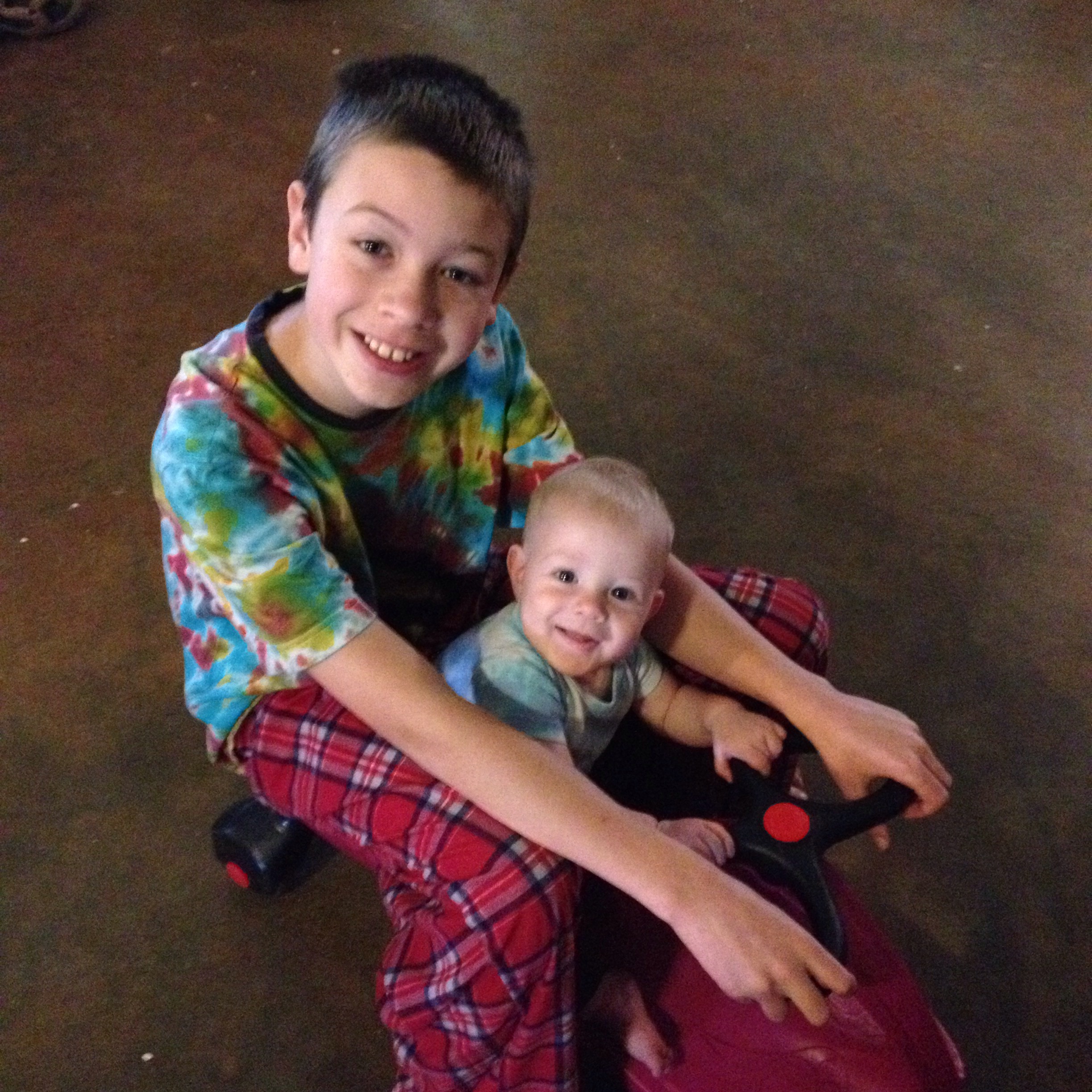
IMG_4367So…THIS BABY! Somehow, he is six months old already. Somehow, he acts more like a ten month old! One of the things that is different about being a fourth baby than a first baby, is that you accept being zoomed around on a tiny car as a normal part of your morning…

Speaking of mornings, I’d like to comment that whomever said, “the days are long, but the years are short,” was totally wrong. Both the days AND the years are short. So, so short. I mentioned before that I am definitely feeling maxed out in my caregiving powers in an average day (and, one can only reduce household tasks so far without becoming disgusting). It is unbelievable to me how many things I DON’T get to do in a day and that I have to release or let go of. At the same time it is amazing how many things I actually do, but the number of important things that slip through my fingers is feeling rough to accept lately. It feels like much of my relationship work is being sacrificed. Activism, local events, friendships, relationships in general, doing things with my other kids, going places, self-care basics—these are all getting pared away, reduced, or feel like they are suffering, untended, or neglected. As one small example, I didn’t read most of or reply to hardly any of the birthday greetings I had on Facebook last week, I can’t respond to simple midwifery activism action alerts, and so forth. What I have been having time for is time to work next to my sleeping baby, since I have to sit in a quiet room with him and actively keep him asleep for naps. This is handy for blog posts, newsletters, etsy work, class preparation, and writing projects!

Okay, enough whining, and back to this baby. He is mobile! Very mobile. He crawls—mostly army style, but also on knees and then launch forward and then knees again and launch forward (sort of inch-worm style). He pulls to standing on everything. He gets himself back to a seated position after being flat on his belly. He lets go while standing and holds on with only one hand. He does some transferring between surfaces, but not cruising yet…that is coming any day now I think. He practices getting down from bed and chair by sliding off the edge (with help) over and over again—slide down, reach to be lifted back up, slide down again. You can see the practiced concentration. He does things like get canned goods out of the cabinet while standing there holding on with one hand (that’s what I mean about feeling like I have a ten month old). He’s only six months old! By the same token I feel like he bonks his head or hurts himself more often than he should as only a six month old baby—he tries things that are just a little out of his actual capacity. (Such as holding on to the laundry basket with one hand and leaning over and swiping other hand toward the couch trying to transfer surfaces even though he isn’t quite close enough to reach.)

Along with this mobility comes some struggling with our nursing relationship. He clearly feels “bored” or held down by needing to stop for “nonnies.” Some day, despite lots of offering and two minute long nursing sessions, it feels like he is only really, truly nursing at naptimes and then all night long (to make up for the busyness during the day). I pretty much have to shut myself up in the bedroom with him to nurse him very well at all. Along with this, he is eating a ton of solid food. Way more than any of my kids have ever done at the same age and he started doing so with no real fanfare or lead-in or episodes of gagging over textures and spitting things out. He grabs, he chomps, he gobbles, he has a specific “desperate” (horrible!) sound he makes when he wants a snack or something from our meals. Despite having a pile of other kids, until this month with Tanner, I have been pretty judgey towards other parents about their solid food choices with their babies. Since my other three were only passingly interested at this age and would gag and spit out almost everything, I assumed other parents who said their six month old loved to eat, were exaggerating or almost “forcing” the babies to have solids when they weren’t really ready. Apparently, no matter how many years you parent, there is always room to be humbled yet again!

He still weighs about 18 pounds (maybe 19. We get varying results.) The other thing he does that is different than my other kids is suddenly degenerate into extreme crying fits when it is time to go to sleep, usually when we’re changing his clothes/diaper and I’m brushing my teeth to get in bed. It is an abrupt shift into crying hard and he shrieks in a desperate, agitated, really over-the-top manner. He also continues with the car crying horror to the extent that we only actually leave the house once or twice a week! Oh, that said though, he as started to make some visits over to my parents’ house when the other kids go to visit during the day. The first time he left with them, I cried three times! Now, I’m seeing the advantage. Mark and I really benefit from focused time to work together instead of shouting to each other over the tops of people’s heads (not ideal for running a collaborative business). I’ve also left Tanner with Mark twice while I teach, instead of dragging them with me to sit in the hall. I’m almost to another session break and I also got it arranged to do my next two classes partially online, meaning I won’t be gone for the entire time and can get home to my baby in a timely fashion, instead of having to bring him + Mark along with me. While I do enjoy “grinding my corn” with my baby and having him close by while I teach, I do have to admit that I do a better job and feel much more satisfied when I am on my own at class and not worrying about them out in the hallway waiting for me!

He also got to visit with his great grandma last month!

April 2015 015Something Tanner does do that all of our co-sleeping babies have done is touch our faces in the night to ID who he’s got—since Mark has a beard, when he reaches up and feels Mark’s scratchy face, he knows to roll away and back towards me! In the night, I’ll feel a little hand patting at my cheek…checking in…right person? And, then snuggling up to nurse. He still sleeps on my arm all night long, but he rolls to face different directions while still being on my arm.

Despite the maxing and the chaos and the juggling and the paring away, I literally cannot believe I ever worried about not loving him. He is the baby I didn’t know I needed. The member of the family that was missing. He totally belongs and is so much a part of me and our lives that I can barely remember him not being here and can certainly not imagine that we might never have had him!

April 2015 153

Restoring Women to Ceremony: The Red Tent Resource Kit

 “… Every day, we witness the positive, transformative effects of, ‘restoring women to ceremony’…another reason it is vital that we continue our work…”

–D’vorah Grenn (Stepping into Ourselves, p. 56)

We’ve been hard at work over the last three months giving birth to a new project!

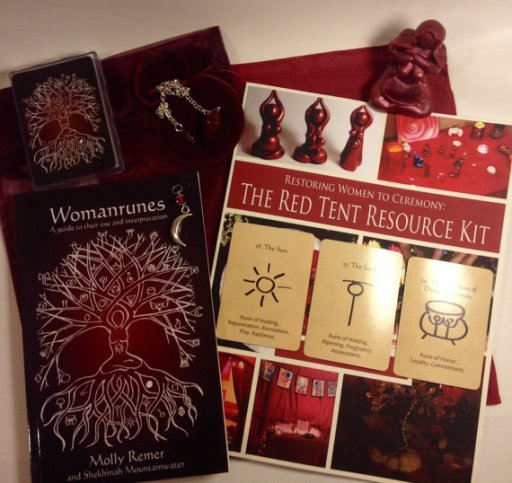
Introducing…The Red Tent Resource Kit

redtentkit

I actually ended up sort of accidentally writing a whole new book to go with this kit. It was originally going to be a collection of handouts as a pdf. However, as I put the handouts together, I realized I was actually writing a short book or manual instead. I also reflected on how I am tired of only getting pdf manuals and ebooks when I sign up for different programs, rather than an actual, printed book. One of my mottoes this year is to follow the inspiration, so I went with it, and at the end of last month our new books arrived and they’re beautiful and I’m so excited about them!

Our unique, signature Red Tent Kit includes ALL of the following resources:

  • Womanrunes Book and Card set: ideal for personal guidance and self-development, or for the inspiration and renewal corner at your Red Tent Circle.
  • Red Tent Goddess Sculpture: symbolic of self-care and of both receiving and giving.
  • Carnelian Pendulum (kit exclusive!)
  • Brand new 58 page book: Restoring Women to Ceremony, The Red Tent Resource Kit, written exclusively for this kit. In this collection of essays and ritual resources, you will find a complete Red Tent “recipe,” circle leadership basics, moontime musings, and readings, quotes, and poems to help you facilitate a rich, inviting, welcoming, creative space for the women of your community.
  • Moontime pendant with silver-tone, solid crescent moon charm
  • Red altar cloth
  • Red organza bag to store your resources
  • Coupon for $100 off the companion Red Tent Initiation online training to be held in July-August
  • Extra surprise bonus goodies intuitively chosen for you!

The contents of this Kit are valued at $100 when sold separately!

When I was taking pictures for the Kit, I randomly drew three Womanrunes cards to include in the pictures. The ones I drew were absolutely perfect for sharing the message of what this collection has to offer to others and what we hope to create in restoring women to ceremony:

IMG_4889


Mother’s Day Giveaway!

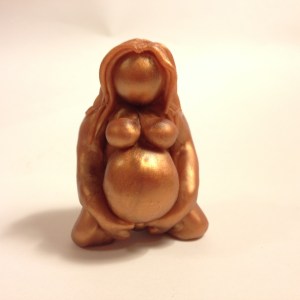
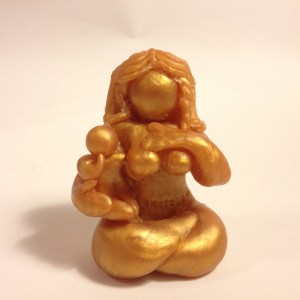
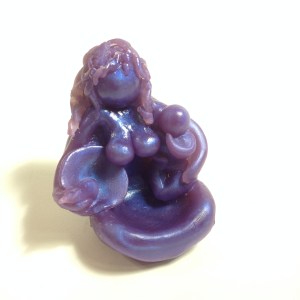
Our Mother’s Day celebration of motherhood continues with an awesome giveaway event! Four different goddess sculptures* and a copy of our Womanrunes book and card set. To win, simply leave a comment below (or on Facebook) letting us know which sculpture you’d like or if you’d like the book! For a bonus entry, subscribe to the Brigid’s Grove e-newsletter prior to Mother’s Day. Then, you’ll also get our Mother’s Day newsletter with free birth affirmation cards, centering handout, and several articles. 🙂

Still active is our coupon code MOTHER for $5 off a $15 purchase.

Giveaway will close on Mother’s Day evening and winners will be drawn by random selection on Monday.

(*giveaway contest sculptures are seconds with minor imperfections/flaws)

Tuesday Tidbits: International Day of the Midwife

IMG_4848Today is International Day of the Midwife and I find myself reflecting on the many midwives I have known and the incredibly diversity and gifts of the women who join this profession. In addition to the midwives I had for prenatal and postpartum care for each of my births, I’ve been privileged to know many midwives on the state and national level through our shared interest in maternity care activism and birth rights. With my first baby, I had prenatal and birth care with a family practice physician and a CPM. The CPM was gray-haired, pretty, soft-spoken and wryly witty and pretty much exactly what you picture a stereotypical midwife looking like! My prenatal care with this team was excellent, birth care so-so (I didn’t need much), but my postpartum care left a lot to be desired and I felt very cast adrift after the birth. I became very embroiled with midwifery activism and birth work after this birth and as a result my experiences with all subsequent midwives has been an interesting blend of collegial + consumer. My first birth was the only one for which I was consumer only. Though I’m not a midwife myself, my subsequent experiences all involved being a sister birthworker AND client, rather than solely a client. This has both benefits and disadvantages.

My midwife with my second baby was amazing. I loved her so much and I have felt a gap in every pregnancy following that I was not able to have her as a midwife again. She was gentle and caring and passionate and inspiring and wonderful. Cute and upbeat, full-figured, and intelligent, she had a soft and reassuring presence and gave wonderful hugs! We became good friends and she was a very important part of my life. My prenatal care and birth care with her was excellent. She was also helpful with postpartum care, but I don’t think I “allowed” her to be as helpful as she could have been because I couldn’t allow myself to be as vulnerable and needy as I actually felt.

When I was pregnant with my third baby, my much-loved midwife had moved away and found myself at a loss for who to choose for pregnancy and birth care. This baby died early in my second trimester and I found myself calling on the sisterhood of midwives for help when I desperately needed it. From the very busy midwife who talked to me kindly and patiently when I was freaking out over a retained placenta, to the Mennonite midwife who helped me from the road as she was driving to another state and connected me to yet another midwife several hours away who drove in to town to meet and help me when I was very scared and alone, it was during this experience that I realized very viscerally how much we need midwives in our lives. When I was pregnant again, I decided to choose the Mennonite midwife for my prenatal care and immediate postpartum care. She is a very capable and determined and intelligent midwife, but I felt an unbridgeable gap between us spiritually speaking and so was never able to fully connect with her emotionally. She embodied the gray-haired, no-nonsense “granny midwife” archetype. She provided great prenatal care and was very respectful of my wish for immediate postpartum care, but an unassisted birth. Postpartum follow-up care was limited due to snowstorms.

With my last baby, I felt a powerful need to feel taken care of again. I really needed to have some set aside time, Mollyblessingway 027space, and energy that was just focused on me and my baby. I knew that I needed a midwife! While I could have used the same midwife as with the baby before, this time it was important to me to develop the emotional connection I had with my second midwife—I needed a midwife with whom I could feel “safe” with all of me, instead of feeling like I had to hide my goddess sculptures when she came over! 😉 It took some work, but I was able to find that. With this experience, I came to accept that the blur between colleague-consumer is my reality and I will never re-capture the feeling of being client only and being completely focused on in that respect, because I’m simply not just a client only. That’s okay. This midwife has long brown hair, wears lots of skirts and had the hippie-ish midwife feel I was craving. She is funny and talkative and connected to the roots of what midwifery is all about. I was safe with her in the way I needed. I really appreciated the midwife’s prenatal care (and the opportunity to focus on my pregnancy and baby), her respect of my wish for immediate postpartum care rather than birth care, and her postpartum follow-up care. I felt like this midwife offered the most complete postpartum care of all of my birth experiences.

I’ve mentioned before that the only vaginal exam I had during six pregnancies was at ten centimeters dilated when I went to the birth center to push out my baby (I also had to have one for a manual clot extraction following his birth and one for help removing the placenta after my miscarriage-birth of my third baby). This is totally cool with me. Somehow I’ve managed to labor and birth four full-term babies without ever knowing how dilated I am in labor! So, I loved reading this article about the pointlessness of vaginal exams in labor and the cultural attachment, even in midwifery circles, to cervix-focused childbirth:

“…There is also reluctance to change hospital policies, underpinned by a need to maintain cultural norms. The Cochrane review on the use of partograms on the one hand states that they cannot be recommended for use during ‘standard labour care’, and on the other hand states: “Given the fact that the partogram is currently in widespread use and generally accepted, it appears reasonable, until stronger evidence is available, that partogram use should be locally determined.” Once again, an intervention implemented without evidence requires ‘strong’ evidence before it is removed. The reality is that we are unlikely to get what is considered ‘strong evidence’ (ie. randomised controlled trials) due to research ethics and the culture of maternity systems. Guidelines for care in labour continue to advocate ‘4 hourly VEs’ and reference each other rather than any actual research to support this (NICE, Queensland Health). Interesting whilst Queensland Health guidelines recommend 4 hourly VEs, their parent information leaflet states: “While a VE can provide information about how a woman has progressed so far in labour, it cannot predict how much longer you will be in labour…” and that there are “…other factors such as the strength, duration and length of contractions as well as a woman’s behaviour and wellbeing that can indicate progress in labour”. Which begs the question ‘why bother doing a VE’?

The cervical-centric discourse is so embedded that it is evident everywhere. Despite telling women to ‘trust themselves’ and ‘listen to their body’, midwives define women’s labours in centimetres “She’s not in labour, she’s only 2cm dilated”. We do this despite having many experiences of cervixes misleading us ie. being only 2cm and suddenly a baby appears, or being 9cm and no baby for hours. Women’s birth stories are often peppered with cervical measurements “I was 8cm by the time I got to the hospital”. Even women choosing birth outside of the mainstream maternity system are not immune to the cervical-centric discourse. Regardless of previous knowledge and beliefs, once in labour women often revert to cultural norms (Machin & Scamell 1997). Women want to know their labour is progressing and there is a deep subconscious belief that the cervix can provide the answer. Most of the VEs I have carried out in recent years have been at the insistence of labouring women – women who know that their cervix is not a good indicator of ‘where they are at’ but still need that number. One woman even said “I know it doesn’t mean anything but I want you to do it”. Of course, her cervix was still fat and obvious (I didn’t estimate dilatation)… her baby was born within an hour…”

Vaginal examinations: a symptom of a cervical-centric birth culture | MidwifeThinking

I also read this article about the now late, great midwife and activist, Sheila Kitzinger and how she connected her birthwork to feminism (as do I). I despise the article’s title, but it is still worth a read!

…In the Seventies, I was viewed as a radical for saying that birth was being depersonalised and treated as if it were a pathological event, rather than a normal life process.

To my surprise, it wasn’t just obstetricians who dismissed what I had to say. I also found myself in conflict with feminists, who saw birth in very simplistic terms.

Why? Because they claimed it was every woman’s right to give birth painlessly.

An article in Spare Rib, the radical campaigning feminist magazine, went further.

Without any evidence, the authors asserted: ‘Undoubtedly, hospitals, with all their faults, are the safest places in which to give birth. For this reason, we think we should press for improvements in hospitals rather than support a move to more home confinements.’

I was appalled at how my sister-feminists could fail to support woman-centred birth. Polly Toynbee, writing in The Guardian, was particularly virulent, dismissing me as a lentil-eating earth goddess…

via Sheila Kitzinger on why feminists HATE natural childbirth and why it’s harmful | Daily Mail Online.

Lentil-eating earth goddesses unite! Unlike Kitzinger’s experiences with the distance between some expressions of feminism and birth-care, I find that many midwives, whether explicitly or implicitly, understand the deep connection between midwifery care, birth activism, and feminism.

“Midwifery work is feminist work. That is to say, midwives recognize that women’s health care has been subordinated to men’s care by a historically male, physician-dominated medical industry. Midwifery values woman-centered care and puts mothers’ needs first. Though not all midwives embrace the word feminism (the term admittedly carries some baggage), I maintain that providing midwifery care is an expression of feminism’s core values (that women are people who have intrinsic rights).

–Jon Lasser, in Diversity & Social Justice in Maternity Care as an Ethical Concern, Midwifery Today, issue 100, Winter 2011/2012

via Midwifery & Feminism | Talk Birth

Perhaps this is because midwives care so deeply about mothers and feminists might actually make the best mothers…

…As a mother who works extensively with other mothers, I appreciated Caron’s acknowledgement that raising children is a feminist act with potential to create change as well. “Another strategy for change is through raising children to be just and caring people. A media image portrays feminists as being against motherhood—but in fact, feminists make the best mothers. They raise children aware of themselves and the world, of options and values, of what justice means and how to work toward it, and how to be self-critical and self-respecting” (p. 203-204). Caron also explains that “in a just society, women would be free to make whatever decisions they needed to, for however long they needed to, in relation to political action in the public and the private sphere. All people would participate in the decision-making, and women would be supported in their decisions rather than, as sometimes happens, made to feel guilty for not doing enough or not valued for what they do.”

via Thesis Tidbits: Feminism, Midwifery, and Motherhood | Talk Birth.

dayofmidwifeHappy International Day of the Midwife! Thank you for bearing witness to our journeys and for holding the space for the continually unfolding spiral of life.

“…As we ready ourselves to accept new life into our hands,
Let us be reminded of our place in the dance of creation.
Let us be protectors of courage.
Let us be observers of beauty.
Let us be guardians of the passage.
Let us be witnesses to the unfolding…”

—Cathy Moore (in Sisters Singing)

via National Midwifery Week! | Talk Birth.

In addition to midwives, we’re also celebrating mothers all week this week! First on our lineup of activities is our gift to you: our first ever coupon code for $5 off purchases over $15. Use code: MOTHER.

We’ve also got a giveaway upcoming, two new product launches, a new Facebook group, and two class announcements! Stay tuned…

April 2015 021