Archives

Women’s (Birth) History Month

…we  need to grasp an honest understanding of birthing history – one that tells HERstory not HIStory.  Because birth is about Women.  It is a woman’s story. And we need to also understand why and how this herstory compels women to make the choices they make surrounding birth in the present day.

People become the product of the culture that feeds them.

It takes an immense amount of work to deconstruct cultural lies. Especially ones as insidious as the ones that we, as birthing women, have been fed for more than a century. We need to stop blaming women for their place in this System. Women are victims and by-products (not accomplices) of medicalized birth.
via That Joke Never Gets Old. Or Good

March 2013 039In honor of Women’s History Month, I’ve been considering the women in (recent) history who have changed the climate surrounding pregnancy and birth. While I’m sure Ina May Gaskin’s name would probably spring to the lips of most birth activists considering the theme, I felt like taking a quick look at the many other classic authors who have had a profound influence on my own ideas about birth. This thought, coupled with the fact that for some time I’ve wanted to write a post about “older birth books” that are still excellent reads today, has brought me to the present moment: a list of my favorite “old” birth books and the lovely women who wrote them. When I first started out in birthwork, I wanted to read “new” stuff—stuff that was “up to date” and “current.” After I read almost all of the “new” books, I started to cast my eye around for more and guess what I discovered? No surprise to many of you, but many of those “out of date” books with the retro-looking covers are still just as good and just as relevant as they were 20-30 years ago. Since medical information and science/evidence changes fairly rapidly and a pregnancy and childbirth 101 type book from 30 years IS more often than not completely inappropriate today, I had made the mistake of thinking ALL “old” birth books would be similarly irrelevant. Instead, many have a power and passion that is not easy to come by in any decade and that rouses the activism spirit, or stirs the heart, or challenges the psyche just as effectively today. Here are some of my recommendations (and of course, Spiritual Midwifery remains a good choice too, I just want to add some less usual recommendations!):

  • Transformation through Birth by Claudia Panuthos (also known for writing another great resource: Ended Beginnings: Healing Childbearing Losses). Written in 1984, this book “goes beyond” the scope of traditional birth books and really gets into some deep topics and insightful ideas. Previously written about here.
  • Special Delivery by Rahima Baldwin (another good, less well-known one from her is Pregnant Feelings, explored in depth in this post). Revised in 1986, this book is one of my favorite homebirth resource books. Though some segments are in fact, “outdated,” I still find this to be one of the very best (“old” or new!) resource books for women planning to give birth at home.
  • Open Season by Nancy Wainer (Cohen) in 1991 (how can 1991 be called “old”? Well, it is over 20 years ago and considering that many women giving birth today were born after that date, it IS old!). Nancy has a lot of FIRE and I love it. Some people have been known to call her “angry” or “bitter.” I call her…amazing. Her writing lights you up and calls you to action. She has incredible passion, fire, brightness, drive, and enthusiasm. One of her articles in Midwifery Today that is available online is also well worth the read: VBAC and Choice. And, I use some of her quotes in this post.
  • Birth Book by Raven Lang. This is the original counterculture birth book written in 1972 at the launch of what would become the modern movement to return birth to the hands of women.
  • Childbirth with Insight written in 1983 by Elizabeth Noble, is another one of the birth books that I say “goes beyond.” As a childbirth education, I especially benefited from her exploration of some of the failings of traditional approaches to childbirth education.
  • Lots of older books from Sheila Kitzinger are very good also. I particularly enjoy The Experience of Childbirth and Giving Birth: How it Really Feels.
  • My last recommendation for the moment is Mothering the New Mother by Sally Placksin (revised in 2000, which again sounds reasonably recent, but in reality is thirteen years ago–how is that possible?). It is classic must-read for doulas as well as any other birth companions. It is wonderful and I wish I would have read it before my own first child was born.

There are many more excellent books out there, both modern and “herstorical,” but I’ll leave you with these treasures for now. I’m grateful for each of these birth activists whose words and spirits helped deepen and refine my own passion for birth.

I long to speak out the intense inspiration that comes to me from the lives of strong women.” –Ruth Benedict


(Adapted from a post originally made at CfM several years ago.)

Book list: Preparing Children for Homebirth

MR_024The theme of our spring issue of the Friends of Missouri Midwives newsletter was Siblings. Happily, I got a lot of great content for this issue without having to write everything myself (sometimes I prepare issues that should be called “The Molly Issue”). Other than the letter from the editor, the only piece I contributed this time around was a short list of homebirth resources for children. If you have other good resources to add, I’ll gladly accept your contributions and update the list accordingly.

Here’s my list:

(Amazon affiliate link included)

  • Runa’s Birth by Uwe Spillmann and Inga Kamieth– my all-time favorite children’s homebirth book. The illustrations in this book are amazing; I love the tiny details like little shells/rocks on the windowsill and phone messages on the bulletin board.
  • Welcome with Love by Jenni Overend and Julie Vivas (also published as Hello Baby). It has nice, softly drawn pictures that glow with excitement and I really enjoy reading it to my kids.
  • Birth Day DVD by Naoli Vinaver—this one is great because the whole family is involved and older brothers join mom in the birth pool.
  • We’re Having a Homebirth by Kelly Mochel. This book is inexpensive, cute, and informative.
  • Being Born: The Doula’s Role by Jewel Hernandez and R. Michael Mithuna–really nice, detailed illustrations. Focus is on doulas and their job and the wide range of settings in which mothers give birth.
  • Mama Midwife: A Birth Adventure by Christa Tyner— this new children’s book about homebirth and midwifery is available to read for free online. It is cute, though kind of trippy. (I would have preferred it to be just people though, rather than a somewhat incongruous collection of animals.) LOVE the “birth song” at the end.
  • My Mommy’s Midwife by Trish Payne CNM—this one has children’s drawings as the illustrations. It isn’t about homebirth, but instead explains the role of the midwife and that she might come to a birth center, a hospital, or a home birth.

Books that I’ve not read, but would like to check out include:

  • Our Water Baby by Amy Maclean and Jan Nesbitt (water birth specific)
  • Mama, Talk About When Max Was Born by Toni Olson (home waterbirth)
  • Mama, Talk About Our New Baby by Toni Olson (companion book to the above about integrating new baby into the home)

MR_034

Tuesday Tidbits: Hemorrhage & Postpartum Care

March 2013 068“A bright red ribbon of blood weaves women together. We are blood sisters. We bleed and bleed, and we do not die. Usually.” –Susun Weed

These Tuesday Tidbits all come from the current issue of Midwifery Today. It is an excellent issue with tons of great information. As I referenced before, however, it is literally making my uterus ache and contract to read it since the theme is Hemorrhage. I’ve had to read it in small doses—5-10 pages at a time—and then come back to it later because the contractions/crampiness in my uterus and lower back get too intense for me to continue. I’ve always known that I have an intense response to blood, but this is the first time that I’ve really tuned in to the body memory my pelvic bowl still holds with regard to excessive postpartum blood loss. That blood loss is one of the things I don’t blog about, but today I’m writing about hemorrhage anyway (even though my back/uterus is starting up again as I type this). I guess you could call it “psychosomatic,” but I call it uterine memory.

Robin Lim’s article about postpartum hemorrhage in Bali includes a nice list of preventing and managing hemorrhage, one of the most significant being to minimize prenatal “scare” as much as possible. She writes about good prenatal nutrition and nurturing prenatal care and she also recommends this essential:

Build layers of support and trust for the mother in pregnancy and labor to help her cope with any social, psychological or spiritual challenges that she might be carrying…

Lim also says that laboring women use “qi” while laboring and birthing, which is our life force, our energy. She says that if women run out of “qi,” they have to dip into their “jin,” which is, “one’s God-given lifespan”:

“If a mother uses all of her qi to bring her baby out, then she has none left to bring her baby out and to close her uterus properly…As birth-keepers it is our job to maintain the qi of pregnant, laboring, birthing and breastfeeding mothers. The mother who maintains her qi and does not use up her jin can still be glowing and full of energy after having five children…the mother who has dipped too deeply into her jin, due to having depleted her qi, can be dangerously run down after having just one baby…”

While one might interpret this as being a little too esoteric for the practical mind and perhaps a tad too close to the victim-blaming “you create your own reality” thought processes that grate on my nerves, I really appreciated the idea of the responsibility of birth-keepers to guard mothers’ life-force energy and to act to preserve mother’s natural resources and reserves of strength.

On a midwifery education note, I love the writing of Sister MorningStar and I loved reading her thoughts on midwifery education, especially her observation that

…I’m dreaming of a way and time when women are as healthy as deer and mothers birth in the night before professionals arrive. Don’t misunderstand, I want and am willing to talk at any roundtable about midwifery education. We need everyone who cares about birth at such a table, including mothers. We need a global table with a global voice, passion and wisdom. I am not saying that birth and midwives are not made better with midwifery education, but I am saying that I have many questions about modern midwifery education and its effect on the experience of birth.

And, moving on to postpartum care, loved this quote from Darla Burns in an article by Allie Chee:

As Americans, we are under the impression that new moms are ‘Superwomen’ & can return to life as it was before baby. We must remember to celebrate this new mother and emulate the other cultures that honor new mothers by caring for them, supporting them, & placing value on the magnificent transformation she is going through. This is the greatest gift we can give to new mothers & newborns…

I appreciated that Chee included information about postpartum recovery from miscarriage and stillbirth as well, rather than assuming that postpartum care is a need only following a live birth. Consistent with my own experiences and observations she notes that, “in the case of miscarriage and stillbirth, a woman is usually sent home with no postpartum care instructions other than perhaps a list of negative signs to watch for that may indicate further complications with her health. In these instances, many friends and family members, often not knowing how to respond, leave the mother to grieve alone and to recover physically by herself.” Other interesting notes with regard to postpartum recovery after miscarriage or stillbirth include these two:

  • The depression and anxiety experienced by many women after a miscarriage can continue for years, even after the birth of a healthy child….
  • [with regard to postpartum recovery/”lying in” time in other cultures]…Amy Wong, an internationally acclaimed author and expert on postpartum writes, “Natural delivery requires at least 30 days of rest, while cesarean delivery, miscarriage and abortion require at least 40 days…”

Of course, this made me reflect on my own experiences. I feel fortunate that I was cared for with a lot of love and tenderness in my own miscarriage postpartum, with my mom bringing us food and providing child care and support, and my doula organizing and delivering meals from friends as well as offering a loving and supportive listening ear. That said, I was back in front of the classroom two weeks postpartum and felt like perhaps I was taking “too long” to get back to “normal.”

Definitely make sure to check out the complete issue! Midwifery Today is my favorite birth publication and is a treasure trove of information as well as personal experiences and reflection.

March 2013 040

Birth Regrets?

March 2013 034I usually talk in my classes about how ‘this’ is the only chance you’re going to get to birth this baby. Sure you may go on to have other babies, but you only get *THIS* chance to birth *THIS* baby. I also share with moms that because of this fact, the significance of this birth is infinitely greater than the significance of this birth is to your nurse, OB, midwife, etc.” – Louise Delaney

As I was writing my post last week about “bragging rights” in birth, I was also considering the role of birth regret. I’ve come to realize that just as each woman has moments of triumph in birth, almost every woman, even those with the most blissful birth stories to share, have birth regrets of some kind of another. And, we may often look at subsequent births as an opportunity to “fix” whatever it was that went “wrong” with the birth that came before it. While it may seem to some that most mother swap “horror stories” more often than tales of exhilaration, I’ve noticed that those who are particularly passionate about birth, may withhold or hurry past their own birth regret moments, perhaps out of a desire not to tarnish the blissful birth image, a desire not to lose crunchy points, or a desire not to contribute to the climate of doubt already potently swirling around pregnant women. I’ve already acknowledged all of my own moments of birth regret, but never all in the same post…so, here they are…

First birth: This birth was great and very empowering, but I also learned a lot of things I’d like to do differently the next time. Maybe “regret” is too strong a word, but there were things I definitely knew I wanted to change for next time. I regretted feeling pushed into several things I wouldn’t have chosen on my own, such as giving birth in a semi-sitting position rather than on hands and knees. I wished I hadn’t had quite so many people around me at the birth and I wished I would have just stayed home, rather than driving to a birth center. I regretting not asking to squat after the placenta to help the “sequestered clots” come out and possibly avoid the manual extraction I experienced which was pretty awful (I swear my uterus actually twinges when writing/thinking about it). I regretted having a pitocin shot after the birth, because I still don’t think I actually needed it and it bothered me for a long time that I couldn’t figure out whether or not I’d really needed it. I was also pretty physically and emotionally traumatized by the labial/clitoral tearing I experienced and desperately wanted to fix that next time! Interestingly, most of these regrets were clearly connected to other people and to events in the immediate postpartum period, rather than anything to do with the labor or birth process itself.

Second birth: With this birth, I see very clearly how I deliberately made choices to “fix” the things that nagged at me from my first birth. I gave birth at home, I had very few people present, I gave birth on hands and knees. I was extremely distraught to tear again in the same unfortunate and traumatic way. I’d been totally convinced before the birth that it was all related to positioning and I could fix it, next time. I regretted getting up and showering, etc. so soon after the birth and I wished for more postpartum care (noticing a theme here…). I wished I hadn’t almost fainted several times and still recall the feeling of my head snapping back as I almost went under. That said, I felt the proudest and most exhilarated after this birth.

Third birth: Aside from the obvious of wishing my baby had been born alive, I “fixed” some things from prior births in that I stayed down after the birth to keep myself from fainting. I regretted drinking Emergen-C after the birth. I regretted not being better informed about coping physically with a miscarriage. And, I wished I’d been better able to assess blood loss. I also wished I’d had an attendant of some kind, particularly for immediate postpartum care. I still feel traumatized from the memory of what felt like extreme blood loss during this birth. This was the most physically demanding experience of my life. Not just my birth life, my whole life.

Fourth birth: My biggest regret from this birth was having tried to use a hypnosis for birth program while in labor. I feel as if there were some pre-birth benefits from using the program, but it was not a match for the way I labor and birth and I actually feel as if using it had a negative impact both on my ability to clearly remember and to focus my energy. I did still tear in the same place and in what seems like some new ways as well. I never want to tear like that again. I hate it. I’ve reached my physical and emotional limit with experiencing that type of tearing and I feel like I still have some negative lasting effects. I also think I had some nerve damage that continued until about six months ago. What I “fixed” this time was having a living baby and rediscovering that I could in fact do this and there was nothing wrong with me. I loved that I caught my own baby. (Best. Moment. Ever.) I also had the immediate postpartum care I’ve finally learned I really, really need. I consumed a small piece of placenta postpartum, I drank chlorophyll (and not vitamin C), when I went to the bathroom and did not look down, so I didn’t get all fainty and woozy from seeing the blood, and my doula encapsulated the placenta and I loved it.

It is interesting to me to look at these feelings and situations in the same place. With my last birth, I finally “fixed” the postpartum and blood loss issues that haunted me, but I created new things to fix by experimenting with hypnosis rather than the active birth, birth warrior, Birthing from Within type of experience that truly suits me. I guess I will never fix the tearing situation (I still want to write about that someday!). I also notice how impacted I was and still am by the two births that involved major blood loss. This came up for me very viscerally in reading the current Midwifery Today issue about hemorrhage. While the topic is important and the issue is really informative and useful, I actually had to put it down by page nine because my uterus was hurting/twinging so much (low back too). I really don’t think it was only my imagination either. (This is one reason my work with birth is never going to actually include becoming a midwife!)

I’m curious to know…do you have birth regrets? Or, things that you used subsequent births to fix, overcome, or cope with? Do you see any patterns to your birth experiences like I see in mine?

The other thing this exercise brought up for me is the important of preparing for the birth you want during this birth. This baby is only born once. This birth only happens once. I have clients tell me sometimes while still pregnant with their first baby, “well, next time, I’ll try XYZ…” Don’t wait for next time, do it this time!

The first birth is the pivotal birth. Every birth experience that follows builds on that one. Our choices now are choices for the NEXT birth. The first birth doesn’t have to be either perfect or awful and earth shattering to make us think. We don’t have to choose differently than the first birth; but it’s the first one that gives us a place to begin experiencing not just birth but ourselves as mothers, women, people. We may not all have ground shaking, earth thundering thoughts but we have them. The experience belongs to us. We choose what to do with it. Choosing to do nothing different is still an influenced choice ~ made on that experience…

…What will YOU do to have a first birth that leaves you with few regrets or changes for your NEXT birth? Why not have the birth of your choosing, rooted in truth and your ability to know yourself and your baby now?…

via The Home Birth Experience: The First Birth is HERstory | Real women. Real options. Real birth..

These types of triumphs and regrets produce both birth professionals dedicated to helping others and also mothers who become so hurt and disillusioned with birth that they may actively reject the “natural birth” movement.

March 2013 049

Tuesday Tidbits: Story Power

“The great motherhood friendships are the ones in which two women can admit [how difficult mothering is] quietly to each other, over cups of tea at a table sticky with spilled apple juice and littered with markers without tops.” ― Anna Quindlen February 2013 138

This week, almost ten years after I actually had my first experience with my first baby practice breathing in the womb, I received yet another comment from a mother worried that the practice breathing movements she was feeling were really her baby having seizures. This reminds me of both the power of personal stories and of the power of the internet. I didn’t know ten years ago that my voice would still be able to reach off the page and touch another mother’s life today. That feels good! I also like that this long-lasting post is just my little story. It isn’t a scientific article, it isn’t written in a professional tone, or  written with detached objectivity, it is just me telling my story about something that happened and what I learned from it. And, that speaks to other mothers in an irreplaceable way. Since the post now has 130 comments on it, it has become a story-house, so to speak of woman after woman’s stories of this experience and so each woman who comes for the initial story can then benefit from the voices of many other mothers, all in the same place.

And, in a beautiful full-circle experience, the original author of that “miscarriages are labor, miscarriages are birth” quote I’ve used so many times since 2009 and that meant so much to me, found my website this week and left a comment with an update about her own life:

“I am so pleased that my words brought you comfort during a painful time of your life. My miscarriages shaped my life profoundly, as did my experiences as a miscarriage/stillbirth doula. Happily, after many years of infertility, I did give birth to living children, and am now a happy grandmother. The older I get, the more I realize that those little souls who spent their entire lives within me brought me incredible gifts. I am a much better person because they existed…”

Her story and her “old” words reached off the page to me and touched me deeply at a time when I desperately needed them and they’ve gone on and on from there to help many other women.

A lot of other things about stories have been popping off the page at me…

I got a e-newsletter from one of my favorite writers, Jen Loudon, and she was doing an interview with Justine Musk. About said interview with Justine, Jen says:

She writes powerfully about the intersections of so many things I care about: being a creative woman and a feminist, the power of shaping our own stories, the sacred obligation to “connect with your gifts and search for that sweet spot where they cross with the call of the times,” truth, and even thigh-high boots…

And, speaking of feminism and all that good stuff, I followed an internet rabbit trail that started with First the egg’s link to a post at blue milk about slacker moms and white privilege (really good observations, by the way, that behavior reflecting questionable judgement exhibited by a white, middle class mother is way more likely to be blown off or viewed as a funny story than the same story about a poor and/or not-white mother) and eventually landed me at this post about “mothers you hate.” Nestled midway through the article was this interesting observation:

“…The militant mother feels strongly about what happens to her body during birth – and to her baby’s – and she wants women to know about their options. She’s also readily marginalised by powerful institutions. In pro-choice circles we otherwise call the women fighting for rights like these ‘activists’. As a feminist, it concerns me that we’re so intolerant towards birth activism when abortion activism is core to our understanding of bodily autonomy. The activist mother’s beliefs are dismissed as inflexibility, but I’ve had just as many mothers recommend an epidural to me as I’ve had women recommend drug-free births, and they all did so with equal enthusiasm…”

Thinking about mothers and how they interact and how they experience themselves and their lives, my eyes then snapped to this quote in a longer book review:

“…In a sharp observation early in the book, Smyth comments that ‘the role of mother is not immediately intelligible to those who find themselves inhabiting it’ (p. 4). This is certainly borne out in the confessional writing and memoirs of young (feminist) women, who try to make sense of their experiences as a new mother. They write of a crisis of selfhood, feeling undifferentiated in ‘a primordial soup of femaleness’ (Wolf 2001) and of experiencing a gendered, embodied and relational self for the first time (Stephens 2012)…”

Returning to the power of personal stories (but also reminding us not layer our own unresolved personal stories on top of another mother’s grief), I read this very strong, powerful article about miscarriage:

“…I am grieving my enormous loss while simultaneously feeling more at home in my body than ever before. No one seems to want to hear this. No one seems to believe me. Ironically, it wasn’t until I began sharing my story of my daughter emerging from me at 15 weeks that I began to feel sprinkles of shame. Why would I be ashamed of chromosomes gone wrong? How would I have any control over this? Magical thinking and long stored up dark reserves seep out as women experience reproductive hardships. They think they must have done something to “deserve” this, had to have been “unlucky”, and chase every possible line of thinking imaginable to connect the dots. There are no dots here. Miscarriage isn’t about pregnancy ambivalence or anxiety, prior abortions or outbursts of venomous anger, feelings of sadness or anything else that you can seemingly control.

Miscarriage is simpler than all of that. It is loss of life that wasn’t sustainable.

I have fantasies of shouting this from rooftops and tweeting random cryptic notes containing the facts about pregnancy loss in the hopes of galvanizing women’s perceptions of themselves. I daydream about pleading with women not to blame their beautiful bodies for their reproductive devastations. I wish I could dare every woman who has at some point or another wondered if they were somehow the root cause of a reproductive disappointment to turn that question on its head. “What if you are not the reason that this happened to you? What if it just is?” I can’t help but wonder if this would [elicit] more anger, more grief, more relief, and/or more hope. Or maybe something else completely. I am confident that it would engender less competitiveness, less perfectionistic strivings, and more self-love…”

One of my own unresolved bits about my own losses that gets layered on top of (or in the way of listening to) other women’s stories is the WHY of my own losses. I don’t know for certain that Noah’s birth at almost 15 weeks was actually because his life wasn’t sustainable. I continue to have the lingering fear that it was really the UTI I had at the time (the first of my life) that killed him. My gut says that his lifespan only extended that far and was genetically programmed to end at that point, but there is a little part of me that still wonders, what if my body killed him. Ditto with my early miscarriage, my fear is that my hormone levels were low and because I got pregnant again “too soon,” my body couldn’t sustain what might have under different body-circumstances been a perfectly viable baby.

What stories have touched your own life this week? How have your stories helped another mother?

“We live by story. Yours enlarges the circle.” — Richard Rhodes

I am a Story Woman

Tuesday Tidbits: Bragging Rights

“Before I had children I always wondered whether their births would be, for me, like the ultimate in gym class failures. And I discovered instead…that I’d finally found my sport.” –Joyce Maynard

“Our body-wisdom knows how to birth a baby. What is required of the woman who births naturally is for her to surrender to this body-wisdom. You can’t think your way through a birth, and you can’t fake it.” –Leslie McIntyre

February 2013 113
This week I particularly enjoyed a saucy post by my friend, colleague, and doula, Summer. Titled Bragging Rights, she talks about her own experience birthing a very large baby (nearly 12 pounds! I enjoy bragging about her baby too!) and whether or not she really “deserves” bragging rights on birthing a big baby. I absolutely love her concluding thoughts on the topic:

“…Frankly, I think all mothers get bragging rights on their babies births. Birth is awesome and amazing and power-full. Every mother must face it. Sure, she may face it differently than me, but it IS a labyrinth we all go through. This is the way of life. So, mothers, brag away. Brag about whatever part of your labor and baby’s birth made you feel empowered….find that piece, even if it’s just a tiny moment, and cling to it. Shout it from the rooftops!…”

What a great idea that all mothers deserve “bragging rights.” What are your bragging rights moments from your births, however they unfolded?

I immediately thought of one for each of mine, reflecting that each birth does hold a key moment for me, the first thing that comes to mind when I think about that birth, a moment of being power-full.

First birth: my moment was arriving at the birth center fully dilated after having worried I was “only two centimeters.”

Second birth: having a two-hour labor—it was a train ride and I DID IT. Wow!

Third birth (miscarriage): coaching myself through labor and being brave enough and strong enough to open and let go of my little non-living baby.

Fourth birthFebruary 2013 102: catching my own baby! By myself! With my own two hands! And, she was ALIVE!

…the stories I see of birth in the media don’t reflect the intense emotions, the physical power, or the immense impact of the experience itself. Women screaming, fathers fumbling about, doctors doing most of the heroic work–these images don’t do justice to my experience. I felt empowered, strong, heroic in my efforts to bring my daughter into the world yet, I am painfully aware how little others see the heroism in my birth experience.“ –Amy Hudock (essay in Literary Mama)

“...if you want to know where a woman’s true power lies, look to those primal experiences we’ve been taught to fear…the very same experiences the culture has taught us to distance ourselves from as much as possible, often by medicalizing them so that we are barely conscious of them anymore. Labor and birth rank right up there as experiences that put women in touch with their feminine power…” –Christiane Northrup

Book Review: Fathers at Birth

(Amazon affiliate link included)

Fathers at Birth

by Rose St. John
Ringing Bell Press, 2009
Softcover, 255 pages
www.fathersatbirth.com

Reviewed by Molly, Talk Birth

Research has indicated that men at birth take on one of three roles: that of “coach” (20%), “teammate” (20%), or “witness” (60%). I’ve observed both in person and in birth films that this seems accurate. Many men seem to be likely to fall into an “observer” (witness) type of role during birth, instead of a more hands-on one. This can be disappointing to women, or to the men themselves, who pictured a more active role in the birthing process. Particularly in filmed births, I note the father of the baby sitting by a woman’s bedside and holding her hand, or patting her back at most.

Enter the book Fathers at Birth by Rose St. John. This book greatly expands the role of the father at birth to that of “mountain” and “warrior.” The mountain is strong, stable, calm, still, and supportive. The warrior is alert, responsive, focused, and protective of the birth space and laboring woman. He is there to serve.

In the opening chapter of the book, the author says, “If families are to remain strong, men and their roles as partners, husbands, protectors, and fathers cannot be considered dispensable or superfluous. both partners are diminished when the value of a man’s contribution is marginalized, minimized, or not acknowledged. When the man’s vital role during labor and birth is understood, both men and women are empowered.”

I greatly enjoyed reading a book that explores and expands the role of men at birth. In addition to serving as a helpful resource for men who wish to be active partners in the birth process, doulas will find helpful tips and tricks in the book, and childbirth educators will find language and ideas for reaching out to and better connecting with the men in their classes. It is a nice addition to any birth professional’s lending library.

Disclosure: I received a complimentary copy of this book for review purposes.

Review originally published at Citizens for Midwifery.

Tuesday Tidbits: Blood Wisdom

“Nothing will change as long as women say nothing.” ~ Cynthia Blynn

We are the torchbearers of truth, the tellers of tales of beautiful birth, the weavers of courageous empowering visions to set before the women and families we serve. Our stories must be told often, until they become more compelling and convincing than the horrible […] myths people hear all around them.” ~ Judy Edmunds

I loved these two quotes from the most recent Midwifery Today e-news. And, some quotes via Pagan Families showed up at just the right time, as I had already saved several other menstruation-related quotes to share.

“Honouring our menstrual cycle reminds us how sacred we are.” -Jane Hardwicke Collings in Becoming A Woman

“Childbearing is a form of power, one of the greatest powers in the world, and menstruation is a sign of that power.” –Valerie Tarico

“We are born into blood and with blood.” -Chandra Alexandre, at The Conference on Earth-Based Spiritualities & Gender

via Pagan Families

February 2013 012

Creativity altar during recent retreat time.

Something that has been coming into clearer focus for me lately is the emotional and creative cycle of the menstrual cycle—there is a natural outward directed phase of the cycle and there in an inward directed phase. I’m trying to be more mindful of scheduling my commitments and my expectations for myself to coincide with the rhythms of my body. As I wrote in response to the quotes above, I’m only recently making the connection between birthing body wisdom and menstrual cycle wisdom….how do we honor this naturally “shamanic” time and inward connection in the midst of the swirl of daily life. What I’m finally figuring out is that there is a cycle of energy that goes with our moontime cycles and that life “flows” much more easily when I plan around those natural cycles of energy. For example, during ovulation I feel energetic, outward directed, focused, and creative. During this time, I compose new blog posts, work on articles, and do, do, do–and, finally, I’m realizing that I can do stuff during this time in advance preparation of the reduced energy and inward focus I feel during bleeding. I can take care of my future self, by focusing energy in powerful ways when I have it and then gathering in and being still when THAT is what I need instead. This is a new understanding for me, one that is still developing…

In the Moods of Motherhood, Lucy Pearce discusses this ebb and flow of energy as well, first with respect to children:

This is a little discussed subject. I remember reading in The Wise Wound the fact that there was no research anywhere on the impact of women’s cycles and PMS on children… and yet an effect there must be! We joke about women on the rag. Those around us suffer too, but we do not discuss it, or re-think family life at these times. They also see and feel the effects of our enhanced creativity, libido and need to retreat within. The whole family sails the seas of a mother’s cycles…

I am recognising in myself, my husband, and my kids the pressure valve, the thermostat which rises to boiling point, the markers that say: Please stop the overwhelm I CAN’T COPE. I am recognising that this is essential for our happy, healthy family co-existence. It is not a sign of weakness or manipulation. It is very real: it is how we function and who we are. Pretending it is not the case, getting angry that it is, blaming others for our feelings or trying to ignore it does not work. It is at the point of overwhelm our instincts emerge, the reptilian brain literally takes over the show – we lash out, scream, yell… now is not the time for moralising, for punishments, for anger… now is the time for de-compression…

And then:

I think the most important thing any person can do is to know themselves and try to find balance amongst the various strands of themselves. And for a woman to know her cycles and her energy levels and work to these rather than against herself. This is absolutely what I try to do. But most often I fail on the balance front – I do too much and then burn out. In our culture this is seen as a good thing… but really it’s a form of ego driven insanity.

Via Journey Of Young Women this quote also caught my eye:

Women’s mysteries, the blood mysteries of the body, are not the same as the physical realities of menstruation, lactation, pregnancy, and menopause; for physiology to become mystery, a mystical affiliation must be made between a woman and the archetypal feminine…

Under patriarchy, this connection has been suppressed; there are no words or rituals that celebrate the connection between a woman’s physiological initiations and spiritual meaning.

~ Jean Shinoda Bolen, “Crossing to Avalon”

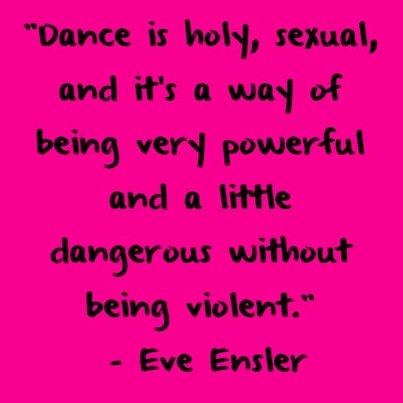
On Valentine’s Day last week, I helped host a One Billion Rising event in my town. Even though we didn’t have much time to prepare, we danced anyway. When I got home, I saw this quote on Facebook and thought it connected nicely with my Tuesday Tidbits theme this week:
vday

Tuesday Tidbits: Birthing Bodies

These Tuesday Tidbits all come from the Fall 2012 Pathways magazine. Pathways is a fabulous publication and the best replacement for Mothering magazine that I’ve found!
BirthontheLabyrinthPath_300x250-ad_2

…I get that some women want a particular experience of birth—I mean, I really get it now that I have had a birth that left me feeling more powerful, more humble, more focused, and more devoted to my lover than I ever thought I could feel.

But I wish American women were told the truth about birth—the truth about their bodies, their abilities, and the dangers of technology. Mostly I wish all pregnant women could hear what Libby Bogdan-Lovis, my doula, told me: ‘Birthing a baby requires the same relinquishing of control as does sex–abandoning oneself to the overwhelming sensation and doing so in a protective and supportive environment’…

–Alice Dreger in The Hard Science Supporting Low-Tech Birth

Next, in connection to my own series of posts on taking it to the body, I enjoyed Karen Brody’s article, My Body Rocks, in which she describes her experiences in a yoga nidra class, noting that when asked in class to let her intention come from her body, her reaction was:

My body? I was ashamed to admit that, after two powerful homebirth experiences, I no longer felt intimately connected to my body. Pregnancy and giving birth were all about every little feeling in my body; mothering felt like a marathon of meeting everyone else’s needs and rarely my own…Most days, the question I asked was, ‘How are their bodies?’ My body was in the back seat, unattended, without a seatbelt.”

With regard to my own body, I’m re-introducing my daily yoga practice, maintained since 2001 even through the births of my other two children and playing a significant role in my birth experiences, and yet released with reluctance during Alaina’s infancy. It is time to bring it back! On a related note, I have a neat prenatal yoga book/DVD to review and I watched it this week with Alaina practicing with me—when it instructed you to, “put your hands on your baby,” I put my hands on her! 😉

Speaking of toddlers, I’m wearing a little thin with toddler breastfeeding. I’ve commented to friends that some of the issues and annoyances and difficulties that I’ve previously associated with nursing during pregnancy are actually simply issues of nursing two-year-olds. She is rough, wild, pinchy, scratchy, and practically abusive. She’s nursing way too much at night and I’m tired! In the Pathways article A Natural Age of Weaning by Katherine Dettwyler (who rocks), she makes a point that I’ve always felt intuitively and yet haven’t really articulated in writing:
398124_10152413274040442_130771351_n

Another important consideration for the older child is that they are able to maintain their emotional attachment to a person, rather than being forced to switch to an inanimate object, such as a teddy bear or blanket. I think this sets the stage for a life of people-orientation, rather than materialism, and I think that is a good thing.

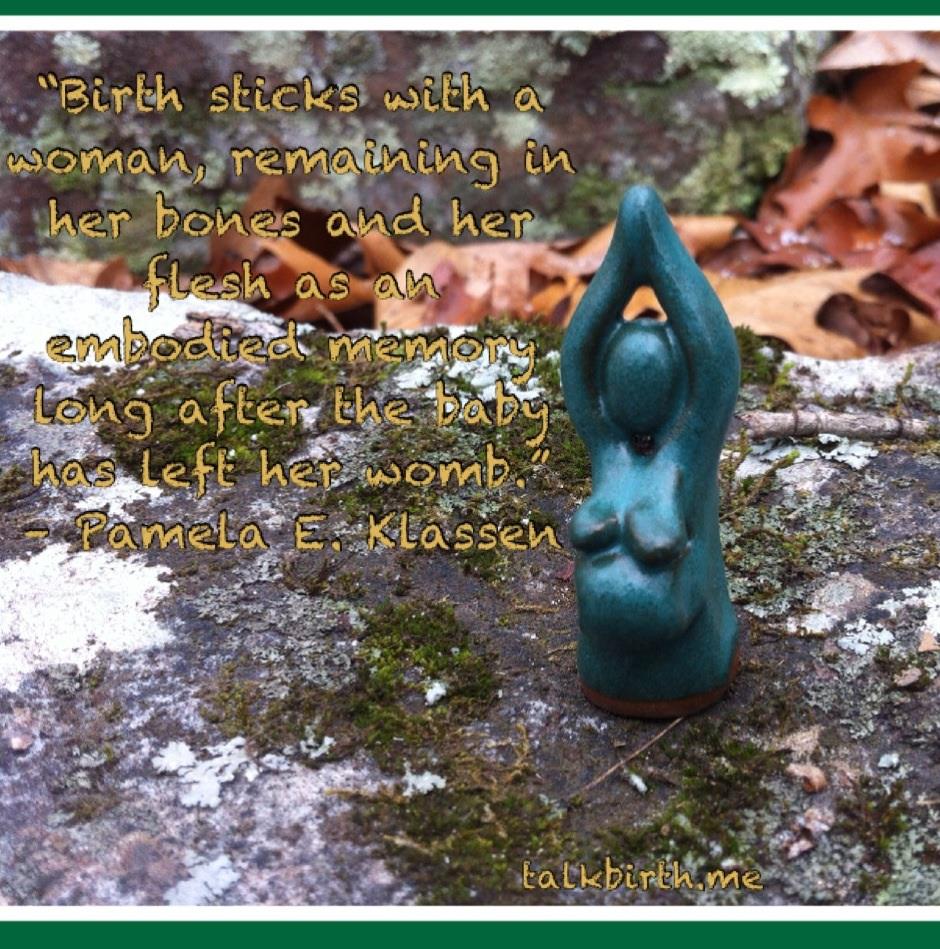
As I’ve said before, pregnancy, birth, and breastfeeding are all such embodied experiences—motherhood in general feels very much a physical commitment. Our relationship with our children begins in the body, it is through the maternal body that a baby learns to interpret and engage with the world, and to the maternal body a breastfeeding toddler returns for connection, sustenance, and renewal.

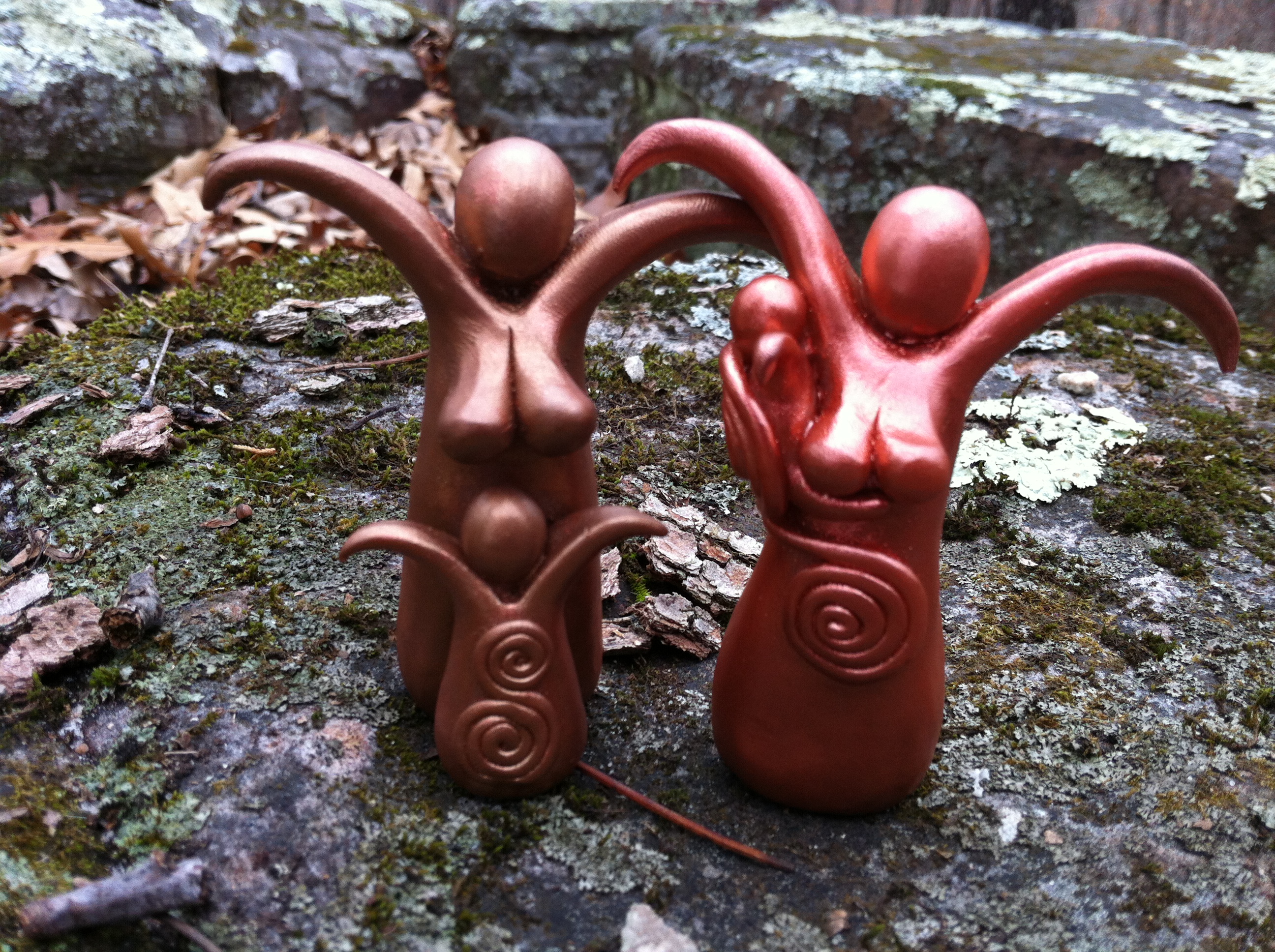
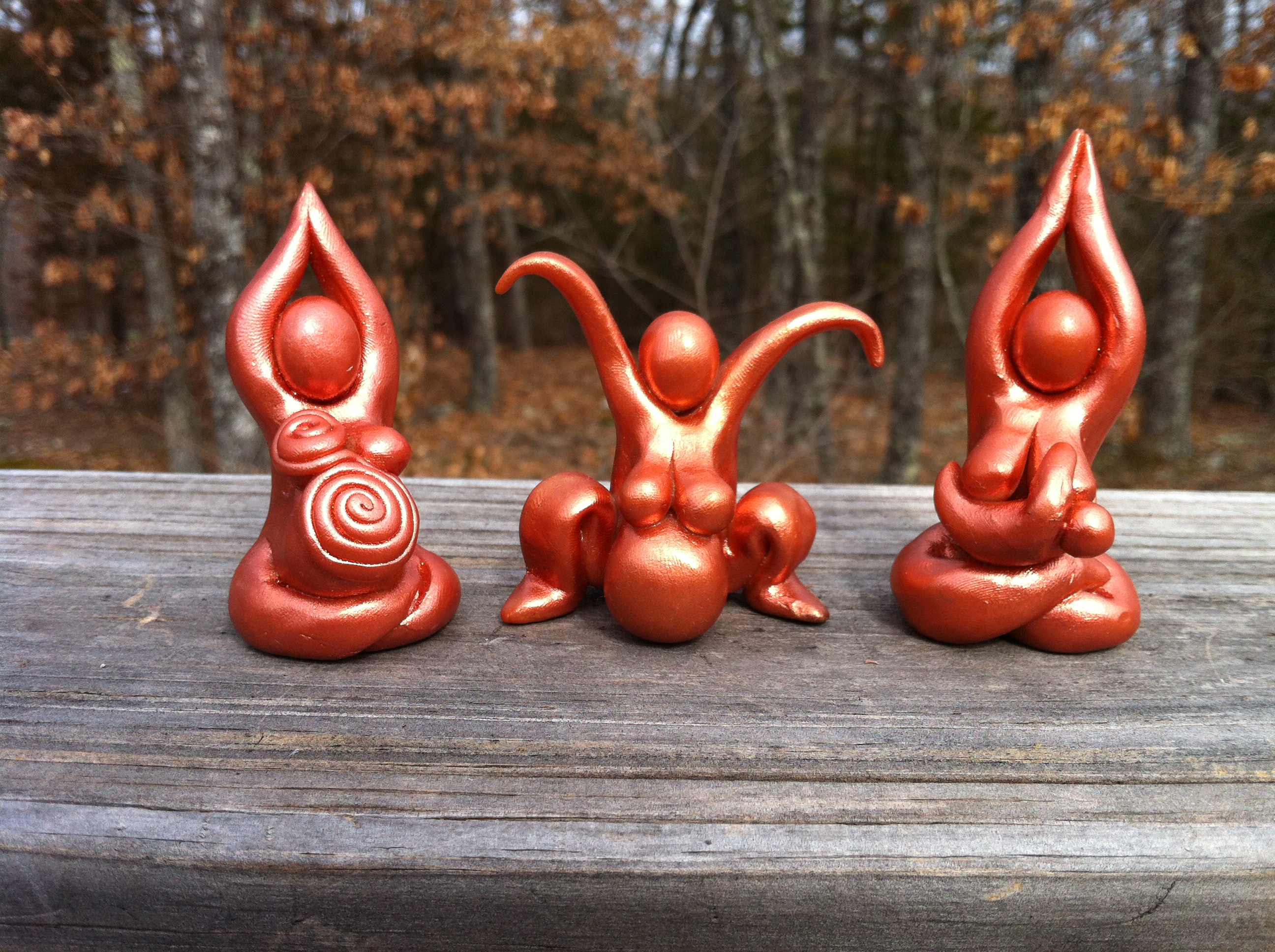
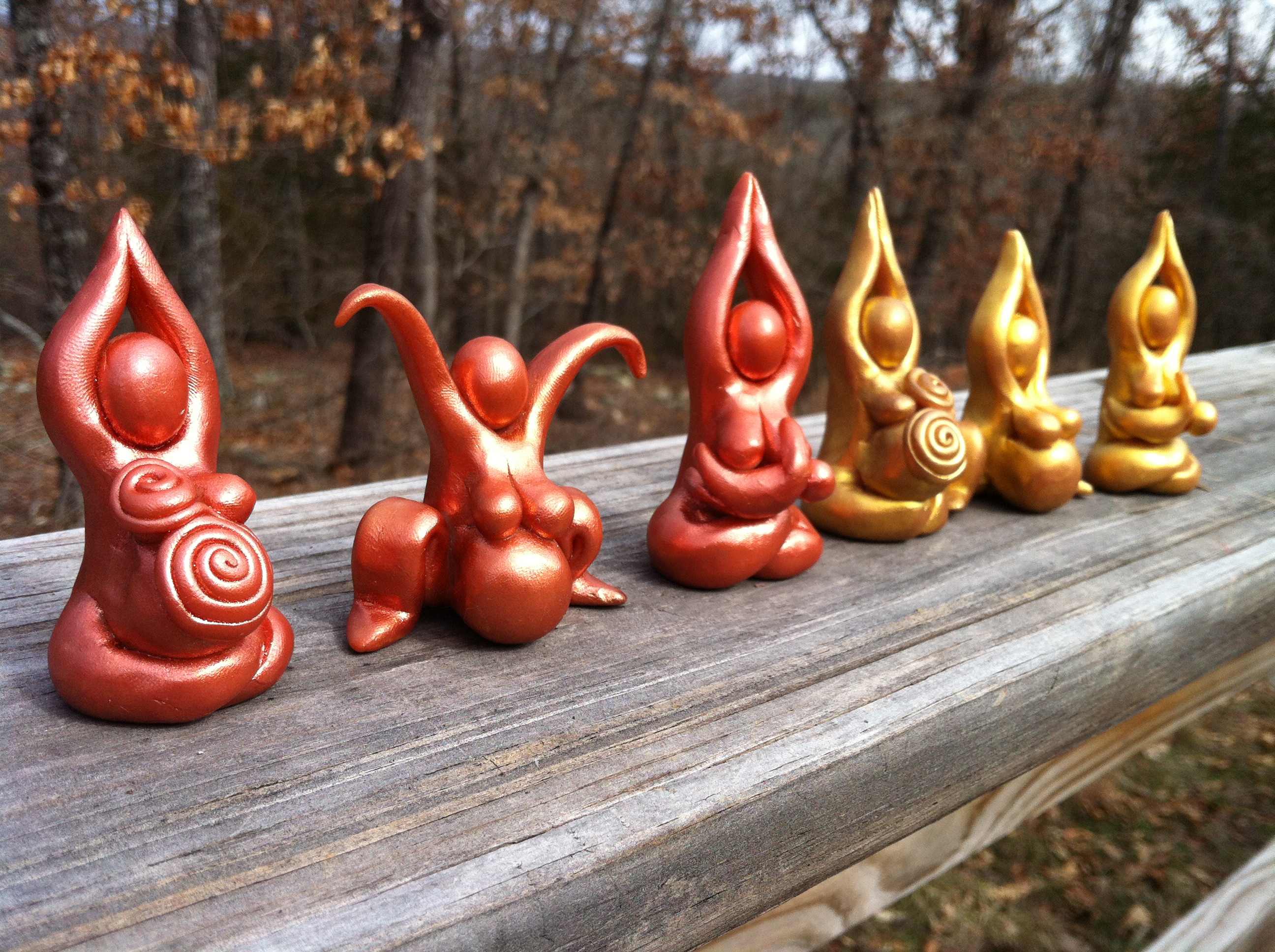
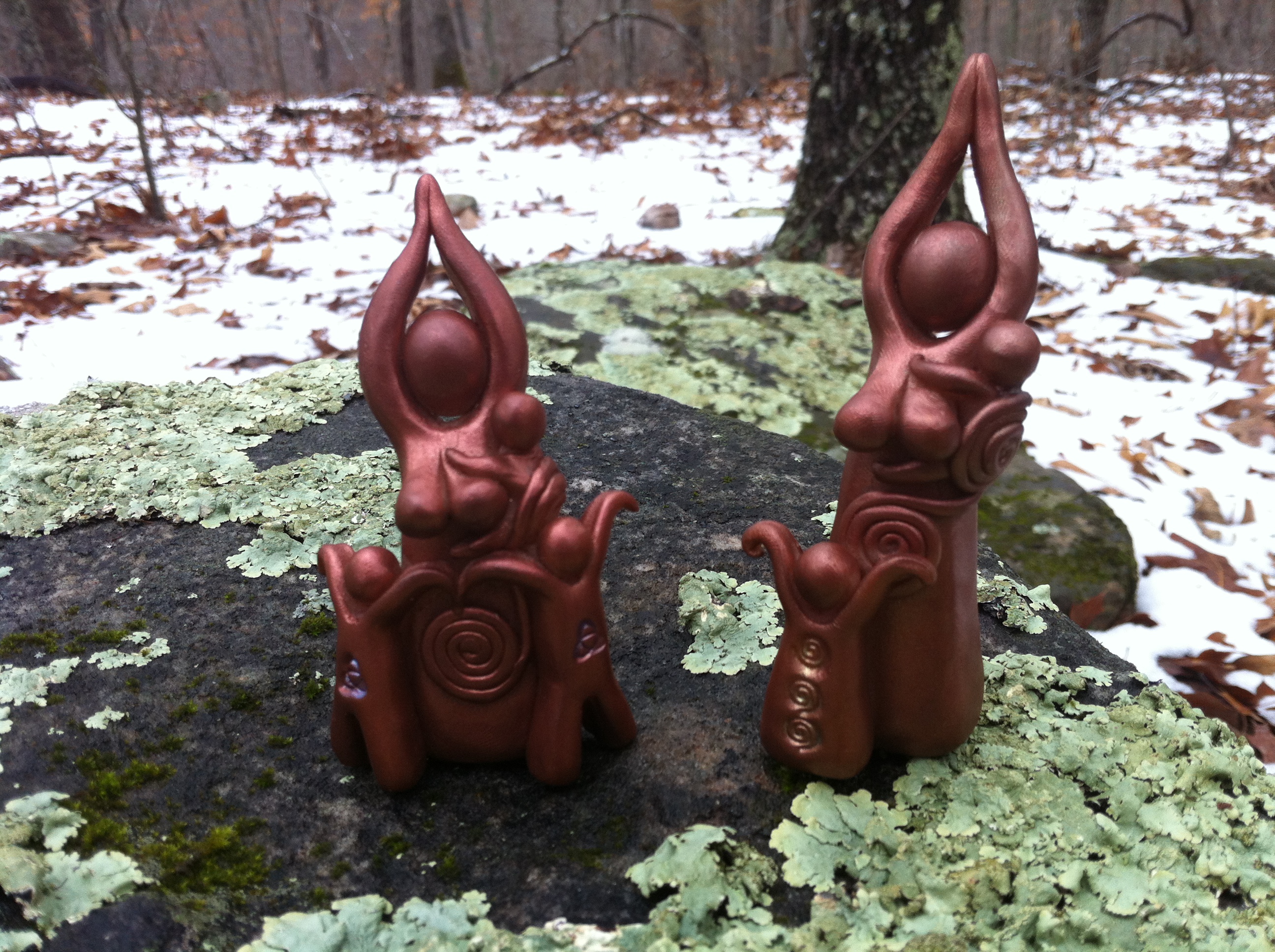
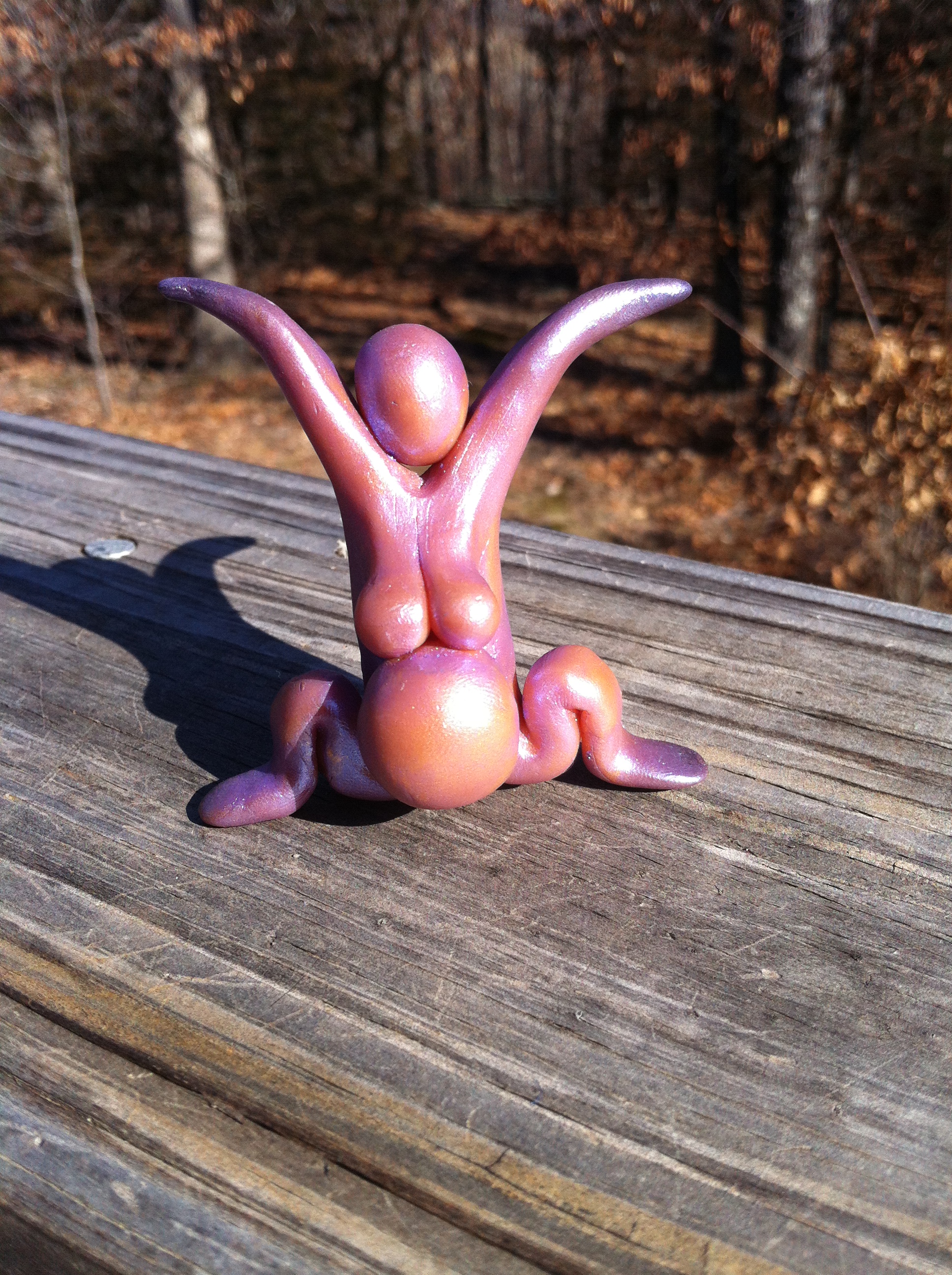
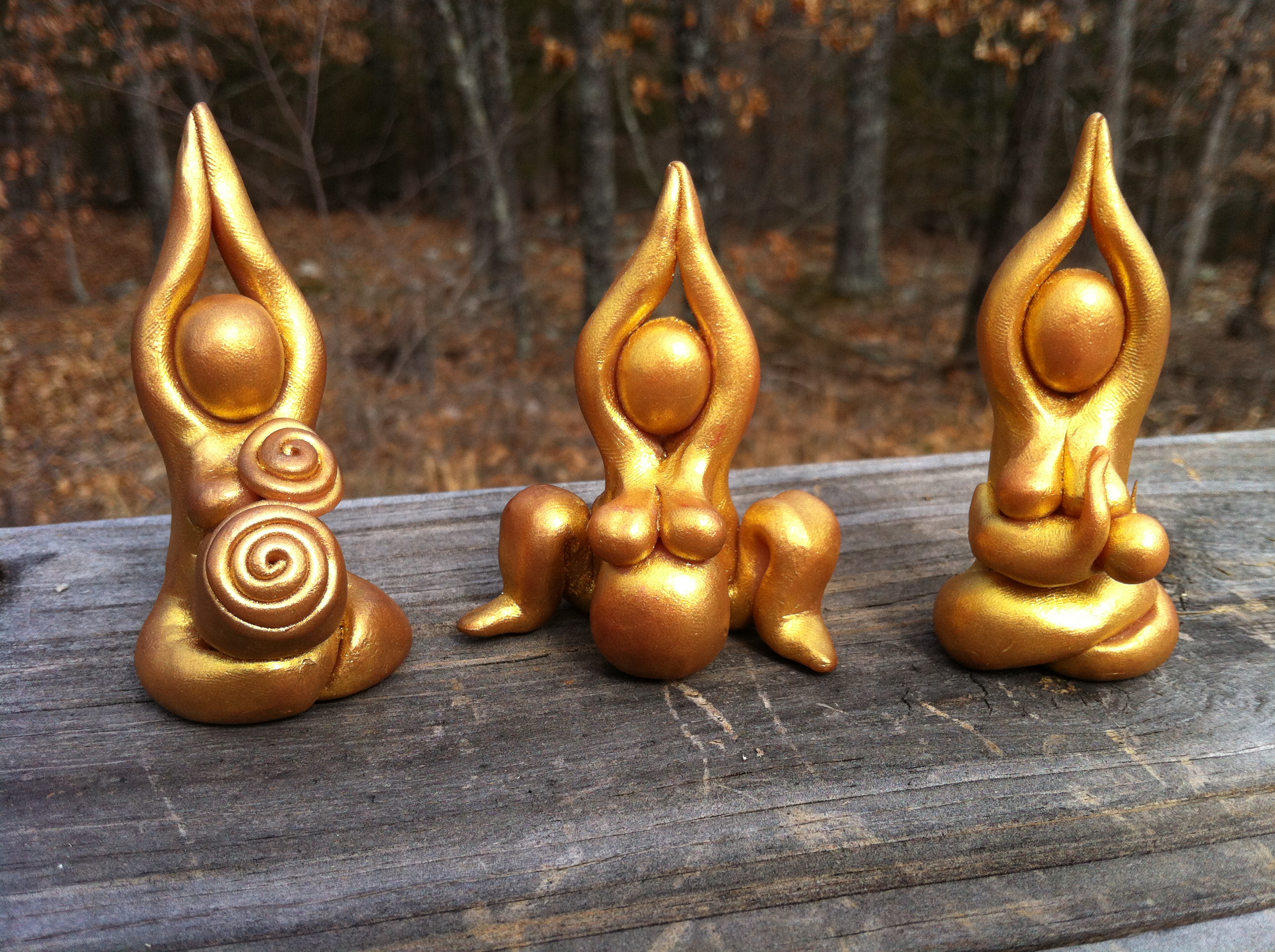
It is this embodied spirit of creation and connection I feel I draw upon and represent when I create my little birth art figures, a spirit that caught the attention of many on Facebook this week when I shared a photo of a series of four figures that I’d made as a custom order:

20130210-155705.jpg

I will write more about these in an upcoming post and I am now accepting custom requests, though there is already a waiting list! I did update my Shop page briefly with some already made figures that I have available though.

Introverted Mama

This post is excerpted from one written in response to the current Patheos Book Club exploration of the book Quiet: The Power of Introverts in a World That Can’t Stop Talking. I previously wrote a post for my blog about Quiet and then built on that post for my book club post. The previous post is here and my new additions are below…

I really enjoy being around people and I’m friendly and social, but on the flip side I feel very drained after people contact and need time alone to recharge. I find I am restored by being alone and drained by being with others (even though I like them!), hence I would self-label as an “extroverted-introvert,” “ambivert,” or social introvert. By definition it isn’t that extroverts “like people” and introverts don’t like people, it is a difference between whether they are fueled or drained by people contact. However, I’ve observed that people seem to make an assumption that being introverted means someone is “shy” or “doesn’t like people,” so that’s why I would choose extroverted-introvert for myself. I recently took a week-long retreat from Facebook, email, social media, and reading articles online. I did this primarily to silence the digital noise in my life (see some good explorations of why you, too, may be an introvert in this article: “Noise” Got You Down? Maybe You’re an Introvert).

Once I starting thinking about this book, Quiet, I was amazed at the connections I uncovered with how my introverted personality is expressed during pregnancy, labor, and birth. This was actually the very first time I’ve made the connection between my own birthing preferences and my introvert nature, that finds such renewal in solitude and craves silence.

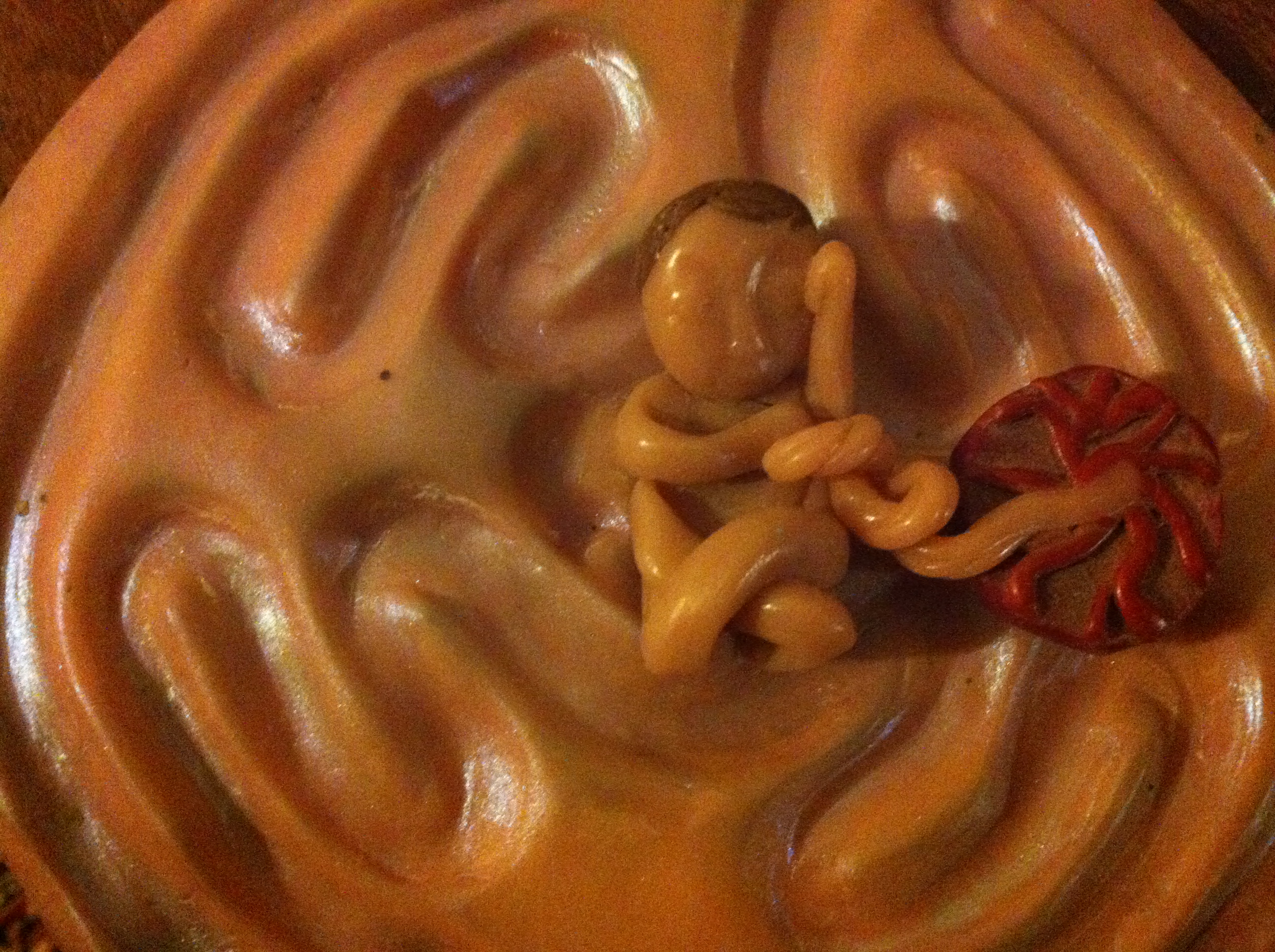
Labyrinth of pregnancy pre-birth sculpture.

Pregnancy—towards the end of pregnancy I feel an inward call. I start wanting to quit things, to be alone, to “nest,” to create art, to journal, and to sink into myself. Nothing sounds better to me in late pregnancy than sitting in the sunlight with my hands on my belly, breathing, and being alone with my baby and my thoughts.

Labor—during my first pregnancy, the very first thing on my birth plan was “no extraneous noise.” It was really essential to me to labor without beeping, chattering, or questions. This birth room silence, in fact, was SO essential that it was one of my only requests for my second labor—no unnecessary talking. I can talk during labor, I talk a lot in fact, but I don’t want people around me talking. I want silence. My epiphany as I thought about the Quiet book was that this is why. I’m an Introverted Mama. I know many women are very nourished by the presence of supportive and loving family members and friends during their labors. They express wanting to be encircled by support and companionship. For me, I like to cut my birth attendants down to only the very most essential companions (and they’d better be quiet!). And, this leads me to…

Birth—after my first birth, in which I’d had the loving and supportive accompaniment of my husband, my mother, my best friend, my doula, a midwife, and a doctor, one of my most potent longings for my second birth was as few people present as possible. And, indeed, for this second labor I had my husband alone present for the first hour of a train ride of a two-hour labor, my mother and toddler son present for about 30 minutes and my midwife who walked in as my son’s head was crowning. For my last birth, I wanted even fewer companions, spending the bulk of the labor alone with my husband and later calling in my mother. When my daughter was actually born, I was the sole witness to her emergence as she slid forth into my grateful hands in one swift spontaneous birth reflex just as my mother stepped into another room and my husband was moving from behind me around to the front of my body. Shortly after her birth, my doula arrived to provide amazing postpartum care and my midwife came shortly after that to assess blood loss and to help with the placenta. This was the perfect companionship arrangement for an Introverted Mama. My older children were pretty disappointed not to be present, but I need solitude in birth and I heeded that call.

324

Postpartum—I am firmly convinced of the critical importance of planning for a postpartum “nesting” time or babymoon, in which parents can cocoon privately with their new baby in the solitude of their own home. I only now came to realize that perhaps this is Introverted Mama talking! I’ve spoken to other women who say that getting out and seeing people was really important during their own postpartum time. I’ve maintained for ages that this is probably culture talking (“get back to ‘normal,’ prove how capable of a mother you are,” etc.), and not what the tender new motherbaby most needs, but perhaps my preference is largely a function of personality. There is nothing better for me than spending at least four weeks nested at home with my new baby and my immediate family, no long-time visitors, no phone calls, little email, and no travel, visiting, or responsibilities. Ahhhh….babymoon bliss.

Breastfeeding—in the early days, weeks, and months of breastfeeding the symbiosis of the nursing relationship is so complete that the baby becomes a part of me. A newborn does not “disturb my peace” the way toddlers are wont to do. I especially feel this interdependent connection during nighttime nursings, in which the harmony with the baby feels complete and total and a peace like little else.

Toddlerhood and Beyond—Oh dear, now is when “no time to think” starts to wear on Introverted Mama’s nerves and stamina. I’ve met some awesome mothers of large families who comment on how they, “love the chaos” of home with lots of children. “Our house is wild and crazy and full of noise and I love it,” they may be known to say. Thinking of how desperately I crave silence and solitude, sometimes with an almost physical pain and longing, I feel inadequate in comparison to these declarations. Is this too simply a function of personality? Can these chaos-thriving mamas be extroverts who gain energy from interaction with others? I find that my own dear children, my own flesh and blood and bone and sweat and tears, still feel very much like “company” in terms of the drain on my energy that I experience. Whether it is socializing with a group or friends or spending the day with my energetic, loveable, highly talkative children, I crave time alone to recollect myself and to become whole once more. I once commented to my husband that I feel most like a “real person” when I’m alone. That means that the intensiveness and unyielding commitment of parenting can be really, really hard on me emotionally. Maybe it is okay to “own” that need for quiet, even as a mother, rather than to consider it some type of failure or an indication of not being truly cut out for this motherhood gig. (See more in a past, lengthy, navel-gazing post on why I need my “two hours”.)

How do you experience (and honor) introversion in your life as a parent? Sometimes I feel like being an introvert and being a mother are not very compatible, but as I learn to respect my own needs, to speak up for myself, and to heed that call for silence and solitude, I realize it is compatible after all. My children have two introverted parents and will hopefully grow up feeling confident in the knowing that there is profound power in being quiet, in taking time to think deeply, and to respond to the call of solitude if it comes knocking at the door of their hearts.

It is only when we silence the blaring sounds of our daily existence that we can finally hear the whispers of the truth that life reveals to us, as it stands knocking on the doorsteps of our hearts.

~ K.T. Jong (via Kingfish Komment)