Archives

Tuesday Tidbits: Mothers and Work

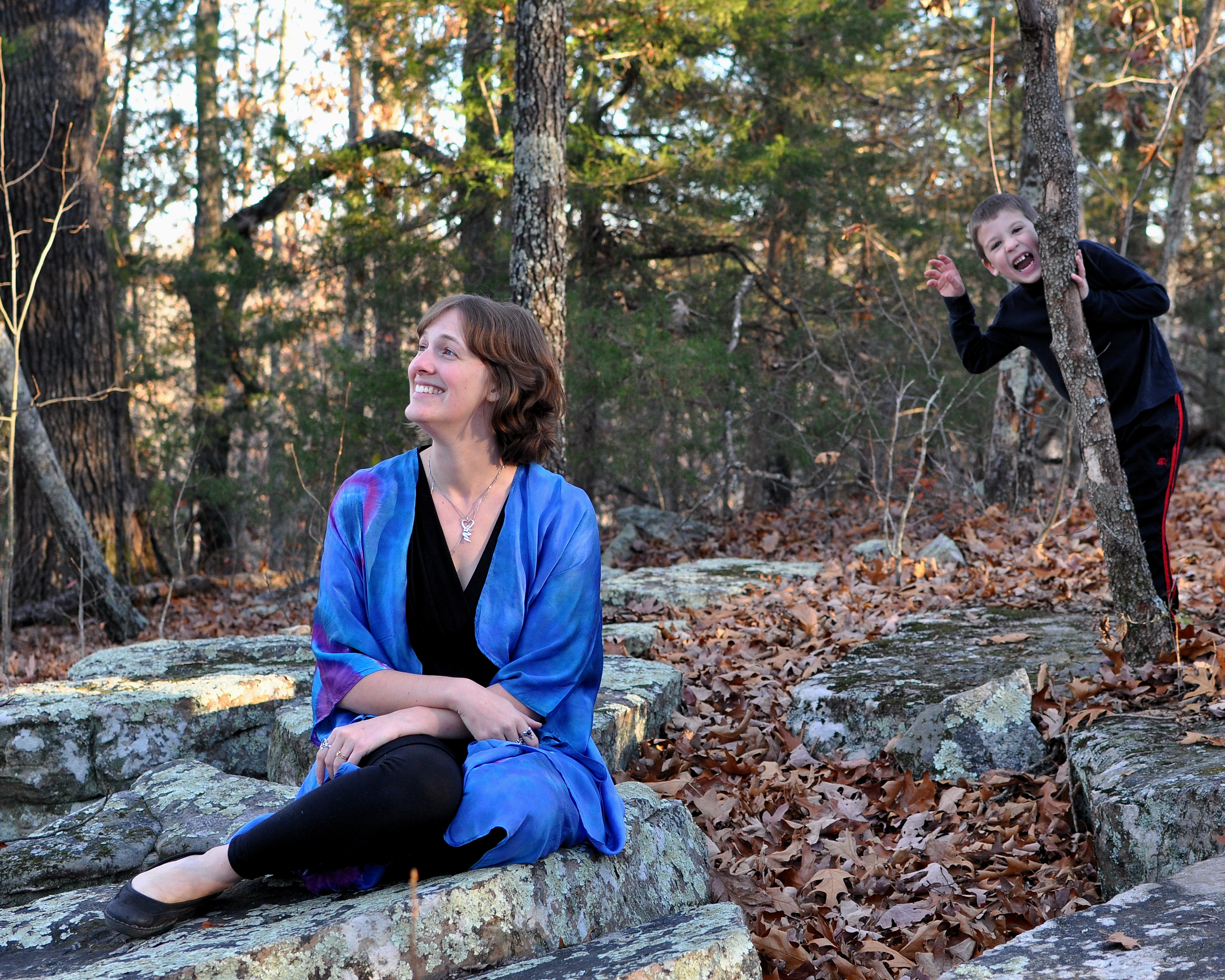
MollyNov 085

One of the best pictures I have of the “mothering” while “personing” experience!

“I’m winging it every day, praying, surrendering, steeping myself in grace by any means necessary. I grapple with finding my own integrity, to trust the path that I have chosen, to believe that I am mothering well, that I can claim for myself a belief in my own goodness.” – Elizabeth at Mothering with Soul

“Giving birth to a new life is about so much more than just the moment itself. The power of finding your strength as a woman through birth resonates for the rest of your life. It shapes you as a person, and as a parent.” ~ Gina Sewell

I want to say first that I believe, as the organization Mothers and More does, that all work that women do, whether paid or unpaid has social,  political, and economic value. In my own life I don’t distinguish between what I do for money and what I do as a volunteer, but that is partially a function of privilege, because I love all of my work and choose freely to do it. I recently finished reading the book The Art of Family and in it the author makes a point that I’ve made in various posts as well, mothers have always “worked,” it does no good to try to distinguish between “working mothers” and “stay-at-home mothers,” because the difference is much more fluid and alive than a category can hold.

FOUNDATIONAL TO A LASTING FAMILY is acknowledging that we will be many things to each other for our whole lives, even past death. We can abandon the old fears that family life will smother us and instead go after fully practicing ourselves in the presence of partner and children. In short, making a family is the best way to present ourselves, to stake our claim to a spot on earth. But “practicing ourselves’’ in front of our family, what does that mean? To give the essence of ourselves to our children is not necessarily dependent on the amount of time you spend with your children. Here, we must recast the debate over moms who work and those who stay at home with children. This is one of those divisions that turn up damned if you do, damned if you don’t, because it is a false one from the start. First, mothers have always been “at work,’’ whether farming, spinning, pioneering, running cottage industries, or investment banking. In history, women have always, of necessity, worked for the welfare of their families, some even forced to leave their children behind to find ways to sustain them. Imagine that pain, next time you come home late from the office.

The real issue with at-home moms and working moms is the struggle for identity. Having children is the most identity-challenging and identity-changing thing women do—starting with pregnancy, when even your body gets an identity change. That should be our first big clue. But we are terrified to face it. Who wants to watch your identity evaporate, which is what having children often feels like? Identity isn’t about societal roles, either, though the ones we get stuck with can be more burden than help to us. In fact, if we allow societal roles to determine our identity, we are not really in control, we are accepting a series of masks. We have to ask ourselves the hard questions: Who would I be without this job, without this kid, without this income, without this education?—getting at the core of who we are. This is a work we must do solely on our own, and it is excruciating work. But no human gets out of it, not even mothers. Babies make you ask, “Well, who am I now?’’ Though it is currently hot in intellectual theory to say we are nothing but social and cultural constructions, this is not a spiritual truth. Identity is something you build relationship by relationship, not role by role. Families, especially at the young-children stage, are not the pause button pressed down on who you are and what you want to pursue. Yes, we may have to put off finishing that degree, taking the promotion that requires weekly travel, writing that screenplay, or finally learning French, but those things weren’t going to make you you anyway. Your relationships make you who you are, because they give you a chance to actually manifest yourself, which is what you really believe in. We fill up what we do with who we are. What we do can never fill us up.

Gina Bria (2011-11-28). The Art of Family : Rituals, Imagination, and Everyday Spirituality (pp. 8-9). iUniverse. Kindle Edition.

This notion is also explored in an article I enjoyed from Mothering:

“…Women a few hundred years ago worked their butts off every day helping their family survive. They planted and harvested, killed and prepared their own food. The children either watched younger children, played (often unsupervised) or worked right along side them. Women who had to work outside of their home had other people or family members care for their children while they cared for others. The wealthiest women probably had other paid servants care for their children much of the time. Children played with other children. Children worked. Children solved some of their own problems and they found things to do…”

The Benefits of Ignoring Children (Sometimes) – Mothering Community

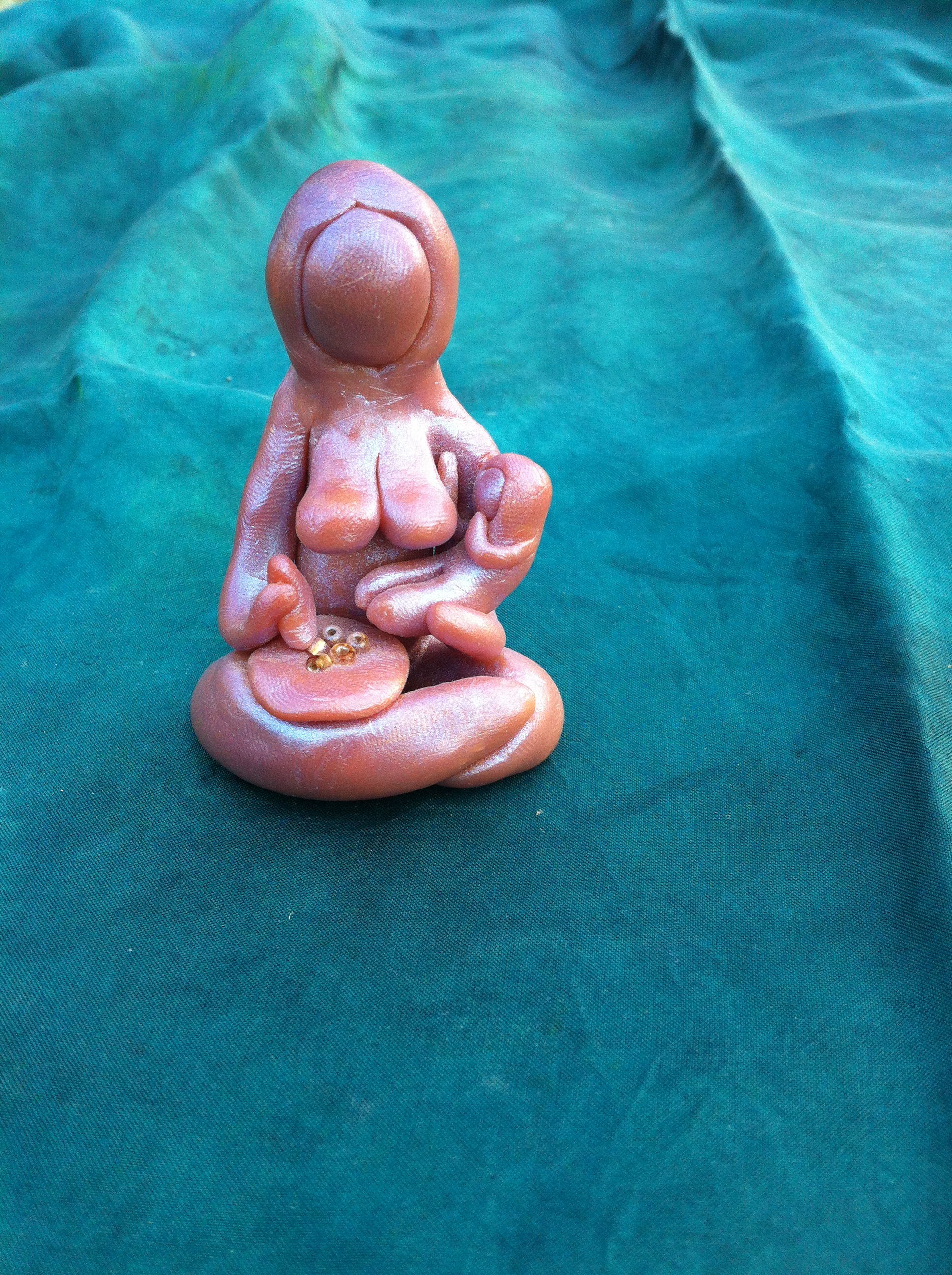
Personally, I refer to this as “grinding my corn”:
Nov 2012 042

Grinding my corn sculpture from several years ago.

I want to be with my children, but I wish to be engaged in my own pursuits at the same time. When our lives feel happiest and most harmonious is when exactly this is occurring—when we are all together, but each working on our own projects and “doing our own thing.” I envision a life of seamless integration, where there need not even be a notion of “life/work” balance, because it is all just life and living. A life in which children are welcome in workplaces and in which work can be accomplished while in childspaces. A life in which I can grind my corn with my children nearby and not feel I need apologize for doing so or explain myself to anyone…

I just want to grind my corn!

Returning to the issues of identity raised in the quotes from The Art of Family, the question is explored beautifully in the article Beautiful Catastrophe: The Death and Rebirth of Becoming a Mother:

You were twenty, twenty-three, thirty, thirty-five. You were free and young and somebody else.

We were free and young and somebody else.

But now, we’re mothers.

At some point the reality will hit us: We are never alone again, no matter where we are, and we are the only ones in the world who have become this person toward this child.

I’ve been the same woman my whole life. What about her? Where is she? Is she just dead?

Yes, she is just dead.

Does that seem harsh? Well, it is. So is motherhood.

Perhaps we can soften this whole thing by saying our identities are “transformed,” or we are “forever changed,” but the fact of the matter is that the woman you once were is gone, and she will never come back.

Period.

I also recently finished reading the anthology The Maternal is Political and in it Jennifer Margulis (later birth writer of the new book Business of Baby) says:

Jame’s working full time and my staying home wasn’t working. My working full-time and James’s staying home hadn’t worked either. We both wanted to be with our children. And we both wanted to work (something I was only able to admit once I tried being a full-time mom). But neither of us wanted to do one or the other exclusively.

–Jennifer Margulis April 2013 002

This is what we are working towards for my husband and me, hopefully this year. I think we both deserve to be home with the kids, I think we both also have other work that is valuable to pursue. I envision a life of seamless integration of our various roles and passions–all of us. We have a family mantra: “our family works in harmony to meet each member’s needs.” 🙂

“Is there one single aspect of motherhood that isn’t political? From conception to graduation, from your kid’s first apartment until you die, it is basically one political decision after another…” –Rebecca Walker

Also in The Maternal is Political, Beth Osnes writes about Performing Mother Activism (she has a one woman show) and I love her analogy of care being like a loaf of bread…

I go on with scenes that tackle the onslaught of societal expectations and repressive forces that creep into a woman’s life once she becomes a mother: “it happens one day. You find a large parcel on your front porch. You open it to find the status quo being delivered to you…well, actually, the status quo manual…” I go on with scenes that lambaste the fearmongering that goes on in our government and media: “The status quo wants you to dumb down, mother. It will tell you who to trust and who to fear.” I remind mothers that we must think for ourselves: “I say rage, mother. Do not go gently into that good night. Rage, rage, against the dying of your light.”

I have also stopped expecting that caring needs to be a whole and perfect project, like an unsliced loaf of homemade bread. I am April 2013 009coming to accept that, at least for me, caring about the world is more fragmented, much more like a store-bought loaf that splays open as soon as you open the bag. Here’s a slice of caring about antipoverty legislation, here’s one of caring for my three-year-old with the flue, here’s a slice of caring for victims of our country’s warring and, whoops, here’s even a slice of caring about my curtains. I have stopped imagining that caring is pure and unselfish; many people, including me, fashion their identities out of caring, whether for kids or for the world. Still: Bread is bread, and caring is caring. Whole or broken. Homemade or purchased. Consumed or given away.

I’m also learning that social movements will go on, even if nursing mothers or parents of toddlers have to drop out for a while. We will be back,someday, maybe when the youngest turns two or whenever we can again afford to dream like activists, rather than work like dogs. We may be more distracted than before, less available…But when we return, we will give a break to someone else who needs it—like those erstwhile college students who may be finding that carting babies to marches is harder than they anticipated.

And when we do rejoin the movement, it is possible that we will agitate and march and advocate from a deeper place within ourselves than we had known existed. It is possible that we will act from that cavity our children have hollowed out of us, that place where breath begins.

–Valerie Weaver-Zercher

And, as a lovely closing tribute to all women and all their work, remember this…

Mothers — you are powerful. Stand tall. You are full of grace. Stand tall. Join together and stand tall. Be as a Redwood tree. Stand April 2013 028tall. If you have stood next to a Redwood tree or seen photos of one, you will notice that they do not grow alone. They grow in groves with all of the trees connected together, even if they appear to be separate. Their shallow roots form a web that holds these big trees up in the wind. Redwoods do not fall very often. We can emulate those trees, mothers. We can hold each other up.

We may feel alone at times, but believe me and remember: You are being supported underneath the surface of where you live. Right beside you there is somebody thinking about you and supporting you whether you know it or not. Think of all the mothering that goes on in life. I have found in my life that it comes sometimes when you do not expect it and from someone you do not realize has your back. Someone in your root system seems to know that you need something. Women have a natural mothering instinct if they just listen to it.

Stand Tall

Other past posts about mothering and working:

The tensions and triumphs of work at home mothering

Guest post: working/parenting interview

The Ragged Self

Surrender?

April 2013 020

Tuesday Tidbits: Cesarean Awareness Month Round-Up

motherbaby

April is Cesarean Awareness Month and a lot of great resources have been catching my eye! First, there is a free webinar about the “Natural Cesarean” coming up on April 11th.

If you’re a first-time parent, make sure to check out 10 Tips for Avoiding a First-Time Cesarean from Giving Birth with Confidence. This blog also has a response to the question of Are “Big Babies” Cause for Cesarean? 

And, of course, also check out ICAN’s blog for an ongoing collection of Cesarean Awareness Month related posts as well as helpful cesarean awareness information on a year-round basis.

Science & Sensibility offers a great round-up of resources for clients and classes with regard to cesarean births, cesarean rates, and cesarean prevention: April is Cesarean Awareness Month! Resources for You and Your Classes

One a related note, Science and Sensibility also has a two-part series of posts analyzing the role of doulas in reducing cesareans for mothers using Medicaid:

Medicaid Coverage for Doula Care: Re-Examining the Arguments through a Reproductive Justice Lens, Part One

More fundamentally, however, we argue that doula benefits cannot be captured solely through an economic model.  Neither should doulas be promoted as a primary means to reduce cesarean rates.  Both strategies (economic benefits and cesarean reduction) for promoting doulas have significant barrier.

Medicaid Coverage for Doula Care: Re-Examining the Arguments through a Reproductive Justice Lens, Part Two

However, greater attention needs to be paid to issues of privilege and oppression within the doula community at large.  Advocates need to consider how the prioritization of the cesarean rate as a primary research or policy issue reflects a certain level of unexamined privilege. For those facing spotty access to health care, cultural and linguistic incompetence in care settings, the detrimental effects of the prison industrial complex and the child welfare system on families, and the effects of poverty, racism, and/or homophobia in general, there are other, perhaps equally pressing concerns surrounding childbirth than over-medicalization. Certainly, unnecessary cesareans and over-medicalization are detrimental to everyone, but we need to understand how the effects of these problems play out differently for differently situated people and not limit advocacy to these issues.

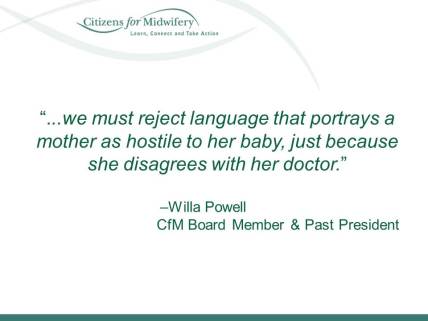
When I consider coercion into unneeded cesareans, I think of my own post addressing the flawed notion of Maternal-Fetal Conflict and from these earlier thoughts, I created the little graphic for Citizens for Midwifery seen above.

I think it is fitting to remember that mother and baby dyads are NOT independent of each other. With a mamatoto—or, motherbaby—mother and baby are a single psychobiological organism whose needs are in harmony (what’s good for one is good for the other).

As Willa concluded in her CfM News article, “…we must reject the language that portrays a mother as hostile to her baby, just because she disagrees with her doctor.”

via Maternal-Fetal Conflict? | Talk Birth.

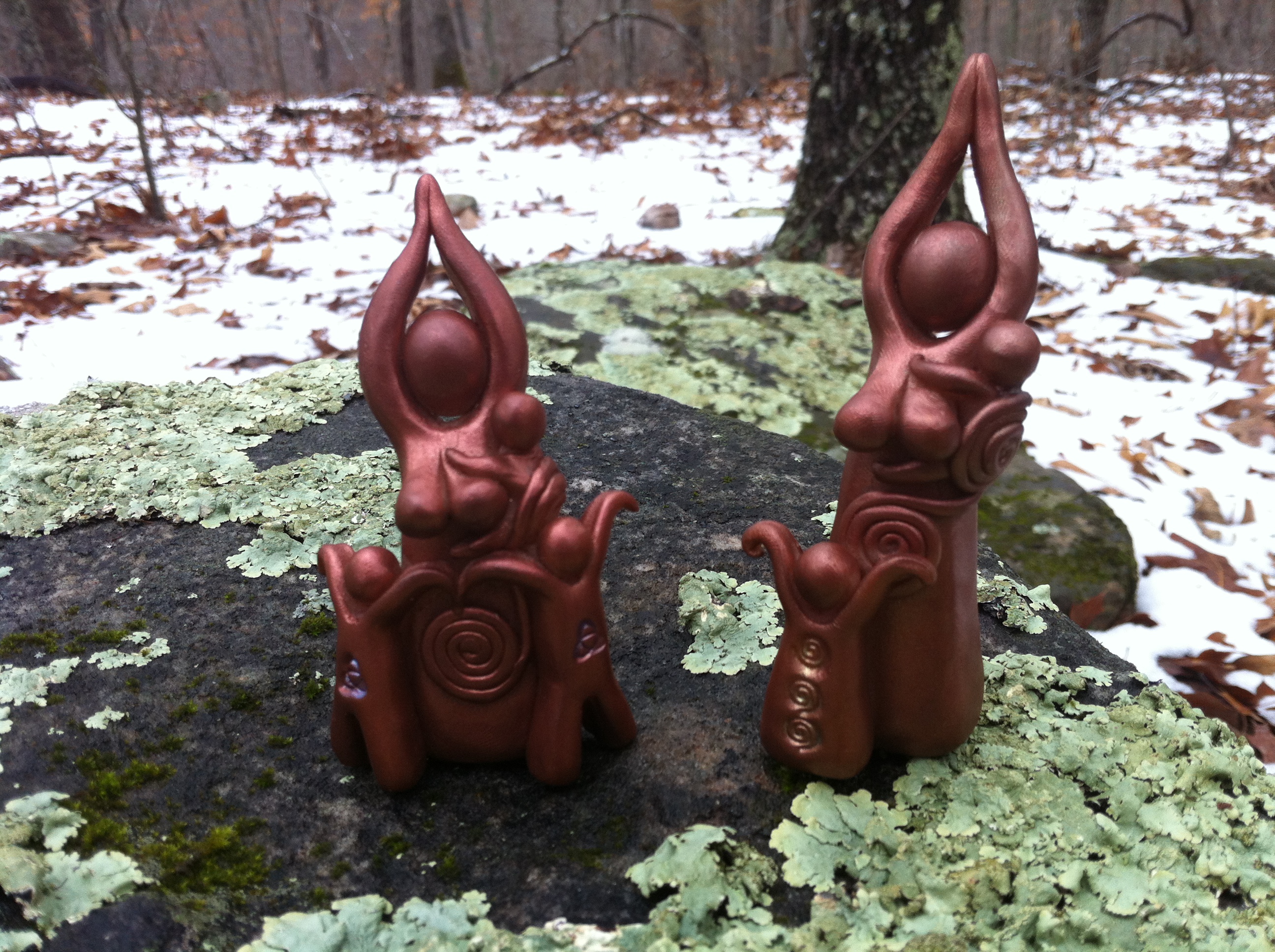
I was honored recently to make a series of sculptures for mom recovering from a traumatic cesarean and hoping for a VBAC in the future. I hope to make a more detailed post in the future describing these figures and what they’re trying to communicate!

March 2013 070

I dug into the archives and found some older posts either about cesareans or relating to cesarean prevention:

Book Review: Understanding the Dangers of Cesarean Birth

Cesarean Awareness Month

Cesarean Trivia

Cesarean Birth in a Culture of Fear Handout

Guest Post: Abuse of pregnant women in the medical setting

Becoming an Informed Birth Consumer (updated edition)

The Illusion of Choice

ICAN Conference Thoughts

Helping a Woman Give Birth?

Tuesday Tidbits: Parenting, Help, and Early Motherhood

From The Doula Guide to Pregnancy and Birth’s website (book previously reviewed here), I learned about an upcoming free childbirth and parenting virtual conference. I keep signing up for things like this and not really “finding time” to actually participate in them, but this one looks like it has a pretty amazing line up! Making time to READ something is almost always possible for me (though I have a backlog there too), but making time to listen to or watch something just never seems to actually happen. I wonder if I’ll ever stop signing up for them though–so alluring, so intriguing, so free…and yet, then I get daily emails about the call/talk for that day and feel a nagging sense of “guilt” (or something) for not participating and also like I’m “missing out.” An exception is the Life Balance calls Renée Trudeau used to do from her book The Mother’s Guide to Self-Renewal. I did make time for those and never regretted it! 🙂 (I should get that book back out again.)

Thinking about parenting and self-care and help brings me to several other posts that I’ve enjoyed recently:

To parents of small children: Let me be the one who says it out loud

There are people who say this to me:

“You should enjoy every moment now! They grow up so fast!”

I usually smile and give some sort of guffaw, but inside, I secretly want to hold them under water. Just for a minute or so. Just until they panic a little.

If you have friends with small children — especially if your children are now teenagers or if they’re grown – please vow to me right now that you will never say this to them. Not because it’s not true, but because it really, really doesn’t help.

The reason I liked this acknowledgement is because it is so true that they grow up so fast. It hurts my heart how fast. However, in the moments in which people choose to make this comment or when it is used against yourself or against others as a way of shaming or guilt tripping, it really, really doesn’t help. One comment on this post says, “I hear the first 40 years of parenting are the hardest.” 😉

And, speaking of things that DO help, actual help from actual people helps quite a lot. As a work-at-home mother that blogs, I particularly enjoyed this post from Girl’s Gone Child:

Girl’s Gone Child: Help is (not) a Four-Letter Word

So what’s this big secret we’re trying to keep and who do we think we’re fooling?

And what is it doing to people who read our blogs and books and pin our how-tos and think that all of these projects are being finished while children sit quietly on the sidelines with their hands in their laps.

What is it doing to you?

We write disclosure copy on posts that are sponsored, giveaways that are donated. We are contractually obligated to label and link but where is the disclosure copy stating how we work from home with small children?…

We have help, that’s how!

My help is naptime (quickly fading!), Minecraft, and grandparental cherishment (one mile away, two hours a day = good for kids, I hope good for grandparents, and great for mom!)

And, speaking of blogging, last week Talk Birth hit 400,000 hits. I celebrated by posting this on Facebook:

“Women around the world and throughout time have known how to take care of each other in birth. They’ve shown each other the best positions for comfort in labor, they’ve used nurturing touch and repeated soothing words, and they’ve literally held each other up when it’s needed the most…” –The Doula Guide to Birth

And…they’ve gone looking for support and information on the internet too. Talk Birth hit 400,000 hits today! Woohoo! Thanks, everyone 🙂

I very much enjoyed this quote that I saw on Facebook this morning:

561196_522097027840366_343300980_n

I just finished reading the book The Art of Family and she addresses this tender transition in a way that also felt familiar to me from my own experiences:

What new parents lack most is perspective. They have no idea how fast they are to be catapulted through these early stages. How can they have a perspective of speediness when the nights are endless? It seems apparent to everyone as soon as the baby arrives that this is it—right now is what parenting looks like, and it looks pretty bad. It is a terribly tender, fragile time, akin to sex for the first time. Your first experience at parenting will haunt you in the same way.(emphasis mine)

Yes! I’ve written a lot about my postpartum experiences and I do feel “haunted” in some ways by my introduction to the parenting journey and the process of being forged into a mother. The author goes on to muse that perhaps it is more difficult to parent a boy first (as I did)…

But I had a philosophical breakthrough. Luckily I had a girl first, otherwise it might have taken me a few more years to work through to it. Forgive the tangent, but I have often wondered about the differing routes into parenthood, either having a girl first or having first a boy. Random accounts I have collected tend to confirm the easier route for moms is having a girl first. In part, I wonder if this reflects, as one mother stated, “With a girl I felt immediately in the driver’s seat. I knew all about being a girl.’’ Having a boy first, moms tend to talk about the strangeness of having a truly “other’’ little creature in their care and especially the fear of unintentionally emasculating a son.

And, she takes a look at something that, while not uplifting, was something that I also experienced very clearly in my first months of mothering…

These are, of course, just more thoughts to muse over in the rocking chair. Rocking, rocking, I kept thinking, “But if I am investing my total self in her so that she can take off and fly and reach her full potential, what happens when she becomes a mom, cut down in midflight, so to speak? It can’t be that I am pouring myself into her so that she can turn around and sacrifice herself to her children. Hey, what about my mom—what does she want for me? Was she secretly raising me just to reproduce? Is there life for me past parenting? It has to be that I’m worth more than the second I give birth and the rest of the time I’m downsized to slave.’’ Oh, yes, parenting is slave labor, but only for the opening act, and it’s a long, long play. Once I got a hold of the possibility that being a mom meant staying personally alive through all this, I got some relief from the voice, “It’s Over. My life is Over,’’ whimpering in my head…

–Gina Bria (2011-11-28). The Art of Family : Rituals, Imagination, and Everyday Spirituality (p. 159). iUniverse. Kindle Edition.

I really felt “deconstructed” by early motherhood and often found myself thinking thoughts of this type. I also used to pace around the house with my cranky son in a sling crying and singing, “who am I, I’m Lannbaby’s mama, who am I, I’m Lannbaby’s mama,” over and over again.

The “agony and the ecstasy” of parenting begins with birth. If you’re in the mood for a powerful birth story, here is a triumphant one that I enjoyed reading just tonight:

The Agony and the Ecstasy : The Birth of Santina Maria

 “The natural process of birth sets the stage for parenting. Birth and parenting mirror each other. While it takes courage and strength to cope with labor and birth, it also takes courage and strength to parent a child.” –Marcy White

Tuesday Tidbits: Birth Research

“Women around the world and throughout time have known how to take care of each other in birth. They’ve shown each other the best positions for comfort in labor, they’ve used nurturing touch and repeated soothing words, and they’ve literally held each other up when it’s needed the most…”

–The Doula Guide to Birth

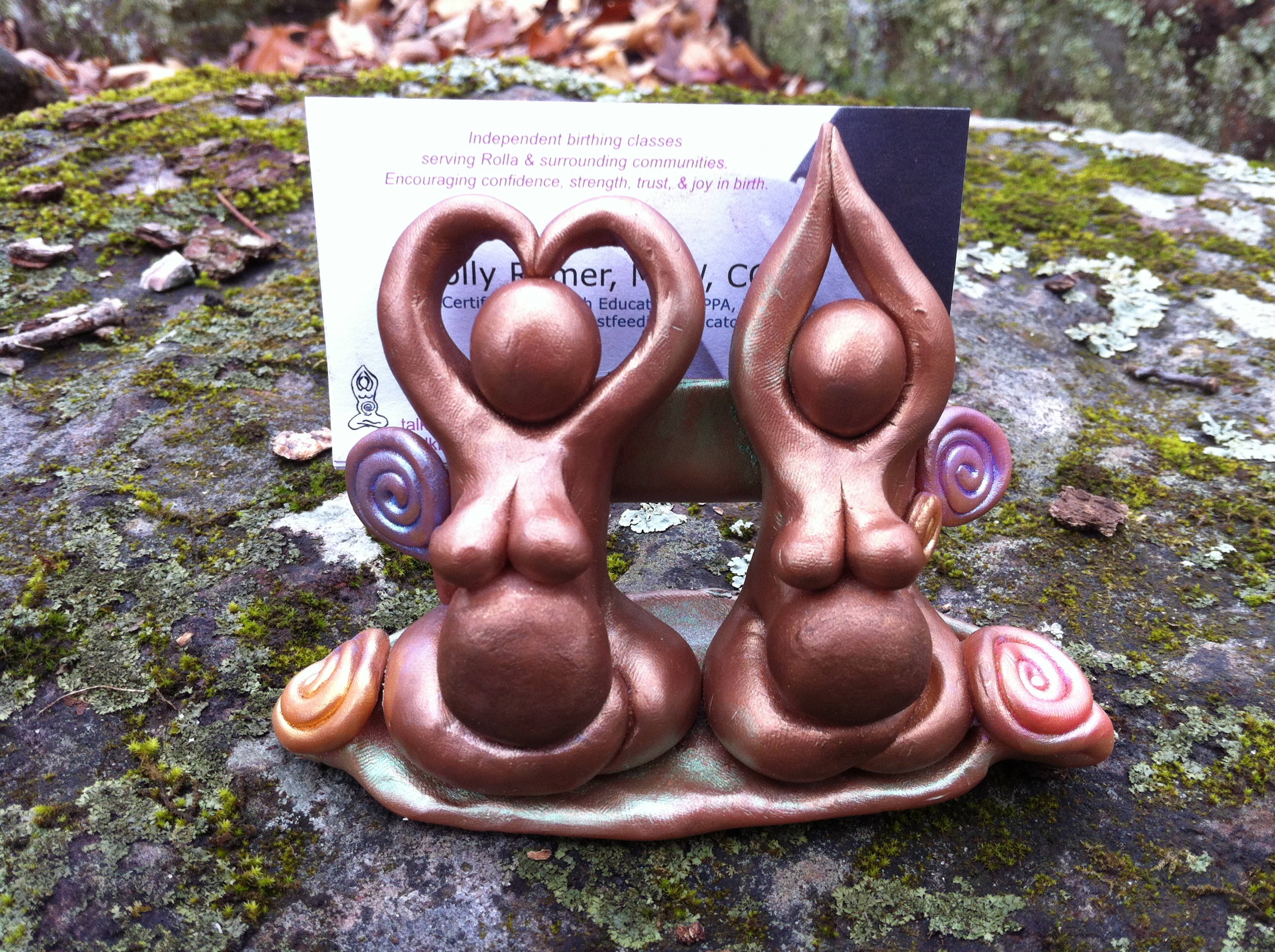
New experiment with a business card holder!

New experiment with a business card holder!

A lot of things caught my eye to share this week. A Faceboook friend is conducting research about birth professionals for her master’s thesis for Sociology:

Ahmie Yeung is working on her Master’s thesis in Sociology at Cleveland State University, under the guidance of Dr. Linda Francis. Ms. Yeung’s thesis research is looking at the attitudes of professionals in the United States who provide care for women and infants during pregnancy, birth, and the newborn period – also known as “perinatal care providers.” This can be anyone who is normally paid for the services they are providing during that time period. Examples of kinds of professionals we want to hear from are: doulas, midwives, OB/Gyns, Family Practicioners, and Pediatricians. This research will hopefully provide some insight into differences between types of providers that may be of use to future families seeking maternity and newborn care. Please ask those who are or have provided care for you to take the brief survey at http://tinyurl.com/perinatalcaresurvey and forward this request on to any other expecting/new parents or perinatal care professionals you may know.

And via Citizens for Midwifery:

Researchers are developing a new tool to educate pregnant mothers about their birth options. They need your help to learn what matters most to pregnant mothers. Pregnant or planning another birth? Please share!

Childbirth Preferences Study

The Spring issue of the Friends of Missouri Midwives newsletter is finished and available online! The theme of this issue was Siblings and we’ve got a variety of articles about including siblings at births 🙂

I got a little crazy with my ScoopIt page and went through over 100 articles of possible things to “curate.” And, I found some good stuff!

Which included this gem:

“To paraphrase Simon, everybody loves mothers, as long as they restrict their fertility to the outlines demarked by the social and moral norms of the age they find themselves in, and don’t have the audacity to give birth too young, or too old, or too regularly, or at too great a cost to the state, or to a child that they share with another parent of the wrong race or gender…”

And, an interesting article debunking the idea that women “forget” the feelings of childbirth. Memories are affected by the “halo effect” of the euphoria following birth, but the feelings are not actually forgotten:

I also thought of a couple of older posts of my own:

Talk to Your Baby

“Babies are primed to hear their mothers’ voices after birth. They expect to be snuggled into the maternal nest. Mammal babies expect to receive a warm breast and to hear comforting words in their own language…”

Birth as a Rite of Passage & ‘Digging Deeper’

“All cultures believe that women become better and more generous through the process of giving birth. That is why some cultures use words such as ‘sacrifice,’ ‘suffering’ and ‘labour.’ These terms can seem overwhelming and to be avoided’ however, seen from a different viewpoint, childbirth helps us to become strong, resourceful and determined…”

Birth & Culture & Pregnant Feelings

“Giving birth is not an isolated event in a person’s life. A woman births with both her mind and her body and participates in the attitudes toward childbearing of her culture and her family…”

Where are the women who know?

“…the most important thing is to never bring fear into the room of a laboring woman. ‘A woman must be completely open to birth a child,’ she says, ‘and so she is unable to defend herself from the thoughts of those around her…’”

And, a funny story from a couple of weeks ago:

“Visiting kid working on costume: “why do you have all this red fabric?” Me: “I think I planned to make placentas out of it.” Later, same kid: “this is an interesting color of yarn.” Me: “I got that to knit uteruses.” Kid: “maybe I should dress up like a scary doula.” 😉

Tuesday Tidbits: Gift from the Sea (Communication Overwhelm)

March 2013 061

Couldn’t resist putting this photo with this post, since she’s holding little shells. We found them in the river gravel we had delivered for our greenhouse 🙂

The Amethyst Network Board decided to experiment with choosing a “book of the month” to discuss, comment upon, and share during the  month. For March, we chose Gift from the Sea by Anne Morrow Lindbergh. I have had the book on my to-read shelf for years and a few days ago, it literally popped off the shelf and into my hands. I’d like to offer a series of short posts based on the book, sharing quotes that I enjoy as well as associated personal experiences or thoughts.

The first quote that caught my eye was this one immediately following a section about the many exhausting demands on a mother’s time and attention:

For life today in America is based on the premise of ever-widening circles of contact and communication. It involves not only family demands, but community demands, national demands, international demands on the good citizen, through social and cultural pressures, through newspapers, magazines, radio programs, political drives, charitable appeals, and so on. My mind reels in it, What a circus act we women perform every day of our lives. It puts the trapeze artist to shame. Look at us. We run a tight rope daily, balancing a pile of books on the head. Baby-carriage, parasol, kitchen chair, still under control. Steady now!

This is not the life of simplicity but the life of multiplicity that the wise men warn us of. It leads not to unification but to fragmentation. It does not bring grace, it destroys the soul. And this is not only true of my life. I am forced to conclude, it is the life of millions of women in America. I stress America, because today, the American woman more than any other has the privilege of choosing such a life.

Woman in large parts of the civilized world has been forced back by war, by poverty, by collapse, by the sheer struggle to survive, into a smaller circle of immediate time and space, immediate family life, immediate problems of existence. The American woman is still relatively free to choose the wider life…

This almost made me laugh because it was written in 1955, but I feel like she might really be talking about Facebook! 😉 It actually made me feel good to know that this feeling of fragmentation I describe sometimes and the sense of everything and everybody wanting a piece of me all the time, isn’t a new feature of being a woman and mother, and it also isn’t the “fault” of technology. Perhaps it is a feature of caring a lot.

It also reminded me of the quote I keep taped to my laptop:

To allow oneself to be carried away by a multitude of conflicting concerns, to surrender to too many demands, to commit to too many projects, to want to help everyone in everything is itself to succumb to the violence of our times. Frenzy destroys our inner capacity for peace. It destroys the fruitfulness of our work, because it kills the root of inner wisdom which makes work fruitful. –Thomas Merton

Tuesday Tidbits: Story Power

“The great motherhood friendships are the ones in which two women can admit [how difficult mothering is] quietly to each other, over cups of tea at a table sticky with spilled apple juice and littered with markers without tops.” ― Anna Quindlen February 2013 138

This week, almost ten years after I actually had my first experience with my first baby practice breathing in the womb, I received yet another comment from a mother worried that the practice breathing movements she was feeling were really her baby having seizures. This reminds me of both the power of personal stories and of the power of the internet. I didn’t know ten years ago that my voice would still be able to reach off the page and touch another mother’s life today. That feels good! I also like that this long-lasting post is just my little story. It isn’t a scientific article, it isn’t written in a professional tone, or  written with detached objectivity, it is just me telling my story about something that happened and what I learned from it. And, that speaks to other mothers in an irreplaceable way. Since the post now has 130 comments on it, it has become a story-house, so to speak of woman after woman’s stories of this experience and so each woman who comes for the initial story can then benefit from the voices of many other mothers, all in the same place.

And, in a beautiful full-circle experience, the original author of that “miscarriages are labor, miscarriages are birth” quote I’ve used so many times since 2009 and that meant so much to me, found my website this week and left a comment with an update about her own life:

“I am so pleased that my words brought you comfort during a painful time of your life. My miscarriages shaped my life profoundly, as did my experiences as a miscarriage/stillbirth doula. Happily, after many years of infertility, I did give birth to living children, and am now a happy grandmother. The older I get, the more I realize that those little souls who spent their entire lives within me brought me incredible gifts. I am a much better person because they existed…”

Her story and her “old” words reached off the page to me and touched me deeply at a time when I desperately needed them and they’ve gone on and on from there to help many other women.

A lot of other things about stories have been popping off the page at me…

I got a e-newsletter from one of my favorite writers, Jen Loudon, and she was doing an interview with Justine Musk. About said interview with Justine, Jen says:

She writes powerfully about the intersections of so many things I care about: being a creative woman and a feminist, the power of shaping our own stories, the sacred obligation to “connect with your gifts and search for that sweet spot where they cross with the call of the times,” truth, and even thigh-high boots…

And, speaking of feminism and all that good stuff, I followed an internet rabbit trail that started with First the egg’s link to a post at blue milk about slacker moms and white privilege (really good observations, by the way, that behavior reflecting questionable judgement exhibited by a white, middle class mother is way more likely to be blown off or viewed as a funny story than the same story about a poor and/or not-white mother) and eventually landed me at this post about “mothers you hate.” Nestled midway through the article was this interesting observation:

“…The militant mother feels strongly about what happens to her body during birth – and to her baby’s – and she wants women to know about their options. She’s also readily marginalised by powerful institutions. In pro-choice circles we otherwise call the women fighting for rights like these ‘activists’. As a feminist, it concerns me that we’re so intolerant towards birth activism when abortion activism is core to our understanding of bodily autonomy. The activist mother’s beliefs are dismissed as inflexibility, but I’ve had just as many mothers recommend an epidural to me as I’ve had women recommend drug-free births, and they all did so with equal enthusiasm…”

Thinking about mothers and how they interact and how they experience themselves and their lives, my eyes then snapped to this quote in a longer book review:

“…In a sharp observation early in the book, Smyth comments that ‘the role of mother is not immediately intelligible to those who find themselves inhabiting it’ (p. 4). This is certainly borne out in the confessional writing and memoirs of young (feminist) women, who try to make sense of their experiences as a new mother. They write of a crisis of selfhood, feeling undifferentiated in ‘a primordial soup of femaleness’ (Wolf 2001) and of experiencing a gendered, embodied and relational self for the first time (Stephens 2012)…”

Returning to the power of personal stories (but also reminding us not layer our own unresolved personal stories on top of another mother’s grief), I read this very strong, powerful article about miscarriage:

“…I am grieving my enormous loss while simultaneously feeling more at home in my body than ever before. No one seems to want to hear this. No one seems to believe me. Ironically, it wasn’t until I began sharing my story of my daughter emerging from me at 15 weeks that I began to feel sprinkles of shame. Why would I be ashamed of chromosomes gone wrong? How would I have any control over this? Magical thinking and long stored up dark reserves seep out as women experience reproductive hardships. They think they must have done something to “deserve” this, had to have been “unlucky”, and chase every possible line of thinking imaginable to connect the dots. There are no dots here. Miscarriage isn’t about pregnancy ambivalence or anxiety, prior abortions or outbursts of venomous anger, feelings of sadness or anything else that you can seemingly control.

Miscarriage is simpler than all of that. It is loss of life that wasn’t sustainable.

I have fantasies of shouting this from rooftops and tweeting random cryptic notes containing the facts about pregnancy loss in the hopes of galvanizing women’s perceptions of themselves. I daydream about pleading with women not to blame their beautiful bodies for their reproductive devastations. I wish I could dare every woman who has at some point or another wondered if they were somehow the root cause of a reproductive disappointment to turn that question on its head. “What if you are not the reason that this happened to you? What if it just is?” I can’t help but wonder if this would [elicit] more anger, more grief, more relief, and/or more hope. Or maybe something else completely. I am confident that it would engender less competitiveness, less perfectionistic strivings, and more self-love…”

One of my own unresolved bits about my own losses that gets layered on top of (or in the way of listening to) other women’s stories is the WHY of my own losses. I don’t know for certain that Noah’s birth at almost 15 weeks was actually because his life wasn’t sustainable. I continue to have the lingering fear that it was really the UTI I had at the time (the first of my life) that killed him. My gut says that his lifespan only extended that far and was genetically programmed to end at that point, but there is a little part of me that still wonders, what if my body killed him. Ditto with my early miscarriage, my fear is that my hormone levels were low and because I got pregnant again “too soon,” my body couldn’t sustain what might have under different body-circumstances been a perfectly viable baby.

What stories have touched your own life this week? How have your stories helped another mother?

“We live by story. Yours enlarges the circle.” — Richard Rhodes

I am a Story Woman

Tuesday Tidbits: Bragging Rights

“Before I had children I always wondered whether their births would be, for me, like the ultimate in gym class failures. And I discovered instead…that I’d finally found my sport.” –Joyce Maynard

“Our body-wisdom knows how to birth a baby. What is required of the woman who births naturally is for her to surrender to this body-wisdom. You can’t think your way through a birth, and you can’t fake it.” –Leslie McIntyre

February 2013 113
This week I particularly enjoyed a saucy post by my friend, colleague, and doula, Summer. Titled Bragging Rights, she talks about her own experience birthing a very large baby (nearly 12 pounds! I enjoy bragging about her baby too!) and whether or not she really “deserves” bragging rights on birthing a big baby. I absolutely love her concluding thoughts on the topic:

“…Frankly, I think all mothers get bragging rights on their babies births. Birth is awesome and amazing and power-full. Every mother must face it. Sure, she may face it differently than me, but it IS a labyrinth we all go through. This is the way of life. So, mothers, brag away. Brag about whatever part of your labor and baby’s birth made you feel empowered….find that piece, even if it’s just a tiny moment, and cling to it. Shout it from the rooftops!…”

What a great idea that all mothers deserve “bragging rights.” What are your bragging rights moments from your births, however they unfolded?

I immediately thought of one for each of mine, reflecting that each birth does hold a key moment for me, the first thing that comes to mind when I think about that birth, a moment of being power-full.

First birth: my moment was arriving at the birth center fully dilated after having worried I was “only two centimeters.”

Second birth: having a two-hour labor—it was a train ride and I DID IT. Wow!

Third birth (miscarriage): coaching myself through labor and being brave enough and strong enough to open and let go of my little non-living baby.

Fourth birthFebruary 2013 102: catching my own baby! By myself! With my own two hands! And, she was ALIVE!

…the stories I see of birth in the media don’t reflect the intense emotions, the physical power, or the immense impact of the experience itself. Women screaming, fathers fumbling about, doctors doing most of the heroic work–these images don’t do justice to my experience. I felt empowered, strong, heroic in my efforts to bring my daughter into the world yet, I am painfully aware how little others see the heroism in my birth experience.“ –Amy Hudock (essay in Literary Mama)

“...if you want to know where a woman’s true power lies, look to those primal experiences we’ve been taught to fear…the very same experiences the culture has taught us to distance ourselves from as much as possible, often by medicalizing them so that we are barely conscious of them anymore. Labor and birth rank right up there as experiences that put women in touch with their feminine power…” –Christiane Northrup

Tuesday Tidbits: Blood Wisdom

“Nothing will change as long as women say nothing.” ~ Cynthia Blynn

We are the torchbearers of truth, the tellers of tales of beautiful birth, the weavers of courageous empowering visions to set before the women and families we serve. Our stories must be told often, until they become more compelling and convincing than the horrible […] myths people hear all around them.” ~ Judy Edmunds

I loved these two quotes from the most recent Midwifery Today e-news. And, some quotes via Pagan Families showed up at just the right time, as I had already saved several other menstruation-related quotes to share.

“Honouring our menstrual cycle reminds us how sacred we are.” -Jane Hardwicke Collings in Becoming A Woman

“Childbearing is a form of power, one of the greatest powers in the world, and menstruation is a sign of that power.” –Valerie Tarico

“We are born into blood and with blood.” -Chandra Alexandre, at The Conference on Earth-Based Spiritualities & Gender

via Pagan Families

February 2013 012

Creativity altar during recent retreat time.

Something that has been coming into clearer focus for me lately is the emotional and creative cycle of the menstrual cycle—there is a natural outward directed phase of the cycle and there in an inward directed phase. I’m trying to be more mindful of scheduling my commitments and my expectations for myself to coincide with the rhythms of my body. As I wrote in response to the quotes above, I’m only recently making the connection between birthing body wisdom and menstrual cycle wisdom….how do we honor this naturally “shamanic” time and inward connection in the midst of the swirl of daily life. What I’m finally figuring out is that there is a cycle of energy that goes with our moontime cycles and that life “flows” much more easily when I plan around those natural cycles of energy. For example, during ovulation I feel energetic, outward directed, focused, and creative. During this time, I compose new blog posts, work on articles, and do, do, do–and, finally, I’m realizing that I can do stuff during this time in advance preparation of the reduced energy and inward focus I feel during bleeding. I can take care of my future self, by focusing energy in powerful ways when I have it and then gathering in and being still when THAT is what I need instead. This is a new understanding for me, one that is still developing…

In the Moods of Motherhood, Lucy Pearce discusses this ebb and flow of energy as well, first with respect to children:

This is a little discussed subject. I remember reading in The Wise Wound the fact that there was no research anywhere on the impact of women’s cycles and PMS on children… and yet an effect there must be! We joke about women on the rag. Those around us suffer too, but we do not discuss it, or re-think family life at these times. They also see and feel the effects of our enhanced creativity, libido and need to retreat within. The whole family sails the seas of a mother’s cycles…

I am recognising in myself, my husband, and my kids the pressure valve, the thermostat which rises to boiling point, the markers that say: Please stop the overwhelm I CAN’T COPE. I am recognising that this is essential for our happy, healthy family co-existence. It is not a sign of weakness or manipulation. It is very real: it is how we function and who we are. Pretending it is not the case, getting angry that it is, blaming others for our feelings or trying to ignore it does not work. It is at the point of overwhelm our instincts emerge, the reptilian brain literally takes over the show – we lash out, scream, yell… now is not the time for moralising, for punishments, for anger… now is the time for de-compression…

And then:

I think the most important thing any person can do is to know themselves and try to find balance amongst the various strands of themselves. And for a woman to know her cycles and her energy levels and work to these rather than against herself. This is absolutely what I try to do. But most often I fail on the balance front – I do too much and then burn out. In our culture this is seen as a good thing… but really it’s a form of ego driven insanity.

Via Journey Of Young Women this quote also caught my eye:

Women’s mysteries, the blood mysteries of the body, are not the same as the physical realities of menstruation, lactation, pregnancy, and menopause; for physiology to become mystery, a mystical affiliation must be made between a woman and the archetypal feminine…

Under patriarchy, this connection has been suppressed; there are no words or rituals that celebrate the connection between a woman’s physiological initiations and spiritual meaning.

~ Jean Shinoda Bolen, “Crossing to Avalon”

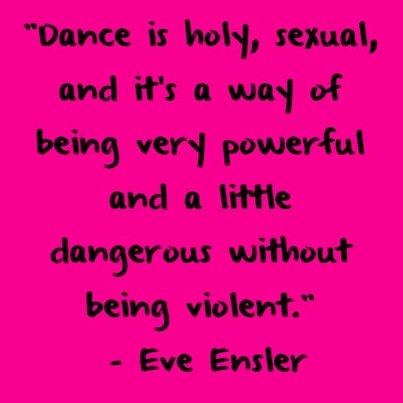
On Valentine’s Day last week, I helped host a One Billion Rising event in my town. Even though we didn’t have much time to prepare, we danced anyway. When I got home, I saw this quote on Facebook and thought it connected nicely with my Tuesday Tidbits theme this week:
vday

Tuesday Tidbits: Birthing Bodies

These Tuesday Tidbits all come from the Fall 2012 Pathways magazine. Pathways is a fabulous publication and the best replacement for Mothering magazine that I’ve found!
BirthontheLabyrinthPath_300x250-ad_2

…I get that some women want a particular experience of birth—I mean, I really get it now that I have had a birth that left me feeling more powerful, more humble, more focused, and more devoted to my lover than I ever thought I could feel.

But I wish American women were told the truth about birth—the truth about their bodies, their abilities, and the dangers of technology. Mostly I wish all pregnant women could hear what Libby Bogdan-Lovis, my doula, told me: ‘Birthing a baby requires the same relinquishing of control as does sex–abandoning oneself to the overwhelming sensation and doing so in a protective and supportive environment’…

–Alice Dreger in The Hard Science Supporting Low-Tech Birth

Next, in connection to my own series of posts on taking it to the body, I enjoyed Karen Brody’s article, My Body Rocks, in which she describes her experiences in a yoga nidra class, noting that when asked in class to let her intention come from her body, her reaction was:

My body? I was ashamed to admit that, after two powerful homebirth experiences, I no longer felt intimately connected to my body. Pregnancy and giving birth were all about every little feeling in my body; mothering felt like a marathon of meeting everyone else’s needs and rarely my own…Most days, the question I asked was, ‘How are their bodies?’ My body was in the back seat, unattended, without a seatbelt.”

With regard to my own body, I’m re-introducing my daily yoga practice, maintained since 2001 even through the births of my other two children and playing a significant role in my birth experiences, and yet released with reluctance during Alaina’s infancy. It is time to bring it back! On a related note, I have a neat prenatal yoga book/DVD to review and I watched it this week with Alaina practicing with me—when it instructed you to, “put your hands on your baby,” I put my hands on her! 😉

Speaking of toddlers, I’m wearing a little thin with toddler breastfeeding. I’ve commented to friends that some of the issues and annoyances and difficulties that I’ve previously associated with nursing during pregnancy are actually simply issues of nursing two-year-olds. She is rough, wild, pinchy, scratchy, and practically abusive. She’s nursing way too much at night and I’m tired! In the Pathways article A Natural Age of Weaning by Katherine Dettwyler (who rocks), she makes a point that I’ve always felt intuitively and yet haven’t really articulated in writing:
398124_10152413274040442_130771351_n

Another important consideration for the older child is that they are able to maintain their emotional attachment to a person, rather than being forced to switch to an inanimate object, such as a teddy bear or blanket. I think this sets the stage for a life of people-orientation, rather than materialism, and I think that is a good thing.

As I’ve said before, pregnancy, birth, and breastfeeding are all such embodied experiences—motherhood in general feels very much a physical commitment. Our relationship with our children begins in the body, it is through the maternal body that a baby learns to interpret and engage with the world, and to the maternal body a breastfeeding toddler returns for connection, sustenance, and renewal.

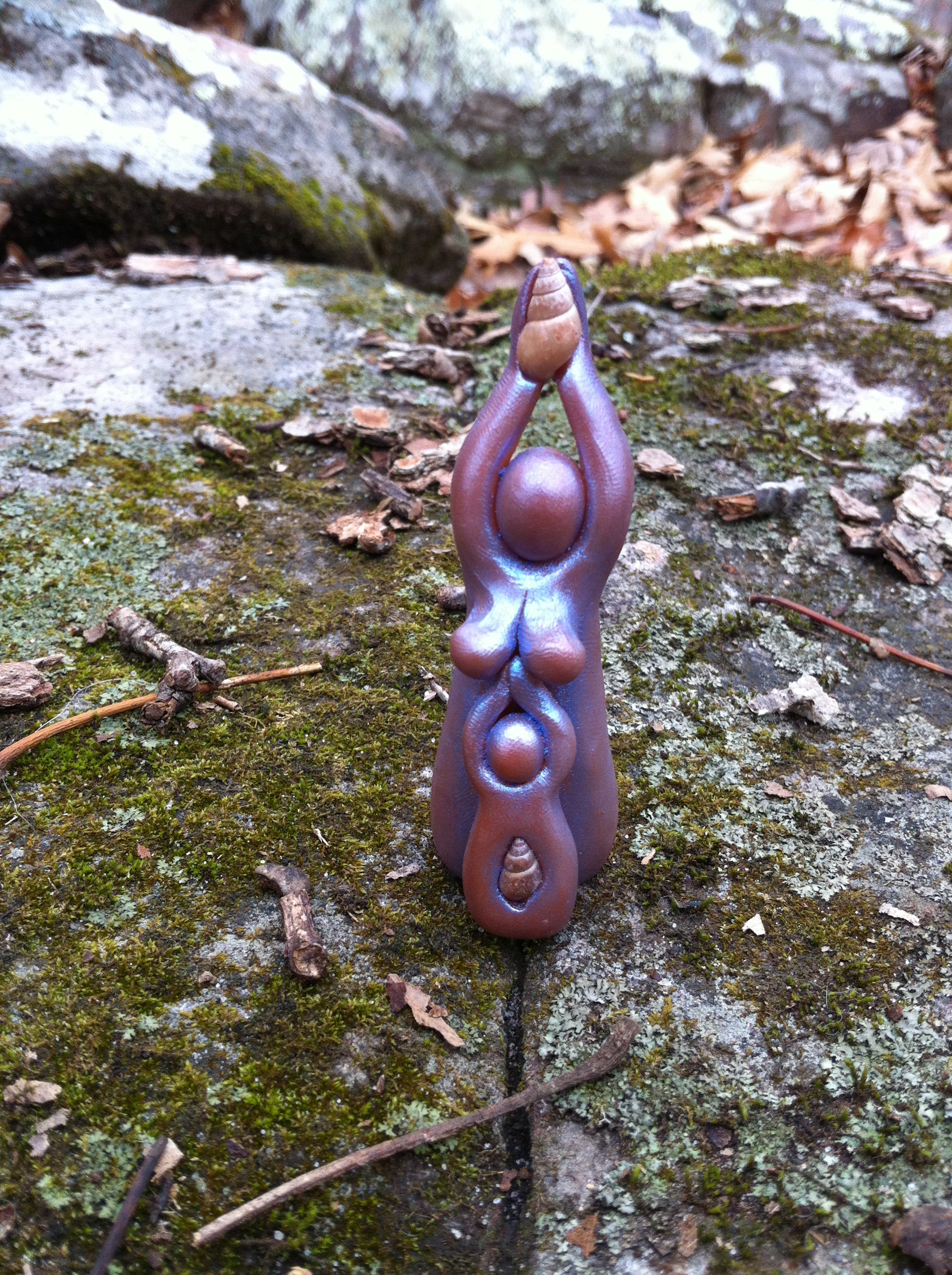
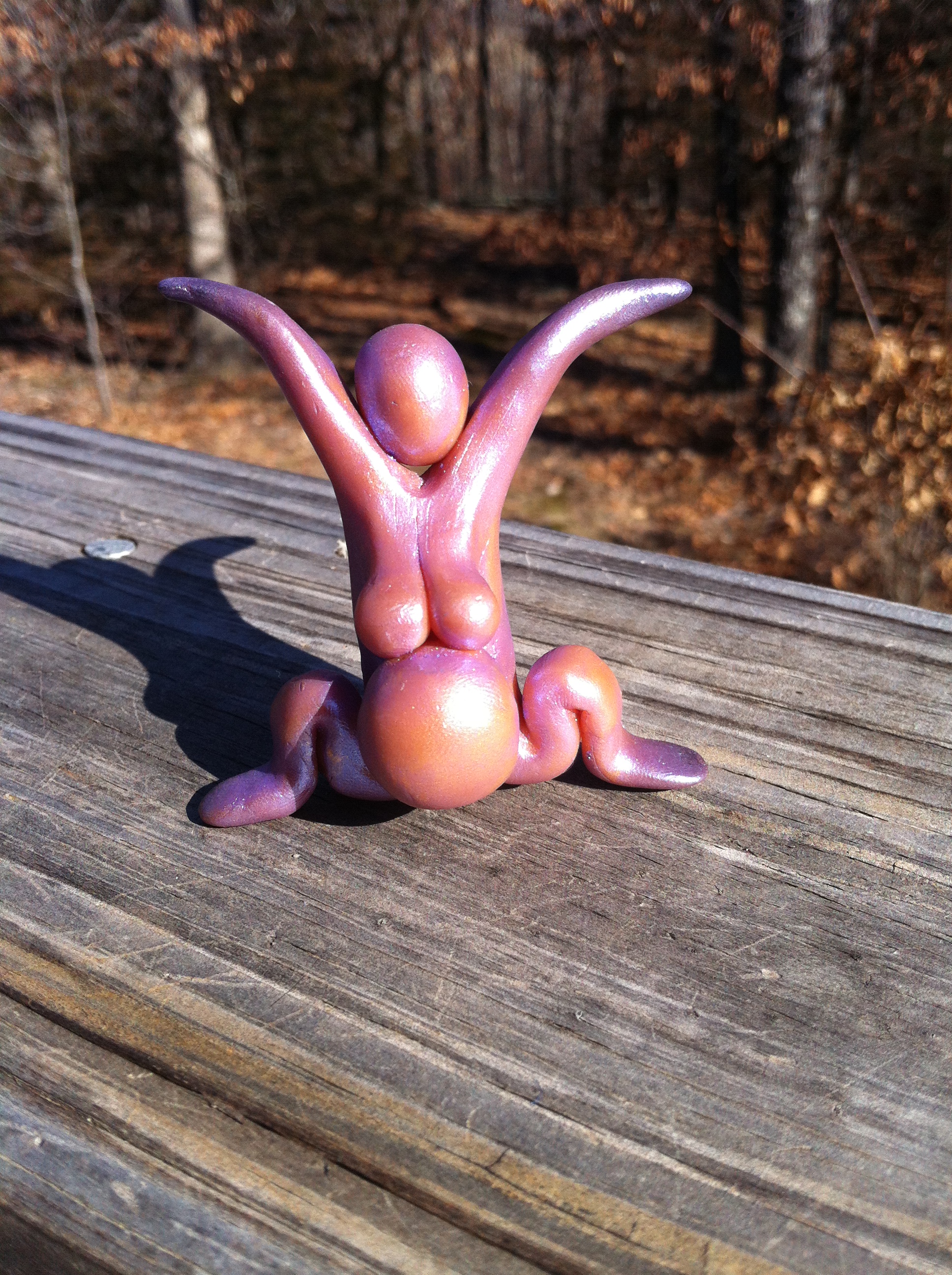
It is this embodied spirit of creation and connection I feel I draw upon and represent when I create my little birth art figures, a spirit that caught the attention of many on Facebook this week when I shared a photo of a series of four figures that I’d made as a custom order:

20130210-155705.jpg

I will write more about these in an upcoming post and I am now accepting custom requests, though there is already a waiting list! I did update my Shop page briefly with some already made figures that I have available though.

Tuesday Tidbits: Birth Pause

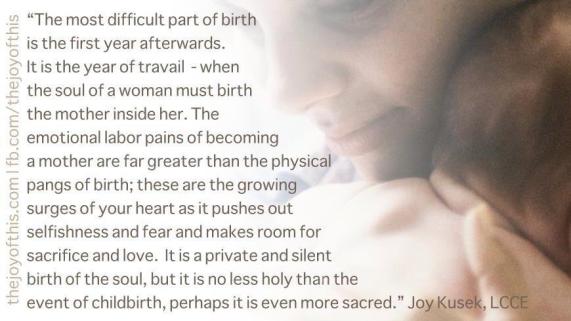
BirthontheLabyrinthPath_300x250-ad_1Last year I wrote about the birth pause, that timeless moment of inhaling after birth and exhaling into motherhood:

This moment when mother meets baby, earthside. Malloy notes that for many women, the moment of meeting is “hurried” by the immediate placement of the baby on mother’s chest. Many women are in a brief, transitional state almost like “birthshock” at this moment—it is the moment before the classic euphoria and “I did it!” hits. Mother often has her eyes closed and needs a second to breathe and re-focus on the world outside her deeply inner focus…

So, of course, when one of my Facebook friends posted the following thoughts last week, I asked her if I could quote her on my blog!

One moment that EVERY MOTHER remembers is the moment she first laid eyes on her baby. I am asking every woman to consider what that moment means to you and how she pictures it to be? Will it be in your home with dim lights and scented candles, and the loving arms of your partner embracing you both physically and emotionally at the moment of emergence? Or will it be in a brightly lit hospital room lying on your back while 6-10 strangers yell for you to push and stare at your vagina while you lay there feeling a bit helpless being strapped with cords to a half dozen medical devices?

Will your baby be touched first by your hands and brought up to your bare breasts as he fills his lungs for the very first time? Or will your baby be caught with a cold latex glove, lifted mid-air with glaring lights and strange sounds all around him? Will his oxygen supply and blood be stolen from his body with a quickly cut cord as he is swept away and rubbed by unfamiliar hands. Will he be swaddled so tight he cannot feel his mother’s warm skin when she holds him at her breast?

Think these are details that do not matter in the grand scheme of things? Think again… PLEASE! Because… BIRTH REALLY DOES MATTER. Know where and with whom you desire to give birth. Do the necessary research to make that happen! You DO have options, so do NOT let ANYONE tell you that you don’t. Birth matters. Make your decisions wisely. You WILL remember that moment! –Pamela Brott, Beginning at Home

And, then I read a great little post from Rebecca Wright about being a birthkeeper rather than “catching” babies:

As a birth keeper it’s not my place to catch babies. It’s my place to hold space. It’s my place to support the mama-baby dyad so that they birth in power and remain undisturbed as far as possible in this process.

One of my friends wrote an article some time ago about catching your own baby. She called it “squatter’s rights” and concluded with something to the effect of, “and then I reach down and catch what’s mine.” It gave me chills. Alaina is the only baby that I caught myself and it was the most potent moment of any birth. Sometimes I still can’t believe I did it.

And, on a related note, I also shared these two articles via ScoopIt:

Active birth positions for the hospital–Effective Birthing Positions | Taking Charge of Your Health

Some musings about mental comfort zones and birth–Planning a Childbirth: Is there a Comfort Zone and Should You get out of it…

BirthontheLabyrinthPath_300x250-ad_2