Archives

Tenmonthababy!

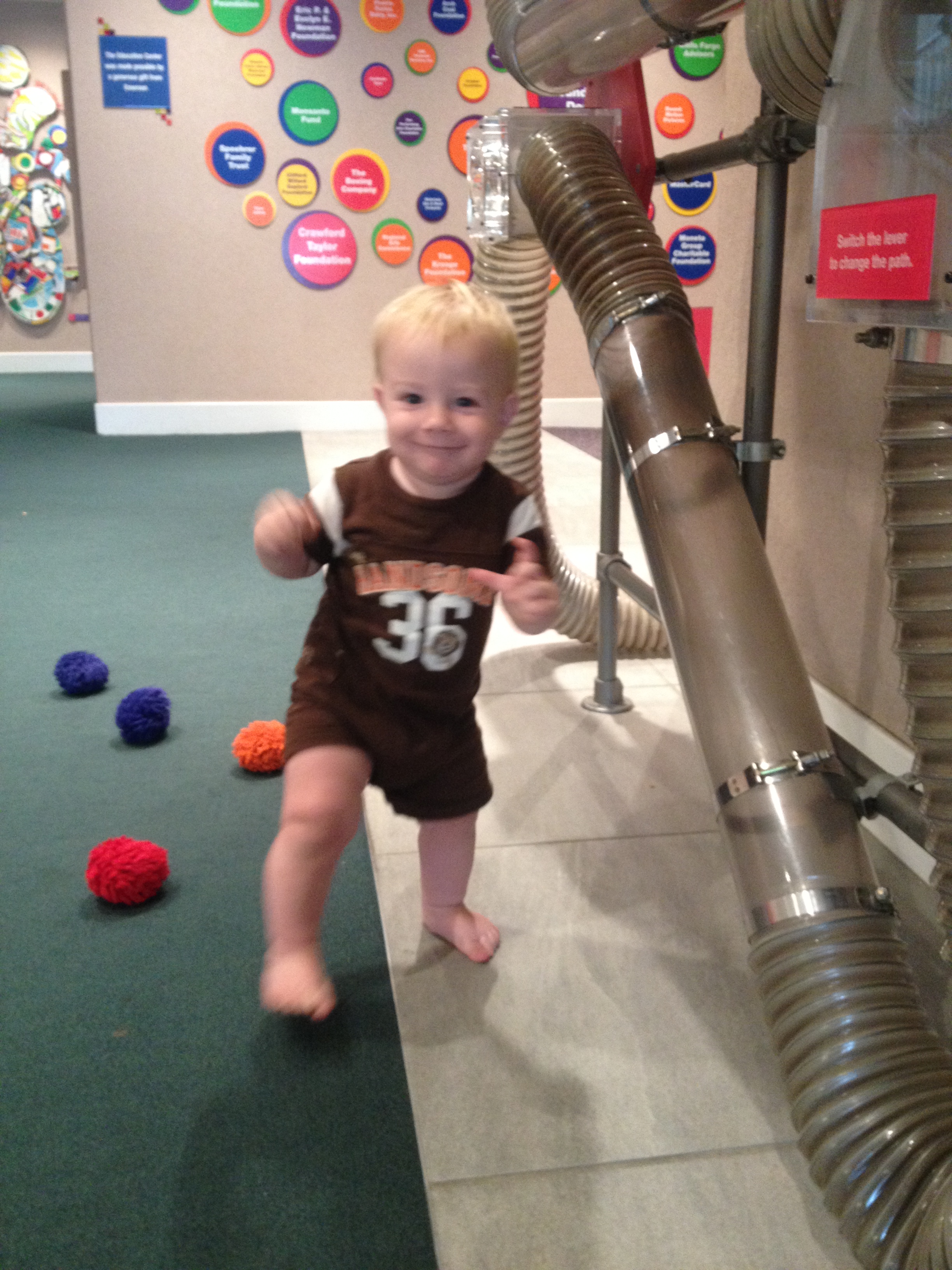
August 2015 060Tanner is ten months old and stepping out all over the place. When I started keeping notes for my ten month update post, I’d put that he was crawling around with rocks in each hand clicking on the concrete floor—crawling fast, and clicking along so you can hear him coming. As August progressed, that crawling-fast baby disappeared and turned into an all-out walking baby! I knew the day was rapidly approaching and I actually was surprised when he wasn’t walking at the start of nine months, given how skillful his furniture navigation skills were at that point. In our family, we don’t count the baby as truly walking until they go ten steps in a row unsupported. He did 27 steps in a row on August 19 and hasn’t stopped since. He skipped over the sweet, heart-breakingly darling “walk to Mama!” stage and has never once walked holding onto our hands the way babies do (breaking your back at same time). We tried, “walk to Mama! Walk to Daddy!” and he would get so excited he would jump and jump and fall down. He started walking by walking away from us, back to us, heading out across the living room or kitchen from my legs. From the 27 steps, he moved quickly on to walking while holding items, pivoting, changing direction, turning completely around, squatting down to pick stuff up and walking away with it, etc. He also climbs onto the couch and apparently stepped down the steps at my parents’ house alone too (touching wall for support). His steps have been adorably tiny—less than a half foot-length between each and with a slightly hunched forward posture (prepared to catch self in fall) and we joked that he isn’t really walking, he’s just rocking his feet from side to side and propelling himself forward upright that way! (kind of penguin-style) But, even the last few days have seen bigger steps, more confident about not falling down. In the same week he shifted from fast crawling and careful walking, to choosing walking most of the time, no matter what else is happening or where is trying to travel. I sense that the last vestiges of a crawling baby in the house will be over by the next week or so.

August 2015 006

Like mother, like son. “Grinding corn” at the Newburg Children’s Museum two weeks ago.

Can I take a few minutes to :::::sob:::::? While I delight in baby milestones, I can’t help but feel like I’ve been “cheated” out of the last three months of having a baby! He is remarkably toddler-like and not just the walking, but the talking too. He actually asks for things saying, “me, me, me?” or, “meeeeeeeeeee!” with lunge + grab, when not getting his fair share. We’ve heard him say high five, bad, cat, ow, bye, ball, yum yum, rock, dad, doll, block, and “away” (while putting blocks away in tub: “bock. way.” Is that a sentence before ten months? 😉 )

He also kisses baby dolls on the head and snuggles his face into theirs. And, he makes music with everything—rattles bracelets, drums on surfaces, strums the wires. He is remarkably good at figuring stuff out—i.e. dropping something between slats and then staring at it, trying to reach through to get it and that doesn’t work, so bends down and reaches around and under to retrieve it instead. He loves to eat whole peppers from the green house and merrily rides out to pick them with Mark every day.

He crushes All. The. Things. It is nonstop chore keeping him from ruining the rest of the house and the people in it.

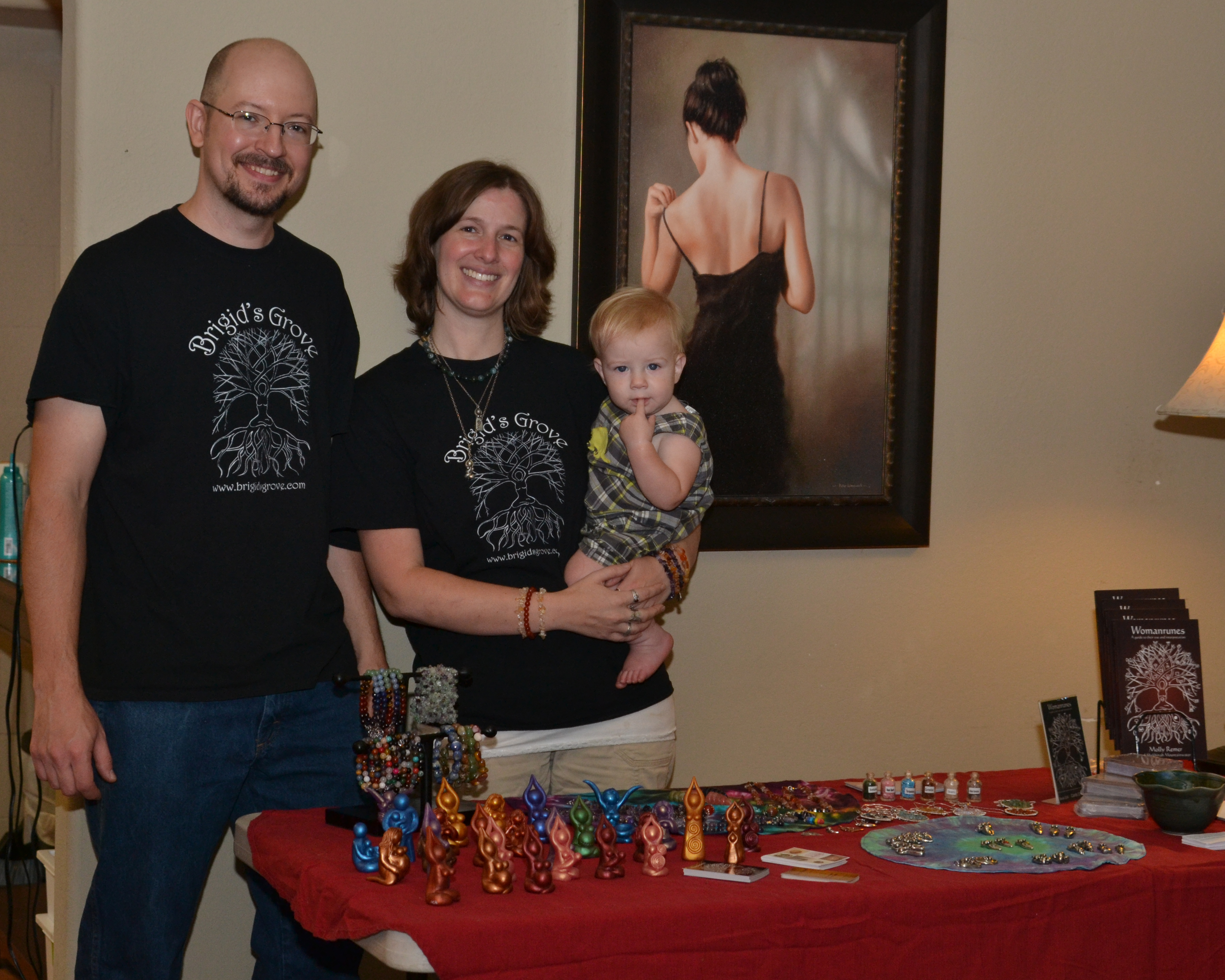
Working at our table at Mamafest last weekend.

Working at our table at Mamafest last weekend.

He is also a very rough nurser—preferring to nurse upside down with legs standing up over my shoulder, while I’m lying on my back (usually attempting to practice yoga). He makes the same “bratty” face that all my kids have made and that I remember my youngest siblings making too: nose wrinkled up, smirky smile, and a snuffing, hissing sort of sound with tongue against teeth while doing something intentionally naughty or destructive. (He also says, “bad” while getting some things, which makes me really annoyed with my other children, who have been known to holler “BAD!!!!” at him when he is getting into their things.) He also has a knack for raising one eyebrow in surprise. I can’t do that myself, but all of my kids can and got it genetically from Mark. Tanner seems really young for it though!

Tanner is a morning baby compared to all of our other kids. He is ready for bed at about 8:30 and wakes up at about 8:00 each morning with big smiles, hugging me, snuggling, and ready to go. When I pick him up, he adds an extra oomph/leap to it so that he flies into the air and into my arms. He will lean from my arms  to hug and snuggle everyone else in greeting–face leaned against chest or head, saying good morning.

At the end of last week, we went to Magic House with friends in St. Louis. The kids had free tickets from the summer reading program at the library. We had an amazingly good time. I figured I might as well put the photos from it into this post as well!

August 2015 053Last year, when we went to Magic House, I was pregnant with Tanner. What a difference a year makes! That is what I mean about being “cheated” out of three months of baby. This time last year, I was pregnant and there was no Tanner in the house. Now, there is a toddler boy! What happened?!

Recreating pregnant picture from previous year as well as modeling new silk skirt from my mom!

Recreating pregnant picture from previous year as well as modeling new silk skirt from my mom!

August 2015 063

The tiny judge in this picture cracks me up every time I see it!


Tuesday Tidbits: Parenting Big and Little Kids at the Same Time

July 2015 146

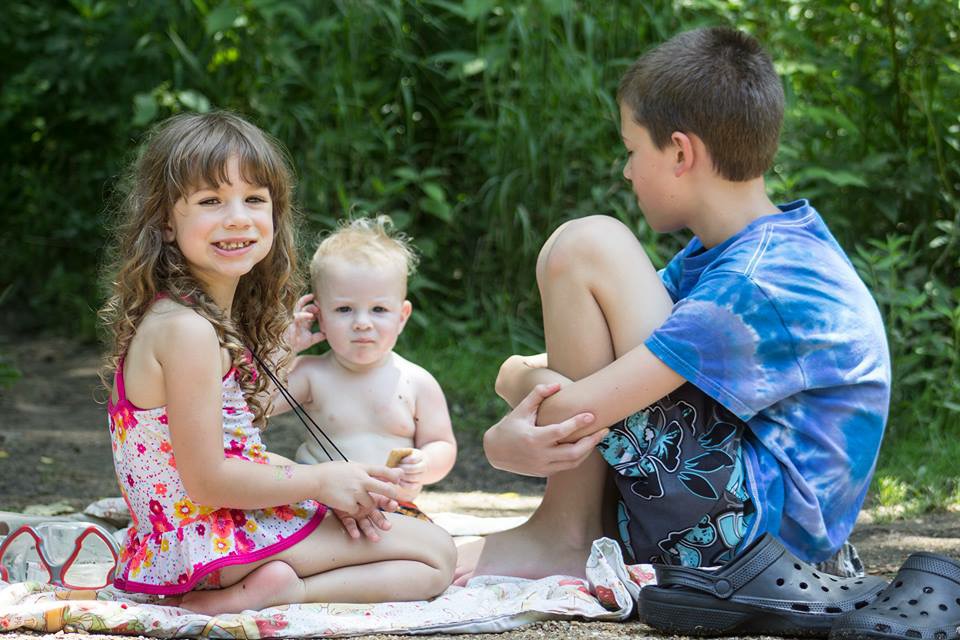
The biggest (almost 12) and the littlest (9 months) at Alley Spring at the end of July.

I’ve been trying to post this post since last week. But, then Zander stood on my closed laptop and broke the screen. (Luckily, Mark is a genius and Amazon has overnight shipping so it had the screen replaced within 24 hours and was ready for me to take to the first night of class at the Fort). Then, while we were at Mamafest on Saturday, there was a big storm that took out our internet and apparently our dryer too. The ISP can’t fix said internet until possibly Friday, which creates a near crisis survival state in a home with two work at home parents. It is hard to teach online and to ship orders with only one little iPhone’s connection to the outside world!

I’ve been really crying out for rest lately and interestingly, this forced hiatus has felt like a welcome change. We spent the morning sitting on the back deck, drinking tea, reading magazines (that with working internet perhaps would have remained unread for 6 months), while the kids played (alternating with wigging out about spiders and screeching about Tanner getting too close to the edge of the deck). 

This was going to begin as a much different post, but a lot happens in a week as well as a little refreshment and perspective offered by some time off “verandahing” (as Leonie Dawson would say). I woke up yesterday morning telling Mark, “today I will be full of enthusiasm…and making lists.” And, indeed, I did make lists. I made lists of what matters to me/us to include in every day, every week, every month, every other month, and every year. I’m ready for our home to be our haven, our own “retreat” space, and to have it feel as nice and nurturing on a regular basis as it feels to be on vacation. I’m ready to stop pushing and forcing and trying so hard to take care of everything…and then one more thing after that. This is going to mean some significant changes to my blogging here, but I will save that for a separate post. 

It is hard sometimes to feel so full to bursting with inspiration and ideas constantly, while coupled with the realities of the needs of a household of six people. I’ve been feeling down and discouraged about changes in friendships, homeschooling, projects, and more. Tanner has been teething (maybe), sleeping poorly and napping worse, and has morphed suddenly into a full-scale walking baby. Adequately parenting a multi-age range of kids feels virtually impossible. Meeting the needs of one usually means another’s needs are left unmet. I usually feel like I am not “enough” for my kids, while in the rest of my life I feel like “too much,” like I’m overwhelming and too intense for the people around me.

Tanner is a baby-on-wheels walking baby (leaving totally impressive destruction in his wake) and suddenly saying lots of new words intentionally: “ball” and “cat” and “ow,” “Dad,” “rock” and “yum.” Alaina is perpetually in need of attention and help. The older boys blessedly give each other attention and are helpful with Tanner, but increasingly pick on Alaina and taunt her in a way that really needs to stop. When they have things to tell me, I usually have to say, “not now,” or “hold the baby.” Instead of having those fabled bonding-with-pre-teen-boys conversations in the car I always read about, instead we are all loudly singing, “bay-bee, bay-bee, baby, baby, baby,” in an effort to keep Tanner from crying so hard in the car he throws up. “We HAVE to listen to them talk about Minecraft now,” I lament to Mark, “or when someone offers them cocaine, they won’t feel like they can tell us!!!!”

My mom, also a parent of four, split by age much the same as my own, tells me it actually gets harder from here!

So, my posts I highlight today are a potpourri of offerings about big kids and parenting in general…

First, a spot of humor:

The research found that despite using the same disciplinary methods, 100% of the children were more responsive to instructions spoken at a normal voice level if they came from someone other than their mother. To receive similar behavioral results, the women in the group had to raise their voices to that of someone being attacked by several large animals.

via Study: Children Are 800% Worse When Their Mothers Are In The Room | Mom News Daily.

And, then the bad news. Research on the happiness of German parents drew some grim conclusions…

Life has its ups and downs, but parenthood is supposed to be among the most joyous. At least that’s what the movies and Target ads tell us. In reality, it turns out that having a child can have a pretty strong negative impact on a person’s happiness, according to a new study published in the journal Demography. In fact, on average, the effect of a new baby on a person’s life in the first year is devastatingly bad — worse than divorce, worse than unemployment and worse even than the death of a partner.

via It turns out parenthood is worse than divorce, unemployment — even the death of a partner – The Washington Post.

It was interesting to note that the effect was even stronger in parents who are over 30 and have a higher level of education.

Luckily, it turns out that the whole four kids thing is a winner though in the parental life satisfaction arena!

Families with four or more children enjoy the greatest life satisfaction, a five-year study by Perth’s Edith Cowan University has found. Bronwyn Harman, a lecturer in the School of Psychology and Social Science, asked parents from different family types about resilience, social support and self-esteem. She found that parents with four or more children had the best ratings in each of these areas. The second-highest life-satisfaction scores, separated by just 0.25 per cent, were parents who identified as lesbian, gay, bisexual, transgender or queer (LGBTQ). “With large families, we think they have social support within the family,” Dr Harman said. “The kids are never bored, they have someone to play with and they get independence quite early on.”

via Bigger is better: Parents with four or more children happiest despite chaos, research finds – ABC News (Australian Broadcasting Corporation).

A couple of years ago, I spent some time musing about why parenting feels so hard and why do new mothers often say, “why didn’t anyone tell me?!” The individual pieces of parenting aren’t that hard and it is hard to point specifically to anything as “the reason” (which is why remarks about said hardness are so frustrating and mystifying to first-time parents while still pregnant), but I settled on the fact that it is relentless. That’s what’s hard. It never stops. And, once you start it, it basically keeps going to the end of your life!

I sink down onto the kitchen floor and cry.

I cry because the work of motherhood is relentless.

I cry because I’m tired.

And I need a shower.

I cry because it’s taking me half an hour to cut up these damn plums.

And I cry because I love these kids so much. They’re beautiful and curious and funny and complicated and completely exasperating. They deserve my patience, and I want to give it to them, but today it’s buried under a heaping pile of demands and I yelled at them instead.

via I’m Not Taking A Break. I’m Breaking. – Scary Mommy Scary Mommy

Moving on to the big kids though and those car conversations we don’t get to have…

I am sorry that when you are starting to explore girls, finding your own independence, and wanting some adult conversation, the toddler is saying the same thing a hundred times in a row at the top of her lungs and we cannot hear you.

I am sorry that every time you want our attention, the baby starts crying or needs something. I am sorry that when you first wanted to drive, we did not trust you with the kids in the car and so it took awhile before you could get your hours up on your learner’s permit.

I am sorry we do not pick you up at the train station when you finish work more often, because we are either settling your baby brother, feeding him, or fell asleep waiting for your text.

I am sorry I cannot remember what time your game is on Sunday – or anything you have told me, for that matter – because I have not slept a full night in over a year.

via Dear Teenager, Sorry About The Toddler And The Baby Scary Mommy.

And this ode to big kids that rings so true for me right now:

You didn’t sign up for this position. You didn’t choose to be the ones born first, a few years earlier, and if you asked to be in this situation, you probably didn’t know what being the older one actually entailed. Real babies and real toddlers, well, they’re a whole lot different than the stuffed animals you used to push in the toy stroller and put to bed in shoe boxes, aren’t they? Yet, you handle the younger ones with an unexpected patience and gentleness (OK, usually), and a lot of the time, you “Big Kids” do a better job of not totally losing it in the face of an unruly 2-year old’s demands than most adults. It’s inspiring. Big Kids are a parent’s unsung heroes. Thank you for holding the fussy baby while we fumble through our trashcan of a purse looking for our credit card so we can just pay for these diapers and get the hell out of the store and home before nap time.

via A Thank You To The Big Kids Scary Mommy

In the midst of all these ups and downs and multitudinous chaos’ of daily life, I am stunned by the bookended realities of my biggest boy and my littlest boy. In looking at the two of them together, it is all right there, in a heart-rending way that means, in fact, I am paying good enough attention and I am, myself, enough after all.

I knew that it would all go very fast, but I still, somehow, forgot just a little bit that once those years were gone, they were gone forever and irretrievable. I forgot, for a moment or many, that it’s a special grief that parents must continually and consistently endure: being at once nothing but grateful our children are growing and healthy, and yet at the same time, painfully aware of the loss of something with each year they put behind them…

via Just Like That Scary Mommy.

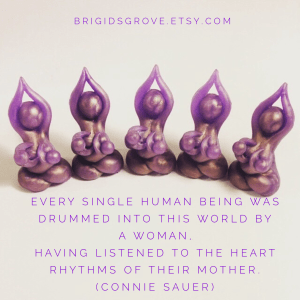
At the same time I’ve been feeling this tension and strain and perpetual “push,” I felt moved to create a new sculpture. She was created to remind me to be tender with my heart and to hold my own center with as much love as I’ve cradled my babies, all ages of them, for the last twelve years.

IMG_7256

Sign up for the Brigid’s Grove Newsletter for resources, monthly freebies, + art and workshop announcements.

Most recent Brigid’s Grove newsletter is here.

Talk Books: Touching Bellies, Touching Lives

touchingbelliesEvery so often I end up reading a book that is nothing like I was expecting and yet is totally amazing. Touching Bellies, Touching Lives is one of those books. Subtitled “Midwives of Southern Mexico Tell Their Stories,” I was expecting a collection of birth stories from Mexican midwives. While there are birth stories, and everyone knows that I love birth stories, this book is so much more than a birth story collection. It is a personal pilgrimage, a preservation of the legacy of midwives, an examination of cultural birth practices, and a sobering first-hand account of the declining culture of traditional midwifery in Mexico. Many people may have the misconception that in Mexico or other South American cultures, midwifery is commonplace and maybe even flourishing. In Touching Bellies, we come to understand that Western medical practices are encroaching at a steady pace and that many midwives are elderly, retiring, and not being replaced. A steady theme runs throughout of women going to midwives for “belly massage,” but going to “modern” facilities to have their babies (unfortunately, they’ve imported some U.S. 1950’s-style practices in terms of birth position, birthing alone with no husbands allowed, and being treated dismissively in labor. This is along with a cesarean rate over 40% and up to 70% much in some cities).

The author, Judy Gabriel, takes multiple trips to Mexico on her quest to document the lives and stories of Mexican midwives (most of whom are age 65 and many of whom do not live to see the end of the book). She photographs the midwives and, with some hurdles with language barriers, listens to their stories–asking about the first birth they attended as well as any births that were problematic for them. She returns to them bearing hearing aids, dresses, and photos of family members from the United States. She travels through rough terrain and to distant villages on her quest to listen and learn from these midwives. I was completely absorbed by Judy’s dedication to her mission and her personal insights and life lessons as she travels and learns.

The “belly massage” practice for which Touching Bellies gains its title was endlessly fascinating to me (and to Judy, the author) with midwives regularly helping position the baby, release tight muscles, and ease aches and pains through a gentle process of abdominal massage and fetal manipulation. This aspect of midwifery care was so pervasive that when Judy would ask in a village where the midwives are, many people would not understand and say that they don’t know what she is talking about. When she asks for the woman who massages the bellies of pregnant women, everyone knows where to tell her to go.

In this quote, a 75-year-old midwife tells the story of helping a woman who is in premature labor. The doctors have tried to stop her contractions without avail and now say she must have a cesarean and the baby will most likely die:

“…The mother-in-law said, ‘This woman knows more than you doctors. You may have gone to the university, but, excuse me, for you doctors it is always puro cuchillo, puro cuchillo [just knives, just knives]. Leave the midwife to work in peace, and you’ll see what can be done without knives.’

So I did my work. I rocked the girl in a rebozo and massaged her belly, moving the baby up. The contractions stopped.

The doctors asked, ‘How did you do that?’

I said, ‘You were standing right there watching. I did it in front of you. I’m not hiding anything. You saw me rock her; you saw me massage her.’

‘Is that all you had to do?” they asked.

I said, ‘Yes, that’s all I had to do. What else would I have to do?’

(The baby survived and was born at full-term six weeks later.)

The dedicated care for women, in touching their bellies, touches their lives. Almost all of the midwives in the book have access to nurturing touch and almost no other resources available and yet almost all of them report never losing a baby or a mother in childbirth.

I absolutely loved reading Touching Bellies, Touching Lives. It is an extremely interesting, thought-provoking, and thoroughly fascinating journey. The information about the gradual decline and near-extinction of midwifery in Mexico is sobering, but the book does end on a hopeful note.

You can read more about the book here as well as see some of the interesting documentary-style photographs of the midwives from the book (one of the points of Judy’s travels was to photograph the midwives and share pictures of their families in the U.S. with them and vice versa). The book itself is available via Amazon.

Disclosure: I received a complimentary copy of this book for review purposes.

Tuesday Tidbits: How to Make Life Easier as a New Parent

11825867_1652717638273785_2485010122977810992_n

In all my years as a birthworker, I still find that one of the most overlooked topics in childbirth preparation is adequate preparation for postpartum—those early weeks, or months, with a new baby. In my personal life, I experienced a difficult postpartum adjustment with my first baby, an easier one with my second baby, and two delightful, nurturing babymoons with my last two babies. Years after training as a postpartum doula, good postpartum care remains one of my passions, so I really enjoyed this post from a mother of five. Her feelings of rushing to get back to “normal” feel very familiar even though almost twelve years have passed since my first, tender, postpartum adjustment:

“I remember coming home from going out for the afternoon with Hero at 7 days postpartum. After we got back to our tiny apartment I came down with a fever. I was probably wearing the cutest non-comfortable outfit I could squeeze into. I probably didn’t think that 7 days after giving birth required anything of me other than “getting back to normal.” Life went on, and I urged it faster. In fact, that’s the way I parented, too. Smile, laugh, roll over, sit, crawl, walk, run, milestone, milestone, grow, grow, grow…

When I think back on my postpartum times (for the most part) I remember being exhausted, being emotional, being upset at Kirby for not doing enough, feeling fragile, feeling sad, and feeling weak. And then I got pregnant with Peter… And by the time I had him, I had interacted with enough wise mothers who had screwed up enough to know better and they told me what to do and I listened. After five babies I could finally say I did it right. I’m not saying you have to do it like me. Maybe you’ve already got your postpartum flow down and you need no such advice. In that case, a w e s o m e…”

Now I realize that some moms can just go, and they are happier that way! I get that. But it took me too long to realize that that’s not me. And I don’t want you to spend too much time thinking that should be you if it isn’t. Don’t spend four days, don’t spend four weeks, and certainly don’t spend 4 entire babies feeling like a shell of a person trying to figure it out…

The Fike Life: How to postpartum like a boss.

Unlike my early memories of my first son’s life, rather than looking back with sense of regret and fatigue, I look back on the weeks postpartum with Tanner (fourth and final full-term baby) with a tinge of wistfulness for the sweet, delicate, care-full time we spent together, nestled in bed in milky, marveling wonder. The author of the post above describes it as a “little sacred space,” and that is exactly how I feel. It also needs to be fiercely protected.

I look at that one week postpartum as a little sacred space that I will never get back. It’s a space where, for the most part, it’s just that brand new baby and me. And I’m selfish about it. And not sorry. Life will keep plummeting forward rapidly and I won’t ever stop it. But I can have a week with a floppy new baby on my chest in my bed and I’ll take it. And I’ll protect it.

AND IF THAT DOESNT TUG AT YOU MOTHERLY HEARTSTRINGS KNOW THIS… (super practical advice I got from my midwife with Peter)

When you have a baby you are recovering from an injury that is deeply internal. Your blood needs to stay concentrated there to bring essential nutrients to heal your organs and make you strong again. When you get up and walk around, your blood abandons your core and flows into your extremities, which can massively prolong your recovery. Stay rested and keep yourself down as much as you can. Just think of your organs! They need you!

via The Fike Life: How to postpartum like a boss.

It isn’t just the weeks following a new baby’s birth that matter, the first hour matters too and can set the tone for the rest of the postpartum journey:

…The way your baby is cared for and nurtured immediately after birth significantly impacts their transition from the womb to life outside.

In a culture that commonly separates mothers and babies for routine procedures such as cleaning, weighing and measuring, most babies are missing that critical time of being skin to skin with their mothers, which has short and long term consequences for all.

As these procedures are not necessary to maintain or enhance the wellbeing of either mother or baby, there is no reason why they cannot be delayed beyond the first critical hour.

via 7 Huge Benefits of An Undisturbed First Hour After Birth | BellyBelly.

Why doesn’t this uninterrupted hour and subsequent caring postpartum support happen for all new families? One reason is related to the “treatment intensity” of the US birth culture:

The questions you post in your article are good ones: Are midwives safer than doctors? How can homes be safer than hospitals and what implications does this study have for the US?

It’s a super knotty issue and it shouldn’t be about the superiority of midwives over doctors or homes over hospitals. The debate we should be having is over “treatment intensity” in childbirth and when enough is enough. The concern is that patients can be harmed by doing too much and by doing too little–in the US I worry that we cause avoidable harm by always erring on the side of too much.

via An Unexpected Opinion on Home Birth | Every Mother Counts.

Another is related to routine hospital practices that are not evidence based:

1. Start with giving the birthing woman antibiotics in high doses so that the baby develops candida (thrush) and colic. Then mix in a lot of stitches, either to repair the perineum or the lower belly/uterus.

2. Separate the mother and newborn. Make the mother walk a long distance (with her stitched body) to be able to see/feed her newborn…

via 6 Point Recipe for Making New Parenthood as Difficult as Possible | Wise Woman Way of Birth | by Gloria Lemay.

On a related note, we find that breastfeeding gets off to a better start when birth is undisturbed. We also find that decisions about breastfeeding may be made months before the baby is actually born:

…Recently, a nurse contacted me asking for ideas for teaching an early pregnancy breastfeeding class. I think this is a great idea, since mothers’ decisions about breastfeeding are often made before the baby is conceived and if not then, during the first trimester.

via Breastfeeding Class Resources | Talk Birth.

11800191_1651989138346635_1607714063463262593_nIt isn’t just postpartum during which we need these reminders about the “cycle of care.” The cycle of care of young children can be largely invisible, both to those around us and to ourselves. I’ve taken some time this week to appreciate my investment in my baby and cut myself a little slack on the other things I always want to “get done.” Brain-building is important work too!

Speaking of said baby, who has been taking his first steps this week at nine months old, I was amused this week to come across one of my older posts on family size decisions, in which I decreed my doneness with my childbearing years. Instead of embarrassing, I find the post oddly affirming or reinforcing that at some level I really did know that we weren’t quite “done,” there was still space in our family (and our hearts!) and there really was one more baby “out there” for us.

We decided we’d make the final, ultimate decision after she turned two, because too much longer after that point would make more of an age gap than we’d want. I posted on Facebook asking how do people know they’re “done.” I had an expectation of having some kind of blinding epiphany and a deep knowing that our family is complete, as I’ve had so many other people describe: “I just knew, our family was complete.” I didn’t have that knowing though—I vacillated day to day. What if I never know for sure, I fretted. Perhaps this sense of wistfulness and possibility with continue forever—maybe it is simply normal. One more. No, finished. But…ONE more?! And, I have a space in my heart that knows with great confidence that four (living) children would be the ultimate maximum for us. I definitely do not want more than four…so, does that mean there still is one more “out there” for us?

via Driveway Revelations (on Family Size) | Talk Birth.

However, I also find it to be true that four is most definitely the ultimate maximum. We laughed earlier this week remembering that a couple of weeks after Tanner was born I kept saying that I thought maybe we’d picked the wrong name for him. Mark asked me what I thought it should be and I said I kept thinking that maybe it should have been “Max.” While we joked at the time that this was because he is Maximus Babius, I only now caught on to the unintended double joke that he has definitely pushed our family size to our “max”!

Other tidbits:

I got this book about midwives in Mexico to review and have been zooming through it. It is SO good!

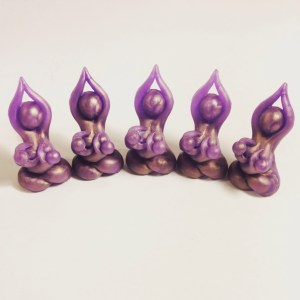
We’ve been working on new sculptures!

11850648_10207522285005258_4065455347313524959_o

(read more: Sneak Peek: Pregnant Mama – Brigid’s Grove)

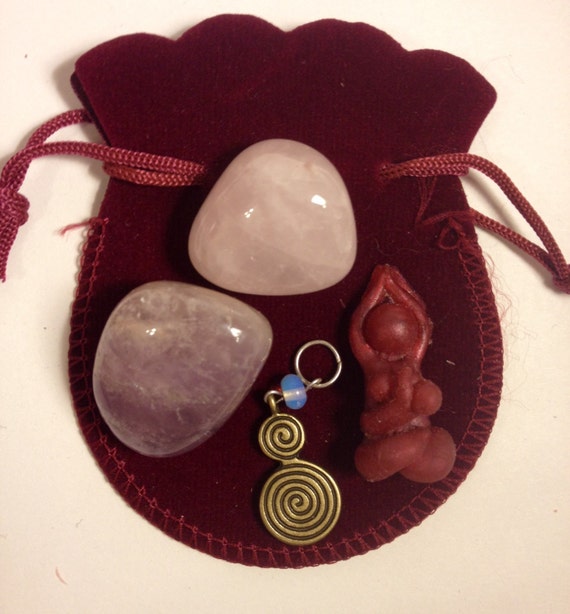
We’ve added some new Moon Wisdom/First Moon bundles to our shop:

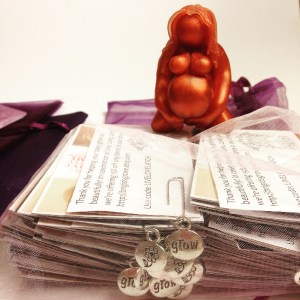
11825154_1650996815112534_7593072070926503121_nAnd, our new blessing cards came in. We were printing these on regular printer paper and are excited to have nice, professional cards instead!

11800234_1650792701799612_305310151573875723_nWe also still have five spaces left in the Red Tent Initiation program beginning at the end of the month:

Sign up for the Brigid’s Grove Newsletter for resources, monthly freebies, + art and workshop announcements.

And, as is our tradition, in honor of World Breastfeeding Week and National Breastfeeding Month, you can get 10% off items in our shop throughout August: WBW10OFF.

Ninemonthababy!

July 2015 045I find the NINO point with all my babies to be bittersweet: nine months in, nine months out. As I think about things I did last year and see old pictures going past via the “memory” feature on Facebook, I’m regularly stunned by how quickly time has passed and what an integral part of our lives our little T-bot is. It is also interesting to me how the Return to Non-Pregnant Woman feels. Pregnancy is so encompassing and then, it is over, and the physicality of it, the unity of it, the specialness of it–that thoroughly embodied and yet somehow transcendent state–becomes a memory. A poignant memory, yes, but one I find that fades in terms of being able to thoroughly mentally “touch.” On the same note, I also notice that I am only two pounds away from my pre-pregnancy weight (which was actually about 10 pounds over where I feel most comfortable/happy). I’m fascinated by how it takes nine months to transform into Fully Pregnant Woman and nine months to restore one’s old self.

Speaking of poignancy and NINO, my brother, SIL, and nephew were visiting at the end of the month during his first birthday and we took some more re-creation pictures based on the tandem pregnancy pictures my mom took of us while we were waiting in July of last year for the birth of their baby. I notice now after excavating last year’s pictures, that I did not actually pick out the same outfit to wear even though I was certain I had picked it correctly!

What a difference a year makes! I also wish we would have re-created this one somehow:

IMG_5959Okay, so back to the ninemonthababy. He has his first tooth and his second! (7/23 and 7/31) He loves music, especially rattling rattles (which he also bangs on the floor really hard). One of his dancing moves is to wiggle his arms really fast and enthusiastically. I put a short clip of dance action with arm skillz is on Instagram here and the longer video is on my Facebook. I’m so glad my mom took it! Super cute!

While not clearly enunciated by any means, he seems to say: raisin, more (+ the babysign), brother, yay, mama, kitty, and that sound that means “icky” that moms make to tell babies not to touch stuff. As I’ve noted before, he also seems to ask to nurse by requesting, “mama, wa-wa” (mama water!).

He points and claps. He likes to find rocks to eat. Also, he used his talents to “catch” a leech at the river on our mini vacation. Yes. I looked down to see him carefully pinching up an absolutely gigantic leech and kind rolling it thoughtfully around (I suspect in preparation to eat it). He still makes his cute little “Cabbage Patch” face (see opening photo) and I’ll be sad to see it go now that the teeth have come in.

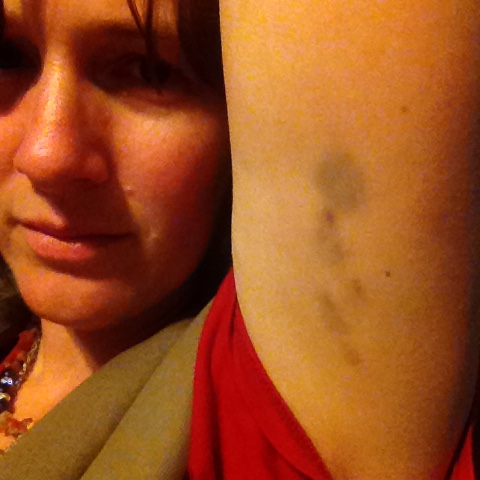
He seems to have dropped his second nap. He pinches the tender skin on the back of my arm in a horrible manner and leaves bruises all over me.

July 2015 023He loves Daddy extra-much. Mark told me the other day, “he likes me the way I always hoped our babies would like me.” He will go to Mark when sad and loves to go with him to explore outside (often, leaning out of my arms and into Mark’s and then looking back and waving, “bye” to me!). He crawls super fast to greet Mark when he comes inside and in the mornings leans over from my arms to give him a “hello again!” hug and snuggle.

July 2015 030

Featuring Cabbage Patch face!

Mark describes Tanner as being like a “force of nature”—i.e. not caring what destruction it may leave in its wake!

He remains a super up-down, up-down, up-down baby, meaning that as soon as he is picked up, he wants down and vice versa. Repeat. It can be extremely wearing! He also doesn’t hold on to be carried, but instead leans forward, propelling you with his momentum and almost flinging himself out of your arms. He pivots and twists and leans forward and “surfs” with only his feet touching your body and the rest straining into mid-air. He retains the keen sense of injustice that I think may be most acutely experienced by those who are the youngest of four. He has a funny little half kneel, half squat that he does to reach up. He stands alone all the time (plus can squat up and down unsupported) and has taken two steps in a row unsupported.

July 2015 082

Soon to be a scene of the past!

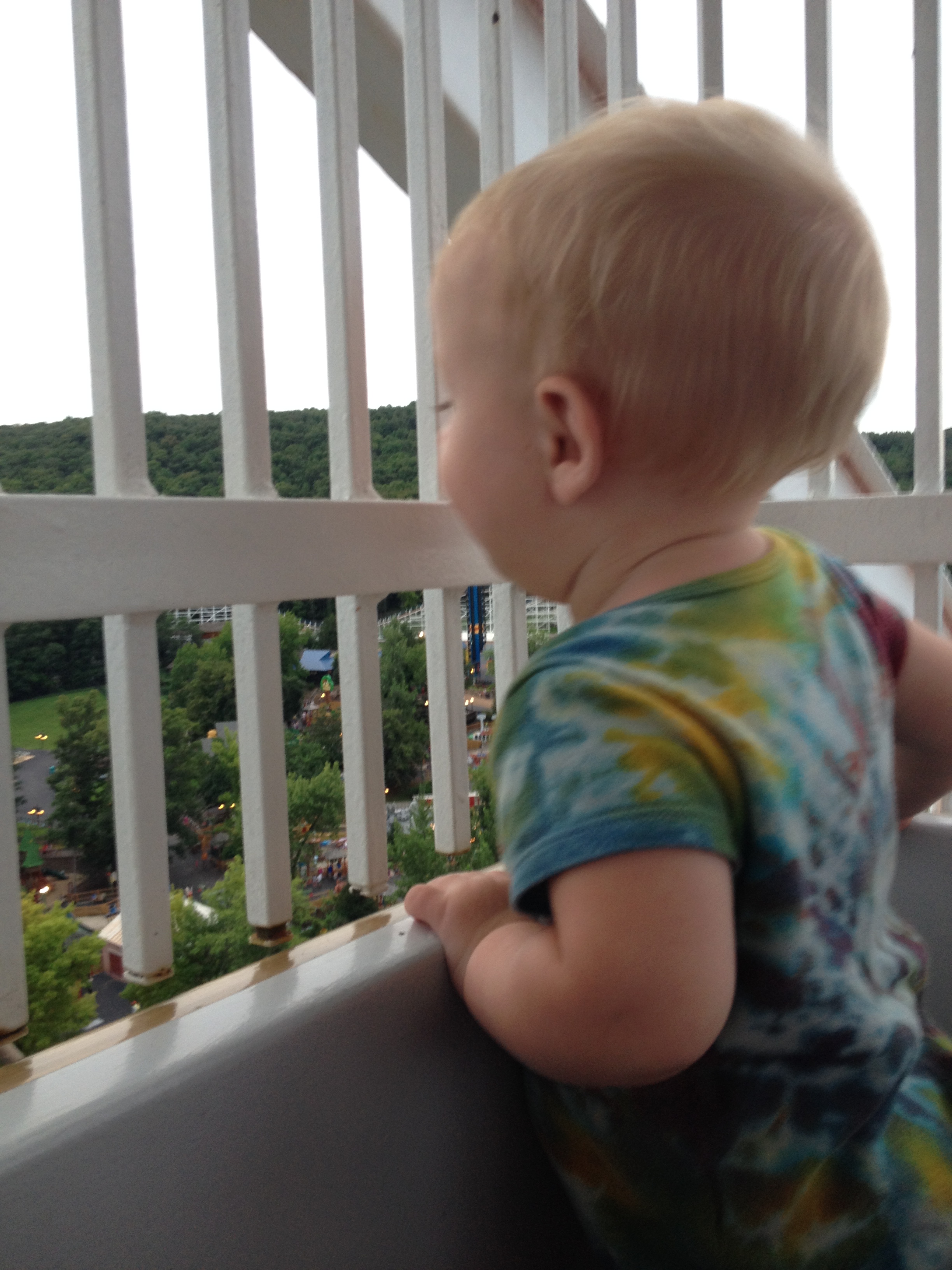
We went to Six Flags in late July. I hope to write a separate blog post about it soon, because it was such a great time! We also went on a mini-vacation to a lakeside cabin near the river at the very end of July. He still hates the car, but does okay if I’m sitting in the back with him and Mark is driving (not always possible).

July 2015 058

Looking down from the top of Colossus (ferris wheel).

It is hard to find time to write a nine month blog post because said nine month old absorbs a lot of energy! And, he bangs the keys and eats the mouse whenever possible.

July 2015 003I took the kids to playgroup at the skating rink in July and Tanner was playing on the slide for the first time. I sat at the bottom looking up at him and remembering the other babies and little children I’ve waited for at the bottom of this same slide. For him, it was new. A discovery. For me, a bittersweet déjà vu and pang of re-recognition: the world spins so fast. I thought of how much changes and how much stays the same. The different friends who’ve opened their arms to babies at the end of that same slide with me and how many of them have moved away, had more babies, experienced changes, and I’m still there: at the bottom of the slide. My oldest son is almost 12. Yesterday, he was a baby on the slide. I wondered if in 11 more years, I’ll still be taking kids to that skating rink….the wheel rolls.

July 2015 122

Tuesday Tidbits: Does Breastfeeding Really Matter?

August 2015 060Does breastfeeding really matter? Or, is it just one possible way to feed a baby?

Breastfeeding matters. It matters for women, babies, families, workplaces, society, and the whole world.

But, is breastfeeding hard?

It is true that in the early weeks many women experience difficulties with breastfeeding. Coupled with the lack of support many women also experience from partners, in-laws, extended family members, and employers, they may stop breastfeeding long before they originally hoped and planned. Is that breastfeeding’s fault though? Is it inherently difficult? No, but it turns out that our prevalent images of breastfeeding may contribute to difficulties with latch and milk flow. Laid-back breastfeeding (nursing the baby draped across your body tummy to tummy rather than sitting upright with the baby in the crook of your arm) may be the answer to many early breastfeeding challenges:

In the commonly used cradle, cross-cradle, and football/rugby holds, mothers and babies must fight the effects of gravity to get babies to breast level and keep their fronts touching. If gaps form between them (which can happen easily with gravity pulling baby’s body down and away), this disorients baby, which can lead to latching struggles. The pull of gravity makes it impossible for a newborn to use his inborn responses to get to his food source and feed. For baby, it is like trying to climb Mount Everest. Instead of mothers and babies working together as breastfeeding partners, mothers must do all of the work. Instead of being able to relax while baby helps, most mothers sit hunched over, tense, and struggling.To complicate things further, in these positions, gravity can transform the same inborn feeding responses that should be helping babies into barriers to breastfeeding. Head bobbing becomes head butting. Arm and leg movements meant to move babies to the breast become pushing and kicking. Mothers struggling to manage their babies’ arms and legs in these upright breastfeeding holds have often told me: “I don’t think I have enough hands to breastfeed.”

How Natural Breastfeeding Can Help

In Natural Breastfeeding positions, baby rests tummy down on mother’s body, ensuring the full frontal contact that activates his GPS. Baby’s weight pushes the pressure buttons on his front, which improves his coordination for easier feeding. Natural Breastfeeding makes it possible for babies to be the active breastfeeding partners that nature intended. But it’s not just good for babies. Mothers can relax completely and rest while baby feeds, often with both hands free. And gravity helps baby take the breast deeply, so there’s no need to micromanage baby’s latch.

via Many Moms May Have Been Taught to Breastfeed Incorrectly: Surprising New Research – Mothering.

I learned about laid-back breastfeeding before my third child was born. It made a huge difference in her ability to latch well and nurse comfortably (I then didn’t discover she had an upper lip tie until she had dental work at two!) It also made a dramatic difference for my last baby, who was my easiest, most comfortable, almost-painless-from-the-start, early breastfeeding experience (they all got easy with time and I nursed each for three years, but the early weeks were more challenging with the first three compared to the last!)

August 2015 034
Isn’t modern formula close to breastmilk though?

No! Breastmilk is a living substance, customized to your specific baby. It is amazing how many unique things breastmilk can do!

Vitamins and minerals that we all know are present only represent a very small proportion of what’s in our milk. There is a huge range of other components. Components, for instance, that dispose of harmful bacteria in different ways. By absorbing them, engulfing them, destroying them, lining the gut and preventing them from entering our baby’s blood stream, preventing them from using our baby’s iron stores to grow (pathogens need iron to thrive), etc…

And these are targeted responses to specific pathogens, because our baby’s saliva goes into our blood stream and informs us of anything harmful they have been exposed to in the last few hours. Our body immediately produces the exact antibodies for that specific infection, and feeds it back to our babies via our milk within the hour.

via The composition of Human milk | Breastfeeding Thoughts.

Notice I do not say that breastmilk is “perfect.” What it is, is normal. It is the species-specific, biological appropriate food for human babies.

I’ve heard that our bodies make different kinds of milk and you have to be careful to separate the foremilk from the hindmilk though? Doesn’t that mean I’ll need to pump to make sure my baby is getting enough of the cream?

If you have pumped and put your milk in the fridge, you have noticed the same phenomenon. As the milk cools, the fattier, more opaque milk rises to the top and the bottom portion of the milk appears thinner, more translucent. Perhaps you would call this milk more “watery.” But, it isn’t watery. It doesn’t lack nutrients. It is just lower in fat.

Breastfeeding moms read a lot about foremilk and hind milk and for lack of a better term, obsess about it. I talk about this with moms way more than I care to. Why?

Because, in my opinion, this is a completely nonsensical and irrelevant topic 99% of the time.

We don’t know the fat concentration of your milk when the baby first starts nursing, nor do we know the rate at which the milk gets fattier.

via Balanced Breastfeeding – “The Good Milk” Foremilk/Hindmilk.

What about postpartum depression? One of my friends said that her doctor told her to wean because of depression.

While this is a common recommendation, it is not evidence-based. In fact, breastfeeding helps protect mothers’ August 2015 001 mental health by mediating the effects of stress:
Research over the past decade has shown that breastfeeding and depression intersect in some interesting and surprising ways. All of this work has shown something that makes sense. Breastfeeding does not deplete mothers, nor does it cause depression.

Breastfeeding problems certainly can do both of these things—all the more reason why women need good support and accurate information. But it does not make sense for something so critical to the survival of our species to be harmful for mothers. And it is not.

Breastfeeding and stress

One of the initial areas of research was in examining the role of breastfeeding in turning off the stress response. Of particular importance was breastfeeding’s role in lessening mothers’ levels of inflammation (which is part of the stress response). The molecules that cause inflammation can lead to depression. When inflammation levels are high, people are more likely to get depressed. When inflammation levels are lower, the risk of depression goes down. The great thing is that breastfeeding is specifically anti-inflammatory. This is one way that breastfeeding protects women’s health throughout their lives. It lowers their risk of depression. It also lowers their risk of diseases such as heart disease and diabetes…

via Mothers’ Mental Health and Breastfeeding – Breastfeeding Today.

Side note: why is depression such a risk for mothers anyway?

…When you consider the isolation, lack of support, history of abuse or other trauma, and, particularly in the U.S., the need for mothers to return to work almost immediately following the birth, the increase in depression rates is hardly surprising…

via Mothers’ Mental Health and Breastfeeding – Breastfeeding Today.

What about the sleepless nights everyone talks about? I want my partner to be able to feed the baby at night so I can get more sleep.

Similar to mental health, research has actually found that nursing mothers get more sleep, not less.

And, on a related note, many people share the misconception that it is normal and desirable for a breastfed baby to “grow out” of needing to nurse during the night. This actually depends on multiple factors, primarily the storage capacity of a mother’s breast:

In other words, if you are a mother with an average or small breast storage capacity [which is unrelated to breast size], night feedings may need to continue for many months in order for your milk production to stay stable and for your baby to thrive. Also, because your baby has access to less milk at each feeding, night feedings may be crucial for him to get enough milk overall. Again, what’s important is not how much milk a baby receives at each individual feeding, but how much milk he consumes in a 24-hour day. If a mother with a small storage capacity uses sleep training strategies to force her baby to go for longer stretches between feedings, this may slow her milk production and compromise her baby’s weight gain.

via Do Older Babies Need Night Feedings? — Nancy Mohrbacher.

Am I creating a bad habit by allowing baby to breastfeed to sleep? April 2015 090

Your child’s desire to nurse to sleep is very normal and not a bad habit you’ve fostered. Don’t be afraid to nurse your baby to sleep or fear that you are perpetuating a bad habit. Baby often will seek the breast when sleepy or over-stimulated because it’s a comforting and familiar place to him. To associate the breast with wanting to relax enough to go to sleep makes perfect sense. As adults, we also do things to relax ourselves so we can go to sleep: we read, watch TV, get something warm to drink or a snack, deep breathe, get all snug under the covers, etc. Breastfeeding does the same thing for your baby.

via KellyMom.com : Breastfeeding to Sleep and Other Comfort Nursing.

You may find that nighttime nursing is surprisingly peaceful and undisturbed. I remember finding my first baby often puzzling during the day, but at night, it felt like we were in perfect harmony…

…So we feast together in the darkness.
Till we are both full-filled.
Me. You.
You. Me.
Youme.

via A Poem for World Breastfeeding Week 2015 #WBW – The Story Witch.

Breastfeeding matters. It is woven through our lives and through the interlocking systems of society. It has important impacts on physical, mental, and emotional health for both you and your baby. In fact, breastfeeding is a type of “shero’s journey,” one that impacts a mother and her child through the rest of their lives:

Breastfeeding is the day in and day fabric of connection. It is a huge physical and emotional investment, the continued devotion of one’s body to one’s baby. Breastfeeding support may not as exciting or thrilling as birthwork for me, but it is so very REAL and so very needed, and part of the nitty-gritty reality of individual mother’s complicated lives as they find their feet on the motherhood road. It really matters.

In what ways has breastfeeding been a hero’s journey for you?

via Breastfeeding as a (s)hero’s journey? | Talk Birth.
Breastfeeding Blessing Pocket Altar (mini birth altar, medicine bundle, doula, midwife, mother blessing, lactation, nursing)Sign up for the Brigid’s Grove Newsletter for resources, monthly freebies, + art and workshop announcements.

And, as is our tradition, in honor of World Breastfeeding Week and National Breastfeeding Month, you can get 10% off items in our shop throughout August: WBW10OFF.
Celebrating World Breastfeeding Week!

August 2015 043It is World Breastfeeding Week and we’ve been busy supporting celebratory events around the country. We donated nursing mama sculptures to the World Breastfeeding Week picnic in Springfield, MO and to two LLL Leader workshops, one in NY and one in Tennessee. Today, we donated a birth sculpture and 4o goodie packets to the upcoming Women in the Wild photo shoot in Kansas City and we also mailed a spiral mama sculpture and 20 goodie packets to a Live, Love, Latch event in Portland, TN.

August 2015 068Is there a Live, Love, Latch event near you? Check it out here: Events – Live, Love, Latch!

On August 22, we’ll be giving away some goodies at MamaFest in Rolla, which is also registered as a Live, Love, Latch event.

What is MamaFest?

 It’s a celebration! A celebration of women, of community organizations that serve women, of women-owned/women-oriented businesses. We want you to come visit the vendors, have some refreshments, visit with your friends on the couch, and take home awareness of what your community has to offer YOU.

(Men and children are welcome to attend!)

via MamaFest 2015.

I’m particularly excited about the Women in the Wild event. This article about the effort really brings home why it matters:

…The women behind this photo would like to shift the paradigm, to change the narrative of shame that is inflicted upon mothers. They would like to celebrate the bodies of mothers, with all of their glorious imperfections, because they are strong, and beautiful. Mother of one, Jacklyn Kosakowski, shared: ”When the opportunity came up to take this photo, I honestly wasn’t doing it for others. I did it for myself. My changing body during pregnancy was difficult for me, and especially afterwards was hard. I’m at a good place with myself and I have just recently began to appreciate my stretch marks and mommy belly. This body carried and nourished my baby for nine months and pushed for four hours just to meet her, so I should be proud of this body. To just be out in the open, half naked, with other beautiful mothers was such an amazing feeling. There was no judgement, we all looked beautiful.”

via The Shame Game » Erin White Photography.

You can also visit Erin White Photography on Facebook for more information and beautiful, inspiring photos.

The theme of the 2015 World Breastfeeding Week is: “Let’s Make it Work” and it focuses on mothers combining breastfeeding and employment.

The WBW 2015 theme on working women and breastfeeding revisits the 1993 WBW campaign on the Mother-Friendly Workplace Initiative. Much has been achieved in 22 years of global action supporting women in combining breastfeeding and work, particularly the adoption of the revised ILO Convention 183 on Maternity Protection with much stronger maternity entitlements, and more country actions on improving national laws and practices. At the workplace level, we have also seen more actions taken to set up breastfeeding or mother-friendly workplaces including awards for breastfeeding-friendly employers, as well as greater mass awareness on working women’s rights to breastfeed.

via World Breastfeeding Week 2015.

WHO_BreastfeedingWeek2015_EN4Images for the 2015 theme of “Let’s Make it Work” are available here: WHO | World Breastfeeding Week.

Why does the support of employers matter to breastfeeding women? It matters immensely. Women and their babies don’t exist in isolation, they are nestled within larger systems that can either help make or break the breastfeeding relationship:

“Governments and commercial companies will ‘invest’ billions in expensive new technology: roads, bridges, airports, dams or power generation plants, ‘for the good of society’. They may even ‘invest’ in schools and hospitals, but the crucial primary investment in the emotional, physical and mental health of all humans, which breastfeeding and mothering provide, is invisible.”

—Gabrielle Palmer (The Politics of Breastfeeding, p. 333)

via Breastfeeding as an Ecofeminist Issue: Collage Project | Talk Birth.

Seriously. This is why World Breastfeeding Week matters. It isn’t just about breastfeeding memes and platitudes, it is about systemic change in the US and around the world.

I was interested by this story about an Argentinian politician and her baby breastfeeding at work:

…We’re having a moment here when it comes to the cultural conversation surround public breastfeeding. When we talk about women balancing work and childcare, part of what we’re talking about is women living in a world that makes it difficult to care for their children while simultaneously managing the rest of their lives. It’s not that it’s physically impossible to care for a baby while going about one’s day, it’s that we live in a world in which women are shamed for things like breastfeeding in public.

via Why it’s important that this Argentinian politician was breastfeeding her baby on the job – Page 2 of 2.

August 2015 060…We are mammals because as a species we nurse our young. This is a fundamental tie between the women of our time and place and the women of all other times and places as well as between the female members of every mammal species that have ever lived. It is our root tie to the planet, to the cycles of life, and to mammal life on earth. It is precisely this connection to the physical, the earthy, the material, the mundane, the body, that breastfeeding challenges men, feminists, and society.

Breastfeeding is a feminist issue and a fundamental women’s issue. And, it is an issue deeply embedded in a sociocultural context. Attitudes towards breastfeeding are intimately entwined with attitudes toward women, women’s bodies, and who has “ownership” of them. Patriarchy chafes at a woman having the audacity to feed her child with her own body, under her own authority, and without the need for any other. Feminism sometimes chafes at the “control” over the woman’s body exerted by the breastfeeding infant…

via Breastfeeding as an Ecofeminist Issue | Talk Birth.

Past World Breastfeeding Week posts:

 Sign up for the Brigid’s Grove Newsletter for resources, monthly freebies, + art and workshop announcements.

And, as is our tradition, in honor of WBW and National Breastfeeding Month, you can get 10% off items in our shop throughout August: WBW10OFF.

Eightmonthababy!

June 2015 037

At river!

I’m mired down in paper grading and classwork right now, but I don’t want to let too many more days pass without a quick update about my eightmonthababy! This little guy continues to speed his way through life.

As of 8 months, this is what we’ve got going on:

  • Climbs stuff. For real. If he sees a box or an unsteady lid, or a stack of toys or laundry, he climbs up to boost his reach.
  • Smiles a funny, quirky closed mouth smile more often than a huge gumbly grin. It is kind of wryly amused smirky smile. I don’t remember my other babies doing this.
  • No teef! Not sure where they are, but its okay.
  • Claps to music. Loves music.
  • Also still loves to go outside. And, loves, loves, loves, water and swimming and baths.
  • Waves and says bye and hi and mama and wa-wa. More than once, has pulled my shirt and said “Mama, wa-wa,” which I take to mean he wants “Mama Water” (i.e. nursing). Had total Helen Keller moment with washing his hands and while they were under the water he June 2015 065suddenly made the connection. Later, when recounting the story of this lightbulb moment to others, he, sitting and looking with his little smirk, announced “wa-wa, indicating he had heard story and was confirming account!
  • Has specific noise that means, “something fell on me.” Happens with relative frequency due to aforementioned tendency to find things to climb on.
  • Weighs 22lbs! Is a big chunk. Is heavy and long.
  • Stands up alone from ground periodically. Also, stands unsupported when you set him down on the floor. And, just yesterday, took two steps alone supported only by bacon. Yes, was eating bacon (locally raised and nitrateless! Crunchy points intact?!?!). Had it sticking out of his mouth and Mark reached out for it for some reason and had one end of the piece and Tanner walked towards him like he would if his hand was held.
  • Is extremely energetic, grabby, reachy. Always spinning around trying to reach things and leans forward while you’re carrying him to “steer” you in proper direction. Very hard to hold! My dad described him as being like trying to hold “liquid metal.” This is very true.
  • Speaking of my dad, Tanner loves him very much! He also loves my mom and he goes over to their house with June 2015 039the rest of the big kids almost every day!
  • Realized that the days of the “softly furred scalp” have passed. He has tons of blondie-blonderson hair instead. I miss the little ripe-peach head, but the fuzzy hair head is very nice too.
  • Crawls fast. Puts on a burst of speed to catch up. Goes to find me. Looks in rooms for me.
  • I don’t take enough video!!!! My other kids are always after me about this in a semi-accusatory manner. My iphone is perpetually out of storage space and that’s why. I need to get with the program because he isn’t going to be an adorable, burst-of-speed crawler for much longer!
  • I still sit next to him at naps. Takes a long mid-day nap (with much flopping around and back-patting to stay asleep, hence the sitting next to him) and a short late-afternoon nap (usually on my chest). I finally feel like he nurses enough during the day and my milk supply is in sync now with how often I often to nurse him and how much he actually wants to nurse. This has led to much better night sleep for me, which for a while was a challenge—he was nursing probably eight times a night or more for a while (to make up for only little snacks during the day, due to being so on the go) and now it is more like three times. Clearly, at 22 pounds, all is well.

June 2015 013I think that the most unconditional love I’ve experienced is from my babies TO me. I’ve never been loved so intensely and wholeheartedly as my babies love me. I know that might sound weird and that we think of parents as the ones having unconditional love for their babies, not vice versa, but the depth of the mother-baby attachment is extremely profound and incomparable. It is also feels so simple and uncomplicated. I had the same depth of attachment with all my children, but with each one I feel more aware of how short-lasting this period of intensity is and I just love how much my baby loves me. While we’ll always love each other deeply, right now we are a motherbaby—a single psychobiological organism and there just isn’t anything else like it.

June 2015 067

At summer party/family ritual. I am nursing, babywearing, eating homemade cotton candy, and scattering rose petals in our summer mandala + holding scissors for trimming flowers…all at the same time.

Tuesday Tidbits: Birth Privacy

IMG_5598 I’ve been trying to post about this article for a couple of weeks now! It is an interesting look at the biological need for privacy at the end of pregnancy and during birth.

…This ‘time’ at the end of pregnancy was described in a lovely article (The Last Days of Pregnancy: A Place of In-Between- The Mothering website) as Zwischen, a German word for between. At the end of pregnancy the mothering hormones start to cause emotions to run high as the cervix starts to soften, efface and women generally crave the quiet and private places they need to emotionally and mentally travel inwards.

In many traditional cultures around the world, women are known to actively leave their tribes for birthing huts (Inuit Tribe a group of indigenous people residing in the Arctic regions, Kwaio a tribe who live in an Island off the Pacific and many more). The Eipos people in Papa New Guinea are documented (Schnietenhovel) to go into the Wilderness of the Bush shortly before the onset of labour. The tribes above are also protected by various women they already have a relationship with throughout their pregnancy and birth journeys. Midwives and female relatives provide the support to enable confidence in the birthing process and some of the women will go off and give birth alone.

via The biological need for privacy at the end of pregnancy | Calm Yorkshire Birth.

She also writes about how the pervasiveness of social media might impact this need for privacy:

…Don’t be fooled by the facelessness of facebook and other social media. Just because you cannot be physically seen, it doesn’t mean you have privacy. I often hear so much unnecessary stress from women who feel observed on groups within the social media communities. Smart phones leave us open to be contacted by anyone day or night at a time when we just don’t want to be in touch with anyone at all. I wonder what effect social media has on the orchestration of birthing hormones that play such a vital part in undisturbed childbirth.

via The biological need for privacy at the end of pregnancy | Calm Yorkshire Birth.

I felt a strong call to retreat and pull in during all of my pregnancies, maybe because of my introverted personality and craving for solitude, but maybe because of biology too…

Pregnancy—towards the end of pregnancy I feel an inward call. I start wanting to quit things, to be alone, to “nest,” to create art, to journal, and to sink into myself. Nothing sounds better to me in late pregnancy than sitting in the sunlight with my hands on my belly, breathing, and being alone with my baby and my thoughts.

via Introverted Mama | Talk Birth.

For me, this preference for solitude is reflected in my preferred birth environment which involves no talking/noise and as few other people present as possible.

This is not how all women feel, my own mother has expressed that she enjoyed and wanted quite a few people around her while she was giving birth—the help, support, companionship, and affirmation from other women was important to her births. The women giving birth on The Farm, of Ina May Gaskin’s Spiritual Midwifery fame, also seemed to be very social birthers. I remember looking at the pictures in the book and feel a little horrified by the huge gatherings of people present for births! Speaking of The Farm, I enjoyed reading this interview about the birth culture created by the midwives there:

“This is how I had my own babies,” she said. “I knew that if I could do it, pretty much anyone who was healthy and well could do it. So I wanted to help women. Of course, I never thought I’d be in the type of job where I was working mostly with delivering babies, but in the process of helping women, I fell in love with women. Women are brave. We’re absolutely beautiful creatures.”

via “The Farm” in Tennessee is the country’s oldest intentional community. But the real story is how they deliver babies.

I was also reminded of this past post about Birth Witnesses. This remains one of my very favorite guest posts that I’ve hosted here and it gives me food for thought every time I re-read it:

The only way to understand birth is to experience it yourself. The ONLY way? That comment stayed with me, haunted me. I became a doula after my daughter’s birth because I wanted to be able to provide women with support and knowledge that could give them a different experience, a better memory than what I had. I just couldn’t believe that there wasn’t a way to understand birth at all except to experience it firsthand. Certainly there wasn’t always this fear and unknown around birth that we each face today. Not always. I began studying that idea. What about other cultures? What about our culture, historically? What about The Farm? There wasn’t always this myth and mystery about birth! I realized there was a time (and in places, there still is) when women banded together for births. Mothers, sisters, cousins, daughters, aunts, friends. They came together and comforted, guided, soothed, coached, and held the space for one another during birth. These women didn’t go in it alone – they were surrounded by women who had birthed before them. Women who knew what looked and felt right, and what didn’t. Women who could empathize with them and empower them. In addition to that, girls and women were raised in a culture of attending births. Daughters watched mothers, sisters and aunts labor their babies into this world. They saw, heard, and supported these women for the long hours of labor, so when they became mothers themselves, the experience was a new, but very familiar one for them. Birth wasn’t a secretive ritual practiced behind the cold, business-like doors of a hospital. It was a time for bonding, learning, sharing and sisterhood. Girls learned how women become mothers, and mothers helped their sisters bring forth life.

via Birth Witnesses | Talk Birth.

We can’t overemphasize the importance of who is present in the birth space and their influence on how a birth unfolds. Other people’s presence can have a powerful impact, whether positive or negative. One important area is with regard to freedom of choice and self-direction:

…Women can find themselves feeling bullied or coerced into agreeing to procedures they wish to avoid, such as induction or continuous fetal monitoring. They may be told if they don’t follow their doctor’s suggestion their baby’s life will be in danger. Consent is most often given, but it is not informed consent. Many parents in this vulnerable position either don’t know how to advocate for themselves or are under prepared to – practically, emotionally and psychologically.

via When Doctors Don’t Listen: Informed Consent and Birth | BellyBelly.

Choice-based narratives figure heavily into both “alternative” and “mainstream” dialogues about birth. I am emphatic that the companion to informed consent must be informed refusal. Very often, there is no option to refuse, and in this situation, there is no real choice involved at all…

…Women’s lives and their choices are deeply embedded in a complex, multifaceted, practically infinite web of social, political, cultural, socioeconomic, religious, historical, and environmental relationships.

And, I maintain that a choice is not a choice if it is made in a context of fear.

via The Illusion of Choice | Talk Birth.

On a related note, what about pain and birth? Do we accurately remember what birth feels like? I feel as if I do remember, though it is often said that you “forget” as soon as the baby is born. I find instead that it is more of the “halo effect” described here:

The ‘halo effect’ is the term given to describe the positive emotions experienced by the new mother when the baby is placed in her arms for the first time. In that moment, amidst a rush of oxytocin and happiness, the mother is likely to have a more positive view of the birth experience than she did ten minutes earlier. Simply put, the happiness of holding her baby for the first time overpowers any pain or negativity from the birth.

It makes sense that this effect could influence how the pain of birth was remembered. The pain of birth may be remembered as less severe simply because the benefits of having a healthy baby are felt to outweigh the discomfort caused by childbirth.

Women who experience traumatic births and who are unable to hold their babies immediately after the birth may miss out on this ‘halo effect’. Though they will still experience the rush of love and hormones upon holding their baby for the first time, the delay can reduce the impact this has on their overall feelings about and memory of labour and birth.

via Do Women Forget The Pain Of Giving Birth? | BellyBelly.

When you feel amazing about yourself and deeply in love with your baby, the memory of exact sensation fades to the background and the exhilaration and triumph and love moves to the forefront. However, there is also simply the physical component (kind of like when you have the flu, it dominates your mental landscape and you forget ever feeling healthy. Then, you get better and the flu-self becomes distant). I marvel at how women shift through these physical stages. When I am Pregnant Woman, it is totally real and becomes normal. After I give birth and become Nursing Mother again, that is what is vibrant and real and Pregnant Woman, and the thoroughly embodied experience of pregnancy, becomes fainter and more dreamlike. Interesting that I use the word dreamlike, because I also find that it is in dreams that the physical experience returns with crystal clarity. I sometimes dream about being pregnant or giving birth and in those dreams I am 100% confident that I have not forgotten at all what it feels like, my body holds a deeply invested physical memory and “imprint” of my babies and births, it is just hard to call it back as vividly while going about every day life tasks at the same time.

Anyway, once we’ve experience the power of birth, we may become evangelists for birth, at least for a time. I really enjoyed my memories of the enthusiasm and energy I felt as a new birthworker reflected in this post from ProDoula:

It’s magical. It’s moving. It’s more than you ever imagined it would be. And you love it!

You never want it to end. You want to feel the power of these women and you want to talk about birth, ALL DAY LONG! In fact, you never want to talk about anything else again!

At the end of the last day, you “friend” each of these women and you expect to stay in contact with them forever. You are sad that it’s over, but you are a new woman because it happened.

You are replenished. You are fulfilled. You are wiser and you are stronger.

And then, you go home…

via Don’t Puke Birth on the Ones You Love | ProDoula.

What I discovered with time though is that I feel the power of women and this replenishment and strength in other forms besides the birth world. I find it in my priestess work, in my women’s circle, and at the Red Tent too.

IMG_5632

We had a run on twin mama goddess sculptures this week after a happy customer shared a picture of hers with her friends! 🙂


Tuesday Tidbits: Happy Father’s Day!

“Fatherhood challenges us, but it also enlarges us and reshapes our perception of what is important in the world around us. As we take stock of this new world, we find that doing our job as a dad is inherently honorable and respectful, and brings to us the dignity that goes with the territory. Far from being emasculating, being a dad makes us men in the finest sense of the term.”

Dads Adventure

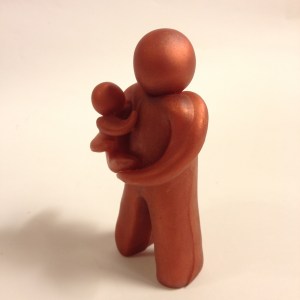
June 2015 050Maybe it seems too early to offer Father’s Day wishes, but we’ve been working hard on our new Papatoto daddy sculptures and also finishing up our new birth affirmation cards for fathers which are coming up as the freebie in the June newsletter (subscribe at http://brigidsgrove.com), so I’m in the mood! I’ve been mining my blog for past father-relevant posts and have been re-sharing them from the depths of my blog archives. So far, I’ve found a breastfeeding facts book review:

“Since partner support of a breastfeeding mother is one of the most important factors in breastfeeding success, the short book Breastfeeding Facts for Fathers is a valuable book indeed…”

via Book Review: Breastfeeding Facts for Fathers

And three more reviews, one for homebirth dads:

The target audience for the handbook is easily summed up in the prologue: “…I’ve met far more men who have responded to their partners’ home birth wishes with a mixture of shock, cynicism, and fear…Far from being domineering ogres who just want to see wifey tucked ‘safely’ away a hospital, these loving fathers have simply had very little access to accurate, impartial information about the safety and logistics of home births versus hospital births.”

via Book Review: The Father’s Home Birth Handbook | Talk Birth.

One a handy little guide for any father-to-be:

“Humanity cannot invent a drug that can work better than a mother’s body can manufacture or a knife that is sharper than her instinctual nature.”

–Patrick Houser

Book Review: Fathers-To-Be Handbook: A Road Map for the Transition to Fatherhood

And a long-time favorite resource, Fathers at Birth:

I greatly enjoyed reading a book that explores and expands the role of men at birth. In addition to serving as a helpful resource for men who wish to be active partners in the birth process, doulas will find helpful tips and tricks in the book, and childbirth educators will find language and ideas for reaching out to and better connecting with the men in their classes. It is a nice addition to any birth professional’s lending library.

via Book Review: Fathers at Birth | Talk Birth.

Father’s Day represents an important milestone for us, since it was this time two years ago that Mark gave his notice at his job and took the leap into a full-time home-based life with the rest of us. This was prompted in many ways by his desire to spend more time with his family, which I wrote about several years ago in my Fatherbaby post:

We have discussed how each of our babies has been a catalyst for big changes in our home situation. Our first baby was the catalyst we needed to move away from our by-the-highway-no-yard townhouse in a city and onto our own land in the country near my parents. Our second baby was the catalyst we needed to finish building our real house and to move out of our temporary house and into our permanent home. So, we are now wondering what kind of catalyst our baby girl will be?

via Fatherbaby | Talk Birth.

She was the catalyst to finally make the leap and now that we have Tanner, Mark finally gets to spend that precious year of babyhood with the baby and the rest of us. Here’s that catalyst baby girl and her daddy now:

Molly 151The wild raspberries are ripe a little earlier than usual this year and though we often make one on Father’s Day, we’ve already enjoyed a treasure of a cobbler from those we picked over the weekend. Here’s last year’s post with the recipe:

…I consider any berry picking expedition to be the very definition of success as long as there are enough berries to make a cobbler! It was so delicious I felt like sharing my version here, in case any of you would also like to enjoy one with your family during berry season.

via Recipe: Wild Raspberry Cobbler | Talk Birth.

Happy Father’s Day!

June 2015 034“The absolute miracle of a birth and the emergence of a new human being into the world catapults both mother and father into the realm of awe and wonder. They are flooded with non-ordinary feelings and energies that support a deep connection not only with the newborn and each other, but also with the mystery and power of life itself.”

–John & Cher Franklin in FatherBirth