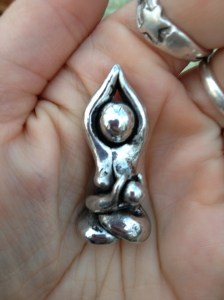
Archives

Opening Up…

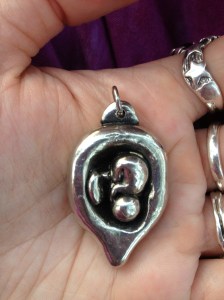
Sacred Body  May 2014 070
Sacred Space
Sacred Womb

Holding
enfolding
protecting
nourishing.

Spinning cells into soul
into body
into breath
into life.

Unfurling without conscious control or effort.
Dancing together in the incredible might of creation…

Last month, one of the blogs I write for was doing a round robin topic on what makes a family. Though I missed my chance to officially participate I still have something to say about the topic anyway! For me, the question of what makes a family boils down to opening up to make room. In February of this year I found out I was pregnant again, even though we’d made what felt like a very firm decision not to have any more children. We’ve never experienced an unexpected pregnancy before. I’m a “planner” by nature and my children have all been very planned out (I even went for a “preconception” health care appointment before conceiving our first baby!) After my initial feelings of surprise and some degree of distress and even sadness, I was really amazed to see how very soon I started to feel space opening up in my mind, heart, body, and family for a new person. And, I thought, isn’t this the very essence of family? Opening up. I spent my childhood with three siblings, but geographically isolated from other family members and so almost all of our holidays were spent as just us, the immediate family. It used to make my mom feel sad not to have a houseful of company for Thanksgiving. However, then, even as the residents of the actual family house decreased as we grew up and moved away, our family opened and expanded to include more members (and more schedules!). I got married in 1998 and our family boundary expanded to include my husband. We then had our first baby in 2003 and the family opened up to receive a first grandchild and then later the spouses of my siblings and two more grandchildren from me. My brother and his wife are having their first baby in July and again our now-extended family expands to create room and joyfully anticipates his arrival. And, with my own new baby boy due in October, we again open and welcome with love.

My parents’ house at Thanksgiving is pretty full and pretty busy now!

Body opens
heart opens
hands open to receive

Birth mama
birth goddess
she’s finding her way
she’s finding her way…

via Birth as Initiation.

May 2014 043


St. Louis Adventure!

May 2014 207My intuition was wrong again and our new baby is a BOY! I am not really surprised, because my track record is terrible at intuitively perceiving the sex of the baby. With Lann, I was pretty sure he was a girl and was very surprised to find out at the ultrasound that he was a boy. With Zander, I knew he was a boy. We didn’t have any ultrasounds with him (a fact that, though it gives me “crunchy points,” I do actually have a tiny bit of regret about), but I had seven vivid dreams in which he was a boy and I was so right that it makes me forget or overlook my terrible track record on “knowing” in advance. With Noah, I was pretty sure he was a girl and I still sometimes wonder if he really was (genital differentiation can still be indistinct at that point of gestation). With Alaina, I was positive she was a boy, and was surprised to learn she was not. So…as I referenced in my earlier post, my feeling that new baby was a girl, should have been instant confirmation that he was, in fact, the boyest of boys! Also, looking back, I had these intuitive clues as well:

  • first ever pregnancy dream was that he was a boy. Of course, in this dream I also kept him “warm” after birth in a turkey roasting pan covered with boiling hot greasy turkey skin!
  • second pregnancy dream was of being shown an ultrasound picture and being told it was a boy. Right after that, they showed me another picture and it was a girl though (something that made me wonder about twins in real life, especially when I then heard two distinct heartbeats with the doppler on Tuesday—one on the left side at 154 and one on the right side at 135. My uterus also measures over 20 weeks at this point. However, actual ultrasound only showed one baby, though I did once again hear “two heartbeats” yesterday. Not sure what is going on there).
  • the night before the ultrasound, I had a very vivid, realistic dream of being in the ultrasound room and clearly seeing the baby was a boy.
  • at the women’s festival we went to in March when I was about 8 weeks pregnant, we did a “star power” meditation which included a small section about seeing your aura. I saw my own (white) and then at the same time, saw a small blue aura in my belly. I dismissed it because we don’t really “do” the color thing or try to gender label colors and you will probably never hear me use the phrase “team blue.” However, it did make me wonder!

I am going to be honest that I did feel a little disappointed at first, but the disappointment was not over the fact of having a boy, the disappointment was over losing the idea of the sister for Alaina and the “balance” of a second daughter in our family. There is a difference between being disappointed over having a boy and being disappointed not to have a girl. Does that make sense? The set of brothers we have in the family is so great, that I was hoping to repeat that experience for Alaina. However, it will also be fun to still have the brothers, our rainbow girl, and then the “baby” of the family—each one has its own special place then. Plus, the new baby boy will be a most excellent cousin-friend for my brother and sister-in-law’s upcoming baby boy and that will be fun—this baby is the only one of my kids who has the chance to be close in age to a cousin! So, that is nicely convenient. (Of course, boys and girls can also be friends, I know that.) I also realized as I feeling sad about no baby sister joining the family, that we didn’t intend to have any more kids anyway—so, Alaina was always going to be sisterless and a one girl family was totally fine with us all—so regardless of sex, this little baby is our “bonus” 🙂 I’m looking forward to seeing what he is like!

After the ultrasound appointment, we headed across St. Louis to City Museum for a field trip with our homeschool group. It was great, exhausting fun! Unfortunately, my phone was at 18% battery and then 0%, so these are the only pictures I ended up with! (mouse over for captions)

After City Museum, we went to the Galleria to go to Build-a-Bear, because I’d seen online that they have big My Little Ponies and I wanted to surprise the kids with getting to make one. $100 later…but, it was fun!

We then met my friend Kate and her kids for dinner and had a nice catch-up chat, though the visit wasn’t long enough and the setting wasn’t ideal for catching up! We got home at about 10:00, after having left at 8:00 that morning. Whew! Bonus from all the time in the car is that we did come up with a potential name for baby boy. Not 100% on it though, because it ends with a “er” sound which doesn’t go so great with our last name. We already disregarded that for Zander’s name though, so why not do it again!

While not totally related, but still on the topic of family and kids, we have a new baby kitty too. After a brief stint as Rainbow Dash, her name is now Scootaloo:

And, my lovely roses are blooming and wild daisies too!

The WHO Code: Why Should We Care?

“Knowledge serves no purpose if it is not spread around. As the poor get poorer and the rich get richer, an entrenched ignorance is kept in place through a culture created and maintained by commercial interests.” – Gabrielle Palmer, The Politics of Breastfeeding

The international WHO Code of marketing breastmilk substitutes reached its 33rd anniversary this week. This means that for 33 years the United States has failed to live up to international standards AND for 33 years infant formula corporations have successfully ignored the WHO Code. In addition, they have convinced over half of U.S. hospitals to serve as marketing shills for their products—distributing their marketing materials—-samples, coupons, booklets, and other ads-—in health care settings in a manner that is well-established to undermine women’s breastfeeding success and to have a negative impact on infant health. Quite simply, getting breastfeeding “advice” from a formula company in a form of a cute little booklet with a happy baby on the front is like getting nutrition “advice” from McDonald’s. It is not neutral or benign and it does not have the interests of mom and baby at heart, it is a skillful marketing tactic, nothing else. I have long repeated the Ban the Bags catchphrase: Doctors’ offices and hospitals should market health and nothing else. To be clear, I would consider all medication-sponsored posters, etc. to fall in same category, not just formula. Refusing to honor the WHO Code isn’t actually illegal, however. The US voted against the proposal in the first place—on the original signing of the Code there were 118 votes for the Code, one against (the United States!), and 3 abstentions. Eventually more than 160 countries participated in the WHO Code. When the United States did accept it, they adopted it as guidelines to distribute to large manufacturers. Providers should follow it, but they can actually can do what they want. UNICEF has a state of the code chart that breaks down which country does what with the Code. US is under the no action category along with a small handful of other countries that includes Somalia and Kazakhstan.

This issue is a systemic problem and it goes WAY beyond just the individual mom and her baby!  Breastfeeding or not breastfeeding is actually a political and public health issue in the US, not simply a “personal choice.” Personal choice is the language American people and formula manufacturers love to use and it is a very, very successful manner of appealing the individualist nature of our culture, but in this case it is actually code for, “let huge multibillion dollar corporations exploit women at will and our health care providers will even help them do it!

While the WHO code has no legal teeth in the US (it IS law in some other countries, but it was written in terms that allow national governments to make their own decisions about how/if to enforce or participate in it). It is still VERY important for health care providers and US distributors and marketers to be aware that their actions are out of sync with international guidelines and that they are in violation of international standards.

…breastfeeding, like all aspects of women’s lives, occurs in a context, a context that involves a variety of “circles of support” or lack thereof. Women don’t “fail” at breastfeeding because of personal flaws, society fails breastfeeding women and their babies every day through things like minimal maternity leave, no pumping rooms in workplaces, formula advertising and “gifts” in hospitals, formula company sponsorship of research and materials for doctors, the sexualization of breasts and objectification of women’s bodies, and so on and so forth. According to Milk, Money, and Madness (1995), “…infant formula sales comprise up to 50% of the total profits of Abbott Labs, an enormous pharmaceutical concern.” (p. 164) And the US government is the largest buyer of formula, paying for approximately 50% of all formula sold in the nation…

via Breastfeeding as an Ecofeminist Issue | Talk Birth.

These past posts take a look at the systemic context surrounding breastfeeding women and how it impacts their “personal choices.” January 2014 041

Breastfeeding as an Ecofeminist Issue

Preventing Culturally Induced Lactation Failure

A Bias Toward Breastfeeding?

Tuesday Tidbits: Breastfeeding Research

Wednesday Tidbits: World Breastfeeding Week!

Controversies in Breastfeeding

The Impact of Birth on Breastfeeding


New Baby!

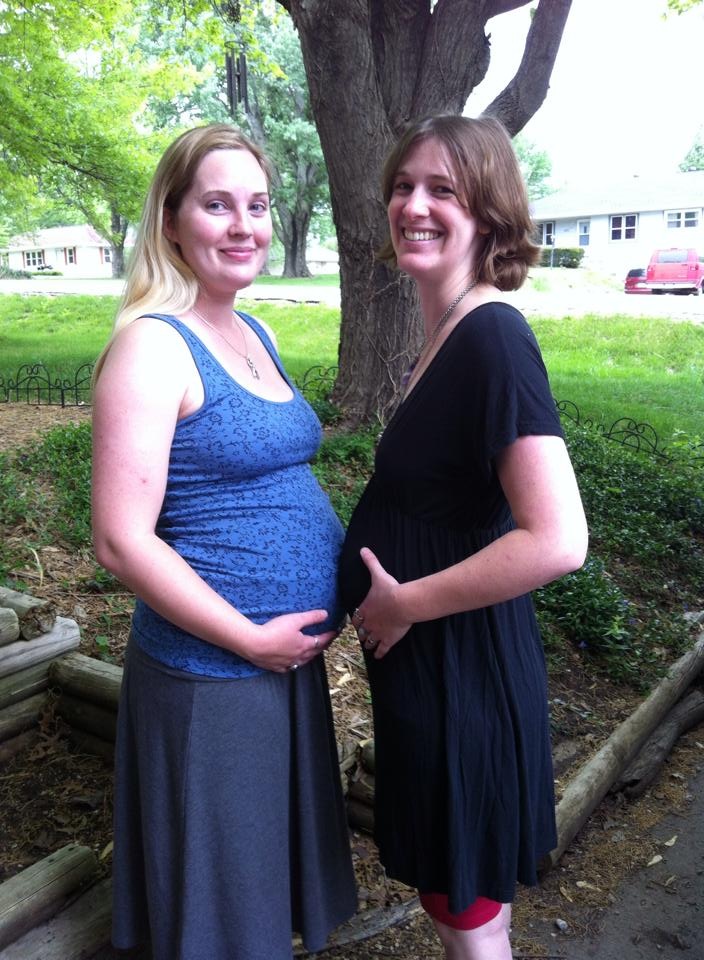
While we were originally going to wait until after our ultrasound appointment on May 22 to officially Facebook-and-blog announce my pregnancy, when I visited my sister-in-law and brother in Kansas when I was 15 weeks along, we took some cute “cousins meet” pictures and decided to toss one of them on Facebook after all 🙂

May 2014 005

This is my 900th post on my blog and I thought it would be a perfect opportunity for a pregnancy update. I’ve been saving little notes of things I want to say and so forth, but time keeps on slippin, slippin, slippin and now I’m 17 weeks pregnant and still have written anything about it!

I’m due October 27th. We actually weren’t planning to have any more children, but now we are, and it is amazing to me how quickly the family opens up to make room for a new person. The kids are very excited and we plan to find out whether the new baby is a sister or a brother on May 22nd. I was surprised to learn how many “scars” I retain from my past pregnancy losses and I find myself more anxious than I’d like to feel every day about the baby. This anxiety increased exponentially as I drew closer and closer to the point in pregnancy to when we lost our tiny son Noah in 2009. After I passed 15 weeks, I did, in fact, breathe easier, but there are still multiple times a day in which I think things like, “what if it’s heart stopped since yesterday?!” I thought since I did have a post-loss successful pregnancy AND because this pregnancy was a surprise that I’d feel more casual or relaxed about it instead of daily having, “I hope the baby is still alive!” thoughts, but apparently this is just what pregnancy feels like for me now.

At first I felt very shocked to be pregnant and I was upset about assorted things like these:

  • older than I’d like to be (35! Isn’t that “advanced maternal age”? Sheesh!)
  • weigh more than I ever have starting out a pregnancy (though, now at 17 weeks I’ve only gained two pounds, so this one wasn’t so bad after all)
  • bigger age gaps between kids than I want—in my own family of origin I didn’t really like having my siblings be nine and eleven years younger than me, it felt like a generational gap that has been hard for us to bridge in adulthood (though, now that my brother and his wife are having a baby and I am having one after them, we actually have a lot of life cycle stuff in common at last after all!). Now, Lann will be eleven before this baby is born and technically will be older than this baby than I am than my youngest sister.
  • on the same note, having watched my parents parent as “older” parents I noticed that it dragged on for a really, really long time—and their time having teenagers and having grandchildren overlapped in a way that seemed like it would be kind of not the funnest. I had my first baby when I was 24 and had been married for 5 years already, but my teenage siblings were still at home, so my parents went from having their own kids at home to having little grandchildren chaotically stumbling through the house to visit without ever having a “down time” where they were truly on their own. However, I also realize that after you have kids, you will never really ever be on your own again. Kids still seem to need their parents pretty much forever. I still need mine. My mom still needs her mom (even though she is gone now). Not in a sense of dependency, but in a sense of relationship.
  • feeling really quite done with parenting small children and ready to move on to having only bigger kids
  • not wanting to experience a clitoral tear again—I really, really feel like I’ve paid a pretty high body price for my existing kids and I felt like I was pretty done sacrificing that part of my body!
  • feeling very “distant” and far away from pregnancy/birth. I’d mentally closed that chapter of my life already.
  • having given away my maternity clothes and a lot of my baby stuff already
  • being a little embarrassed to have had a “surprise”—that is just not ME to have a surprise baby. My other kids were uber-planned-out tiny people!
  • not wanting to start over with toting a baby + caregiver to class with me while I teach
  • worried about being the primary wage-earner now that we took the leap into Mark being home with the rest of us (though our etsy shop has gratifyingly become a viable second income!). I won’t be able to teach in the fall session when the baby is due and then I always have an unpaid month off from Dec-Jan, which means we’re looking at an October-February period of relying only on me teaching a single online class for our primary source of income?! Yikes! Better start sculpting more birth art, pronto, Molly dear!

010

However, then these things happened too:

  • months before knowing I was pregnant Alaina started talking about her little sister “Lily.” AND, the boys started to say, “we think you should have another baby after all, mom!”
  • I watched the kids running up the driveway flying a kite (I have had previous driveway revelations!) and suddenly realized our family looked very small and like someone was missing.
  • a friend experienced a traumatic miscarriage at 11 weeks. I was just a little behind her in pregnancy at the time and immediately after I read her story, I went to the bathroom and there was some blood (not much and just brownish). While I now think it may actually have been “sympathy” spotting OR somehow a stored body-memory from my own miscarriages (or, just a coincidence), I knew in that moment that I want my new baby so much. I wasn’t upset about being pregnant after all, I really, really want this baby to join us.

Returning to the scars of pregnancy loss, for whatever reason from 4-15 weeks of this pregnancy, it was truly like my pregnancy with Noah was the only other pregnancy experience I could remember. It was weird. AND, what was also weird was how many overlapping “re-do” moments I experienced:

At 13 weeks I started to have symptoms of a UTI (same thing happened with Alaina at 13 weeks). My first ever UTI was during my pregnancy with Noah and what sent me to the doctor to find out he had no heartbeat. I have never stopped wondering if that UTI is why my baby died.

At 14w2d with this pregnancy I had a consultation with a prospective midwife. At 14w2d with Noah I had a midwife consultation too (and felt “scarred” from that experience too as it was a pretty unpleasant consultation AND I started to have a headache/cramping right after it). This midwife was very nice and we had a delightful consultation and a quick bond.

On May 1st, I went to the paint-your-own pottery place for my birthday because I really wanted to paint a “water bearer” figure I saw there earlier this year. As I painted with my friend, I realized I might not be going to finish it before they closed. I clearly remembered that the last time I painted anything there I was pregnant with Noah and talking with friends about pregnancy and birth. I didn’t finish that day and after he died, I could NEVER go back into that place to finish painting my plate (they sold it to different owners and it moved to a different building, so now I can go back, but not without remembering). Another friend went back and finished it for me (I will never forget that either. I don’t know sometimes if people realize how small, unusual, helpful things like that can have a big impact on a grieving mama). I use the plate, but I never forgot. This time I couldn’t not finish. It would be like a horrible déjà vu. I painted and painted, my friend wanted to leave (long drive, but she rode with me and thus was trapped!), we passed closing time, but I was almost done. So, I apologized to my friend and to the store owner and I stayed and finished it anyway. (My poor friend!) There was NO way I was going to leave that store without finishing my project…again.May 2014 048
On my birthday this year I was 14w5d pregnant. My miscarriage with Noah happened at 14w5d AND I was due on my birthday (2010 though).

For my birthday dinner, my mom made stroganoff (at my request) and it was only after I was sitting there happily eating it that I realized that is what I’d asked her to make after Noah too.

And, in one other weird overlap, his pregnancy and this current one are the only two I’ve ever been sick with. WHY?! This bothered me for weeks. Oh well, it has passed now and I’m still pregnant this time and the baby still has a very good heartbeat. I have an anterior placenta this time, so I don’t feel as much movement as I usually do by this time with other pregnancies, so I’m still relying on “life status updates” from my trusty Doppler. (I don’t even feel like apologizing or rationalizing my use of it. I’m desperately glad I have one. No regrets.)

(This may be the weirdest, illogical, many-thoughts-pregnancy-update post ever!)

Another thing I’m not interested in rationalizing or justifying is that I really, really like finding out the sex of the baby before birth. I am SO looking forward to our ultrasound this week. I can’t wait! I’m almost obsessed with it. In six pregnancies, I’ve only ever been right in my intuition about the sex once (I was really, really right though!). So, since this time I feel like it is a girl, I’m expecting it probably really is a boy (so, wait! Is that my “intuition,” which would really mean this IS a girl? LOL! ). Alaina is 100% certain it is a girl. She actually gets kind of mad when I say it might be a boy. She’s been saying it was a girl since before she knew I was actually pregnant (and, yes, if it is a girl, “Lily” is in the running for her name! It wasn’t on my radar before Alaina started saying it). Right before I found out I was pregnant, I went down to my place in the woods. I was upset with life in general—my kids were driving me NUTS, I was NOT having a good day. I was kind of talk-ranting to myself, including a mention of how nice it was that we weren’t going to have any more kids because I was SO DANG DONE. And…then I knew. I’m pregnant. I looked up and my eyes met the eyes of a raccoon sitting in the tree. Too weird. I’ve never before come eye to eye with a raccoon in the woods before! We stared and stared at each other. After I broke eye contact, I thought, I’m totally pregnant and it is totally a girl. I went inside and took an expired pregnancy test and it was positive (I bought a real one and took it in the movie theater bathroom at The Lego Movie a couple of days later). Here we go! 🙂

April 2014 096

029

Oh, and this literally is my 900th post on this blog, in case anyone thought I was exaggerating the number! 😉

Breastfeeding as an Ecofeminist Issue: Collage Project

Processed with Moldiv

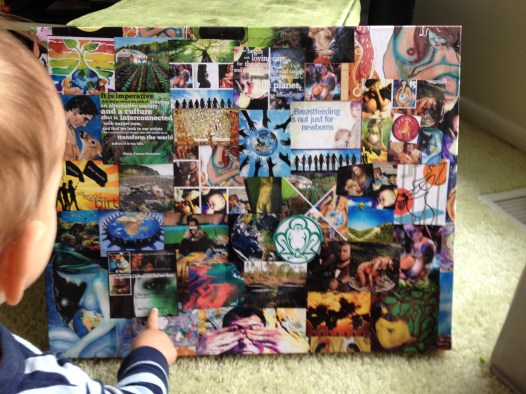
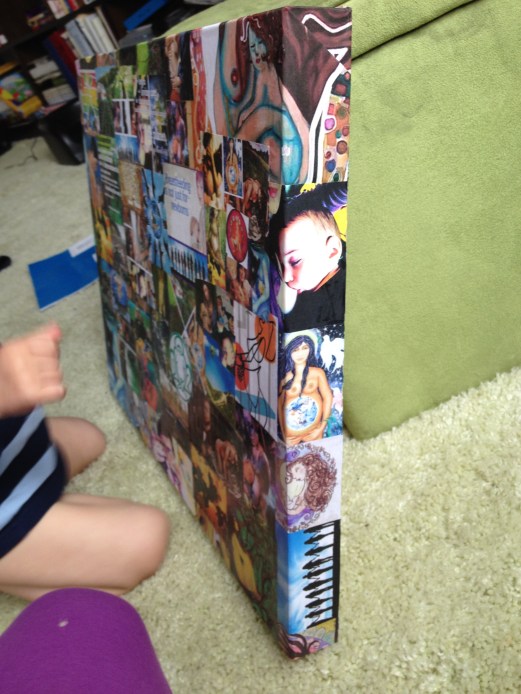
Since January I’ve been working with an independent study student from Prescott College on a self-designed course called Breastfeeding and Ecofeminism. Her class ended this month and her final project was a collage making the connection between the world body and the female body and reflecting the idea that how we treat women and their bodies as a culture is mirrored by our global treatment of the planet (and, conversely, if we change how women’s bodies our treated, our treatment of the planet will also change). As she worked on her collage, she also made a series of digital collage images for use on social media (see above), using quotes from her reading for the course.

“Governments and commercial companies will ‘invest’ billions in expensive new technology: roads, bridges, airports, dams or power generation plants, ‘for the good of society’. They may even ‘invest’ in schools and hospitals, but the crucial primary investment in the emotional, physical and mental health of all humans, which breastfeeding and mothering provide, is invisible.”

Gabrielle Palmer (The Politics of Breastfeeding, p. 333)

As my student remarked, this is an atrocity. AND, it is one that is largely “invisible” to the average person.

I also find this quote relevant from The Politics of Women’s Spirituality:

“Human life is valuable and sacred when it is the freely given gift of the Mother—through the human mother. To bear new life is a grave responsibility, requiring a deep commitment—one which no one can force on another. To coerce a woman by force or fear or guilt or law or economic pressure to bear an unwanted child is the height of immorality…If they were genuinely concerned with life, they would be protesting the spraying of our forests and fields with pesticides known to cause birth defects. They would be working to shut down nuclear power plants and dismantle nuclear weapons, to avert the threat of widespread genetic damage which may plague wanted children for generations to come…” (p. 420).

For one of her digital images, she chose one of my favorite quotes from Reweaving the World in an article that touches on birth as an ecofeminist issue:

Here are some photos of her final collage project:

photo 1 photo 5 photo 3

“Knowledge serves no purpose if it is not spread around. As the poor get poorer and the rich get richer, an entrenched ignorance is kept in place through a culture created and maintained by commercial interests.” – Gabrielle Palmer, The Politics of Breastfeeding

Breastfeeding as a (s)hero’s journey?

Every single human being was drummed into this world by a woman, having listened to the heart rhythms of their mother.

––Connie Sauer

February 2014 003

Recently I re-posted an article I wrote about breastfeeding and parenting as spiritual practices. I received a comment on the re-post that really gave me pause and some food for thought:

I’ve really liked your writing about preparing for birth as a warrior’s rite. I only wish I’d had materials that prepared me for breastfeeding similarly…

I’d like to have at least one breastfeeding book out there that supports women in breastfeeding even when it’s hell, and that doesn’t assume any pain is due to some tiny, easily fixed problem. I continue to get the most condescending advice when I talk about this in public — I don’t know how anyone thinks, with the amount of pain I’ve experienced trying to make this work, that I haven’t already tried every obvious solution.

Anyway, that is all a bit tangential to your post. I do think breastfeeding can be spiritual, though for some of us, it may be an ordeal as much as birth is. I would love to see that acknowledged better in breastfeeding resources.


I’ve been a breastfeeding counselor for nine years. I’ve written before that I have much more often marveled that a mother kept breastfeeding than I have wondered why she didn’t! Mothers are amazing and they go through a LOT. Reading this comment made me wonder why I’ve never really written about my own breastfeeding stories in the sense of a hero’s journey—perhaps because the difficult parts, once overcome, then fade into the fabric of that ongoing relationship? Perhaps because of the sheer ongoing involvement of breastfeeding, rather than the more discreet, definable event of birth? Perhaps because the path can be even more twisty and intimate and embodied and thorough and invested than even pregnancy and birth? Perhaps because, for me, my early breastfeeding stories are very bound up in my overall feelings during postpartum and the struggles I experienced there? Perhaps because for me personally the breastfeeding relationship continues to evolve into toddlerhood and so some of visceral, newborn, early journey elements are subsumed into the more habitual and every day? Why have I never written about the bloody, messy, tearful, painful parts of breastfeeding in my own personal motherhood story?! They’re there. And, when I counsel mothers in person I do talk about those parts. I also never tell people that breastfeeding hurts because they’re doing it wrong—I tell them they will read that phrase over and over, but that in reality, most women experience some degree of discomfort and even pain in the early weeks. Where it becomes not normal is when there is blood or blisters or open wounds, but if someone suddenly started sucking on ANY of your body parts 8-12 times a day, I think it is logical that we can expect some adjustment or difficulty or stress or pain in adjusting to that degree of intense, sustained, body contact/involvement.

I wrote the following at the end of one of my blog posts last year: January 2014 041

I’m also reminded again, however, of why breastfeeding support holds such a lasting pull for me and that is because postpartum is where it is at, that is where we are so very, very deeply needed as support people. Birth is amazing and exhilarating and women most definitely need us there too, but in the nitty-gritty, day-to-day, unglamorous, nipples and breast infections, teething, crying, dirty-haired, exhausted, wrung-out maternal web of daily being is a very tender and delicate beauty that becomes visible only when we’re willing to spend months and months, or even years, serving as a listening ear, a medication lookup, and someone to trust with both her laughter and her tears.

Talk Books: Laughter & Tears: The Emotional Life of New Mothers | Talk Birth.

Birth has been one of my biggest passions for many years. It is so exciting and interesting and almost “glamorous”—it is where the thrill is, the big work, and the big moment: the baby’s emergence. But, guess what, it is in the breastfeeding relationship and the first year with the new baby in which the mother’s strength is really tested. Breastfeeding is the day in and day fabric of connection. It is a huge physical and emotional investment, the continued devotion of one’s body to one’s baby. Breastfeeding support may not as exciting or thrilling as birthwork for me, but it is so very REAL and so very needed, and part of the nitty-gritty reality of individual mother’s complicated lives as they find their feet on the motherhood road. It really matters.

In what ways has breastfeeding been a hero’s journey for you? I’ve written a lot about birth in this context—the idea of the birth warrior or birth as a shamanic experience or birth as a labyrinth path, etc…but what about the breastfeeding journey? How were you tested, how were you challenged, how did you rise, or make peace, or triumph, or cry, or scream, or dig so deeply into yourself that you had to gasp in wonder at your own capacity? What is your breastfeeding story…?

cropped-tbjanuary-2014-039.jpg


Nursing Mama, Magic Mama

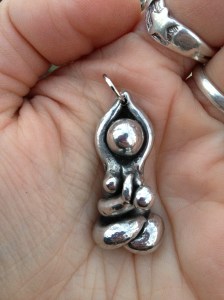
January 2014 041Magic mama. She who transforms body and blood into milk. Into life. Into the heartsong of another. Maternal sacrament. Shared freely. Flowing sweetly. Uniting. This thoroughly embodied stuff of motherhood. This physical commitment. This body-based vow to our young. She holds her baby. And she holds the world.

Mammal mama. Liquid love. Cellular vow. Unbreakable, biological web of life and loving.

She’s just feeding her baby. Is she? Or is she healing the planet at the very same time?

Milky smile, fluttering eyes, smooth cheeks, soft hair. Snuggle up, dear one. Draw close. Nestle feet to thighs, head to elbow. And know that you are encircled by something so powerful that it has carried the entire human race across continents and through time for thousands upon thousands of years on its river of milky, white devotion.

This new pendant is one of the designs released for the launch of Brigid’s Grove, my collaborative project with my husband. We’re hosting giveaways on our website throughout the month of February to correspond with our launch and one of these pendants is currently being offered as a giveaway! We’ve also got a discount code, a free digital Ritual Recipe Kit, and more to check out on the Brigid’s Grove website and Facebook page.

book

Tuesday Tidbits: Breastfeeding and Ecofeminism

“Women united in close circles can awaken the wisdom in each other’s hearts.” ~The 13 Indigenous Grandmothers (via The Girl God)

I agreed to serve as a faculty mentor for a Breastfeeding and Ecofeminism independent study class that started yesterday. Since my husband and I also recently finished our Breastfeeding Mama in pewter, I felt inspired to create this little message…

b3wkwFor the class, my student is reading three books and working on several projects (one of which will be a series of blog posts, so watch for those!). We chose these books:

The Politics of Breastfeeding: When Breasts are Bad for Business by Gabrielle Palmer

Milk, Money, and Madness: The Culture and Politics of Breastfeeding by Naomi Baumslag M.D. and Dia Michels

Reweaving the World: The Emergence of Ecofeminism by Irene Diamond

This is going to be so much fun! How lucky I am to get to do stuff like this! This is the course description we worked on together:

This course explores the cultural, social, and political environment surrounding breastfeeding in the United States through the lens of eco-feminism. We will examine global cultural attitudes compared to the United States, scientific research of the benefits of breast milk, marketing and advertising of artificial milk, and the sociocultural context surrounding infant feeding as a public health issue. This course emphasizes critical and varied perspectives on breast and bottle feeding; as well as the ways in which gender, race, and socioeconomic class affect women’s choices in breastfeeding. The birth-breastfeeding continuum will also be explored. We will study the aspects of ecology, spirituality, and feminism as well as many other perspectives supporting this holistic human experience for the well-being of the planet.

I wrote up some nifty course objectives as well:

  1. Contextualize breastfeeding as a public health issue both within the sociocultural environment in the United States and cross-culturally.
  2. Describe why breastfeeding is an ecofeminist issue—make connections between human treatment of the “world body” and the female body.
  3. Articulate the systemic and structural context in which breastfeeding takes place in the US. (Describe the political and economic influences on infant feeding in the US and frame the issue within a broad cultural context extending beyond the concept of personal choice.)
  4. Address the charge of “essentialism” with regard to breastfeeding in the context of feminist theory.

The student found me because of my past article on this subject…

Breastfeeding is a feminist issue and a fundamental women’s issue. And, it is an issue deeply embedded in a sociocultural context. Attitudes towards breastfeeding are intimately entwined with attitudes toward women, women’s bodies, and who has “ownership” of them. Patriarchy chafes at a woman having the audacity to feed her child with her own body, under her own authority, and without the need for any other. Feminism sometimes chafes at the “control” over the woman’s body exerted by the breastfeeding infant.

Part of the root core of patriarchy is a rejection of the female and of women’s bodies as abnormal OR as enticing or sinful or messy, hormonal, complicated, confusing…. Authentic feminism need not be about denying biological differences between women and men, but instead about defining both as profoundly worthy and capable and of never denying an opportunity to anyone for a sex-based reason. Feminism can be about creating a culture that values what is female as well as what is male, not a culture that tries to erase or hide “messy” evidence of femaleness.

However, precisely because of the patriarchal association of the female with the earthy and the physical, feminists have perhaps wanted to distance themselves from breastfeeding. This intensely embodied biologically mandated physical experience so clearly represents a fundamental difference between men and women that it appears to bolster biological reductionism. Yet in so doing feminism then colludes with patriarchy and itself becomes a tool of the patriarchy in the repression and silencing of women and their leaky ever-changing, endlessly cycling bodies: these bodies that change blood into food and bleed without dying and provide safe passage for new souls upon the earth. Sometimes the issue of a woman’s right not to breastfeed is framed as a feminist “choice.” This is a myth, made in the context of a society that places little value on women, children, and caregiving. It is society that needs to change. Not women and not babies.

via Breastfeeding as an Ecofeminist Issue | Talk Birth.

Last week I read a relevant article from Amy Glenn…

For the first time in human history, the female breast is nearly completely separated from its primary mammalian function. Rather than supporting the healthy development of our limbic lives, breasts are pornographically used to market a multitude of products. Why is the breast’s primary lactating function deemed strangely controversial today?

Despite the efforts of breastfeeding advocates, consider that mainstream news publications and talk shows feature mothers who nurse toddlers as cultural oddities…Our own society’s rupture from the wisdom of ancient ways is the true cultural oddity.

I applaud the efforts of public health advocates seeking to reconnect to the ancient wisdom of our female ancestors. Friends and family need to draw a fierce circle of protection and non-interference around the nursing mother-child dyad…

If it were up to breastfeeding advocates, federal legislation mandating paid maternity leave would exist everywhere. For nothing pressures a new mother to give up nursing more than struggling to meet the financial needs of her family. While teaching in Colombia, my employer was obligated legally to give me three months of paid maternity leave. Yet, if I had been working in the US at the time, it would have been up to my employer to determine the status of my maternity leave. The US stands alone as the only developed country without legally mandated paid maternity leave. This directly connects to our woeful breastfeeding rates…

Glenn read Palmer’s Politics book and it changed her perspectives on the systemic influences surrounding breastfeeding women:

In particular, Palmer’s connections between poverty and breastfeeding moved me. Over the last century, the purposefully deceptive marketing ploys of infant-formula makers have left tragedy in their destructive wake. For example, when promoting artificial milk in the developing world, companies dressed their representatives as medical professionals who claimed that their products were better than breast milk. Poverty stricken and largely uneducated mothers were persuaded to spend a large percentage of their household’s monthly income on the artificial milk powder that was considered best. To prolong its use, they often diluted the powder further reducing any nutritional value. In addition, these mothers lived in areas with poor sanitation and unsafe drinking water. Palmer describes how hundreds of thousands of babies died. At times, I had to put the book down as angry tears washed through me.

Choosing to move beyond the painful disconnections of our culture, I do my best to support the breastfeeding mothers I meet. Our world must move beyond separating baby from mother, self from breath, and bodies from hearts.

via In praise of breast milk.

I also read with interest an interview between Jeanette McCulloch of BirthSwell and Paige Hall Smith, a speaker at the 2013 Breastfeeding and Feminism conference, which makes some additional points about the relationship between income and breastfeeding rates:

PHS: The connection between women’s status and breastfeeding leads to a number of interesting ideas. We know from other research that both education and income are positively associated with breastfeeding outcomes. More research on why this is the case would be useful, particularly given that higher income is also associated with women’s employment. We also learn in this study that in those states where women have greater control of reproductive choices, and those where they are more likely to vote, also have higher breastfeeding rates. Since none of these are indicators that are directly implicated in breastfeeding success, we have to conclude that something interesting is going on in the climate of these states that makes a difference for women.

It makes sense that women who have higher status have more ability to manage their own time and resources (such as adjusting break times at work, taking additional maternity leave, determining the flow and location of their work) which may lead to higher breastfeeding rates. They may also have more authority at home and at work, which translates into greater ability to actualize their own decisions. Breastfeeding, like the ability to control one’s fertility, can be seen as a form of reproductive autonomy.

The relationship between women’s status and breastfeeding remained even when we controlled for available state-level breastfeeding support, such as access to IBCLCs, peer support like La Leche League, and baby friendly hospitals. One possible interpretation for this is that the breastfeeding support measures we have in place are ones that provide more assistance to higher status women than they do to lower status women. We need to think critically how our measures are affecting different populations. In general we found that clinical indicators of breastfeeding support had more impact on breastfeeding than did policy measures. This could have been because currently there insufficient “trickle down” from policy to women’s lives.

via Does Breastfeeding Hold Women Back? | Breastfeeding and Feminism International Conference

On a related-to-breastfeeding note, but moving off the topic of breastfeeding and ecofeminism, Mark and I also have a brand new nursing mama pendant that will be unveiled at the launch of our new collaborative business on February 1st! We’ll have a series of product giveaways, a free digital kit, and a new discount coupon as well. I’m so excited!

Other related posts:

The ‘Of Course’ Response

World Breastfeeding Week post roundup

Taking it to the Body


Third Birthday!

“Growing, bearing, mothering, or fathering, supporting, and at last letting go…are powerful and mundane creative acts that rapturously suck up whole chunks of life.” –Louise Erdrich

JanuaryMollyBarb 143

Somehow, my little rainbow girl is THREE today! I can hardly believe it!

(As is my tradition…Alaina’s Complete Birth Story)

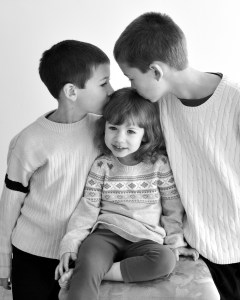
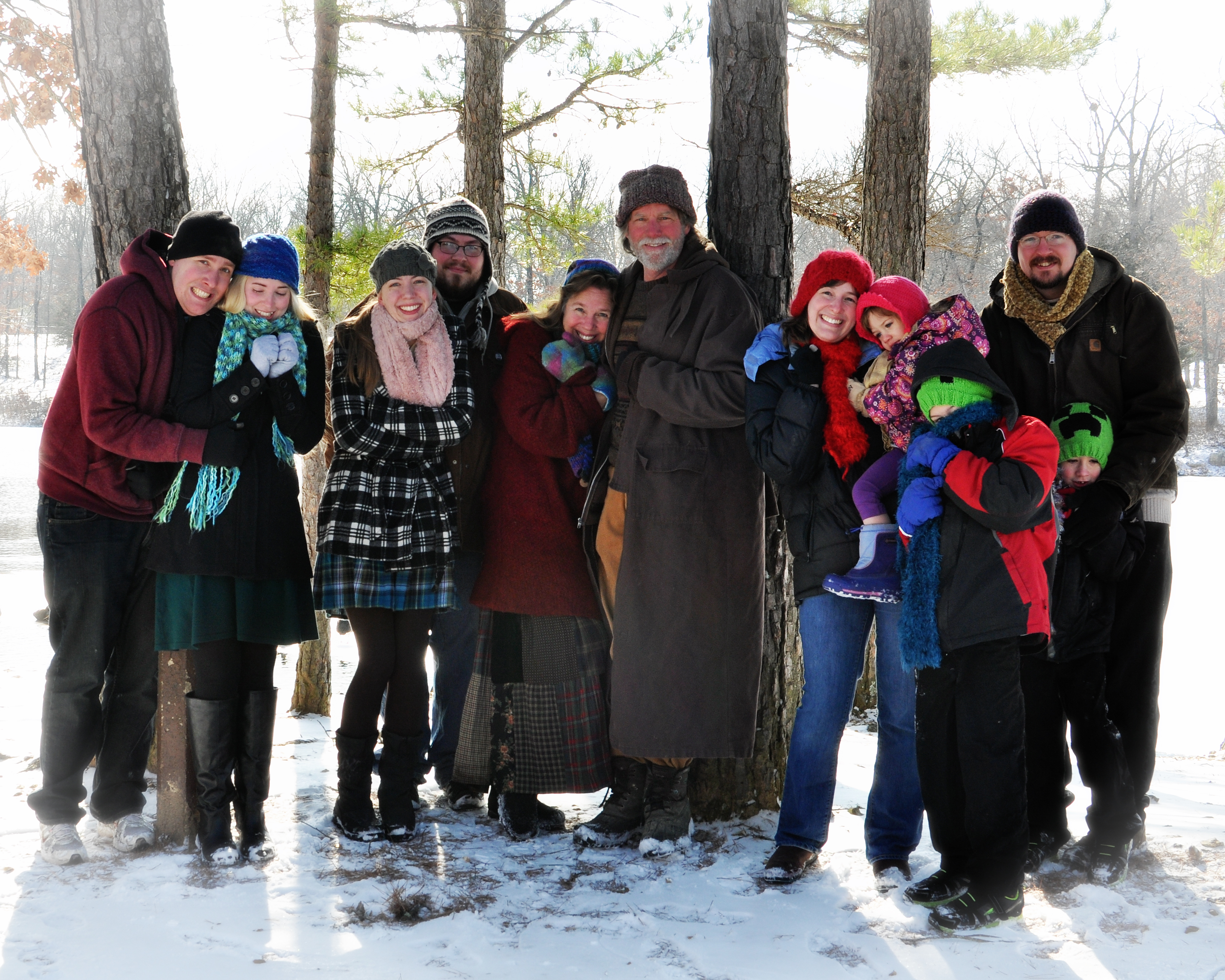
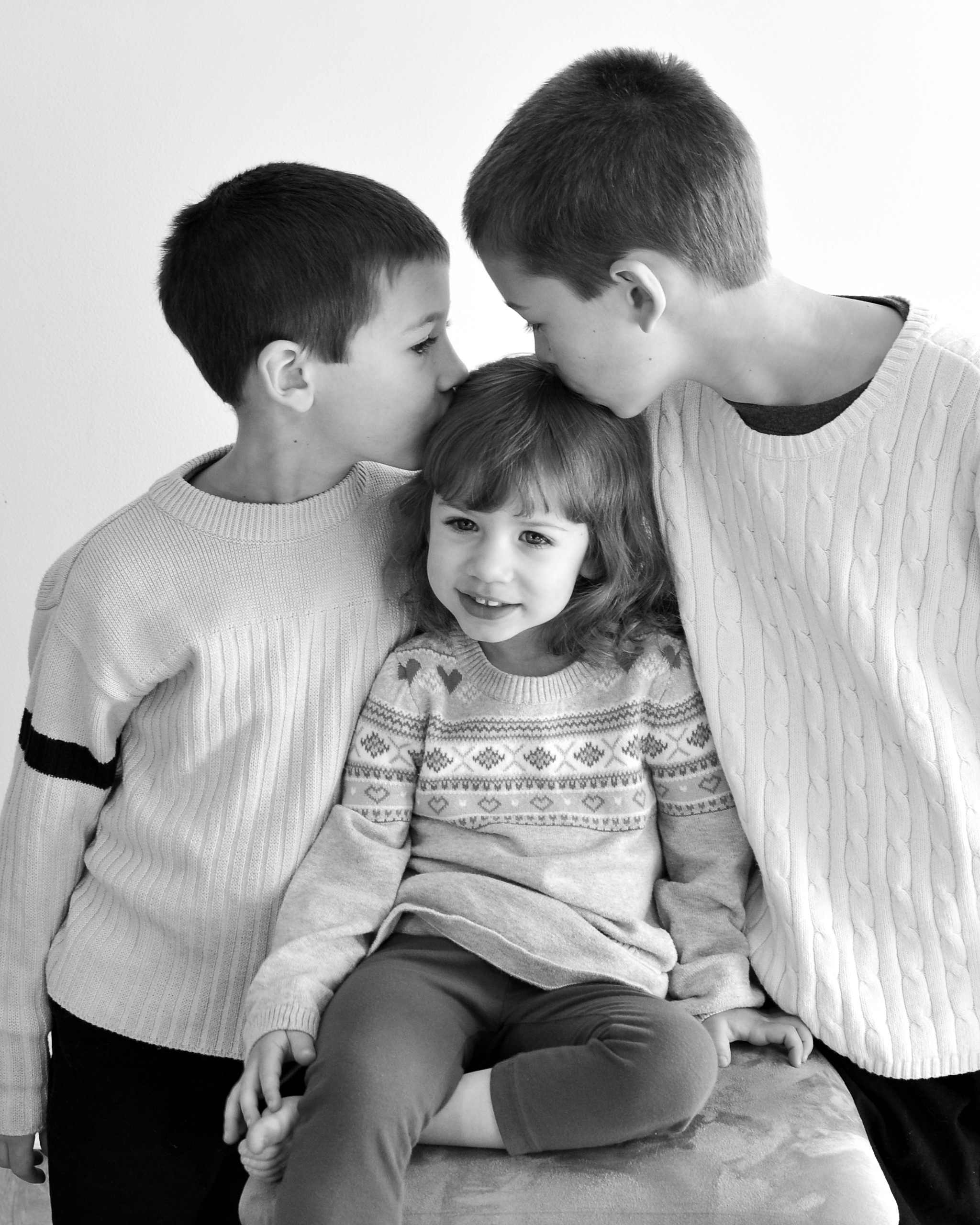
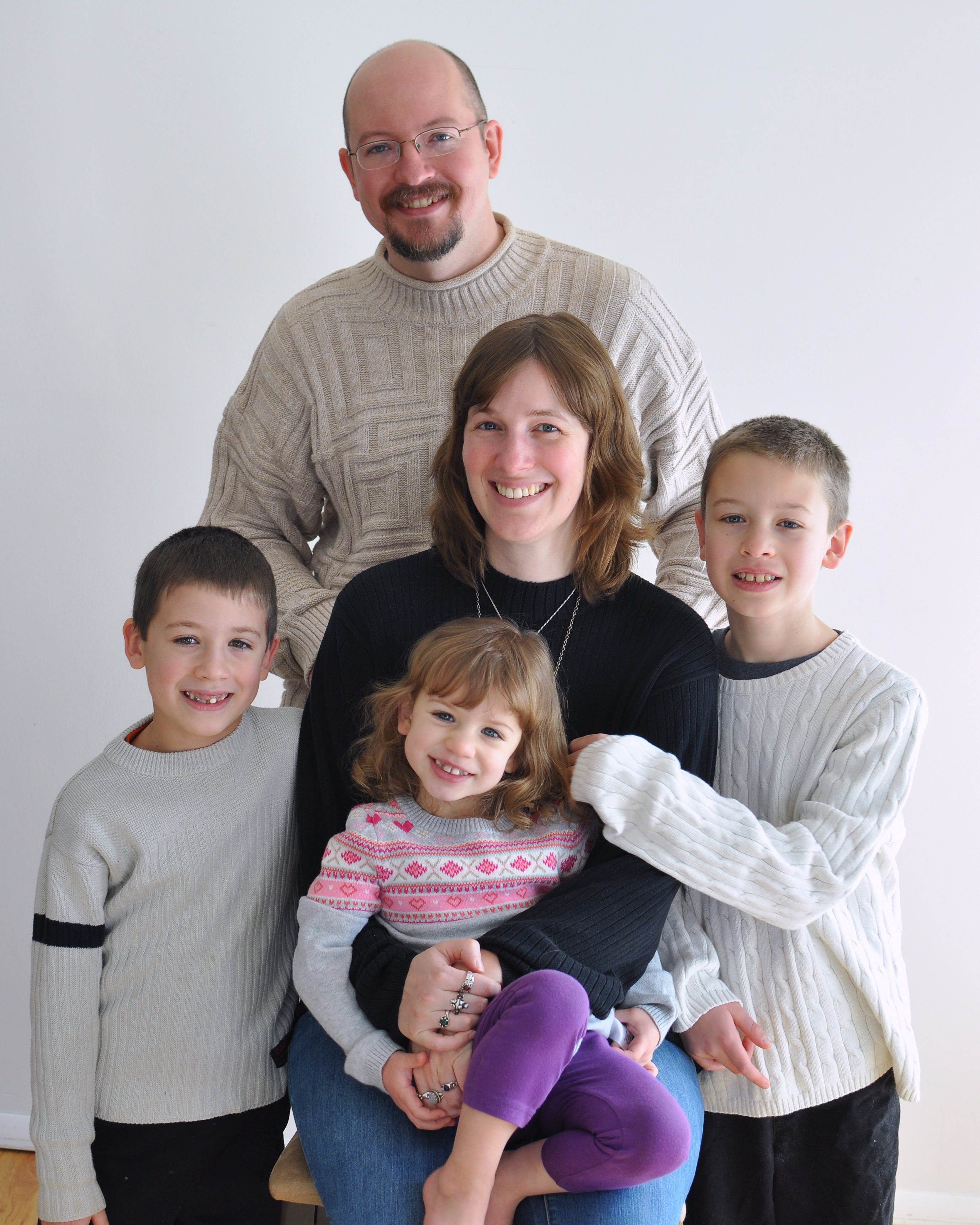
On January 2nd we had a family photo shoot…in the snow! It was 14 degrees outside. But, my brother and his wife and my sister and her husband and my parents could all make it work to get pictures taken together, so we did it! Alaina was really cold and we only got part of her face in the outdoor shots…
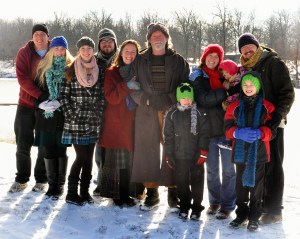
JanuaryMollyBarb 017

JanuaryMollyBarb 043

This was the “act cold” picture, but we didn’t have to pretend much!

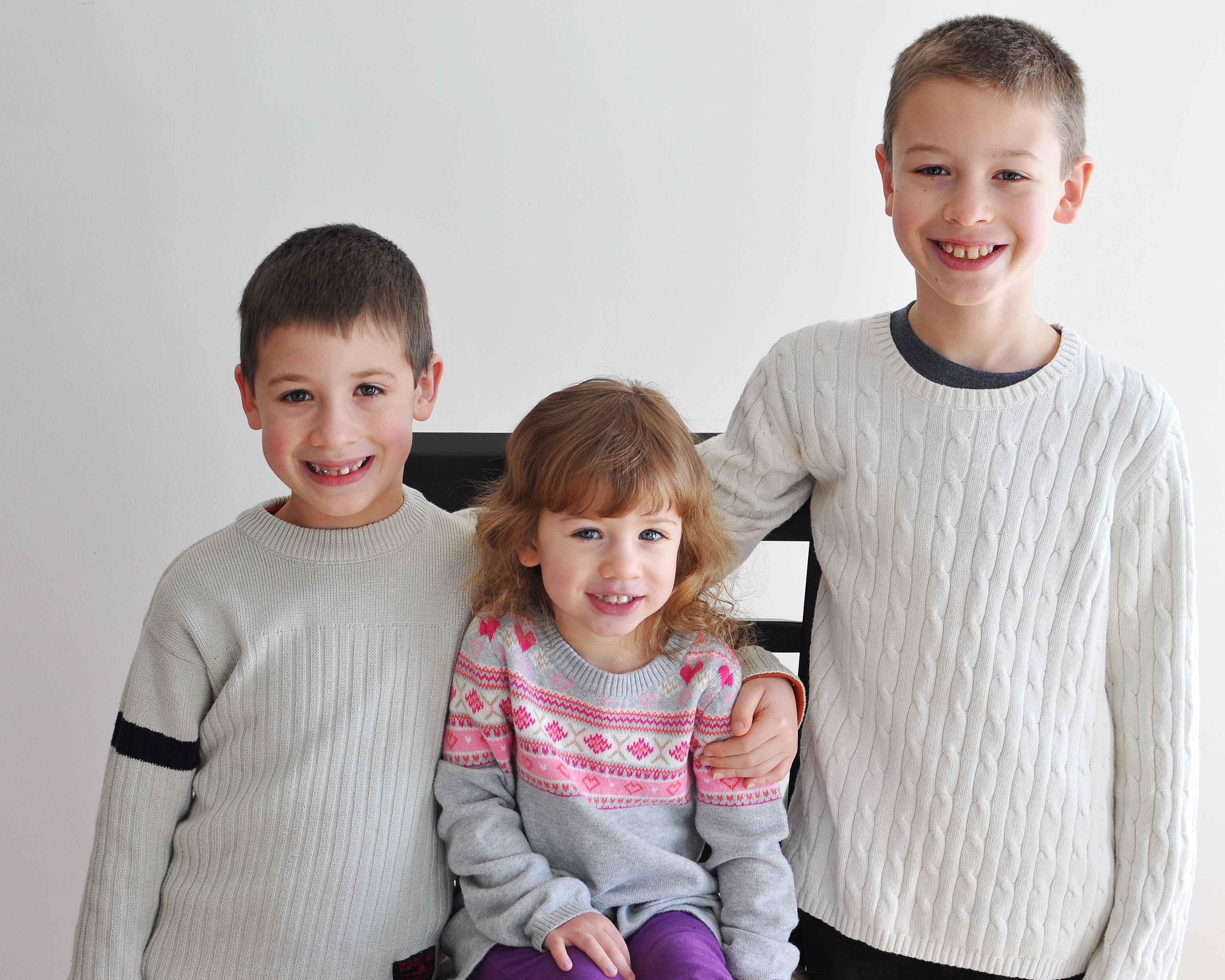
When we went over to the photographer’s house, we got some cute indoor shots of the kids too though:
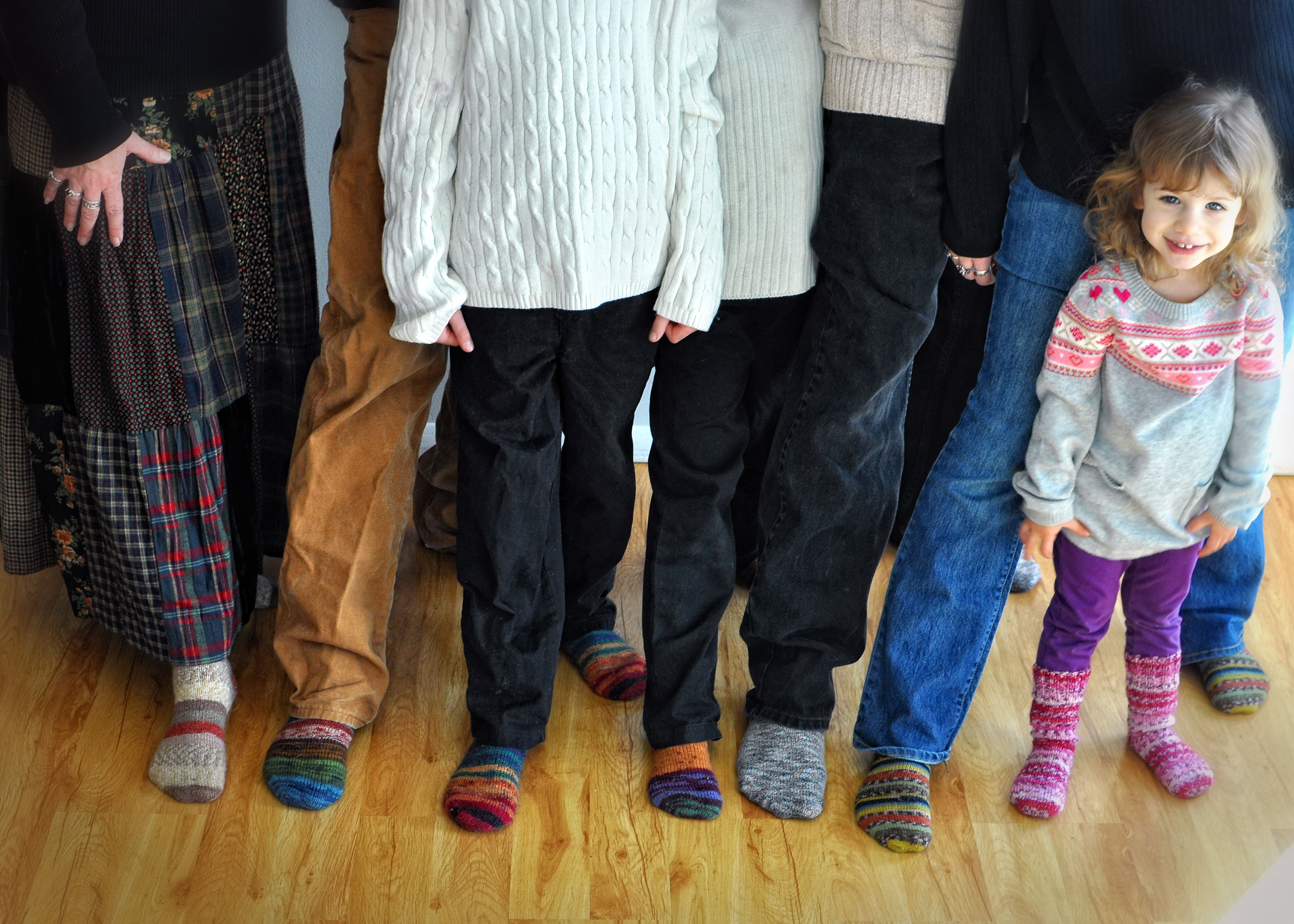
JanuaryMollyBarb 089 JanuaryMollyBarb 102 JanuaryMollyBarb 127One of my favorites is actually this picture of our family’s socks together (my mom is a world class sock-knitter and we all wear them!):

JanuaryMollyBarb 165Just look at that little person in her pink sparkly socks!

Here are some things to remember that I’ve written down over the last couple of weeks:

  • Heard Alaina yell at Zander (while working on making a marble maze together): “you ruin my ex-perience!” ;-D
  • Made brownie cookie sandwiches and she said,”these so strong they make my ears jiggle!”
  • Has excellent vocabulary and communicates well, but still says “me” instead of “I.” I haven’t worked on it too much with her, because she is the last little, “me do it” person who will live in our house and I’m not quite ready to stop hearing it! I wish I’d taken more videos of her talking (I’ve tried and they just don’t turn out. Or, she says “poop” too much to put them on youtube!). I missed out on video of “Happy Hall-o-yeen!” and “Merry Cwistmas” both and now those moments are past!
  • Later realized that when Alaina talks about her “experience” she actually means experiment! Pretty cute! (We were working on a make-your-own-bouncy-ball kit and she kept calling them her “experience.”) She can also open doorknobs now. I remember writing that milestone down for each of my kids at about three AND it usually exactly coordinated with a big leap in drawing skills. Better get this girl some paper to experience with…
  • She loves making “sacred bundles” lately and currently has three that she carries around and puts on my altars, says, “have yittle ceremony, Mama?” and, “me want make this yittle bundle for tiny baby.” (my sister-in-law’s baby) She plans ceremonies all the time and want to sit around with candles holding my hand.
  •  She likes to help me with my sculptures too!
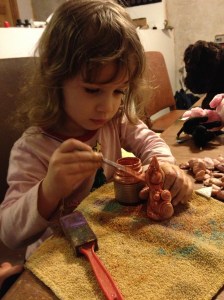
 January 2014 009

She still nurses, but we night weaned at some point in the last couple of months. I find myself increasing unenraptured with the toddler nursing experience and have been actively discouraging it in recent weeks. We go many days now with no nursing during the day after morning wake-up snuggle time. This also coincides with sleeping most nights in her own little bed from about midnight until 7-9. She is still the same little night owl she was the day she was born. Early this week she actually fell asleep on her own waiting for me to come to bed and I moved her to her own bed where she slept until almost 9:00. When she woke up and climbed in with me, I realized that that had been the first night in almost exactly three years that she hadn’t fallen asleep on my arm. This little girl has slept in my arms every night of her life until this one night! And, while I have a little pang of nostalgia and memory to see that time in our relationship slipping away, I’m also pretty ready. I’ve had a child sleeping in my arms for most of the last ten years and it feels like a good time to now just sleep. 😉

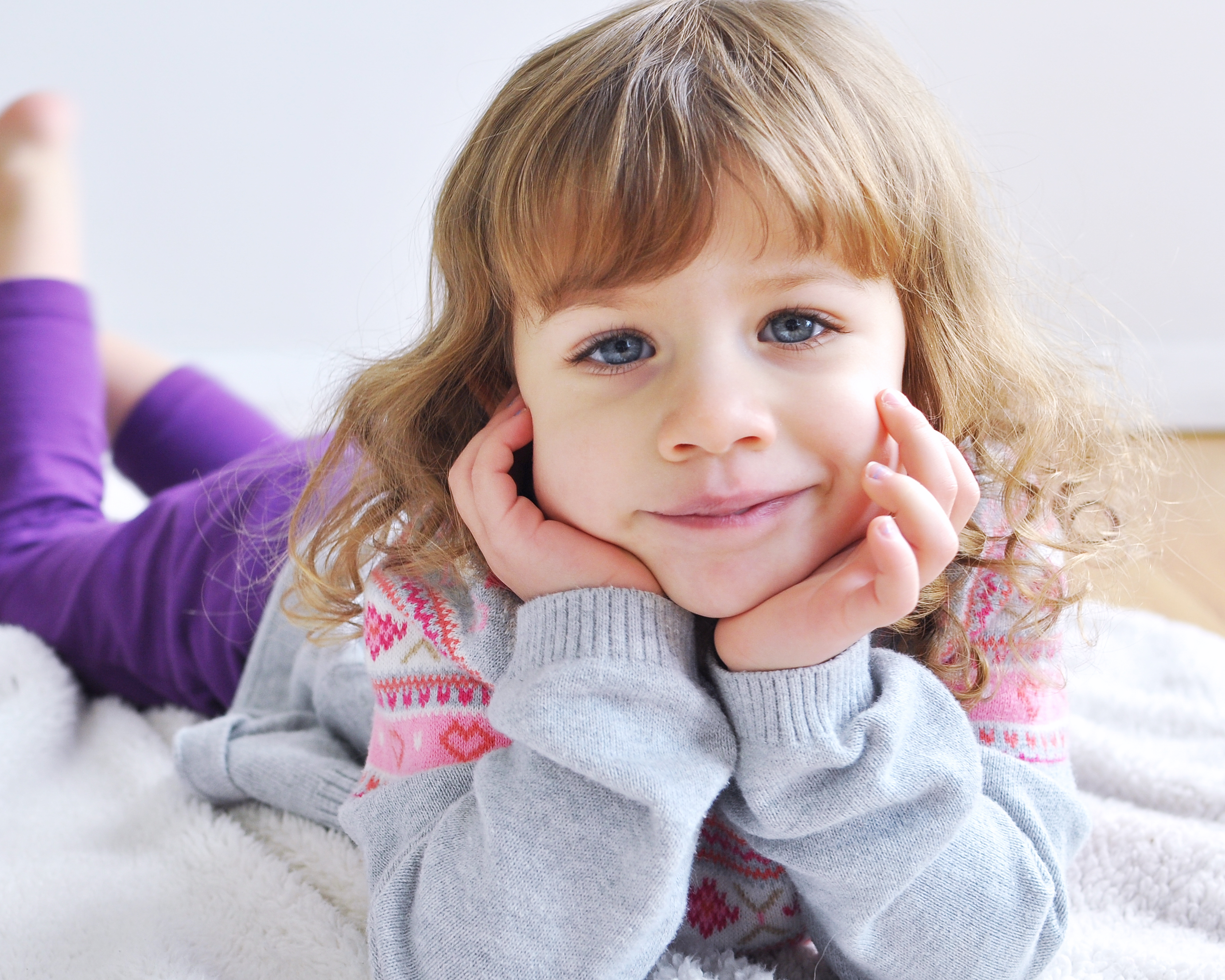
All that said, last night on the eve of her birthday, I had Mark take a couple of pictures:

20140119-221005.jpg20140119-220703.jpg

Nostalgia. I so enjoy this little person as she is now and that I feel is quickly passing by, but I also think about the boys and I know that who my kids are now fills me up so much, that I rarely ever have much time to miss their old selves! There is a special poignancy though to this little girl’s infancy and then toddlerhood and then little girlhood. I have marveled at her existence and some element of her sweetness every single day of her life. Consciously and genuinely. I do not remember this sharp clarity of daily appreciation with my other kids. It may be as Barbara Kingsolver wrote, that the last baby trails her sweetness through your life like a final flag of surrender. And, it definitely isn’t that I didn’t appreciate and marvel at the the boys—I remember plenty of sweet moments of appreciation and marvelment of them too—but when Lann was little I felt like I struggled so much with the adjustment to parenthood and the struggle over my own identity and sense of loss, that that is almost my main memory. When Zander was little, I also had toddler Lann to occupy much of my attention and time and I was much more splintered between the needs, sometimes conflicting, of two small kids. The age difference is big enough between Zander and Alaina that I simply have more energy to savor her than I did with him.

“A mother’s body remembers her babies–the folds of soft flesh, the softly furred scalp against her nose. Each child has its own entreaties to body and soul. It’s the last one, though, that overtakes you. I can’t dare say I loved the others less, but my first three were all babies at once, and motherhood dismayed me entirely. . . . That’s how it is with the firstborn, no matter what kind of mother you are–rich, poor, frazzled half to death or sweetly content. A first child is your own best foot forward, and how you do cheer those little feet as they strike out. You examine every turn of flesh for precocity, and crow it to the world.

But the last one: the baby who trails her scent like a flag of surrender through your life when there will be no more coming after–oh, that’s love by a different name. She is the babe you hold in your arms for an hour after she’s gone to sleep. If you put her down in the crib, she might wake up changed and fly away. So instead you rock by the window, drinking the light from her skin, breathing her exhaled dreams. Your heart bays to the double crescent moons of closed lashes on her cheeks. She’s the one you can’t put down.”

― Barbara Kingsolver, The Poisonwood Bible

JanuaryMollyBarb 137She wanted to have a tea party for her birthday today and specified it be with “little girls,” so that’s what we did! She did not get a pocketknife like she requested, but she did get a ferocious mom and baby t-rex as well as many other lovely and thoughtful gifts from family and friends. 🙂 I was glad to have a friend and my mom who took some cute pictures for me!


After the birthday extravaganza she requested music so she could dance in her new “mermaid dress” (hand-me-down from friend). The girl has moves and I videoed them (random radio music happened to be Material Girl):
20140119-220628.jpgAnd, then it was time for bed…

20140119-223808.jpgYes, those are three t-rexes nestled lovingly in her arms.

Happy Birthday, sweet girl! 🙂


Postscript: after originally posting, I remembered a couple of things. First, she totally had a big girl overnight at my parents’ house in December! Somehow I forgot about this while waxing nostaglic about her sleeping in my arms. We didn’t expect her to stay and kept waiting for “the call” telling us to come back and get her, but she stayed all night. I was freaking out! (And, I couldn’t fall asleep. It was totally a shock that she stayed.)

I also wanted to remember her adorable way of calling bamboo “pandaboo” (!! The cute!!!) and her speculation that dog toys “prob-ly have dognip in ’em.” Less adorable is saying, “get out of my face” to me recently while making cookies and I told her not to dump all the chocolate chips in yet. And, flinging herself dramatically on beds or couches or in cracks between furniture and sobbing loudly when told she shouldn’t have done something or that she is, in fact, in the wrong about something (such as slapping Zander’s face while playing dinosaurs and then yelling at him that it is his fault). Back to adorableness is the frequent reminder that, “me only little person” when asked a variety of things (such as, “why did you do that?!”) or when requests are made she does not want to fulfill (such as, “please don’t throw string cheese wrappers on the floor, take them to the trash”). But, it is also often a very good reminder. And, finally, we’ve noticed within the last week that she can roll her tongue! Mark can roll his and I can’t roll mine. It has always been a tiny little sore spot for me, because I just don’t like not being able to do something. My dad can’t either and said when he was a kid he was pretty sure only bratty people could roll their tongues, so we exist in non-tongue-rolling, recessive gene solidarity together. Lann can’t roll his either, but Zander can and now Alaina can too! (I feel a little betrayed ;-P)

And, when we toured Bass Pro in conjunction with a homeschool field trip to Askinoise Chocolate Factory in Springfield last week she did get a little pink pocketknife after all.

January 2014 041

Talk Books: Laughter & Tears: The Emotional Life of New Mothers

Laughter and Tears: The Emotional Life of New MothersBecause books are my first and longest-lasting love, I began my blogging career with a book blog. I eventually gave it up when I felt I no longer had time for it and turned my attention of other blog work. However, I occasionally mine the old blog for content here and I’ve realized that rather than doing traditional reviews, I really, really like doing my somewhat-new “talk books” posts on this blog. I’ve mentioned before that one of my reasons for blogging is simply to store information in one place that I want to remember or come back to later. If I’ve typed up everything I like from a book, I don’t really need to hang onto the book and the “essence” of many books (or at least what I got from them) is all compiled in one place. So, what follows is one of those mined posts (though at the end, I got caught up in the topic and went off into some related thoughts).

Laughter and Tears: The Emotional Life of New Mothers was written in 1997 by Lamaze co-founder Elisabeth Bing. I found myself with a dearth of postpartum resource books after giving birth to my first child and desperately hungered for them. I went on a dogged mission to locate them, finding them somewhat difficult to unearth, and eventually I think I read basically every book ever written on the postpartum period.  I started out enjoying Laughter and Tears, but found it less and less engaging as it went on. I think there is such a great need for books about postpartum out there—ideally, for women to read before their babies are born. I wish I would have had one already on my shelf when my first baby was born, instead of having to discover the niche later. However, part of why the book was not engaging by the time I actually read it was simply because it is geared toward women in the immediate postpartum (and also first time mothers primarily)—when I read it, I was no longer there and so my interest in the book waned fairly quickly. I also found a the heavy emphasis on “reclaiming your body” off-putting—there was even a comment like, “now that your baby is a robust two month old, you can begin to reclaim your body by reducing or eliminating feedings at night.” Excuse me? “Robust” TWO MONTH OLD? That is practically still a fetus as far as I’m concerned!

Several quotes I marked to share:

“Our society is profoundly ambivalent about children. On one hand, we praise family values, but on the other, we emphasize individual liberty and the rights of women to have as many freedoms as men. We encourage mothers to desire to have it all, but do not guarantee maternity leave, health insurance, or day care. We use babies to sell products, from laundry detergent to automobile tires, but we don’t want a mother with a toddler in the seat next to us on an airplane. We question the legality of abortion but threaten to withdraw welfare benefits from disadvantaged children. We celebrate children and praise parents for having them, but we do not provide structures or systems to help nurture them.”

And, one I still find extremely relevant:

“The degree of pleasure you take in your mothering is not the same thing as loving the baby or being an effective parent. Keep in mind there is a distinction between mother love and maternal satisfaction. You may love your baby very much but be dissatisfied with your life circumstances.”

There was also a quote that I find a new relevance in today now that our household structure has changed to both parents being home nearly full-time. I’ve been confronted over and over again in the last several months with how many “keys” to the household and family life that I’ve held over my ten years as the primary parent in the home and that, at some level, there is a power in being the one who knows (even if it just where the mustard is, for example) and that switching over to sharing those household details doesn’t actually come easily for either parent, no matter how we’ve said we wish to share them. I’m also noticing how very, very many details of the somewhat invisible work of parenting are still very much my responsibility—such as planning birthday parties or taking kids to playgroup or making dentist appointments or making sure Christmas presents are purchased and equal—and apparently, I do not know how to let those go or start transferring some of the responsibility without feeling put-upon, annoyed, demanding or like, I’ll just do it myself, since I’m the expert anyway. And, as this quote below references, I also have enjoyed being the primary emotional parent as well and still hold on to that terrain—essentially, what I want to share is the cooking and towel-folding responsibilities, while still getting to be the one run to for security and snuggles.

“Men are challenged by their attempts to be more involved and more nuturant than the ‘traditional’ father. Women are challenged not only by developing an identity in the world outside the home, but also by opening up and truly incorporating men into the intimate life of the family. You may have a concept of what a more involved father should be like, but if you are honest with yourself, is your image truly about sharing the love and nurturance? Or is it actually about wanting your partner to help with domestic chores? Are you really imagining a co-parent, or are you thinking of something more like a regular baby-sitter and handyman?”

Whatever it’s shortcomings, this book again reminded me of how vital postpartum support is for families in our society and reminded me of why I originally wanted to be a postpartum doula and how called I felt to that work. In 2004, I trained with DONA as a postpartum doula and felt 100% certain that I had found where I belonged (indeed, I still get Christmas cards and updates from one of my first postpartum doula clients—I was good at the work and they liked me a lot!). I stopped working as a postpartum doula in 2006 though. My biggest reason for discontinuing postpartum work was because at this point in my life I couldn’t reconcile taking care of someone else’s family while my own needed me so much. There I would be washing my client’s dishes and thinking that I have a huge pile unwashed at my own house (that my husband then did at night when he got home) and/or folding their laundry and thinking of the two full baskets at my own house in my own living room as yet not put away. Also, I recognized that I felt more comfortable with and am temperamentally more suited for educational/”academic” types of support  rather than the “intimate” hands-on support that postpartum or labor support requires. For a time after quitting, I really felt embarrassed about it because I was SO sure it was my “calling” and because I spent so much money on training, books, supplies, certification packet, etc. (Luckily, I totaled it up when I was preparing to quit and I made enough money from my clients to at least more than pay myself back for the training!)

I feel fervently that women/families need postpartum doula support (sometimes desperately) and I felt depressed to realize that I wasn’t the person for the role after all. I didn’t understand at the time, but I quickly figured out why the majority of the women in the postpartum doula training with me were middle-aged. They had the energy to “mother-the-mother” and “nurture the family” at that season in their lives, whereas I am still in a season in which I need to nurture my own family before I have the energy to spare to nurture someone else’s. There were also a handful of women in the training, like me, who had very young children. There were no in-betweeners, like where I am right now. I’ve begun to notice this in birth activism work (and to a lesser, but still noticeable extent, in breastfeeding support work) as well—passionate mothers-of-infants or toddlers and gray-haired sage-women are the ones who come together for the bulk of the birth activist workload in various organizations.
I’m also reminded again, however, of why breastfeeding support holds such a lasting pull for me and that is because postpartum is where it is at, that is where we are so very, very deeply needed as support people. Birth is amazing and exhilarating and women most definitely need us there too, but in the nitty-gritty, day-to-day, unglamorous, nipples and breast infections, teething, crying, dirty-haired, exhausted, wrung-out maternal web of daily being is a very tender and delicate beauty that becomes visible only when we’re willing to spend months and months, or even years, serving as a listening ear, a medication lookup, and someone to trust with both her laughter and her tears.

December 2013 018Additional resource: Non-Advice Books for Mothers