Tuesday Tidbits: Self-Care

I spent the past weekend out-of-town at a faculty conference. The whole family went and they brought Tanner to me to nurse on Friday, which was a whole day event (7:45-7:30). He fell asleep in the Ergo after walking around campus and so I took him back into the conference room with me and he snoozed there for about two hours while we talked about assessment measures and course content. It is hard for me to feel grounded and rooted while traveling, particularly in a city. It feels hard on my nerves and even my own sense of self.

After the conference, we spent an extra night at the hotel and then met up with my parents, my sister, and my brother, SIL, and nephew for some Cousin Power and family fun. Each of us only had a roughly two-hour trip to meet in Columbia, instead of traveling all the way to someone’s house. We rented a basement apartment from Airbnb and had a delightful time. It was so much better to visit that way than in a hotel! Very nice! Before our visit we also went to Red Lobster for lunch, Target for dolls, Barnes and Noble, Toys R Us (coincidentally arriving right before they started a free Jurassic World Lego build kit), Shelter Gardens (like a mini botanical garden place), and Hy-Vee (for lunch after the conference ended Saturday morning).

I’ve been working really hard for the last month preparing my Womanrunes Immersion course and I feel a little unbalanced and skewed off-center. I keep telling myself that it is okay to keep working hard, because I’m “almost done,” and sometimes pushing is exactly what is needed. But, I’ve realized as I participate in my own course, that since there is always something else immediately around the corner, that “break” I keep holding out for never comes. I have to create it for myself. The course is going so well and has been really inspiring and magical so far, while also needing a lot of energy from me. I’ve committed to working through the course myself, not just guiding others through it, and I’ve already had to take a deep look at several issues…feeling on the verge of some kind of breakthrough now. From yesterday’s lesson this reminder:

When we lack proper time for the simple pleasures of life, for the enjoyment of eating, drinking, playing, creating, visiting friends, and watching children at play, then we have missed the purpose of life. Not on bread alone do we live, but on all these human and heart-hungry luxuries.
–Ed Hayes (Simple Pleasures)

And, then from another article:

“The more fully we experience life’s beauty, the less regret we have that we didn’t live and love in the ways we most longed to.”

Barefeet, watermelons, and sunburns – it’s summer!

Part of what I’m noticing is that I spend so much time keeping up with tasks online, whether teaching, or maintaining social media, or working on etsy listings, that I feel like I do not have enough time for physical, grounded, embodied, real-life practices that nurture me. I also recognize that part of this is having a baby and that by necessity, some things get pared away. However, I worry I’m letting things of real value get pared away though, while striving to “keep up” with all the rest.

This article makes the point that no matter how much the wellness industry burgeons, it cannot overcome overwork:

No amount of multivitamins, yoga, meditation, sweaty exercise, superfoods or extreme time management, as brilliant as all these things can be, is going to save us from the effects of too much work. This is not something we can adapt to. Not something we need to adjust the rest of our lives around. It is not possible and it’s unethical to pretend otherwise…

via No, it’s not you: why ‘wellness’ isn’t the answer to overwork.

What I’m working on, primarily, is self-created and self-directed, which feels very rewarding in a different way than working for someone else, it is still definitely possible to self-direct into overwork:

“These 24/7 work cultures lock gender inequality in place, because the work-family balance problem is recognized as primarily a woman’s problem,” said Robin Ely, a professor at Harvard Business School who was a co-author of a recent study on the topic. “The very well-intentioned answer is to give women benefits, but it actually derails women’s careers. The culture of overwork affects everybody…”

…Underlying this disparity are deep-seated cultural expectations about how men and women should act. Men are expected to be devoted to their work, and women to their family, as Mary Blair-Loy, a sociologist at University of California, San Diego, has described in her research.

“It’s not really about business; it’s about fundamental identity and masculinity,” Ms. Blair-Loy said. “Men are required by the culture to be these superheroes, to fulfill this devotion and single-minded commitment to work.”

“Women have an out,” she said, “because they have an external definition of morality or leading the good life, which is being devoted to their children.”

via The 24/7 Work Culture’s Toll on Families and Gender

While I initially committed this year to focusing intensely on baby-mama’ing and letting our business grow with its existing products and services, I’ve found myself feeling creatively consumed by new and exciting and yes, fun, projects, that have actually created a lot of new work for myself! (My motto for the year is to follow the inspiration and the inspiration can be so all-encompassing!) While parenting often feels like it directly conflicts with all the creation that is bursting to emerge, I also know that my children unlocked this in me. I would not be the way I am today and offering what I’m offering today, without having been cracked open by my babies!

“Art is mirroring and life became more complicated and richer in my opinion after Scout was born,” explained Harvey. “But the world was also much more terrifying to me.”

Riots and wars in the news— hundreds or thousands of miles away— feel more acute. In the fleeting moments of daily life— a baby’s first tooth or day of school— parents often become hyper-aware of the Sanskrit term kalpa, or the cosmic passage of time. Sarah Sze, mother of two daughters and celebrated sculptor whose work Triple Point was featured at the 2013 Venice Biennale, echoed the sentiment in an interview with The Guardian. Now that she had children, she explained, time was “more significant” and had “more weight.” And ultimately, Harvey believes, this intensity that motherhood brings isn’t a hindrance — it’s “an extraordinary gift for art.”

via Why can’t great artists be mothers? – Women in the World in Association with The New York Times – WITW.

Returning to the feeling of spending too much time online though, I enjoyed both of these articles, with their different messages. The first, on why it is okay to be on an iphone and at the park at the same time:

But you know what else? If you go around insinuating that women are somehow “bad mothers” for devoting some of their precious attention to their phones instead of their precious children, then frankly, I don’t have time for your big bag o’ guilt candy.

via On Parents and Phones at the Playground – Every Other Moment.

And, the second about the dangers of so much distraction:

Social media has created a cornucopia of opportunity for us to curate our experiences and serve them up in an endless buffet of images, phrases, ideas, pithy quotes, filters, and rants…

Without down time to unwind, restore and fill our senses, our bodies and brains sense something alarming and signal the amygdala, the brain’s 911 center, to contact other areas in the brain like the hypothalamus and pituitary gland to release stress hormones like cortisol and adrenaline. The chemistry of stress tells the heart to pump faster, push more blood and oxygen into muscles so we can get ready to run if we have to, and raises blood pressure and inflammation. After all, that’s what the body does when we have a wound of any kind. Stress is the wound we can’t see.

Another reason we’re distracted is that we practice monkey mind. Our thoughts are racing and mocking for position. We can’t “think straight”…

via Redirect your focus before it’s too late.

When I was on the Board at Citizens for Midwifery, I was discouraged by the amount of time we spent on the Outrage Du Jour—what I called “putting out fires” work—rather than on the truer, deeper work and mission. It seems like every day on Facebook there is something new to get worked up over and to write outraged blog posts over and then that “crisis” passes and “everyone” is talking about something else. I try to avoid participating–whether it is birth-related, personal, or celebrity-related–because it just doesn’t have lasting value. So, I appreciated this post on Outrage and Letting Go:

“…Perhaps what we need is a reduced dose of Outrage and a higher dosage of Letting Go. You see, letting go of Outrage is not the same as embracing Apathy—Outrage and Apathy are obverse sides of the same coin. By refusing to be offended by life’s minutia, we refuse to step into Outrage’s blast radius, and thus we refuse to cast judgment arbitrarily. Ultimately, avoiding the Outrage is how we can approach controversial and interesting topics with honest, worthwhile discussions…”

Fake Outrage: Dealing with Criticism – The Minimalists.

Yesterday, a new book arrived for me to review and I’m really looking forward to it! (It does join a large stack on my desk.)
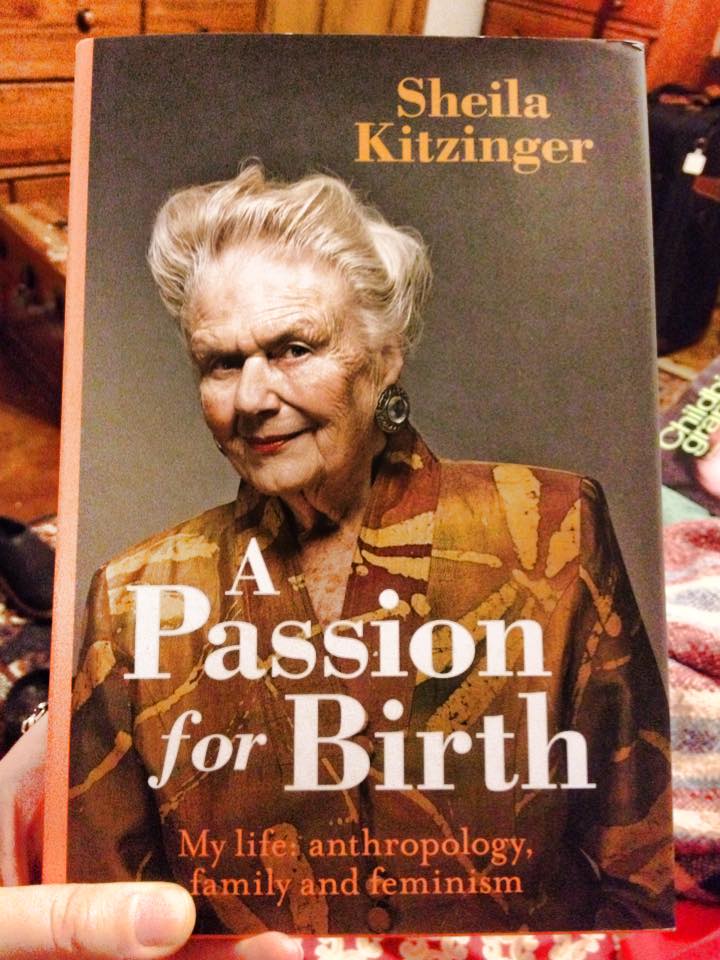
1978706_10155723230680442_8659481311478884417_nThis morning, I read a memorial article about Sheila Kitzinger too:

In writing her own fantasy obituary for a newspaper many years earlier, she imagined dying at the height of her powers: “She died as she would have wished, flat on her back on a table with her legs in the air, in front of a large audience, demonstrating with vigour the dangers of making women lie down, hold their breath till their eyes bulge and strain as if forcing through a coconut to push a baby out. She claimed that treating the second stage of labour as a race to the finishing post … could result in cardiac arrhythmia and even a stroke. She made her point.”

Rather than the melodramatic early death she conjured up here, Sheila died quietly at home surrounded by her family, at the age of 86…

via How to plan for a good death | Life and style | The Guardian.

Yesterday in response to my own Womanrunes prompts, I literally went outside to smell the roses.

11227964_10207110812918713_5387391899479469362_nIt was just what I needed and I need to move these experiences up in priority in my day, instead of being the last things I attend to. I’m also participating in this free offering:

Enchant Your Everyday: 108 Day Pilgrimage to Your Beautiful Life – Vanessa Sage.

This is a beautiful world. Don’t miss it!

Tuesday Tidbits: Birth Privacy

IMG_5598 I’ve been trying to post about this article for a couple of weeks now! It is an interesting look at the biological need for privacy at the end of pregnancy and during birth.

…This ‘time’ at the end of pregnancy was described in a lovely article (The Last Days of Pregnancy: A Place of In-Between- The Mothering website) as Zwischen, a German word for between. At the end of pregnancy the mothering hormones start to cause emotions to run high as the cervix starts to soften, efface and women generally crave the quiet and private places they need to emotionally and mentally travel inwards.

In many traditional cultures around the world, women are known to actively leave their tribes for birthing huts (Inuit Tribe a group of indigenous people residing in the Arctic regions, Kwaio a tribe who live in an Island off the Pacific and many more). The Eipos people in Papa New Guinea are documented (Schnietenhovel) to go into the Wilderness of the Bush shortly before the onset of labour. The tribes above are also protected by various women they already have a relationship with throughout their pregnancy and birth journeys. Midwives and female relatives provide the support to enable confidence in the birthing process and some of the women will go off and give birth alone.

via The biological need for privacy at the end of pregnancy | Calm Yorkshire Birth.

She also writes about how the pervasiveness of social media might impact this need for privacy:

…Don’t be fooled by the facelessness of facebook and other social media. Just because you cannot be physically seen, it doesn’t mean you have privacy. I often hear so much unnecessary stress from women who feel observed on groups within the social media communities. Smart phones leave us open to be contacted by anyone day or night at a time when we just don’t want to be in touch with anyone at all. I wonder what effect social media has on the orchestration of birthing hormones that play such a vital part in undisturbed childbirth.

via The biological need for privacy at the end of pregnancy | Calm Yorkshire Birth.

I felt a strong call to retreat and pull in during all of my pregnancies, maybe because of my introverted personality and craving for solitude, but maybe because of biology too…

Pregnancy—towards the end of pregnancy I feel an inward call. I start wanting to quit things, to be alone, to “nest,” to create art, to journal, and to sink into myself. Nothing sounds better to me in late pregnancy than sitting in the sunlight with my hands on my belly, breathing, and being alone with my baby and my thoughts.

via Introverted Mama | Talk Birth.

For me, this preference for solitude is reflected in my preferred birth environment which involves no talking/noise and as few other people present as possible.

This is not how all women feel, my own mother has expressed that she enjoyed and wanted quite a few people around her while she was giving birth—the help, support, companionship, and affirmation from other women was important to her births. The women giving birth on The Farm, of Ina May Gaskin’s Spiritual Midwifery fame, also seemed to be very social birthers. I remember looking at the pictures in the book and feel a little horrified by the huge gatherings of people present for births! Speaking of The Farm, I enjoyed reading this interview about the birth culture created by the midwives there:

“This is how I had my own babies,” she said. “I knew that if I could do it, pretty much anyone who was healthy and well could do it. So I wanted to help women. Of course, I never thought I’d be in the type of job where I was working mostly with delivering babies, but in the process of helping women, I fell in love with women. Women are brave. We’re absolutely beautiful creatures.”

via “The Farm” in Tennessee is the country’s oldest intentional community. But the real story is how they deliver babies.

I was also reminded of this past post about Birth Witnesses. This remains one of my very favorite guest posts that I’ve hosted here and it gives me food for thought every time I re-read it:

The only way to understand birth is to experience it yourself. The ONLY way? That comment stayed with me, haunted me. I became a doula after my daughter’s birth because I wanted to be able to provide women with support and knowledge that could give them a different experience, a better memory than what I had. I just couldn’t believe that there wasn’t a way to understand birth at all except to experience it firsthand. Certainly there wasn’t always this fear and unknown around birth that we each face today. Not always. I began studying that idea. What about other cultures? What about our culture, historically? What about The Farm? There wasn’t always this myth and mystery about birth! I realized there was a time (and in places, there still is) when women banded together for births. Mothers, sisters, cousins, daughters, aunts, friends. They came together and comforted, guided, soothed, coached, and held the space for one another during birth. These women didn’t go in it alone – they were surrounded by women who had birthed before them. Women who knew what looked and felt right, and what didn’t. Women who could empathize with them and empower them. In addition to that, girls and women were raised in a culture of attending births. Daughters watched mothers, sisters and aunts labor their babies into this world. They saw, heard, and supported these women for the long hours of labor, so when they became mothers themselves, the experience was a new, but very familiar one for them. Birth wasn’t a secretive ritual practiced behind the cold, business-like doors of a hospital. It was a time for bonding, learning, sharing and sisterhood. Girls learned how women become mothers, and mothers helped their sisters bring forth life.

via Birth Witnesses | Talk Birth.

We can’t overemphasize the importance of who is present in the birth space and their influence on how a birth unfolds. Other people’s presence can have a powerful impact, whether positive or negative. One important area is with regard to freedom of choice and self-direction:

…Women can find themselves feeling bullied or coerced into agreeing to procedures they wish to avoid, such as induction or continuous fetal monitoring. They may be told if they don’t follow their doctor’s suggestion their baby’s life will be in danger. Consent is most often given, but it is not informed consent. Many parents in this vulnerable position either don’t know how to advocate for themselves or are under prepared to – practically, emotionally and psychologically.

via When Doctors Don’t Listen: Informed Consent and Birth | BellyBelly.

Choice-based narratives figure heavily into both “alternative” and “mainstream” dialogues about birth. I am emphatic that the companion to informed consent must be informed refusal. Very often, there is no option to refuse, and in this situation, there is no real choice involved at all…

…Women’s lives and their choices are deeply embedded in a complex, multifaceted, practically infinite web of social, political, cultural, socioeconomic, religious, historical, and environmental relationships.

And, I maintain that a choice is not a choice if it is made in a context of fear.

via The Illusion of Choice | Talk Birth.

On a related note, what about pain and birth? Do we accurately remember what birth feels like? I feel as if I do remember, though it is often said that you “forget” as soon as the baby is born. I find instead that it is more of the “halo effect” described here:

The ‘halo effect’ is the term given to describe the positive emotions experienced by the new mother when the baby is placed in her arms for the first time. In that moment, amidst a rush of oxytocin and happiness, the mother is likely to have a more positive view of the birth experience than she did ten minutes earlier. Simply put, the happiness of holding her baby for the first time overpowers any pain or negativity from the birth.

It makes sense that this effect could influence how the pain of birth was remembered. The pain of birth may be remembered as less severe simply because the benefits of having a healthy baby are felt to outweigh the discomfort caused by childbirth.

Women who experience traumatic births and who are unable to hold their babies immediately after the birth may miss out on this ‘halo effect’. Though they will still experience the rush of love and hormones upon holding their baby for the first time, the delay can reduce the impact this has on their overall feelings about and memory of labour and birth.

via Do Women Forget The Pain Of Giving Birth? | BellyBelly.

When you feel amazing about yourself and deeply in love with your baby, the memory of exact sensation fades to the background and the exhilaration and triumph and love moves to the forefront. However, there is also simply the physical component (kind of like when you have the flu, it dominates your mental landscape and you forget ever feeling healthy. Then, you get better and the flu-self becomes distant). I marvel at how women shift through these physical stages. When I am Pregnant Woman, it is totally real and becomes normal. After I give birth and become Nursing Mother again, that is what is vibrant and real and Pregnant Woman, and the thoroughly embodied experience of pregnancy, becomes fainter and more dreamlike. Interesting that I use the word dreamlike, because I also find that it is in dreams that the physical experience returns with crystal clarity. I sometimes dream about being pregnant or giving birth and in those dreams I am 100% confident that I have not forgotten at all what it feels like, my body holds a deeply invested physical memory and “imprint” of my babies and births, it is just hard to call it back as vividly while going about every day life tasks at the same time.

Anyway, once we’ve experience the power of birth, we may become evangelists for birth, at least for a time. I really enjoyed my memories of the enthusiasm and energy I felt as a new birthworker reflected in this post from ProDoula:

It’s magical. It’s moving. It’s more than you ever imagined it would be. And you love it!

You never want it to end. You want to feel the power of these women and you want to talk about birth, ALL DAY LONG! In fact, you never want to talk about anything else again!

At the end of the last day, you “friend” each of these women and you expect to stay in contact with them forever. You are sad that it’s over, but you are a new woman because it happened.

You are replenished. You are fulfilled. You are wiser and you are stronger.

And then, you go home…

via Don’t Puke Birth on the Ones You Love | ProDoula.

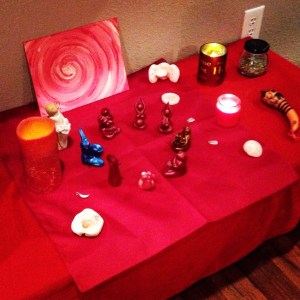
What I discovered with time though is that I feel the power of women and this replenishment and strength in other forms besides the birth world. I find it in my priestess work, in my women’s circle, and at the Red Tent too.

IMG_5632

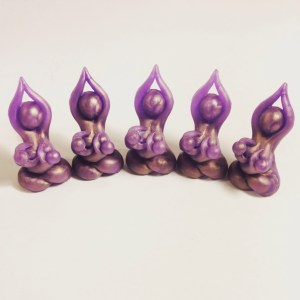
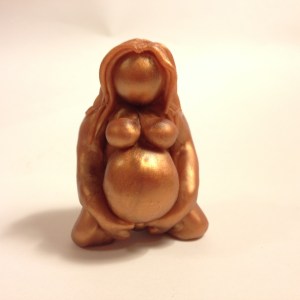
We had a run on twin mama goddess sculptures this week after a happy customer shared a picture of hers with her friends! 🙂


Tuesday Tidbits: Happy Father’s Day!

“Fatherhood challenges us, but it also enlarges us and reshapes our perception of what is important in the world around us. As we take stock of this new world, we find that doing our job as a dad is inherently honorable and respectful, and brings to us the dignity that goes with the territory. Far from being emasculating, being a dad makes us men in the finest sense of the term.”

Dads Adventure

June 2015 050Maybe it seems too early to offer Father’s Day wishes, but we’ve been working hard on our new Papatoto daddy sculptures and also finishing up our new birth affirmation cards for fathers which are coming up as the freebie in the June newsletter (subscribe at http://brigidsgrove.com), so I’m in the mood! I’ve been mining my blog for past father-relevant posts and have been re-sharing them from the depths of my blog archives. So far, I’ve found a breastfeeding facts book review:

“Since partner support of a breastfeeding mother is one of the most important factors in breastfeeding success, the short book Breastfeeding Facts for Fathers is a valuable book indeed…”

via Book Review: Breastfeeding Facts for Fathers

And three more reviews, one for homebirth dads:

The target audience for the handbook is easily summed up in the prologue: “…I’ve met far more men who have responded to their partners’ home birth wishes with a mixture of shock, cynicism, and fear…Far from being domineering ogres who just want to see wifey tucked ‘safely’ away a hospital, these loving fathers have simply had very little access to accurate, impartial information about the safety and logistics of home births versus hospital births.”

via Book Review: The Father’s Home Birth Handbook | Talk Birth.

One a handy little guide for any father-to-be:

“Humanity cannot invent a drug that can work better than a mother’s body can manufacture or a knife that is sharper than her instinctual nature.”

–Patrick Houser

Book Review: Fathers-To-Be Handbook: A Road Map for the Transition to Fatherhood

And a long-time favorite resource, Fathers at Birth:

I greatly enjoyed reading a book that explores and expands the role of men at birth. In addition to serving as a helpful resource for men who wish to be active partners in the birth process, doulas will find helpful tips and tricks in the book, and childbirth educators will find language and ideas for reaching out to and better connecting with the men in their classes. It is a nice addition to any birth professional’s lending library.

via Book Review: Fathers at Birth | Talk Birth.

Father’s Day represents an important milestone for us, since it was this time two years ago that Mark gave his notice at his job and took the leap into a full-time home-based life with the rest of us. This was prompted in many ways by his desire to spend more time with his family, which I wrote about several years ago in my Fatherbaby post:

We have discussed how each of our babies has been a catalyst for big changes in our home situation. Our first baby was the catalyst we needed to move away from our by-the-highway-no-yard townhouse in a city and onto our own land in the country near my parents. Our second baby was the catalyst we needed to finish building our real house and to move out of our temporary house and into our permanent home. So, we are now wondering what kind of catalyst our baby girl will be?

via Fatherbaby | Talk Birth.

She was the catalyst to finally make the leap and now that we have Tanner, Mark finally gets to spend that precious year of babyhood with the baby and the rest of us. Here’s that catalyst baby girl and her daddy now:

Molly 151The wild raspberries are ripe a little earlier than usual this year and though we often make one on Father’s Day, we’ve already enjoyed a treasure of a cobbler from those we picked over the weekend. Here’s last year’s post with the recipe:

…I consider any berry picking expedition to be the very definition of success as long as there are enough berries to make a cobbler! It was so delicious I felt like sharing my version here, in case any of you would also like to enjoy one with your family during berry season.

via Recipe: Wild Raspberry Cobbler | Talk Birth.

Happy Father’s Day!

June 2015 034“The absolute miracle of a birth and the emergence of a new human being into the world catapults both mother and father into the realm of awe and wonder. They are flooded with non-ordinary feelings and energies that support a deep connection not only with the newborn and each other, but also with the mystery and power of life itself.”

–John & Cher Franklin in FatherBirth

Wisdom from Moon Time for Red Tents

IMG_3728“At her first bleeding a woman meets her power.
During her bleeding years she practices it.
At menopause she becomes it.”

(Traditional Native American saying)

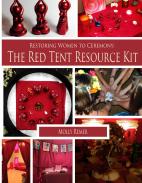
One of my favorite books to have available on the resource table of our local Red Tent Circle is Moon Time, by Lucy moontime2Pearce. I reviewed it in this post, but didn’t have room for all the juicy quotes I wanted to share! One of the ideas I include in my own Red Tent Resource Kit book is to use womanspirit wisdom quotes to stimulate a discussion in the circle. Here are some quotes from Moon Time that would make great launching points for a sharing circle at the Red Tent:

“It is my guess that no one ever initiated you into the path of womanhood. Instead, just like me, you were left to find out by yourself. Little by little you pieced a working understanding of your body and soul together. But still you have gaps.”

Questions for circle: Were you initiated into the “path of womanhood”? What gaps do you feel?

“You yearn for a greater knowledge of your woman’s body, a comprehensive understanding of who you are, why you are that way. Perhaps you have searched long and hard, seeking advice from your mother, sister, aunts and friends, tired of suffering and struggling alone. You may have visited doctors, healers or therapists, but still you feel at sea and your woman’s body is a mystery to you. Or maybe you have never given your cycles a second thought … until now.”

Questions for circle: What do you feel like you need to know about your body? What mysteries are you uncovering?

“Through knowledge we gain power over our lives. With options we have possibility. With acceptance we find a new freedom.

Menstruation matters.”

Question for circle: How does menstruation matter?

Additional information about why menstruation matters on a physical, emotional, and relational level:

We start bleeding earlier today than ever before, with girls’ first periods occurring at 12.8 years old now, compared with 14.5 years at the beginning of the last century. Coupled with lower breastfeeding rates, better nutrition and fewer pregnancies, women now menstruate more in their adult lives than at any time in our history.

From the age of 12 to 51, unless you are pregnant or on the pill, every single day of your life as a woman is situated somewhere on the menstrual cycle. Whether ovulating or bleeding, struggling with PMS or conception, our bodies, our energy levels, our sense of self, even our abilities are constantly shifting each and every day. And yet nobody talks about it…

via Moon Time: Harness the ever-changing energy of your menstrual cycle

As I noted in my review, one of the things this book was helpful for to me personally, was in acknowledging myself as a cyclical being and that these influences are physical and real: IMG_5194-0

Each month our bodies go through a series of changes, many of which we may be unconscious of. These include: shifts in levels of hormones, vitamins and minerals, vaginal temperature and secretions, the structure of the womb lining and cervix, body weight, water retention, heart rate, breast size and texture, attention span, pain
threshold . . .

The changes are biological. Measurable. They are most definitely not ‘all in your head’ as many would have us believe. This is why it is so crucial to honour these changes by adapting our lives to them as much as possible.

We cannot just will these changes not to happen as they are an integral part of our fertility.

From there, another relevant quote:

“There is little understanding and allowance for the realities of being a cycling woman—let alone celebration.”

Questions for circle: What allowances do you make for yourself as a cycling woman? Are you able to celebrate the experience?

In my own life, I’ve had to reframe my understanding of the impact of the monthly moontime experience by looking IMG_4269at it through the lens of healthy postpartum care following birth—it is crucial that we care for our bodies with love, attention, respect, and time. Our local Red Tent Circle definitely doesn’t focus exclusively on menstruation or on currently menstruating women (all phases of a woman’s lifecycle and her many diverse experiences and feelings are “held” in that circle)–in fact menstruation sometimes barely comes up as a topic—however, one of the core purposes of our circling is in celebration. We gather together each month to celebrate being women in this time and in this place, together. I started out my work with women focused on birth, breastfeeding, and postpartum. While those are formative and central and important life experiences, it became very important to me to broaden my scope to include the totality of women’s lives, not just pregnant women. I want to honor and celebrate our whole lives, not just pregnancy and birth. Having a mother blessing ceremony during pregnancy is beautiful and important and special, but I feel like that care, attention, value, and ceremony can be brought into the rest of our non-pregnant lives The_Red_Tent_Resourc_Cover_for_Kindlethrough gathering together in a Red Tent Circle. This is one reason why I’m so excited to offer an online Red Tent Initiation Program this summer. This program is designed to be both a powerful, personal experience AND a training in facilitating transformative women’s circles.

Back to Moon Time quotes!

“There is no shame in tears. There is a need for anger. Blood will flow. Speak your truth. Follow your intuition. Nurture your body. But above all … Let yourself rest.”

Questions for circle: Do you allow yourself anger and tears? Do you feel shame? How do you speak your truth? How do you give yourself time to rest?

To be clear, I wouldn’t use all these quotes at one Red Tent Circle! I would use them individually at different gatherings. This one blog post has enough potential circle discussion prompts to last for more than six months of Circles! 🙂 This month I also bought a bundle of copies of Moon Time to have available for women at our local Red Tent.

More good discussion quotes here: Talk Books: Cycle to the Moon | Talk Birth.

And, there are others in my Red Tent Resource Kit.

Please consider joining us this summer for the Red Tent Initiation Program!

IMG_3702

Sevenmonthababy!

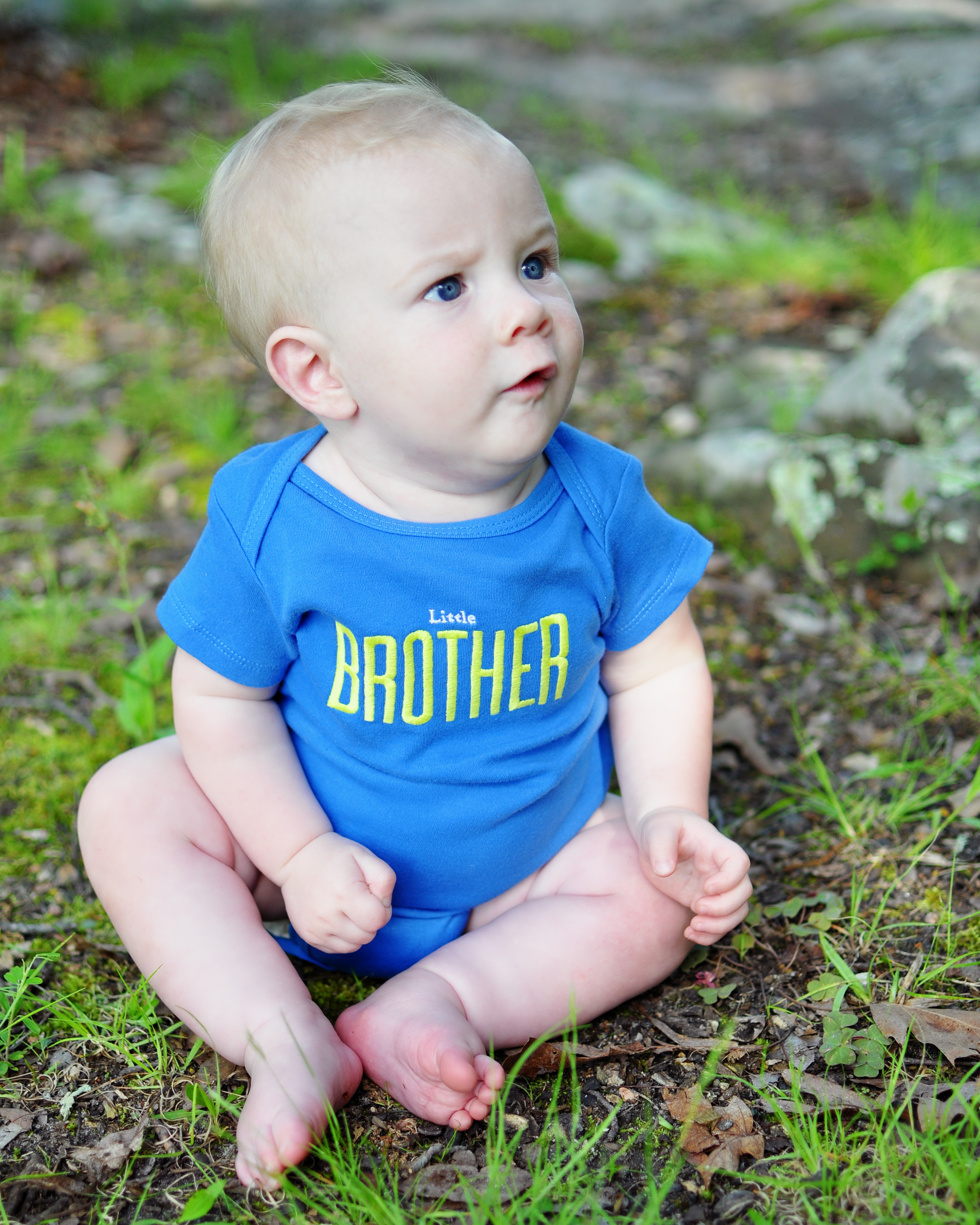
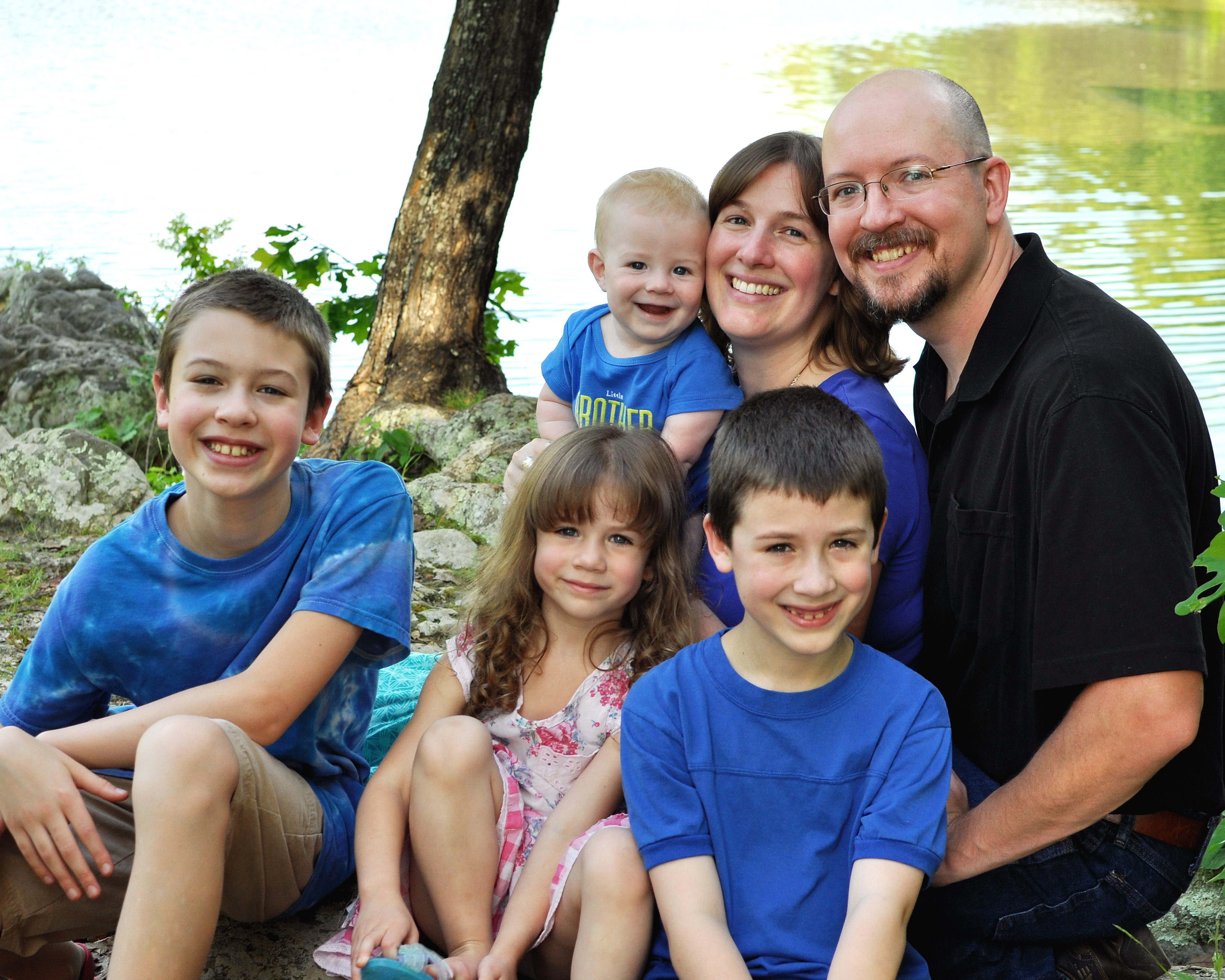
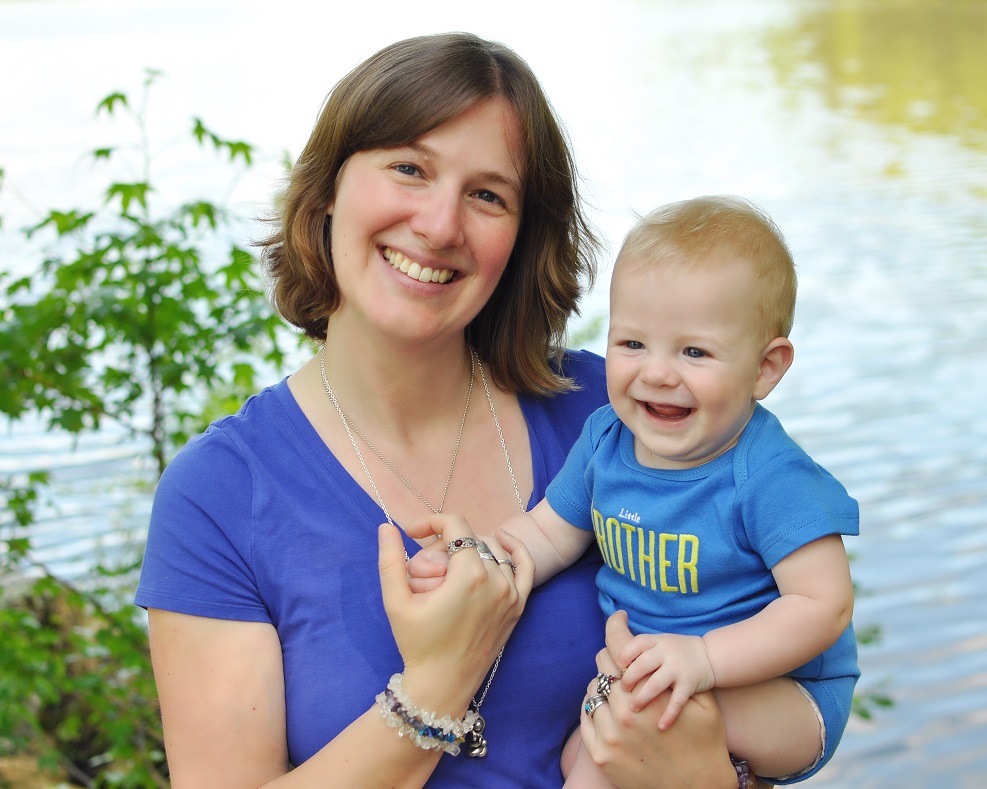
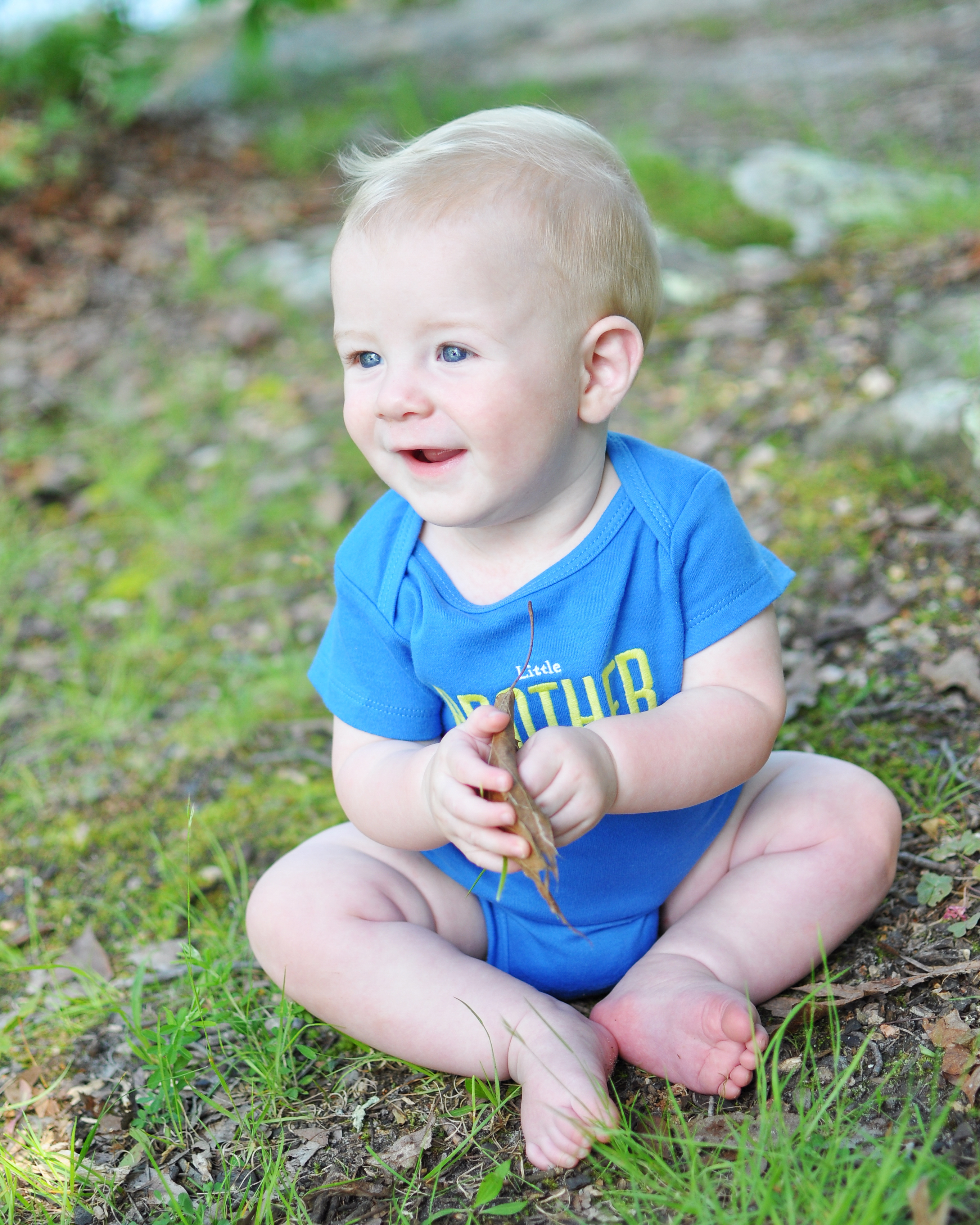
Molly 033I saved my seven month update post until we got our pictures back from our spring family photo shoot. I decided I really wanted new family pictures for Mother’s Day this year. It took a lot of date-wrangling, but we finally got them to work out at the end of May with our favorite family photographer (Karen has been chronicling important moments for us for more than five years!). We got some family pictures:

Molly 105Some grandparent pictures:

Some kid pictures:

Some couple pictures:

cropMolly 143

Lots of just baby pictures:

Some mama-baby pictures:

cropMolly 115 and some new profile pictures for me:

Molly 180Okay, seven month Tanner tidbits! He dances! That’s one of the cutest things I’ve ever seen since the last time I had a dancing baby. He loves the guitar. Mark plays daily and it is a sure way to attract baby-attention. He also still loves to go outside—writhes and twists to try to direct adult-transport-unit out of doorway. He claps hands and sort of waves. Also still seems to say with accuracy, “hi,” “love you,” and now “ma” (while crawling after me or looking for where I’ve gone). Since he is on the move so much, I’ve found we’ve fallen off the EC bandwagon almost completely, except for mornings and after naps. I remember going through a similar stag with other kids. His army crawl is ancient history and I’m afraid the only video I have is one the kids took of him! He speeds around the house in a normal crawl now and pulls up, including on flat surfaces with no handholds (like the front of the dishwasher). He cruises with impunity and even occasionally lets go for a second or just holds on with an elbow or part of one arm. He continues to push a little beyond what he is actually physically ready for and as such misjudges and bonks head more often than I’d like!

He is a little leaner and smaller than my past babies and he has become a pretty terrible sleeper. AND, he suddenly seems to think he only needs one nap during the day! I’m feeling pretty exhausted and worn down, similar to keeping up with the mobility and destructiveness of someone closer to one. He is like a rabid squirrel monkey on steroids. Wears me out! I can’t describe how constantly on the go he is with roving/waving/scanning-to-grab hands while riding along and twisting/leaning to jump out of arms and speed away (but, often when put down then frustratingly pulling immediately back up on my legs and crying and looking desperate even though he was clearly leaping down!). It feels like Alaina is constantly yelling “choking hazard.” He has an obsession with obtaining my chapstick, my laptop and mouse, and my iphone/ipad and pursues each with dogged determination. Luckily, he gives precious hugs and kisses to make up for wild-baby-on-wheels-style.

Molly 121 The age range span of all my kids feels really hard to manage lately. Just any one of them on their own (or the two older ones together) seems easy. All together, it feels like someone always getting overlooked, having to wait, or not getting needs met and that’s hard. We’ve definitely reached maximum household capacity!

Even though I’m worn out and feel “old” to be doing this (in the context of the age range of my kids and the fact that I’ve been toting a small person around nonstop for almost 12 years. If I was the same age and only had him, I might feel differently!), there isn’t a day that goes by that I don’t marvel at what a treasure he is and how lucky we are to have him. He’s really amazing! And, I’m surprised by how surprising and exciting all of his developments are—you’d think I’d feel like, “been there, done that,” but instead he seems quite a bit different than other babies I have known. He’s so baby. We say it all the time, check out the babyness of this totally baby baby…

Molly 037cropMolly 043

Introducing…Papatoto!

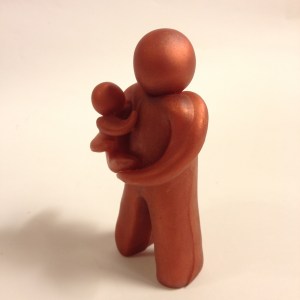
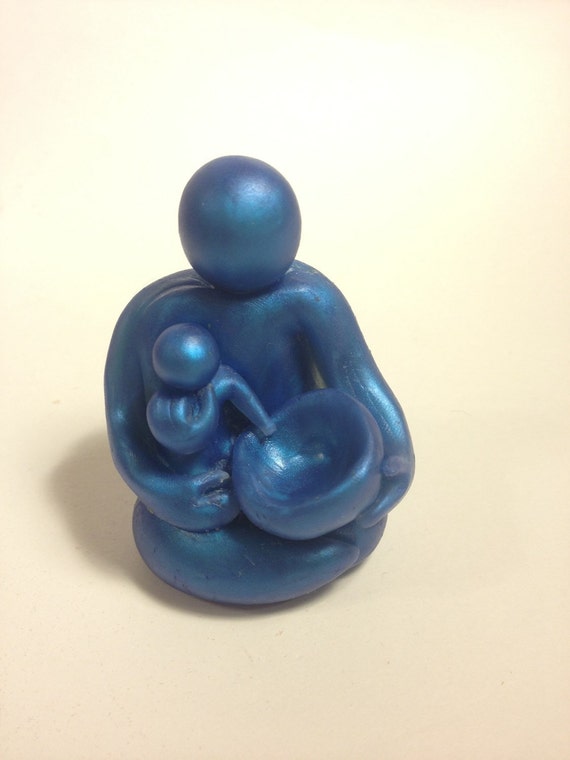
Attached Father, Papatoto, daddy and baby art sculpture (dad, attachment parent, mother blessing, midwife, doula, childbirth, figurine)“When he becomes a father, a man leaves behind his life as a single individual and expands into a more inclusive role. He becomes a link in an unbroken chain. And in doing so, he himself undergoes a birth process–the birth of himself as a father.”

–John Franklin (FatherBirth)

Just in time for Father’s Day, we’ve finished our first ever father-baby sculpture. This seated father and child sculpture is 3 inches and colored with a beautifully swirly mica pigment. He is custom created in the color of your choice by request in your order (color choices: blue, turquoise, russet, lavender-gold, rose-gold, gold, bronze, copper, gold-bronze, purple, or green). He is a nurturing, loving figure! Papatoto means “fatherbaby” and represents the continued, symbiotic, connected relationship between parent and child that begins in the womb.

This fatherhood sculpture was created in collaboration with my husband to capture the father-child bond and how the baby learns to explore the world from the secure base of daddy’s lap. A new standing father with child on hip is coming next.

Birth affirmations for fathers coming up as our next newsletter freebie, so make sure you’ve subscribed!

“Nurturing is not a genetically feminine attribute. Tears and laughter are not the province of women only. The last time I looked, men had tear ducts. They had arms for holding babies. They cared about their children. And they cried at births…let the shared experience of childbirth reclaim the human soul.”

-Ariska Razak (midwife and healer)

IMG_3282


Talk Books: Moon Time

moontime2My first reading of the book Moon Time in 2012 had a profound impact on my personal understanding of the natural ebb and flow of my energy in connection to my body’s cyclical nature. The author, Lucy Pearce, explains it so well…

Each month our bodies go through a series of changes, many of
which we may be unconscious of. These include: shifts in levels of
hormones, vitamins and minerals, vaginal temperature and secretions,
the structure of the womb lining and cervix, body weight, water
retention, heart rate, breast size and texture, attention span, pain
threshold . . .

The changes are biological. Measurable. They are most definitely
not ‘all in your head’ as many would have us believe. This is why it is
so crucial to honour these changes by adapting our lives to them as
much as possible.

We cannot just will these changes not to happen as they are an
integral part of our fertility.

Moon Time is written in a friendly, conversational tone and is a quick read with a lot of insight into the texture and tone of our relationships with menstruation.

The book contains information about charting cycles and about our relationship to our bodies and our fertility. I especially enjoyed the excellent section on minimizing PMS through self-care measures and how to plan time to nurture and nourish yourself during your monthly moon time. I also appreciate the section on motherhood and menstruation:

“What strikes me reading through a lot of the material on menstruation is that is seems oddly detached from the fruits of the menstrual cycle: children.”

Moon Time also includes planning information for Red Tents and Moon Lodges and for menarche rituals  as well as for personal ceremonies and self-care rituals at home. It ends with an absolutely phenomenal list of resources—suggested reading and websites.

Towards the beginning of the book Lucy observes, “We live in a culture which demands that we are ‘turned on’ all the time. Always bright and happy. Always available for intercourse–both sexual and otherwise with people. Psychologist Peter Suedfeld observes that  we are all ‘chronically stimulated, socially and physically and we are probably operating at a stimulation level higher than that for which our species evolved.’ It is up to us to value rest and fallow time. We must demand it for ourselves to ensure our health.” She also comments on something I’ve observed in my own life and have previously discussed with my friends, in that the frustration and anger and discontent we may feel pre-menstrually or during menstruation is actually our body’s way of expressing things we have been feeling for a long time, but trying to stifle (rather than hormonal “irrationality): “There is no shame in tears. There is a need for anger. Blood will flow. Speak your truth. Follow your intuition. Nurture your body. But above all … Let yourself rest.”

One of the things that Moon Time helped clarify for me is that my moontime is worthy of careful attention to my physical and emotional well-being, just as careful attention is important during pregnancy, birth, and postpartum. I’ve been a devoted proponent for years of good care of yourself during these phases of life, but had not applied the same rationale or expectation for myself during moontime. This monthly experience of being female is an experience worth respecting and is a sacred opportunity to treat my body and my emotions with loving care and self-renewal. I changed the way I treat myself after reading this book! Sound like too much to expect from your life, schedule, and family? Moon Time includes a great reminder with regard to creating retreat space, taking time out for self-care, and creating ritual each month: “Do what you can with what you have, where you are.” You don’t have create something extensive or elaborate or wait for the “perfect time,” but you can still do something with what you have and where you are. (This is a good reminder for many things in life, actually.)

I highly recommend Moon Time as an empowering resource for cycling women! It would also be a great resource for girls who are approaching menarche or for mothers seeking ways to honor their daughters’ entrance into the cycles of a woman’s life. I always have a copy on the resource table at our local Red Tent Circle (related note: I’ve got an online Red Tent Initiation Program beginning next month!)

Disclosure: I received a complimentary e-copy of this book.

Sign up for Lucy’s mailing list

Purchase options:

Amazon.com  moontime2
Amazon.co.uk
Signed copies
Book Review:  Moon Time: Harness the ever-changing energy of your menstrual cycle by Lucy H. Pearce

  • Paperback: 192 pages
  • Publisher: Womancraft Publishing; 2 edition (April 22, 2015)
  • ISBN-13: 978-1910559062

http://thehappywomb.com/

Reviewed by Molly Remer, Talk Birth

Talk Books: Maternity Leave

“Making babies is magical, mysterious, terrifying, gratifying, and all-encompassing.”

–Annie Schwartz-Jensen in Maternity Leave

I was in the mood for a good novel and as the mother of a six month old, Maternity Leave, by Julie Halpren maternityleaveshowed up in my mailbox at exactly the right time! This novel made me laugh out loud many times (covering my face with a blanket to avoid waking my own slumbering baby and husband). It is irreverent, clever, snarky, relatable, fast-paced, and extremely funny. Note: if you object to liberal profanity or require rosy depictions of motherhood only, Maternity Leave will not be the book for you!

“Sometimes I swear I can hear the grinding breaths of the pump even when I’m not pumping. I better get used to it. Me and Old Pumper are going to be spending a lot of time together in the coming months in a storage closet. I wish that were as sexy as it sounds.”

Maternity Leave is written in journal-style and follows new mother Annie through the six months of her maternity leave, from her CNM-attended natural birth (complete with wishing she was “shouting womanly affirmations” rather than “random strings of profanities”) to her search for good child care. In more understated tones, the novel also chronicles the growth of her attachment to her baby, Sam, from her initial fumbling, self-consciousness, anxiety, boredom, and fear that he doesn’t like her to a more easy comfort, smelling his fuzzy head as they walk the neighborhood together with him riding in a Moby Wrap.

“I think I must inhale Sam’s head at least sixty times per day. Why does it smell so good? Is it an evolutionary tactic so that a mom, no matter how harried and confused and depressed she is, finds some inking of comfort from snorting her baby’s skull?

Is it possible to form an addiction? Do they have support groups for baby head huffing?”

While I didn’t identify with her occasional bursts of anger at the baby, particularly because I’m presently desperately savoring the all-too-fleeting-babyhood of my fourth baby, her story brought back with vivid clarity the difficult adjustment I had as a first-time mother with a high-need baby boy. The mind games she plays with herself, the self-doubt, the self-criticism, and the misplaced maternal guilt felt extremely familiar. I would have taken a lot of comfort in reading this novel 11 years ago! I also got a kick out of her wryly realistic Facebook experiences, something that was not part of the maternal landscape when I was a first time mother, but is very familiar today.

We’re prepping the obligatory Facebook birth announcement, and I’d like a picture that doesn’t say, ‘I just shat on a table, and all I got was this slime-covered baby.’

I veto several shots before Zach suggests, ‘This one is nice.’

‘I have a gimpy eye and twelve chins,’ I note.

‘But Sam looks cute.’

‘This is not about Sam, Zach. Sam is going to look cute no matter what because he is a baby. And even if he doesn’t look cute, people will ‘like’ the picture anyway while reassuring themselves that their babies were way cuter. It doesn’t matter. What does matter is that dozens of ex-classmates and three or more ex-boyfriends will be seeing this, and I don’t want to look like a hideous, gelatinous troll.’

Maternity Leave can be pre-ordered on Amazon for its September release.

May 2015 146Also see my past post: Non-Advice Books for Mothers for other non-prescriptive reads for new moms.

Disclosure: I received a complementary copy of this book for review purposes.

Nine is Divine!

May 2015 001Zander is NINE today! He is independent, empathetic, loyal, brave, outrageous, perplexing, intense, and completely ZANDER! He is loud and impulsive and generous and energetic. He’s always got his brother’s back. He is super interested in dinosaurs, animals, and monsters. He can have a very intense, laser focus when he is working on a project. He draws almost every day and his reading skills have finally improved so that he can even competently read over my shoulder when I’m reading to them at bedtime (side note to other frustrated homeschooling mothers of reluctant readers, particularly boys. Apparently, 8-9 is the magic point when it finally clicks. Whew. My older son was exactly the same and it gave me headaches for six years!)

It is weird for me somehow to look back at his birth while currently holding and nursing another baby boy. Is it possible that the next time I blink my eyes, this baby boy will be nine too?!?! My heart!

That said, I’d never wish Zander back to babyhood, because who he is now is so dynamic and so HIM. It is just a bittersweet juxtaposition to be holding one, while watching another get so big.

Presents have been opened and enjoyed today. Birthday breakfast request of link sausage, scrambled eggs, toast, and fresh mango has also been enjoyed. Bacon sandwiches are on the lunch menu and biscuits and gravy for dinner. (It is a pork theme today, apparently.) Birthday party is later this weekend, which is nice because we can just enjoy the day rather than preparing for company.

Zander’s birth was a super quick and intense train ride of a birth, two hours total, that literally drove me to my knees. You can read his birth story here: My Second Birth | Talk Birth. He was born in the living room of our little temporary house at 2:45 in the morning and parenting him has been an intense ride ever since!

Blink…

zanderfirstnursingcrop

First nursing, 2006

Tuesday Tidbits: Babies!

1911162_10203847275249212_2363364013722788719_o

First pro photo shoot yesterday afternoon!

Almost nine years ago, when Zander was a baby, then-three-year-old Lann would stand next to my chair while I was nursing the baby and say, “Zander you HAVE to drink lots of nonnies so you can grow bigger and PLAY with me.” That set the intention for their brother-friendship and as soon as Zander could sit up, they played together every day. They get up in the morning and sit in the recliner together, covered up with a blanket and watching Minecraft videos on Lann’s iPod. They stay up “too late” every night laughing and talking like every night is a slumber party. I am grateful for this tight bond between them and I hope that somehow Alaina and Tanner might develop something close! There is an almost four year gap between Alaina and Tanner and it has definitely been our most difficult sibling adjustment experience. I’m not sure if it is the age gap, or gender related, or the fact that she doesn’t have a built-in best friend the way my boys do, but she has an incredible need for affirmation that she is still loved and she seems to feel perpetually attention-deprived and extremely needy. I try hard to do special things with her and to be empathetic and available, but the need-level + attention-desperation is emotionally wearing and feels “oppressive” or smothering, in its way (in that it provokes the opposite effect in me–i.e. feel like pushing away vs. drawing close. And, whatever I do, it is never enough for her). I keep waiting for her to adjust more, but in the last month it actually seems to be escalating instead of improving. Tales of encouragement welcome!

Tanner is successfully cross crawling all over the house and pulling up on everything as well as starting to cruise just a little (yes, not seven months old yet! Oh my goodness!). We feel like he is Genius Baby. See…

The cross-crawl milestone, which usually starts at 8-10 months, is not only beneficial in the child’s physical and neurological development; it will serve her or him much later in life.

via Crawling: A Necessary Step Before Walking.

I enjoyed this article recently about the importance of babies’ mental health:

The good news is that nurturing strong mental health in young children is not a specific undertaking in which parents need to engage — as if it were a “job” or task. It is how parents are with their babies that matters — providing comfort when fussy; responding to their child’s efforts to communicate first by facial expressions, sounds and gestures, and later words; engaging them in joyful play and exploration by following their interests and lead; coaching and supporting them to persist with challenges; providing appropriate limits to help children learn to manage when they can’t have everything they want; and most of all delighting in the joy of young children’s daily discoveries, and in the power of the bond they are building together. This kind of responsive care builds babies’ trust and sense of security, and makes them feel adored and loved — the key ingredients for positive mental health.

via Babies’ Mental Health Matters | Matthew Melmed.

(And, speaking of mental health it was good to see that Children May Not Have as Many Mental Health Disorders as Suspected.)

While it seems tacked on as a bit of an afterthought in the Babies’ Mental Health article, I was also glad to see that 11251283_10203845194197187_3676081550923680989_othe author acknowledged the systemic context and how that impacts parents’ ability to offer this needed responsive care to their children:

So, as a society, we are left with a choice. We can support young families as they master that critical dance of development. Or we can wait to address the mental health problems of older children and adults down the road, which is not only draining for them, but also expensive for society. Why not recognize where the foundations of mental health are laid and seize the opportunity to promote a good start?

via Babies’ Mental Health Matters | Matthew Melmed.

Speaking of responsiveness, turns out that fathers are biologically primed to be responsive to their babies:

“Human fathers’ physiology has the capacity to respond to children,” Gettler says. “Our prior research has shown that when men become fathers, their testosterone decreases, sometimes dramatically, and that those who spend the most time in hands-on care — playing with their children, feeding them or reading to them — had lower testosterone. These new results complement the original research by taking it one step further, showing that nighttime closeness or proximity between fathers and their kids has effects on men’s biology, and it appears to be independent of what they are doing during the day.”

Substantial research has been conducted on the sleep and breastfeeding physiology of mother-baby co-sleeping, but this is the first study to examine how father-child sleep proximity may affect men’s physiology, and it is the first to explore the implications of co-sleeping for either mothers’ or fathers’ hormones.

via Fathers biologically attuned to their children when sleeping nearby, research reveals — ScienceDaily.

This could also be related to the fact that dads are men and not idiots…

You’re so lucky your husband is willing to do all that while you’re away!

He did LAUNDRY? What a good man!

He is a good man, a really good man. But not because he tackled a few loads of laundry. He’s a good man because he’s always a good man, taking care of whatever needs doing for his family — whether I’m home or away.

To be honest, I found all the well-intentioned concern confusing. My husband traveled halfway around the world for a couple of weeks and I didn’t receive a fraction of the interest or accolades.

Maybe managing dual pickups or packing lunches aren’t part of his daily to-do, but that doesn’t mean that they can’t be. If parenting in a marriage is indeed a partnership, let’s stop going ga-ga over da-da.

via Dads Are Men, Not Idiots.

But, despite the awesomeness of da-das, it also turns out that babies are primed to say “mama” first:

But there is a word, and only one, spoken the same way in nearly every language known to humankind. That word, of course, is “mama.”

“Mama” is a universal word, describing the woman who gave us the most cherished love in our most vulnerable state. Almost every language boasts a recognizable form of it. While it’s true that most languages vary when it comes to the formal word mother, the intimate mama stays the same in each language.

But “mama” doesn’t spring from love. It happens because of two things: Lazy little baby mouths, and boobs…

…So why do babies gravitate to the “m” sound instead of “p” or “b”? Because of breasts, of course! The “m” sound is the easiest for a baby mouth to make when wrapped around a warm delicious breast. Even as adults, we still associate “mmm” with something being yummy and good. So does your baby.

via Why babies in every country on Earth say ‘mama’.

Yep. The “ma-ma” sound is easier to make while also nursing at the same time! (My babies have all said “mmm, mmm” while nursing and I “mmm, mmm” back to them on the tops of their fuzzy, magical heads.)

Of course, nursing also is a magical way to put babies to sleep and co-sleeping helps:

Do what works for your family and trust yourself to know your baby better than any external authority. You are spending the most time with your baby, and every baby is different. Infants, children, and their parents intersect in all kinds of diverse ways. Indeed, there is no template for any relationship we develop. When it comes to sleeping arrangements, many families develop and exhibit very fluid notions of where their baby “should” sleep. Parents with less rigid ideas about how and where their babies should sleep are generally much happier and far less likely to be disappointed when their children cannot perform the way they are “supposed to” — i.e. sleep through the night…

via My Conversation With Co-Sleeping Expert James McKenna | Arianna Huffington.

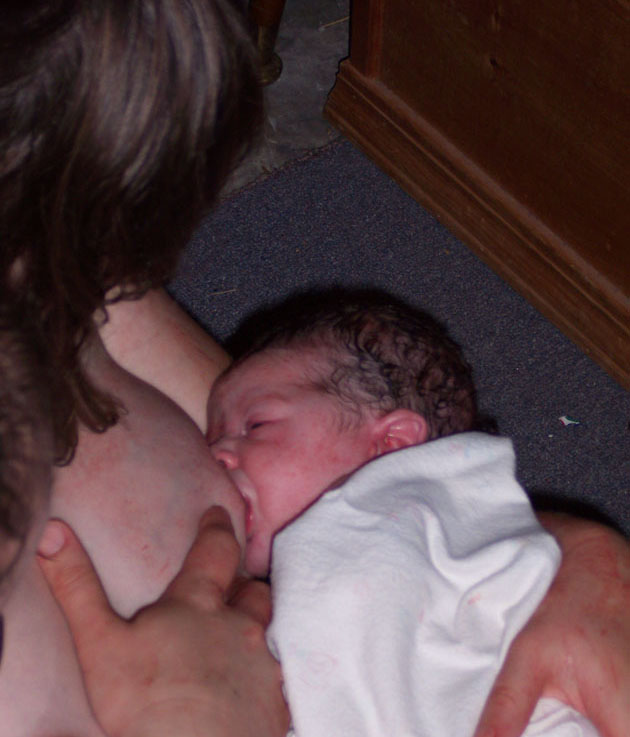
The sleep expectations I’ve had to adjust the fourth time around center on naps rather than nighttime. I’ve always had babies I could put down to nap (after they fell asleep). Not true anymore! So, I’ve adjusted to this extended period of “cave time” with my baby, where I retreat to the bed to nurse him for nap and then stay in there together, him right next to me, while I work on my computer. Just before I started this post, I took a picture of his sweet little naptime nursing self. I love having a baby!

19509_10155601113000442_6558383859878718297_nFinal off-topic note, remember that we’ve started a private Brigid’s Grove Facebook group for sneak peeks, special offers, class information and conversation + idea sharing. It is here that we’ll also offer rock bottom deals on sculpture seconds when we have them available. The last batch of ten mildly flawed goddesses were gone within a couple of hours!