Archives

Guest Post: How does your body know when to go into labor?

Mollyblessingway 011I recently received the following news story to repost. Many women have questions about when they will go into labor or concerns about pre-term labor. They may also worry about “never” going into labor on their own and may face pressure from care providers or family members towards induction. We often rely on signs like cervical changes, contractions, and increased cervical fluid (as well as proximity to due date) in order to help us anticipate the birthing day. I distinctly remember the interesting and counterintuitive experience of having the question of, “WHEN,” somehow feeling more and more mysterious and hard to predict the closer I drew to my own due dates (when really, the closer you get, the fewer birth-day possibilities remain! While it is very normal for babies to be born after their estimated due date, the possible window of when the baby will be born narrows with each day of pregnancy, simply because: babies do come out). Turns out, your baby’s birth-day timing has more to do with what is going on at a molecular level, than what you can observe from the outside!

(If this guest post is too heavy on molecules and too light on personal experience, you might want to check out one of my most popular blog posts: How do I know I’m really in labor? | Talk Birth.)

Key components of interest from the research below:

  • The molecule that triggers birth is the TLR4 molecule.
  • This molecule is activated by other molecules produced in the mothers tissues due to uterine stretch, by proteins that are released from a baby’s lungs just before birth, and by the placenta as it begins to reach the end of its life.
  • Factors that can contribute to a surge inTLR4 and lead to premature birth are:
    • Bacterial infections
    • Damage to the placenta
    • multiple pregnancy

Here is the guest post with more!

———————————————————————————————————————————-

RESEARCHERS at the University of Adelaide have identified that the activation of the TLR4 molecule is key in controlling the timing of birth, acting as a trigger common to both preterm and on-time labour.

Professor Sarah Robertson, Director of the Robinson Research Institute and lead author of the study published this week in Endocrinology, said the research was likely to lead to new therapies in preventing preterm labour.

“Preterm labour, birth at less than 37 weeks gestation, affects 5-13% of pregnancies worldwide. It accounts for 28% of all neonatal deaths and can result in major health consequences for surviving children,” says Professor Robertson.

“In order to prevent preterm birth, we need to understand the physiological responses which lead to normal on-time birth, and our new research pinpoints a ‘master switch’ that influences the timing of birth.

“We know that several agents can bind and trigger the molecule TLR4 after release from fetal and maternal tissues in late gestation, including proteins that are released from a baby’s lungs just before birth.

“Other molecules that activate TLR4 are produced in the mother’s tissues due to uterine stretch, or when the placenta begins to reach the end of its life.”

Professor Robertson says that there are other factors that lead to a surge in TLR4 and premature birth, including local bacteria infections, damage to the placenta due to inflammation, or even multiple pregnancy.

“This is a surprising finding because TLR4 is generally thought to be involved in the immune response to infection, and had not previously been linked with normal processes in pregnancy,” says Professor Robertson.

“Now that we know how critical TLR4 is in regulating the timing of birth, we can commence testing drugs that target the TLR4 pathway.

“While this is yet to be looked at in a clinical setting, we believe this finding will ultimately lead to methods to effectively protect women at risk of going into labour early,” she says.

This work was supported by project and fellowship grants from the National Health and Medical Research Council of Australia, the Canadian Institutes of Health Research and the Australian Research Council.

Key contacts

Professor Sarah Robertson Director, Robinson Research Institute University of Adelaide
08 8313 4094 sarah.robertson@adelaide.edu.au

June 2015 012

Tuesday Tidbits: Does Giving Birth Have to Be Terrible?

July 2015 116“To nurture life is to . . . embody the intelligent Love that is the ground of all being.”

— Carol Christ

Does giving birth have to be a terrible experience involving screaming, swearing, and pooping on the sterile “delivery” table? Anyone who has followed my blog for a while, already knows what my answer to this question is (no!), but here are some additional resources that caught my eye this week. First, erase the idea of maternal-fetal conflict, reinforced insidiously all across the internet and the media, and keep your expectations high:

Birth doesn’t have to suck. Keep your expectations high and do the work to have those expectations met. Don’t let anybody convince you that you need to step aside for your baby. You need to step up for your baby.

via Dear Friend, Birth Doesn’t Have to Suck | ImprovingBirth.

Next, choose your care provider very carefully. Remember, this baby only gets to be born once! Don’t wait for “next time,” to find a respectful provider and the birth setting your heart desires.

But, I have a doula, surely she’ll protect me from my less-than-ideal doctor!

No, again. Protection from other care providers is not a doula’s job. This is a multilayered issue, but here is a good post with some reasons why:

“My own doula and I have had more than one conversation about why she didn’t warn me about my own provider—someone who I now know has a reputation for not following through on promises to patients. “But I asked you!” I’ve said to her. “Why didn’t you tell me?” She has explained patiently, each time, that she gave me the information I needed to make my own decision. What I wanted from her—to say, “Oh, Cristen, you need to switch providers right now!”—is not something she would ever say to a client. Instead, she gave me specific questions to ask. She encouraged me to talk to my provider about my wishes and pay attention to the conversation, to trust my instincts, and to be honest with myself about whether or not I thought my provider was really going to follow through with what she’d promised.”

via Birth Monopoly | Three Things Your Doula Can’t Tell You.

I know you want your doula or childbirth educator to be able to tell you these things straightforwardly. I wish they could. I’ve had birth class clients ask me the, “why didn’t you tell me” question too and it is a very fine balance for birth professionals. I often longed for the freedom to take the Dr. Pig-Face approach, described by Nancy Wainer Cohen in her class birth activism book from the 1980’s, Open Season:

“If childbirth classes really ‘worked,’ more women would be having babies without interference. More women would be recognizing the complete naturalness of birth and would remain at home, delivering their infants with feelings of confidence and trust. More and more, midwives would be demanded. The names of those hospitals and doctors who treated women and babies with anything less than absolute respect would be public knowledge, and childbirth classes would be the first place these names would be discussed. ‘You’re seeing What’s-His-Face? He’s a pig! In my opinion, of course,’ I tell people who come to my classes. I then proceed to give them the names of people who have used Pig-face. They can always ask Dr. P. for the names of people who have used him and been satisfied with their births, for balance.”

–Nancy Wainer Cohen, Open Season

via Honesty in Birth Preparation | Talk Birth.

In addition to high expectations and careful assembly of the birth team, you may also want to keep secret the Mollyblessingway 027sensations of early labor. I followed this advice with all of my babies and have no regrets.

When you begin to have sensations, do your best to ignore them as long as you possibly can. You may want to consider keeping these feelings to yourself and having a “secret sensation time” with your unborn baby. Get in as dark a space as you can. Minimize what is happening with your husband, family and the birth attendants. You have control over your body and a say in your hormone activity. Help your pituitary gland secrete oxytocin to open your cervix by staying relax in a dark, quiet room with your eyes closed.”

via Words of Wisdom: Keep the “Sensations” of Early Labor a “Secret” | NüRoo.

Another way to prepare for a wonderful birth is through connecting with your body. One way to do this is through prenatal yoga. The movements and sensations of prenatal yoga sink into you and become a part of your body memory, guiding you through birthing:

“…Anyone involved with educating adult learners (in any context) is likely to be familiar with the concept that people are most likely to retain information that they have actually practiced (versus reading about, hearing about or seeing demonstrated). I have found that incorporating a few simple yoga poses into each class session is a beautiful way of illustrating and applying many important elements of childbirth preparation. In approximately 10 minutes of movement, important points can be underscored without having to actually say anything or “lecture” to clients. The hope is that as we move together through a carefully chosen series of poses, subtle emotional development and trust in birth occurs—again, in a more effective manner than by the childbirth educator saying during class: ‘Trust birth!'”

via Incorporating Prenatal Yoga into Childbirth Education Classes | Talk Birth.

Also, prepare yourself for a nurturing postpartum. Your baby will arrive primed for connection rather than separation. The more you are cared for by those around you during this vulnerable and magical time, the more embracing you can be of the delicate, fierce, and encompassing neediness of your dependent newborn:

“The cutting of the umbilical cord tends to herald the arrival of a new and unique life. Though this tiny being began its existence many months before, growing nestled and protected within the womb, the just-born infant is seen as an individual apart from his or her mother. There is, however, a significant error in this thinking, for baby and mother are one, so to speak, and severing this unit denies an empirical truth. Birth should not be a celebration of separation, but rather a reuniting of mother and baby, who joins her for an external connection.”

–Barbara Latterner, in the book New Lives

via Inseparable | Talk Birth.

I’ve spent a lot of time exclaiming: I JUST want to transform the birth culture in the U.S.! Now, you have a chance  to share your opinions and experiences in this new survey: Transforming Birth Culture in the United States Survey.

molly37weeks 071Other tidbits this week:

  • Lann has a new YouTube channel for his Minecraft and other gaming videos. You can check out Zall Craft here.
  • I finally took the leap and signed up for Leonie Dawson’s Shining Year Academy. I’ve been buying her annual workbooks for four years, but it is time to grow! We’ve been working through the Double Your Biz Intensive and it has already been worth the price! (*links are affiliate links)
  • I updated the links/print layout for my three e-booklets. These were all written prior to my birth work. Hope you might find them helpful! Free e-Booklets | Talk Birth

Tuesday Tidbits: Birth Privacy

IMG_5598 I’ve been trying to post about this article for a couple of weeks now! It is an interesting look at the biological need for privacy at the end of pregnancy and during birth.

…This ‘time’ at the end of pregnancy was described in a lovely article (The Last Days of Pregnancy: A Place of In-Between- The Mothering website) as Zwischen, a German word for between. At the end of pregnancy the mothering hormones start to cause emotions to run high as the cervix starts to soften, efface and women generally crave the quiet and private places they need to emotionally and mentally travel inwards.

In many traditional cultures around the world, women are known to actively leave their tribes for birthing huts (Inuit Tribe a group of indigenous people residing in the Arctic regions, Kwaio a tribe who live in an Island off the Pacific and many more). The Eipos people in Papa New Guinea are documented (Schnietenhovel) to go into the Wilderness of the Bush shortly before the onset of labour. The tribes above are also protected by various women they already have a relationship with throughout their pregnancy and birth journeys. Midwives and female relatives provide the support to enable confidence in the birthing process and some of the women will go off and give birth alone.

via The biological need for privacy at the end of pregnancy | Calm Yorkshire Birth.

She also writes about how the pervasiveness of social media might impact this need for privacy:

…Don’t be fooled by the facelessness of facebook and other social media. Just because you cannot be physically seen, it doesn’t mean you have privacy. I often hear so much unnecessary stress from women who feel observed on groups within the social media communities. Smart phones leave us open to be contacted by anyone day or night at a time when we just don’t want to be in touch with anyone at all. I wonder what effect social media has on the orchestration of birthing hormones that play such a vital part in undisturbed childbirth.

via The biological need for privacy at the end of pregnancy | Calm Yorkshire Birth.

I felt a strong call to retreat and pull in during all of my pregnancies, maybe because of my introverted personality and craving for solitude, but maybe because of biology too…

Pregnancy—towards the end of pregnancy I feel an inward call. I start wanting to quit things, to be alone, to “nest,” to create art, to journal, and to sink into myself. Nothing sounds better to me in late pregnancy than sitting in the sunlight with my hands on my belly, breathing, and being alone with my baby and my thoughts.

via Introverted Mama | Talk Birth.

For me, this preference for solitude is reflected in my preferred birth environment which involves no talking/noise and as few other people present as possible.

This is not how all women feel, my own mother has expressed that she enjoyed and wanted quite a few people around her while she was giving birth—the help, support, companionship, and affirmation from other women was important to her births. The women giving birth on The Farm, of Ina May Gaskin’s Spiritual Midwifery fame, also seemed to be very social birthers. I remember looking at the pictures in the book and feel a little horrified by the huge gatherings of people present for births! Speaking of The Farm, I enjoyed reading this interview about the birth culture created by the midwives there:

“This is how I had my own babies,” she said. “I knew that if I could do it, pretty much anyone who was healthy and well could do it. So I wanted to help women. Of course, I never thought I’d be in the type of job where I was working mostly with delivering babies, but in the process of helping women, I fell in love with women. Women are brave. We’re absolutely beautiful creatures.”

via “The Farm” in Tennessee is the country’s oldest intentional community. But the real story is how they deliver babies.

I was also reminded of this past post about Birth Witnesses. This remains one of my very favorite guest posts that I’ve hosted here and it gives me food for thought every time I re-read it:

The only way to understand birth is to experience it yourself. The ONLY way? That comment stayed with me, haunted me. I became a doula after my daughter’s birth because I wanted to be able to provide women with support and knowledge that could give them a different experience, a better memory than what I had. I just couldn’t believe that there wasn’t a way to understand birth at all except to experience it firsthand. Certainly there wasn’t always this fear and unknown around birth that we each face today. Not always. I began studying that idea. What about other cultures? What about our culture, historically? What about The Farm? There wasn’t always this myth and mystery about birth! I realized there was a time (and in places, there still is) when women banded together for births. Mothers, sisters, cousins, daughters, aunts, friends. They came together and comforted, guided, soothed, coached, and held the space for one another during birth. These women didn’t go in it alone – they were surrounded by women who had birthed before them. Women who knew what looked and felt right, and what didn’t. Women who could empathize with them and empower them. In addition to that, girls and women were raised in a culture of attending births. Daughters watched mothers, sisters and aunts labor their babies into this world. They saw, heard, and supported these women for the long hours of labor, so when they became mothers themselves, the experience was a new, but very familiar one for them. Birth wasn’t a secretive ritual practiced behind the cold, business-like doors of a hospital. It was a time for bonding, learning, sharing and sisterhood. Girls learned how women become mothers, and mothers helped their sisters bring forth life.

via Birth Witnesses | Talk Birth.

We can’t overemphasize the importance of who is present in the birth space and their influence on how a birth unfolds. Other people’s presence can have a powerful impact, whether positive or negative. One important area is with regard to freedom of choice and self-direction:

…Women can find themselves feeling bullied or coerced into agreeing to procedures they wish to avoid, such as induction or continuous fetal monitoring. They may be told if they don’t follow their doctor’s suggestion their baby’s life will be in danger. Consent is most often given, but it is not informed consent. Many parents in this vulnerable position either don’t know how to advocate for themselves or are under prepared to – practically, emotionally and psychologically.

via When Doctors Don’t Listen: Informed Consent and Birth | BellyBelly.

Choice-based narratives figure heavily into both “alternative” and “mainstream” dialogues about birth. I am emphatic that the companion to informed consent must be informed refusal. Very often, there is no option to refuse, and in this situation, there is no real choice involved at all…

…Women’s lives and their choices are deeply embedded in a complex, multifaceted, practically infinite web of social, political, cultural, socioeconomic, religious, historical, and environmental relationships.

And, I maintain that a choice is not a choice if it is made in a context of fear.

via The Illusion of Choice | Talk Birth.

On a related note, what about pain and birth? Do we accurately remember what birth feels like? I feel as if I do remember, though it is often said that you “forget” as soon as the baby is born. I find instead that it is more of the “halo effect” described here:

The ‘halo effect’ is the term given to describe the positive emotions experienced by the new mother when the baby is placed in her arms for the first time. In that moment, amidst a rush of oxytocin and happiness, the mother is likely to have a more positive view of the birth experience than she did ten minutes earlier. Simply put, the happiness of holding her baby for the first time overpowers any pain or negativity from the birth.

It makes sense that this effect could influence how the pain of birth was remembered. The pain of birth may be remembered as less severe simply because the benefits of having a healthy baby are felt to outweigh the discomfort caused by childbirth.

Women who experience traumatic births and who are unable to hold their babies immediately after the birth may miss out on this ‘halo effect’. Though they will still experience the rush of love and hormones upon holding their baby for the first time, the delay can reduce the impact this has on their overall feelings about and memory of labour and birth.

via Do Women Forget The Pain Of Giving Birth? | BellyBelly.

When you feel amazing about yourself and deeply in love with your baby, the memory of exact sensation fades to the background and the exhilaration and triumph and love moves to the forefront. However, there is also simply the physical component (kind of like when you have the flu, it dominates your mental landscape and you forget ever feeling healthy. Then, you get better and the flu-self becomes distant). I marvel at how women shift through these physical stages. When I am Pregnant Woman, it is totally real and becomes normal. After I give birth and become Nursing Mother again, that is what is vibrant and real and Pregnant Woman, and the thoroughly embodied experience of pregnancy, becomes fainter and more dreamlike. Interesting that I use the word dreamlike, because I also find that it is in dreams that the physical experience returns with crystal clarity. I sometimes dream about being pregnant or giving birth and in those dreams I am 100% confident that I have not forgotten at all what it feels like, my body holds a deeply invested physical memory and “imprint” of my babies and births, it is just hard to call it back as vividly while going about every day life tasks at the same time.

Anyway, once we’ve experience the power of birth, we may become evangelists for birth, at least for a time. I really enjoyed my memories of the enthusiasm and energy I felt as a new birthworker reflected in this post from ProDoula:

It’s magical. It’s moving. It’s more than you ever imagined it would be. And you love it!

You never want it to end. You want to feel the power of these women and you want to talk about birth, ALL DAY LONG! In fact, you never want to talk about anything else again!

At the end of the last day, you “friend” each of these women and you expect to stay in contact with them forever. You are sad that it’s over, but you are a new woman because it happened.

You are replenished. You are fulfilled. You are wiser and you are stronger.

And then, you go home…

via Don’t Puke Birth on the Ones You Love | ProDoula.

What I discovered with time though is that I feel the power of women and this replenishment and strength in other forms besides the birth world. I find it in my priestess work, in my women’s circle, and at the Red Tent too.

IMG_5632

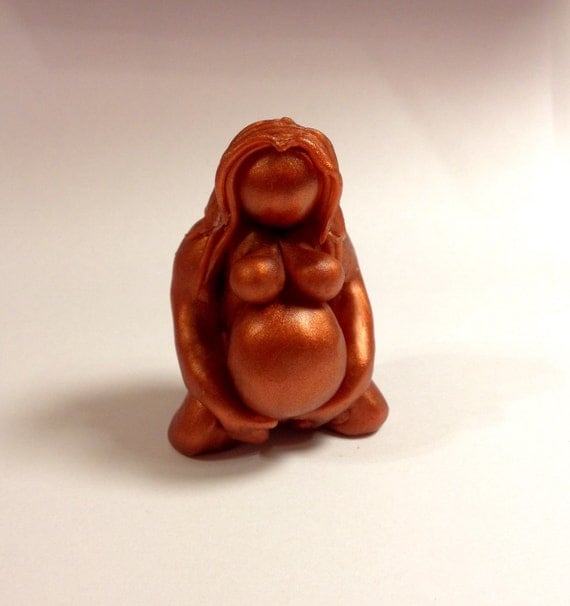
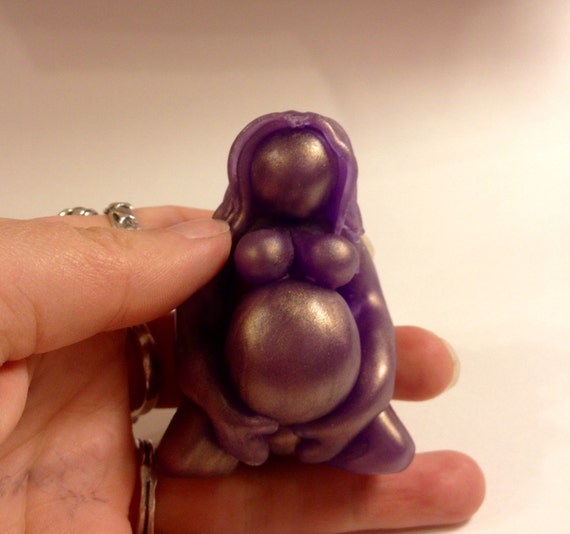
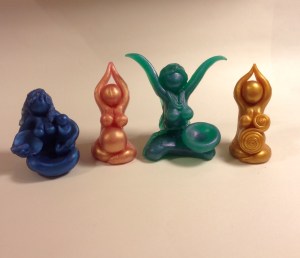
We had a run on twin mama goddess sculptures this week after a happy customer shared a picture of hers with her friends! 🙂


Talk Books: Maternity Leave

“Making babies is magical, mysterious, terrifying, gratifying, and all-encompassing.”

–Annie Schwartz-Jensen in Maternity Leave

I was in the mood for a good novel and as the mother of a six month old, Maternity Leave, by Julie Halpren maternityleaveshowed up in my mailbox at exactly the right time! This novel made me laugh out loud many times (covering my face with a blanket to avoid waking my own slumbering baby and husband). It is irreverent, clever, snarky, relatable, fast-paced, and extremely funny. Note: if you object to liberal profanity or require rosy depictions of motherhood only, Maternity Leave will not be the book for you!

“Sometimes I swear I can hear the grinding breaths of the pump even when I’m not pumping. I better get used to it. Me and Old Pumper are going to be spending a lot of time together in the coming months in a storage closet. I wish that were as sexy as it sounds.”

Maternity Leave is written in journal-style and follows new mother Annie through the six months of her maternity leave, from her CNM-attended natural birth (complete with wishing she was “shouting womanly affirmations” rather than “random strings of profanities”) to her search for good child care. In more understated tones, the novel also chronicles the growth of her attachment to her baby, Sam, from her initial fumbling, self-consciousness, anxiety, boredom, and fear that he doesn’t like her to a more easy comfort, smelling his fuzzy head as they walk the neighborhood together with him riding in a Moby Wrap.

“I think I must inhale Sam’s head at least sixty times per day. Why does it smell so good? Is it an evolutionary tactic so that a mom, no matter how harried and confused and depressed she is, finds some inking of comfort from snorting her baby’s skull?

Is it possible to form an addiction? Do they have support groups for baby head huffing?”

While I didn’t identify with her occasional bursts of anger at the baby, particularly because I’m presently desperately savoring the all-too-fleeting-babyhood of my fourth baby, her story brought back with vivid clarity the difficult adjustment I had as a first-time mother with a high-need baby boy. The mind games she plays with herself, the self-doubt, the self-criticism, and the misplaced maternal guilt felt extremely familiar. I would have taken a lot of comfort in reading this novel 11 years ago! I also got a kick out of her wryly realistic Facebook experiences, something that was not part of the maternal landscape when I was a first time mother, but is very familiar today.

We’re prepping the obligatory Facebook birth announcement, and I’d like a picture that doesn’t say, ‘I just shat on a table, and all I got was this slime-covered baby.’

I veto several shots before Zach suggests, ‘This one is nice.’

‘I have a gimpy eye and twelve chins,’ I note.

‘But Sam looks cute.’

‘This is not about Sam, Zach. Sam is going to look cute no matter what because he is a baby. And even if he doesn’t look cute, people will ‘like’ the picture anyway while reassuring themselves that their babies were way cuter. It doesn’t matter. What does matter is that dozens of ex-classmates and three or more ex-boyfriends will be seeing this, and I don’t want to look like a hideous, gelatinous troll.’

Maternity Leave can be pre-ordered on Amazon for its September release.

May 2015 146Also see my past post: Non-Advice Books for Mothers for other non-prescriptive reads for new moms.

Disclosure: I received a complementary copy of this book for review purposes.

Tuesday Tidbits: Birth Transformation

“Women are as nervous and unsure of themselves as ever, and they need to learn to trust their bodies. Birthing is much more that eliminating pain. It is one of life’s peak experiences.” –-Elisabeth Bing

via Thesis Tidbits: Exceptional Human Experiences | Talk Birth.

May 2015 146The mother of the Lamaze childbirth education movement in the U.S., Elisabeth Bing, died this week at age 100. She had a tremendous impact on the birth culture and was a very early activist in promoting the “radical” idea of birth as a transformative, powerful, important experience in a woman’s life.

…For years Ms. Bing led classes in hospitals and in a studio in her apartment building on the Upper West Side of Manhattan, where she kept a collection of pre-Columbian and later Native American fertility figurines.

Ms. Bing preferred the term “prepared childbirth” to “natural childbirth” because, she said, her goal was not to eschew drugs altogether but to empower women to make informed decisions. Her mantra was “Awake and alert,” and she saw such a birth as a transformative event in a woman’s life.

“It’s an experience that never leaves you,” she told The New York Times in 2000. “It needs absolute concentration; it takes up your whole being. And you learn to use your body correctly in a situation of stress.”

via Elisabeth Bing Dies at 100; ‘Mother of Lamaze’ Helped Change Childbirth – NYTimes.com.

Bing was also early to recognize that birth experiences can be traumatic for mothers. This week, I read another May 2015 164 interesting article about mothers’ experiences of birth trauma:

“…far too many women are left in the aftermath of a traumatic experience on the very day she is born as a mother. She is a new woman – amazing, strong and life-giving – ready to face the world. Holding her new baby in her arms and a smile (or not, depending on her acting skills) on the outside, with a broken heart, fractured spirit and shattered self-confidence on the inside. This is the result of traumatic birth…”

The Secret That Many Moms Are Keeping – Mothering.

Can part of the “cause” of traumatic births be the expectation that a “good birth” is a quiet and controlled birth? Nadia Raafat wrote a powerful article at the Huffington Post that touches on this possibility:

Contractions were outed, surges, came in, the un-gratifying word pain was ostracised from the semantics of childbirth and, across the nation, grateful midwives watched in awe as powerful, silent women breathed their way through drug-free labours.

That’s half the story. The other half concerns those who did not experience the blissful or natural birth outcome that hypnobirthing promised them; the many disappointed women whose labours were violent, or which deviated from the normal care pathway, women who found the experience not only painful, but shocking and traumatic – all the more so because they believed it might be painless. I have met many of these women – still processing their birth experience years later, still wondering what they did wrong? Their emotional and physical scars run deep and take many years to heal.

via Denying the Pain of Labour Is Like Denying the Pain of Life | Nadia Raafat.

Raafat goes on to advocate the full spectrum of the semantics of birth and birth experiences:

Childbirth is the most profound experience in a women’s life. It is awesome, challenging, brutal, visceral, joyful, transporting, awful, deeply physical, incredible, powerful, at times, calm and in-flow, at other times all-consuming and over-whelming. Our preparation and our semantics need to acknowledge the whole spectrum of the experience, not just the palatable colours.

via Denying the Pain of Labour Is Like Denying the Pain of Life | Nadia Raafat.

I have a long time interest in words and birth and how we “talk birth” in our culture:

…On the flip side, I’ve also read other writer’s critiques of an overly positive language of birth, labeling and mocking words like “primal” as “euphemisms” for hours of “excruciating” pain. But, that makes me think about the locus of control in the average birth room. It seems like it might more difficult to start an IV in a “triumphant” woman, so lets call her stubborn or even “insisting on being a martyr”? Could you tell someone making “primal” noises to be quiet? Probably not, but you can tell someone who is “screaming” to “stop scaring” others. Asserting that a painful and degrading language of labor and birth is “real” English and that the language of homebirth advocates are “euphemisms” is a way to deny women power and to keep the locus of control with medicine.

via Wordweaving | Talk Birth.

I’ve also thought a lot about the association between a quiet birth and good birth. “Quiet” during labor is often associated with “coping well” and noise is associated with not coping, which may not be the case:

…Occasionally, I hear people telling birth stories and emphasizing not making noise as an indicator, or “proof,” of how well they coped with birthing–“I didn’t make any noise at all,” or “she did really well, she only made noise towards the end…” Women also come to classes looking for ways to stay “in control” and to “relaxed.”

This has caused me to do some thinking. Though relaxation is very important and helpful, to me, the goal of “laboring well” is not necessarily “staying in control” or “staying relaxed” or “not making any noises.”

via What Does Coping Well Mean? | Talk Birth.

And, speaking of how we talk about experiences as well as pulling this post back around to Elisabeth Bing, I quoted some reflections on postpartum care from Bing in a past post:

“The degree of pleasure you take in your mothering is not the same thing as loving the baby or being an effective parent. Keep in mind there is a distinction between mother love and maternal satisfaction. You may love your baby very much but be dissatisfied with your life circumstances.”

via Talk Books: Laughter & Tears: The Emotional Life of New Mothers | Talk Birth.

May 2015 150

New Squatter’s Rights Sculpture

“Birth is not an event; it’s a series of sophisticated biological processes… Really, we’re talking about processes that should make us fall on our knees in awe.”

–Suzanne Arms

Squatter's Rights laboring mama birth goddess sculpture (birth art, unassisted birth), Birth Warrior.In our May newsletter from Brigid’s Grove, we introduced our new “Squatter’s Rights” sculpture of a mama catching her own baby. This sculpture has a lot of personal significance to me and I have found her image tremendously empowering for a long time. I have made a variety of different versions all expressing the same message: reach down and catch what’s yours.

…Would the new child coming from me be slippery like soap? I rubbed my fat belly. I loved each pound I gained, each craving I had, and every trip to the bathroom. Okay, maybe not every trip to the bathroom. But, I loved this growing baby. Tucked away like a pearl in the sea just waiting to be discovered. I was in a constant state of marvel.

Would I be able to physically do this? No, I don’t mean the labor, nor do I mean the birth. I knew I could do that. I got lost in thought as I planned in my head every moment that would come after my body did the work of labor. The moment would come once my body was ready and the crown of a child’s head pushed itself from me, the moment the child would emerge. That’s what I was planning for; I planned to catch my own baby…

via Guest Post: Squatter’s Rights | Talk Birth.

It is hard to express how much I love knowing about how these figures “speak” to the women who receive them. I started making them to express something within me and to speak to myself or remind me of my own power. I absolutely love knowing that they carry these messages to other women as well, not just me! An early customer of the Squatter’s Rights sculpture gave me permission to share her feedback on it:

I LOVE THIS!!!   I JUST got my lovely statue, she’s gorgeous, I am in awe of your work, and I caught myself choking up a bit at how I look at her and it pulls me back to that most empowering of moments, Me-birthing my little rainbow.. Completely uninhibited.. THANK YOU!…They will be in a sacred space, helping watch over me as I go through Midwifery school… Thank you, thank you!!

What a tremendous honor to be a small part of another woman’s journey in this way. It feels like a sacred trust.

Tuesday Tidbits: Babies, Mothers, and Vocations

IMG_4551

This week I read some powerful cesarean birth memories from my friend Bibi at The Conscious Doer:

Maybe there is something naive about me. I wanted to have that huge superwoman surge at the end. As the days go by, more and more of them make me feel super, but every battle has been hard fought. I was hoping to start out with a boost of confidence after hours of labour, but instead I had to pool all my strength after babyjama’s emergence, because the mother bear in me took some time to emerge herself. There is obviously a happy ending to this tale, but there were some sad parts too, and I’m giving myself permission to feel both the joy and the pain…”

Cesarean Awareness Month: Remembering Where I’ve Been | The Conscious Doer.

(Side note: our Cesarean Awareness Month discount code is still good through the end of April! CAM15 for 15% off any items at Brigid’s Grove.)

I was also touched by the delicate, sensitive, and yet simple genius of a post from Amy Wright Glenn about the spiritual and religious dimension of doula support:

Yet, throughout my work as a doula, I discovered that such an approach was rare. We know that a woman transforms emotionally and physically through the crucible of motherhood. For most women, motherhood also involves spiritual or religious transformation. To support this transformation, I believe it’s important to reflect upon the religious and spiritual dimensions of our work…

I imagine it is much easier to offer religious or spiritual support to birthing women and new mothers as a pluralist or inclusivist. Yet, I know doulas who have an exclusivist approach to truth, and they hold loving space for alternative expressions. This is what matters most. A doula need not participate in religious or spiritual practices that are inauthentic to her worldview. However, it’s essential that the doula is able to create a genuine sense of safety for a birthing woman to access her religious or spiritual strength…

The spiritual and religious dimensions of doula support | PhillyVoice.

Socioculturally speaking, we could benefit from this approach in all domains of our lives, not just birth!

Speaking of culture, I felt myself getting some tears in my eyes while reading this article about employees bringing their babies to work at Cotton Babies in St. Louis. Why tears? Because because it is so simple, obvious, and sensible and yet so rare…

Is it appropriate to have a baby in a work environment?

I wonder if we have to ask this question because our culture has defined “normal” to be something different than reality. Women have babies. Babies need their parents. Cultural norms in the Western world have traditionally confined mothers of young children to home-making. While that is what some women want to do, it isn’t what all of us want to do. As long as mom enjoys doing her job with her baby at her side and it is safe for her baby to be with her while she does her job, I believe that it is perfectly appropriate to have her baby present…

Clients, customers, vendors, employees, guests, and service providers may express discomfort with breastfeeding, question a woman’s commitment to her career, feel uncertain about how to respond to a baby in the workplace, or become annoyed with occasionally hearing a child. My favorite way to respond to those concerns has become, “She’s getting her job done. Her baby is content. Can you help me understand why that makes you uncomfortable?” Cultural expectations of a woman’s place being in the home with her young child don’t necessary reflect what all women want to do. While we support and encourage the moms who choose to stay home, we also love seeing those who stay with us also achieving their career goals…

via Our Employees Bring Babies to Work… and how we make it work | Jennifer Labit.

And, speaking of vocations, I enjoyed this post from Lucy Pearce as well:

My work chooses me. I act as a vessel for it. A crucible for it to come to be through me. I do not sit down and “choose” my work, or plan it. In truth I do not really “create” it. I need to be there, open and trusting and it comes. My job is to put it down. In words, images, colour…

There are a number of problems with this:

1) I do not know where this “work” comes from.

2) I feel very weird and odd talking about it this way. I would find it much easier to say “yes, it’s all mine” and be in control of its content and direction!

3) I am “called” to do “work” which I would not consciously choose.

4) By doing the work, I have to put myself “out there” when really I am much more in my comfort zone being private and small. I am not after ego trips or fame or fortune.

5) I feel my skills are lacking for what I am called to do.

via Are You Living Your Vocation? – Dreaming Aloud.

Here is a sneak peek of two things that have been coming through me recently:

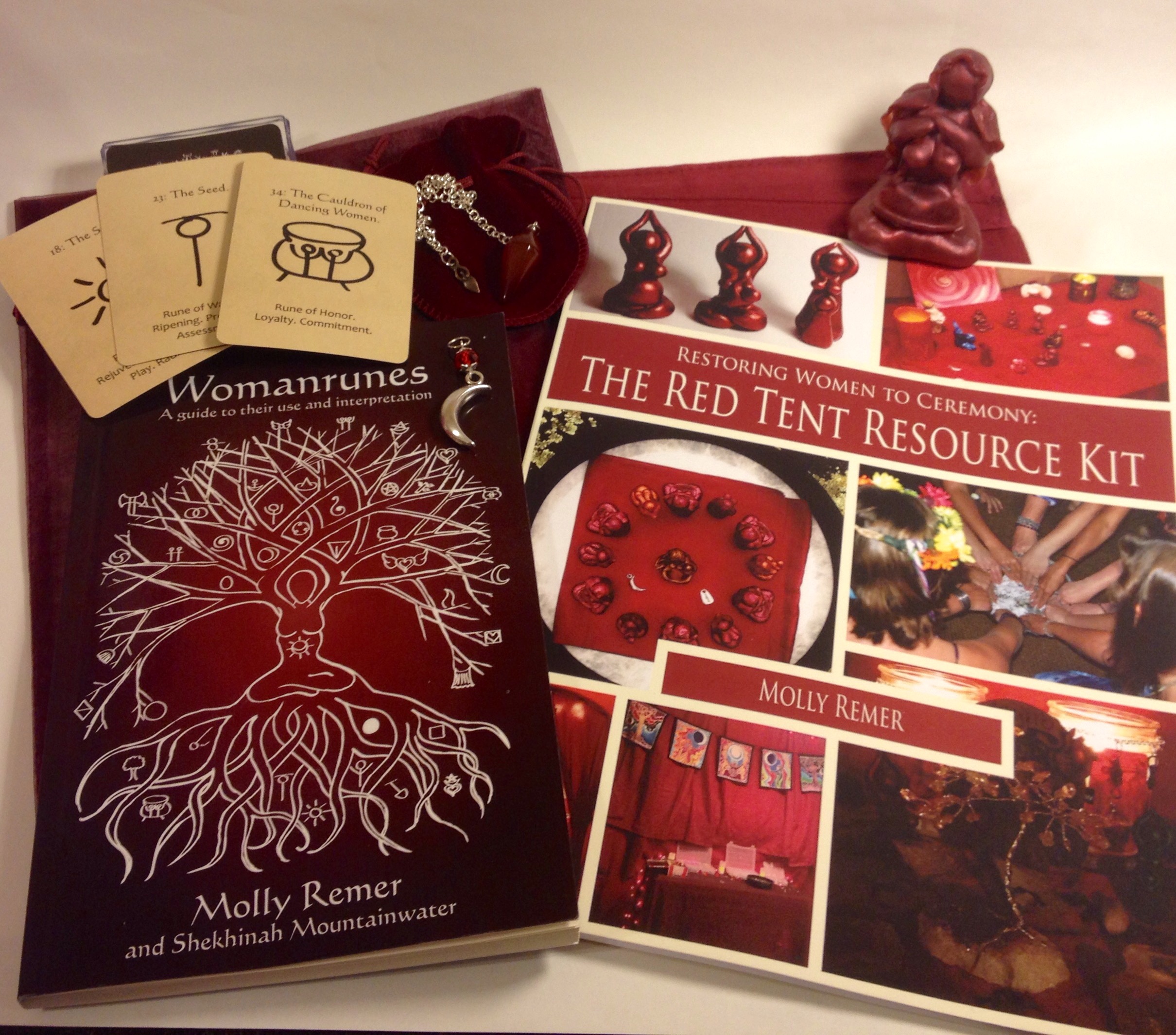
Red Tent kits/books/online class are almost ready to launch…

IMG_4518And, we’re having a fun giveaway of all of these lovelies in May since it is not only Mother’s Day, but also my birthday AND the twentieth anniversary of our first date! 🙂

IMG_4538And, one final tidbit to share for this week, I signed up for this free Red Thread Circle class that is coming up on my birthday: FREE Global Class & Experience.

Tuesday Tidbits: Birth Conditioning

IMG_3798
Thinking about the raw, emotional complexity and physical intensity of birth, I am reminded of a past post exploring the question of whether an epidural can really be considered an “informed choice” when it is considered in the context of enforced stillness during labor?

…In this case and in so many others around the nation every day, the physiologically normal and fully appropriate need for freedom of movement during labor ran smack into the hospital’s expectation of stillness. And, medication was a consequence of that stillness, not an inability to cope with normal labor–it was an inability to cope with enforced passivity that was directly counter to the natural urges of her birthing body. Where is the ‘opting’ here? When birthing women are literally backed into corners, no wonder epidural analgesia becomes the nationally popular ‘choice’…

Thoughts on epidurals, risk, and decision making | Talk Birth.

Considering movement during labor also brings us to the idea of sound during labor. What about the implied or explicit expectation of quiet during labor?

We decided that there is a major stigma around “quiet” birth. Why is “quiet” birth synonymous with a “good” birth? Why are we praised on our ability to stay “calm” in our birthing time??? This is crazy! Now let me quickly add: A quiet birth CAN be a beautiful birth, it can be the most beautiful kind, but so can the others.We talked to a mother who explained that in her birthing time she was very “calm and quiet” she also said she was suffering so deeply but everyone kept praising her abilities so she kept on going. How many women bite their tongue, how many women feel trauma and how many women were told they were “crazy, wild and loud”? And why are any of those words bad? We are having a baby, we are doing the most instinctual and primal work we will ever do as humans.

via Blog — TerraVie.

I addressed the interesting notion of a “quiet, calm” birth as synonymous with “coping well” in this past post:

“I believe with all my heart that women’s birth noises are often the seat of their power. It’s like a primal birth song, meeting the pain with sound, singing their babies forth. I’ve had my eardrums roared out on occasions, but I love it. Every time. Never let anyone tell you not to make noise in labor. Roar your babies out, Mamas. Roar.” –Louisa Wales

via What Does Coping Well Mean? | Talk Birth.

Our expectations in birth are shaped by the cultural conditioning, contexts, and environments around them whether we are conscious of them or not. In this past compilation of articles about the role of doulas, Michel Odent makes an interesting point:

…We must add that this cultural conditioning is now shared by the world of women and the world of men as well. While traditionally childbirth was ‘women’s business,’ men are now almost always present at births, a phase of history when most women cannot give birth to the baby and to the placenta without medical assistance. A whole generation of men is learning that a woman is not able to give birth. We have reached an extreme in terms of conditioning. The current dominant paradigm has its keywords: helping, guiding, controlling, managing…coaching, supporting…the focus is always on the role of persons other than two obligatory actors (i.e. mothers and baby). Inside this paradigm, we can include medical circles and natural childbirth movements as well…

–Michel Odent (exploring the role of doulas)

Tuesday Tidbits: The Role of Doulas… | Talk Birth.

And, here are some neat resources I’ve encountered this week…

I signed up to participate in this free telesummit on womb wisdom/nourishing the feminine: Womb Wisdom: Nourishing the Roots of the Feminine with Barbara Hanneloré — Womb Wisdom. (Thanks to Mothering Arts for the link!)

I’ve linked to these beautiful coloring books in past posts. I’m just entranced by them!

blissful birth 2


via Blissful Belly Coloring Journal: NOW until April 1st, Buy Both the Blissful Belly and Blissful Birth Coloring Books and Get 25% OFF. Coupon Code is 2blissful. Get it here

And, after participating in a free Spring Equinox event online that was hosted by the Sacred Sister Society (to which I won a year-long membership!), I’ve been enjoying different daily yoga practices using videos from Joy Fisheria from Everyday Chakras. The practice for your core strength is one of my favorites. 🙂

IMG_3783

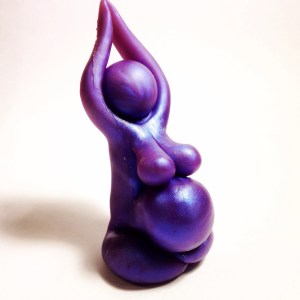
New taller, mama goddess sculptures for birth altars!

Weekly Tidbits: Birth, Postpartum, the Triumvirate, and Anthropology

IMG_3501My sister-in-law shared a link to a really potent article from The Guardian about birth, midwifery, postpartum, and supportive friends. When she shared, she brought tears to my eyes by thanking me for being part of her own “triumvirate,” described by the post author as…

I needed a maternal figure, a dedicated and present midwife, dear and loving friends. I was blessed with one out of three. It could have been worse.

The only people I know who did just fine in the postpartum period are those who score the triumvirate: well cared for in birth, surrounded by supportive peers, helpful elders to stay with them for a time. The others, wild-eyed at the supermarket, prone to tears, unable to nurse or sleep or breathe, a little too eager to make friends at baby groups – I can spot them at 20 paces. We form a vast and sorry club.

via My friend breastfed my baby | Life and style | The Guardian.

I’m lucky enough to have also scored the triumvirate (I find it takes pretty careful planning and active attention to put it into place!). When my midwife came to visit me postpartum and commented that I was looking good and I replied that people kept telling me that, she said that rather than just saying “thank you,” I should point out my looking good was directly related to having excellent postpartum care. And, she was right. I did not look, feel, or sound depleted, exhausted or overwhelmed precisely because I was being taken care of. I had great prenatal from my midwife along with six weeks of postpartum follow-up visits. I had a postpartum doula for immediately post-birth support and several follow-up visits as well as meal calendar coordination. I had my mom, who cooked for us and cared for our other children. I had my sister-in-law who came to stay for several days and helped with cooking and cleaning. I had friends who brought me dinners and took my kids to playgroup. I had my husband, who got to enjoy our new baby with me because he wasn’t trying to do all of the above!

When I think of my triumvirate, a specific moment comes to mind. I am sitting in the bathroom holding my brand new baby, still attached to me by his cord. We are waiting for the placenta to come. My midwife is close by, peeking over, but not being hands-on or aggressive. My mom leans over to take pictures. My doula is standing in our bathtub to make room. My husband is kneeling near me and my other children are gathered around to cut the cord. In the driveway outside, my friend waits with her three children to take my kids to playgroup. This is what birth support looks like. I am surrounded with love and care.

The author of the article quoted above did not have the same experience…

Two weeks later, I gave birth at home, after a 13-hour posterior, or back-to-back, labour, which the long-practising, well-respected midwife did not bother to attend. Frankly, it felt like staring death in the face, by which I mean an altogether normal and intense physiological process that has nothing to do with the ordinariness of daily life. Throughout, my husband and doula repeatedly called and texted the midwife, whom we had found privately. She told us it was “probably” early labour. From inside the grip of what turned out to be very active labour, I managed to flat-out demand that she join us, speaking at the phone while the doula held it to my ear. The midwife sounded annoyed, vaguely put-upon. It was another three hours before she arrived. Minutes later, with a great and unbridled roar, I delivered my son into bathwater.

We wept with joy, held him, kissed him, named him. Eventually, I got out of the bath. My husband lay in bed with our new son on his chest. I showered in a state of trembling, happy shock. The midwife perched on the sink and told me a story about her estranged sister. She handed me a towel, and I remember commiserating, trying to comfort her about her unfortunate relationship with her family, as though we were two cool girls hanging out in the bathroom at a party. One of us just happened to be naked and bleeding, immediately postpartum. I didn’t care; I was too ecstatic. Having just given birth, I felt omnipotent. Epic. Heroic. Unstoppable.

via My friend breastfed my baby | Life and style | The Guardian.

I wrote about the value of breastfeeding support here:

But, what happens after the birth? I’ve often thought that my role in breastfeeding support, while less “glamorous” or exciting than birth work, has had more lasting value to the women I serve. Breastfeeding is the day in, day out, nitty-gritty reality of daily mothering, rather than a single event and it matters (so does birth, of course, it matters a lot, but birth is a rite of passage, liminal event and breastfeeding is a process and a relationship that goes on and on for every. single. day. for sometimes years). Anyway, sorry for the brief side note, but I enjoyed reading this article about the celebrity culture surrounding pregnancy and birth with its obsession with who has a “bump” and then how after the birth the main deal is losing that weight and having a fabulous bod again! Woot!

via Tuesday Tidbits: Birth Thoughts | Talk Birth.

IMG_3686

I shared this pic on Instgram this week in honor of the theme of “self-care” in the online Equinox 15 event I’ve been taking part in.

I’ve only recently recognized that while I was surrounded by excellent support for birth and postpartum, I’m not really giving myself much credit lately for still having just had a baby. Yes, Tanner is almost 5 months old, but that moment in the bathroom was only five months ago. I still need quite a bit of help and that normal and okay. I need to recognize what I’m capable of, which is a lot, while also still recognizing what I need and what the pace of my life can be and can handle at this point in time. I also recognized that I have difficult admitting or expressing how difficult it feels sometimes to be incorporating a new baby into the family, to be working around “baby time” again, and to be physically bound to a baby again. It is hard to admit, because Tanner is such a treasure of a baby and I enjoy him so much and love having his adorable, babiest of babies self in our lives. However, it also sometimes feels hard to be doing this all again and I often feel “old” and kind of worn out and ragged lately.

This brings me to a lovely article about vulnerability as strength (something my doula reminded me of several times following Tanner’s birth):

…Today I stood swaying my daughter to sleep in my mommas group shedding tears because of the intense sleep deprivation over the last 6 weeks. My tears fell and I was held with empathy, no one solved my problems; women just heard me and held me in my challenge. We heard each other, others cried, we softened, we opened ourselves up to the wisdom that each expressed and afterwards our hearts felt happier and lighter. Something sacred unfolded. I was in a container that was safe to share my soul, to be naked in front of these women, to admit I was not perfect and I didn’t have all the answers. And I felt better. I was not alone.

The more I allow myself to be vulnerable, the more I receive, the more I soften, and the more I open myself up to support. We are not meant to mother alone. The first year of our child’s life is a raw experience. It is amazing; it is illuminating, joyful, and raw.

via Vulnerability as a Strength | Mothering Arts.

This container is so important. Though, I will also acknowledge that for my personality, being told to “take it easy” or to “lower your standards” or “don’t have such high expectations of yourself,” often registers for me as being told: You’re not capable. I don’t believe in you. Give up. So, I personally, when trying to create a container of safety or support for other women I will not usually use those sorts of phrases.

Related to the idea of postpartum tenderness and triumph, I enjoyed this photo series of newborns and mothers: Born yesterday: mothers and their newborn babies – in pictures | Life and style | The Guardian.

Bringing the discussion around to anthropology and birth though, this interesting recent article suggests that it is the mother’s metabolism (and energetic reserves) that creates the human gestation length rather than the size of the pelvis as often commonly theorizes:

We’ve been doing anthropology with this warped view of the male pelvis as the ideal form, while the female pelvis is seen as less than ideal because of childbirth,” she said. “The female births the babies. So if there’s an ideal, it’s female and it’s no more compromised than anything else out there. Selection maintains its adequacy for locomotion and for childbirth.

via Long-held theory on human gestation refuted: Mother’s metabolism, not birth canal size, limits gestation — ScienceDaily.

In a past article about the wise women behind and around us, I included this interesting quote from Tsippy Monat:

“Anthropology describes trance as a condition is which the senses are heightened and everyday things take on a different meaning. Communicative competence with other people may increase or may not exist. Facts of time and place are revealed differently than in normal everyday consciousness. This description reminded me of situations encountered at birth because birth is a condition in which the mind is altered. When I accompany births, I experience the flooding of oxytocin and endorphins. In Hebrew, the root of the word birth can also mean ‘next to God’” (p. 49).

via Thesis Tidbits: The Wise Women Behind, Within, and Around Us | Talk Birth.

And, speaking of historical experiences of birth support, I re-visited this guest post about birth witnesses:

The only way to understand birth is to experience it yourself. The ONLY way? That comment stayed with me, haunted me. I became a doula after my daughter’s birth because I wanted to be able to provide women with support and knowledge that could give them a different experience, a better memory than what I had. I just couldn’t believe that there wasn’t a way to understand birth at all except to experience it firsthand. Certainly there wasn’t always this fear and unknown around birth that we each face today. Not always. I began studying that idea. What about other cultures? What about our culture, historically? What about The Farm? There wasn’t always this myth and mystery about birth! I realized there was a time (and in places, there still is) when women banded together for births. Mothers, sisters, cousins, daughters, aunts, friends. They came together and comforted, guided, soothed, coached, and held the space for one another during birth. These women didn’t go in it alone – they were surrounded by women who had birthed before them. Women who knew what looked and felt right, and what didn’t. Women who could empathize with them and empower them. In addition to that, girls and women were raised in a culture of attending births. Daughters watched mothers, sisters and aunts labor their babies into this world. They saw, heard, and supported these women for the long hours of labor, so when they became mothers themselves, the experience was a new, but very familiar one for them. Birth wasn’t a secretive ritual practiced behind the cold, business-like doors of a hospital. It was a time for bonding, learning, sharing and sisterhood. Girls learned how women become mothers, and mothers helped their sisters bring forth life. It was a sacred and special part of the birthing process that has become lost in our institutionalized, over-medicalized, isolating and impersonalized system today.

via Birth Witnesses | Talk Birth.

And, another regarding women’s rites of passage:

“I love and respect birth. The body is a temple, it creates its own rites, its own prayers…all we must do is listen. With the labor and birth of my daughter I went so deep down, so far into the underworld that I had to crawl my way out. I did this only by surrendering. I did this by trusting the goddess in my bones. She moved through me and has left her power in me.” ~Lea B., Fairfax, CA (via Mama Birth)

via Rites of Passage… Celebrating Real Women’s Wisdom | Talk Birth.

In just a few hours, I’m headed into town for our first local Red Tent Circle. I took this photo yesterday in honor of the spring equinox and the themes of manifestation, intention, and creativity. May we walk in harmony with each other and may we be surrounded by circles of support.

Happy Spring!

IMG_3702


Tuesday Tidbits: Placentas, Of Course

“…Lately under the lunar tide
Of a woman’s ocean, I work
My own sea-change:
Turning grains of sand to human eyes.
I daydream after breakfast
While the spirit of egg and toast
Knits together a length of bone
As fine as a wheatstalk.
Later, as I postpone weeding the garden
I will make two hands
That may tend a hundred gardens…”

–Barbara Kingsolver

via Two Birth Poems | Talk Birth.

February 2015 096This week I enjoyed this interesting article about the placenta:

The picture draws attention to an organ that, while ephemeral, once sustained us all. “The placenta really is a marvel of design,” says Barker. “It is the only organ designed to be disposed of after it performs its function.”

via Picture of the Week: Human Placenta.

I keep hoping to write a post about Tanner’s placenta and its velamentous cord insertion, but keep running out of time to develop it. Someday! I did write about the placentas in general and how to honor them in this past post:

…I think the reason the placenta might not get as much acknowledgement and appreciation as it deserves is because it then pales in comparison to the miracle of a whole new person suddenly showing up on the earth as well. Forget growing a new organ, I just gave birth to a new person!!!! And so, the placenta may be cast aside with hardly a glance or even much thought to its powerful role in pregnancy and the sustaining gift of life it offers.

via Placenta Magic | Talk Birth.

Not related to placentas, I was also extremely interested by this article about medicating women’s feelings:

…Women’s emotionality is a sign of health, not disease; it is a source of power. But we are under constant pressure to restrain our emotional lives. We have been taught to apologize for our tears, to suppress our anger and to fear being called hysterical.

via Medicating Women’s Feelings – NYTimes.com.

In my classes, I tell my students that it we must be aware of whether we are putting people into untenable situations and then expecting them to cope “normally.” When their coping with a completely abnormal, unbearable situation isn’t “normal behavior” then it is pathologized (and may be medicated). The thing that really needs to change on many occasions is the environment surrounding the stressed person, not the fact that person personally is experiencing stress.

It makes me think of my own past article about the “Of Course” response:

You feel healthy and beautiful, but now your doctor tells you that you’ve “failed” the GTT and are now “high risk,” of course, you feel stressed out and…like a high risk “patient.” You tried really hard to labor without medications, but you were “strapped down” with IV’s and continuous monitoring, of course, you felt like a trapped animal and like you had no other choices but medications. Of course, you feel upset and discouraged that your baby is ‘rejecting’ you and your breast after having been supplemented with bottles in the nursery. Of course, you are crying all the time and wondering if you are really cut out to be a mother, when your husband had to return to work after two days off and you are expected to be back at your job in five more weeks. And, so on and so forth.

“The ‘Of Course’ response affirms that those who feel crazy, powerless, alone, confused, or frustrated within unhealthy systems such as patriarchy are experiencing just what one would expect of them.”

via The Of COURSE response… | Talk Birth.

An example of what I mean can be found in the same article about medicating women:

But at what cost? I had a patient who called me from her office in tears, saying she needed to increase her antidepressant dosage because she couldn’t be seen crying at work. After dissecting why she was upset — her boss had betrayed and humiliated her in front of her staff — we decided that what was needed was calm confrontation, not more medication.

via Medicating Women’s Feelings – NYTimes.com.

Maybe it is okay to be upset when things are upsetting. What a revolutionary concept! 😉

Talk Birth passed the 800,000 hit mark earlier in the week. I plan to have a special giveaway to celebrate this milestone soon, but I have to finish up my end of session paper and exam grading work first.

Despite all the grading, I did manage to get some of our new line of mindfulness bracelets up on etsy this week though and I just love them!

il_570xN.735395987_tpzp