Archives

Tuesday Tidbits: Domestic Violence

Tonight in my Introduction to Human Services class we cover Violence, Victim Advocacy, and Corrections. In a stroke of coincidence, I saw some great materials on Facebook this morning that I quickly added to tonight’s lecture:

The first is this infographic series from the World Health Organization. I first saw it here, but it really comes from here.

WHO_NMH_VIP_PVL_13.1_eng-page-001The second was this powerful public service message from Women’s Aid in the UK (trigger warning for violence):

During this same lesson, I also show my favorite mock poster about fool-proof ways to prevent sexual assault:

preventiontipsIs this at all related to birth? Yes, totally. In fact, I used this same poster in a past post that I really liked, if I do say so myself:

I truly think this is a chronic social issue—motherblame. We MUST look at the larger system when we ask our questions. The fact that we even have to teach birth classes and to help women learn how to navigate the hospital system and to assert their rights to evidence-based care, indicates serious issues that go way beyond the individual. When we say things about women making informed choices or make statements like, “well, it’s her birth” or “it’s not my birth, it’s not my birth,” or wonder why she went to “that doctor” or “that hospital,” we are becoming blind to the sociocultural context in which those birth “choices” are embedded. When we teach women to ask their doctors about maintaining freedom of movement in labor or when we tell them to stay home as long as possible, we are, in a very real sense, endorsing, or at least acquiescing to these conditions in the first place. This isn’t changing the world for women, it is only softening the impact of a broken and oftentimes abusive system.

via Asking the right questions….

And, unfortunately, domestic violence often begins during pregnancy:

Violence during pregnancy is an unfortunately common experience. Between four and eight percent of women experience domestic (intimate partner) violence during their pregnancies. The incidence of violence increases for women with unplanned or unwanted pregnancies with 26% of pregnant teens experiencing intimate partner violence and 15% of all women whose pregnancies are unwanted being in an abusive relationship. Indeed, murder is the second only to car accidents as the most common cause of injury related death for pregnant women.[1] Sadly, these statistics are likely higher in reality due to underreporting or misclassification.

via Domestic Violence During Pregnancy.

Our maternity care system unfortunately may also BE the perpetrator of violence against women:

While the situation is different from domestic violence in some ways, it is also similar. Abuse in the medical setting is also about power and control, the pregnant or laboring woman is often blamed for her situation, and verbal and emotional abuse can be similar. Because we are taught to “trust your doctor”, and in fact there is an explicit assumption of trust in the “fiduciary relationship” between the woman and her doctor who is an “expert”, most of us do not think about the possibility of abuse, and many of us stay with the OB or feel we have no choice about our health care providers or settings, especially when we are in labor. Also, the doctors and staff generally are not even aware that their behavior or actions are abusive.

via Guest Post: Abuse of pregnant women in the medical setting.

And finally, “normative” institutional abuse may be a part of many women’s birth experiences:

“‘Old wives’ tales,’ says the Oxford dictionary, are ‘trivial stories, such as are told by garrulous old women.’ It is significant that no one ever talks about ‘old husbands’ tales’ or ‘old doctors’ tales.’ Women are blamed instead. It is implied that there is poison in their speech and that the only safe thing to do is remain silent. The experiences that women share with other women are thus rejected and trivialized…In reality, it is not other women who instill and fuel anxiety in most pregnant women, but the medical system itself.” This quote from the 1980’s book, Giving Birth, by Sheila Kitzinger, remains strikingly relevant today. When women in the United States today enter the hospital to give birth, many experience some form of institutional violence. They may not explicitly define it as violence, but listening to their stories provides a disheartening picture of maternity care today.

via Birth Violence | Talk Birth.

Film Reaction: Birth Story

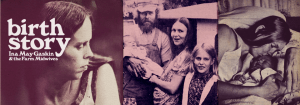
bs_header_f1I have never met anyone with more than a passing interest in birth activism who has not heard of Ina May Gaskin. She isn’t referred to as a the world’s most legendary midwife for nothing! But, how did she get this way? The new documentary film, Birth Story, helps explore that question.

inamayteaches

Prenatal visit

“The feature-length documentary BIRTH STORY: INA MAY GASKIN & THE FARM MIDWIVES tells the story of counterculture heroine Ina May Gaskin and her spirited friends, who began delivering each other’s babies in 1970, on a caravan of hippie school buses, headed to a patch of rural Tennessee land. With Ina May as their leader, the women taught themselves midwifery from the ground up, and, with their families, founded an entirely communal, agricultural society called The Farm. They grew their own food, built their own houses, published their own books, and, as word of their social experiment spread, created a model of care for women and babies that changed a generation’s approach to childbirth.

Forty years ago Ina May led the charge away from isolated hospital birthing rooms, where husbands were not allowed and mandatory forceps deliveries were the norm. Today, as nearly one third of all US babies are born via C-section, she fights to preserve her community’s hard-won knowledge. With incredible access to the midwives’ archival video collection, the film not only captures the unique sisterhood at The Farm Clinic–from its heyday into the present–but shows childbirth the way most people have never seen it–unadorned, unabashed, and awe-inspiring.”

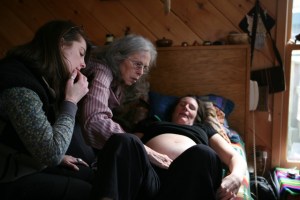
I really enjoyed Birth Story. It skillfully weaves together vintage footage, commentary, and births with a present day shadowing of Ina May in her natural environment: at the Farm. The documentary shows her working in her kitchen, eating, talking to her husband, watering plants, riding her bicycle, teaching workshops, training midwives, going to prenatal visits, and finally, attending a very hands-off gentle waterbirth. It also lets us peek at images from the early days of The Farm community, the caravan of buses, the dreams of Stephen Gaskin and the “hippies” who followed him to Tennessee. Birth Story is not just a film about Ina May though, it chronicles the experiences of several other Farm midwives as well, and I loved hearing the commentary and opinions of the less-famous midwives who helped transform the birth world. inamaystephen

I found footage of Ina May with Stephen to be particularly poignant and very much enjoyed the vintage photos and footage. I also find it interesting how The Farm began because of Stephen’s leadership and ideas and yet Ina May took off as the ongoing famous person in the family. Of Stephen, Ina May explains: “He thought women we supposed to be uppity—this was great relief, I didn’t like being held down.”

Ina May describes her own first birth explaining that in typical birth climates, “there’s nothing about the special energy of birth and that’s kind of the most important thing…I felt like I was doing something sacred.” She also makes the basic and crucial point that the number one rule of maternity care should be Be Nice and laughs as she asks us to consider how just those two words could change maternity wards. There are only a handful of actual births in the film, three of which are from sometime in the 1980’s. We see a breech birth (a lot more hands-on than I think of present-day midwifery practice) and a shoulder dystocia, both rare occurrences in birth films. We also see brief footage of Ina May’s Safe Motherhood quilt project and a brief discussion of disparities in maternal mortality rates.

Another highlight of the film for me was midwife Pamela, whose birth we also see on-screen. She is shown telling us about an early birth she attended saying, “I fell in love with women. How can you see someone be so strong and not fall in love?” Exactly. My doula and friend, Summer, who watched the film with me, developed her reaction to this quote in a lovely blog post and it reminds me of my own past post about my own former midwife who helped me see that midwife means loves women. Ina May explains that she learned how to be a midwife by allowing herself to be instructed by the women themselves and then she trained other midwives. As I watched Birth Story I found myself feeling a little sad, nostalgic, and inamayandbabybittersweet, because I feel like the world that these beautiful midwives envisioned has yet to really be birthed and that in some ways we’ve gotten so far away from the relationship-oriented and community living/engagement model upon which The Farm was based.

My initial feeling as I watched the film was that it would be primarily of interest to people already very familiar with Ina May, thinking that it  may not appeal to or interest “regular” people. However, the friends I viewed the film with had totally different perspectives. One friend told me she thought her husband would really have liked the documentary, particularly for the emphasis on community. The one husband who was present reported that he thought everyone should see the film and not just people who are already “birth junkies.” So, I stand corrected, and will now say that Birth Story has the capacity to engage with many people!

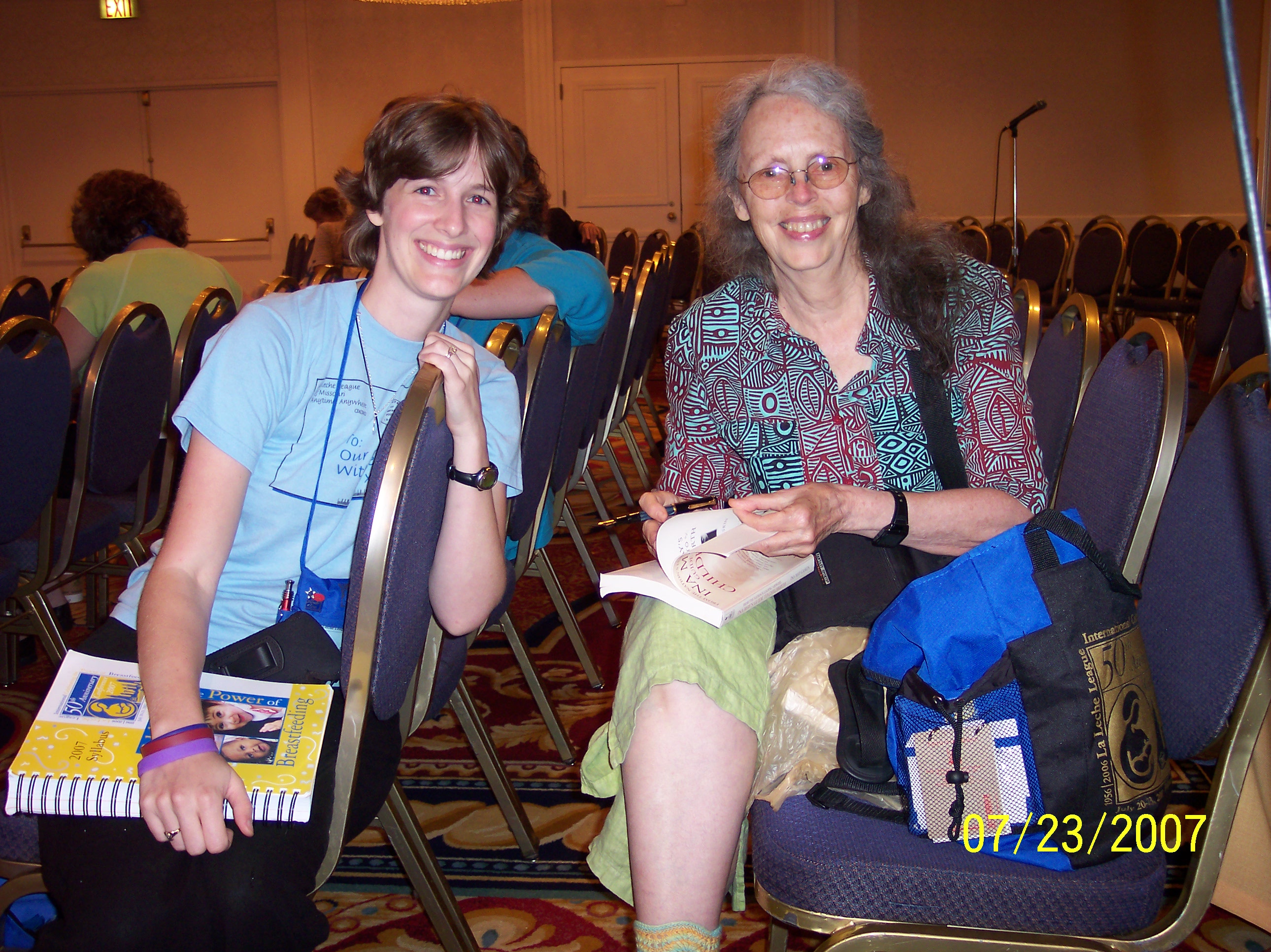
In 2007, I had the opportunity to listen to Ina May speak in person at the La Leche League International conference in Chicago. She talked about sphincter law and made the association with our bodies’ capacity for bowel movements and women’s physical capacity to rebound from childbirth. I will never forget her saying: “I don’t know about you, but my butt closes back up after I poop.” That summed her up for me: plainspoken, real, matter-of-fact, and practical. She’s a legend!

100_0564

Starstruck? Oh, yes I am. My husband said, “these people are like your *celebrities.*”

Disclosure: I received a complimentary screening copy of the film for review purposes.

Rites of Passage… Celebrating Real Women’s Wisdom

“Woman-to-woman help through the rites of passage that are important in every birth has significance not only for the individuals directly bellypictureinvolved, but for the whole community. The task in which the women are engaged is political. It forms the warp and weft of society.” –Sheila Kitzinger (Rediscovering Birth)

“I love and respect birth. The body is a temple, it creates its own rites, its own prayers…all we must do is listen. With the labor and birth of my daughter I went so deep down, so far into the underworld that I had to crawl my way out. I did this only by surrendering. I did this by trusting the goddess in my bones. She moved through me and has left her power in me.” ~Lea B., Fairfax, CA via Mama Birth)

Summary of Article: How do today’s women prepare for major life changes such as becoming a mother? Have our once meaningful rites of passage been trivialised, and if so at what cost? Kat Skarbek looks at ways to reclaim what we have lost.

Permission is given to publish this story on the web (thanks to Women’s Mysteries Teacher Circle e-journal).

Without wishing to appear overly dramatic, I think that our society may be in danger of becoming devoid of any important spiritually nourishing rites of passage. Women no longer seem to know how to celebrate important transitions. We have fallen into the horrible habit of treating life-changing events in trite and meaningless ways and as a result, we are cheating ourselves out of the powerful positive effects that these rites of passage can bring us.

For women, menstruation, puberty, marriage, pregnancy & birth, menopause, death – even divorce and separation, all need to be properly acknowledged when passing through these stages of life. Instead we either ignore them completely as in the case of puberty, first menses and divorce, which sends the message that they are both shameful and unworthy of celebration. Or we use the opportunity to get drunk, act like strippers and carry out questionable tasks which would make a sober person question why she would want to get married in the first place – as on your average hen night. At a friend’s baby shower recently I watched with sinking heart as one of the most important events in a woman’s life was celebrated with games involving stealing pegs from other women’s clothing the minute they unconsciously crossed their legs, guessing the baby’s weight and answering questions such as did she have ‘an inney or an outey’ bellybutton? How, I found myself asking, does this in any way prepare a woman to deal with the rigours of labour and birthing and the demands of the first year of motherhood? Why are we so seemingly unaware that our accepted celebrations offer absolutely nothing to women except a bunch of baby clothes? At standard baby showers there is no molly5wisdom shared, no loving support offered and no nourishment given (unless you count cupcakes!).

How did it come to this?

What happened to our once vital and spiritually awakening rites of passage? The easy (and heavily feminist) answer is 500 years or more of patriarchy. Prior to this and from the earliest records of society, it has been apparent that there were very well observed, meaningful and symbolic rituals to mark just about any occasion. Rituals existed for everything from simple agricultural celebrations of the changing seasons and giving thanks for food and supplies, to complex marriage and birthing rituals that eased newlyweds into their new roles and prepared the way for women to birth with dignity and power. Women in particular carried enormous wisdom about the cyclical nature of life and shared nourishing rites of passage, which enabled them to marry in confidence and with awareness, birth without fear and to die with dignity and grace. Once patriarchy became established it began the systematic erasure (or appropriation) of many of these important rites and in particular it diminished the roles and experiences of women so that they went from being important and respected members of their communities, with power over land, name and children to women whose only role was to birth heirs and to be subservient to their men. Even in today’s changing society the roles of ‘wife’ and ‘mother’ are still considered less important than the roles of ‘career woman’ and ‘breadwinner’. We have higher rates of divorce, higher rates of birth intervention and subsequent post-natal depression and more difficult menopauses now than women experienced 50 years ago. I believe that this is directly linked to the fact that we are now expected to just ‘get on with it’ and disappear into these changes without the proper observances being made. I’m not suggesting that women to disappear into mud huts every time they bleed or to give birth in fields as we did in the tribal days, but I do think that we need to pay more attention to our needs at these powerful times of change. Menstruation is not a curse, it’s a promise of our life-giving ability to come. Menopause is not a loss of youth and sex appeal, it’s a vital gateway to the enormous power of our wisdom years. And pregnancy, birth and marriage are life-changing experiences that need to be embraced and celebrated with something more nourishing than ‘Mr December’ and his overstuffed banana hammock.

A graceful acceptance of our changing roles and an awareness of the power that these changes bring, gives us huge personal freedom. Freedom from the current obsession with youth and aging, freedom to explore our new shapes, our new lives and the possibilities they hold. Isn’t that worth exploring?

Reclaiming simple rites of passage

So how can today’s modern goddesses, and in particular mammas-to-be, prepare themselves for life’s many transitions? A good starting point is to create your own rite of passage for whatever transition you may be going through. Pregnant women could change their planned baby shower to a Mother Shower (also known as a Blessingway). Mother Showers celebrate and nurture the mother rather than focusing exclusively on the child and are a growing trend amongst women. They offer pregnant women a chance to honour their pregnancy journey, to enjoy symbolic rituals of preparation for the labour and birthing ahead and indulge in an afternoon of loving, nourishing attention from their closest friends and family. And yes, there are still cupcakes! During one of these afternoons a pregnant woman can expect to be waited on hand and foot – often quite literally. Celebrations often include some kind of pampering for the mamma-to-be such as a foot and hand massage with beautiful, pregnancy-safe essential oils. She might choose to have her belly, hands or feet hennaed as a recognition of her changing status. She might enjoy creating a beautiful ‘labour necklace’ created out of beads gifted by each woman present and blessed with all of their best wishes for a wonderful birth. These necklaces can be used as a powerful focusing tool during the darkest hours of her labour and can become a beautiful heirloom that gets passed on from mother to daughter, or even from woman to woman within her community, with each subsequent pregnancy adding more beads to the necklace.

What you can do

There are a number of meaningful activities that you could include in your celebration. You could even combine elements of a traditional baby shower with elements from a mother shower by adding in any of the following:

  • A Fear Releasing Ceremony. Writing down your fears on a piece of paper and ritually burning them can help you rid your unconscious IMG_0821mind of any impediments to an easy and positive birth.
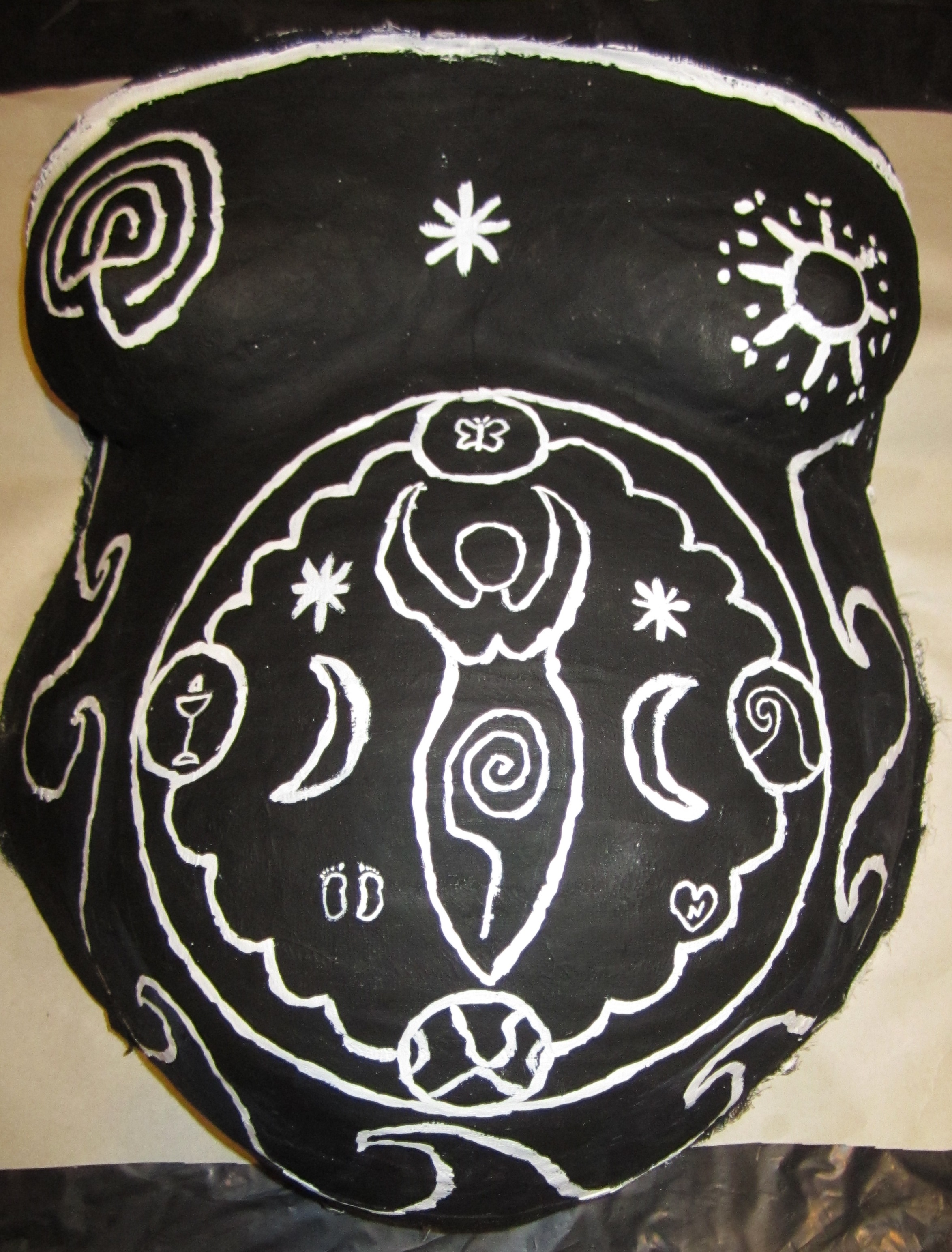
  • Belly Casting. Creating and painting a belly cast (a 3D plaster cast of the beautiful pregnant belly) can be a wonderful meditative tool to connect you more consciously with your body and your baby.
  • Guided Meditation or Visualisations. If there is a group of you, each woman can place a loving hand on the mamma-to-be, while another guides her into a place of deep relaxation where she can communicate with her unborn child or any guides or angels she feels drawn to, in order to receive information or just reassurance.
  • Plant a Tree. Buy a beautiful fruit tree to plant in honour of your newborn. You can tie birth blessings and wishes to its branches until after the baby is born.
  • Give gifts to nurture the mind, body or soul of the mamma-to-be. Most women won’t get the opportunity to enjoy a spot of luxury once the baby is born, so instead of yet more baby clothes why not spoil the mamma with something indulgent such as a pregnancy massage, a hair appointment, a manicure or pedicure or simply some beautiful skin cream to minimise stretchmarks? You can even buy her a gift for after the birth such as a post- natal spa voucher, to give her some ‘me’ time to look forward to when she needs it most.
  • Share Birthing Stories (no horror stories please!). Poetry, singing or chanting can also be a very uplifting way of connecting with your wise inner goddess.
  • Create a Phone-Tree. When labour is established, each woman is called and lights a candle for the birthing mamma to re-create the loving circle of support present on the day and send her thoughts of courage and strength.
  • Provide Nourishing Food and Drink. Each woman present can contribute a meal to be frozen for after the birth.
  • Pledge an Act of Support for after the Birth. Each woman offers one tangible act of support for after the birth when the mother and child are getting to know one another. It can be something simple like providing a home cooked meal, offering to take care of an older child for an afternoon so that the mamma can get some rest, taking the dog for a walk or taking the newborn off her hands so the she can have a recuperative bath.
  • The Baby Moon (or a month of ‘lying in’ with the newborn) is still observed in many cultures and offers a chance for the infant and mother to really bond and get to know one another without the usual worries about cooking, cleaning and taking care of other children. I think it would be very beneficial to women to reclaim this particular tradition.

Finding our way back home.

On the day that a baby is born, so too is a mother. Without properly acknowledging our changing lives in these beautiful and memorable ways, we go into motherhood unprepared for the challenges it may bring. No amount of reading can bring you the kind of self-knowledge needed to be a good mother. No amount of beautiful nursery furniture can enable you to trust in your mothering instincts when you are frightened of making a mistake with your precious little bundle. These things all take time. Reclaiming our rites of passage, no matter in how small a way, can help restore to women something vital for their spiritual and emotional wellbeing. And if you are worried that it might be boring or heavy, you needn’t. Celebrations are just that, a joyous coming together of loved ones to honour something wonderful. Keep that in mind and enjoy the many wonderful ways of celebrating this amazing and challenging time in a woman’s life. Choose the things that work for you, that you will enjoy and that will really give you the space to recognise the momentous changes that are happening and offer you some genuine support and acknowledgement of this special time.

More information about alternative pregnancy celebrations can be found in books such as Mother Rising by Yana Cortlund, Barb Lucke and Donna Miller Watelet (OK) and Blessingways, A Guide to Mother-Centred Baby Showers by Shari Maser (OK).
If published on the web please include the following contact details: Website: www.thedivinefeminine.com.au Email: info@thedivinefeminine.com.au Phone: 0439 636 958

Kat Skarbek
www.thedivinefeminine.com.au
About Kat Skarbek…
Kat Skarbek is a writer, presenter of the Shamballa Spirit Show on 3MDR 97.1FM and the Head Honcho of The Divine Feminine (www.thedivinefeminine.com.au) which specialises in creating unique and spiritually nourishing transitional celebrations and events for women. These include alternative Hen Nights and Mother Showers for pregnant women. She is a proud survivor of the first two years of motherhood and a visit from the PND Fairy.
Phone: 0439 636 958
Email: info@thedivinefeminine.com.au

Previous posts about rites of passage and women’s mysteries:

Rites of Passage Resources for Daughters & Sons

Birth as a Rite of Passage & ‘Digging Deeper’

Blessingways and the role of ritual

Blessingways / Women’s Programs

Red Tent Resources


Tuesday Tidbits: Real Life Friend Blogs

Late Monday night I was folding laundry and my Tuesday Tidbits theme suddenly struck me—I want to give a shout out to my real-life blogger friends who write on a variety of interesting subjects. I always enjoy their posts and I love getting a glimpse into their minds and their unique thought processes by reading their words. Most of us have a lot going on in addition to our park-mom encounters with each other and it nourishes and inspires me to learn more about these women through their writing, as well as actually knowing them in person.

Cara and her husband Mike and their two homeschooled teenagers have been building a straw bale house over the past year and write the blog: Our Hand-Built Home. They are one of the families that we have our work party with and it feels good to be a part of their homesteading journey! Mike and Cara walk their talk and their commitment to their simple, sustainable living ideals is inspirational.

Hope shares her thoughts about her multiplicity of interests on Hopeful InsightsI enjoy her various 30 day experiments and also her thoughts about health at any size. She’s also on Facebook.

Karen is a runner getting ready for the Princess Half Marathon early next year and documenting her progress on Losing the Glass Slippers. She’s also a fabulous photographer and is the source of almost all pregnancy and family pictures on my site (Hope above is also a talented photographer whose talents grace my pages!). I’m not particularly interested in running, but I enjoy peeking into Karen’s runner’s mind anyway and learning from her experiences. She’s also on Facebook.

http://losingtheglassslippers.blogspot.com/

(Yes, she took the picture)

Veronica is a now-long-distance friend who used to be local. She’s contributed a guest post here before: Guest Post: Don’t Touch Me… Don’t Even Look At Me. Now, she and her cousin have an amazing cooking blog called Pen Pals and Cookin’ Gals. I totally love it and want to make something from it every day! So far, I’ve only made the french toast, but I want to make All The Things. She’s also on Facebook.

Rebecca is another formerly local friend turned long distance friend. She and her sisters have a relatively new blog called Wabi-Sabi Sisters in which they share all manner of good thing, including recipes.

Summer is a friend who makes various appearances on my blog already from photos, to putting socks on my feet after I gave birth, to saying awesome things that I have to quote. She’s a real-life birthy friend, colleague, Rolla Birth Network co-founder, future Vagina Monologues collaborator, and supportive doula. Summer and I go way back with our lives linked since childhood in various synchronistic ways. She is sometimes outrageous and I love that she will sometimes say the things that I think about, but don’t say! She writes at Midwives, Doulas, and Homebirth…Oh My! and she is on Facebook too.

Shauna is the mother of a big, happy, homeschooling family and is such a fun, fun friend to have. She is an unassisted birthing inspiration and is currently preparing to welcome her family’s eighth baby. I love her attitude, her spirit, and how we talk over each other in rapid chatter because there is always So. Much. To. Say!!!!! She has been around the internet in various ways for a long time, but her current blog is Life with Seven Kids (and a bun in the oven) and she has a new Facebook page also. Oh, and she’s cute as can be! 🙂

Check them out, like them, subscribe to their amazing blogs, become a part of their diverse and interesting worlds, you’ll be glad you did! 

After listing all of these out I feel a little teary-eyed at having such great friends with such diverse talents, hobbies, and interests. Aren’t they amazing? Feel free to be jealous of me 😉 I’m delightfully blessed to know and learn from each of these women. We should have some kind of Blog Circle of Awesomeness project together…

Womenergy (Womanergy)

The day before my grandma died, my dad came over and said he’d coined a new word and that I could have it: Womenergy. He said he’d googled it and didn’t come up with anything. I googled it later though and there are a couple of people who have used it before, so I think my dad actually said Womanergy instead, which is still available. So, womanergy has been coined now too! 🙂 I dozed off during Alaina’s nap today and when I woke up the word was in my head and so were a bunch of other words. I channeled a bit of my inner Alice Walker and wrote:

Womenergy (Womanergy):

Feeling fierce at 37 weeks last year.

Feeling fierce at 37 weeks in 2011.

Often felt when giving birth. Also felt at blessingways and circling with women in ceremony and rituals. Involved in the fabric of creation and breath of life. Drawn upon when nursing babies and toting toddlers. Known also as womanpower, closely related to womanspirit and the hearing of one’s “sacred roar.” That which is wild, fierce. Embedded and embodied, it may also be that which has been denied and suppressed and yet waits below her surface, its hot, holy breath igniting her. Experienced as the “invisible nets of love” that surround us, womanergy makes meals for postpartum women, hugs you when you cry, smiles in solidarity at melting down toddlers. It is the force that rises in the night to take care of sick children, that which holds hands with the dying, and stretches out arms to the grieving. It sits with laboring women, nurses the sick, heals the wounded, and nurtures the young. It dances in the moonlight. Womenergy is that which holds the space, that which bears witness, that which hears and sees one another into speech, into being, into personal power. Called upon when digging deep, trying again, and rising up. That which cannot be silenced. The heart and soul of connection. The small voice within that says, “maybe I can, I think I can, I know I can. I AM doing it. Look what I did!” Creates art, weaves words, births babies, gathers people. Thinks in circles, webs, and patterns rather than in lines and angles. Felt as action, resistance, creation, struggle, power, and inherent wisdom.

Womenergy moved humanity across continents, birthed civilization, invented agriculture, conceived of art and writing, pottery, sculpture, and drumming, painted cave walls, raised sacred stones and built Goddess temples. It rises anew during ritual, sacred song, and drumming together. It says She Is Here. I Am Here. You Are Here and We Can Do This. It speaks through women’s hands, bodies, and heartsongs. Felt in hope, in tears, in blood, and in triumph.

Womenergy is the chain of the generations, the “red thread” that binds us womb to womb across time and space to the women who have come before and those who will come after. Spinning stories, memories, and bodies, it is that force which unfolds the body of humanity from single cells, to spiraled souls, and pushes them forth into the waiting world.

Used in a sentence:

“I’m headed to the women’s circle tonight. I could really use the womenergy.” February 2013 196

“I felt like I couldn’t keep going, but then my womanergy rose up and I did it anyway.”

“Feel the womenergy in this room!”

“She said she didn’t think she could give birth after all, but then she tapped into her womanergy and kept going.”

“I hope my friends have a blessingway for me, I need to be reminded of the womenergy that surrounds me as I get ready to have this baby.”

Feel it…

Listen to it…

Know it…

In the air, in her touch, in your soul.

Rising
Potent
Embodied
Yours…

“For months I just looked at you
I wondered about all the mothers before me
if they looked at their babies the way I looked at you.
In an instant I knew what moved humankind
from continent to continent
Against all odds.”

–Michelle Singer (in We’Moon 2011 datebook)

“I believe that these circles of women around us weave invisible nets of love that carry us when we’re weak and sing with us when we’re strong.” –SARK, Succulent Wild Woman

There is a wild tiger in every woman’s heart. Its hot and holy breath quietly, relentlessly feeding her.” – Chameli Ardagh

Circles of women (and art)...

Goodbye

My grandma, Lyla, was a beautifully active, vibrant woman and her quick devolution due to advanced and very aggressive pancreatic cancer was a 537883_10200265639095993_78320575_ntremendous shock to our family. I’ve always admired and respected her and been proud of her for all of her accomplishments and activities. She was not a particularly emotionally demonstrative woman, but it is amazing to think about all the ways her presence is woven through my days even though she lives 2000 miles away–the sweater I put on every morning is one she knit for me, her quilts are on my kids’ bedroom walls and on all our beds, magazine subscriptions she gifts us with are in the car and bathroom…we’re connected in many ways and I don’t know what life will look like without her in it. She died early this morning and I can’t quite believe it. I remember when my great-grandmother died (at 88) my grandma told my mom: “now, I’m an orphan.” It is a moment that always stuck with me because I realized that no matter how old you get, you still feel like someone’s daughter. When I started packing for our craft camp this afternoon, I packed quilts to take for our beds that she made for us, I looked at Christmas pillowcases she made for my kids, and I was so impressed with how she managed to be such a part of our lives from such a distance.

I’ve cried so much in the last week. I honestly didn’t know I would feel this loss so keenly–it is in the “right” order, she lived a full and beautiful life, and etc., etc. One of the things that will totally set me off is to look at my own little girl and think, “but Mamoo used to be someone’s little girl!” And, then I think, but isn’t this what I WANT for my own little children? To grow up and have grandchildren and great-grandchildren? Yes, duh. And, I got to be almost 34 still having her as a part of my life. The other thing that gets me going is the thought that my kids are the only kids in this side of the family who get to have a Mamoo, who get to have this amazing great-grandmother. When my brother and sister have kids, they won’t have a Mamoo. And, then I have to laugh a little at myself that one of the things that has made me cry the hardest during this whole experience is based on these imaginary future people who may never even exist. I told my dad about it this morning, laughing while crying and crying at the same time, and he said, “it is because you feel the break in the chain.” I do.

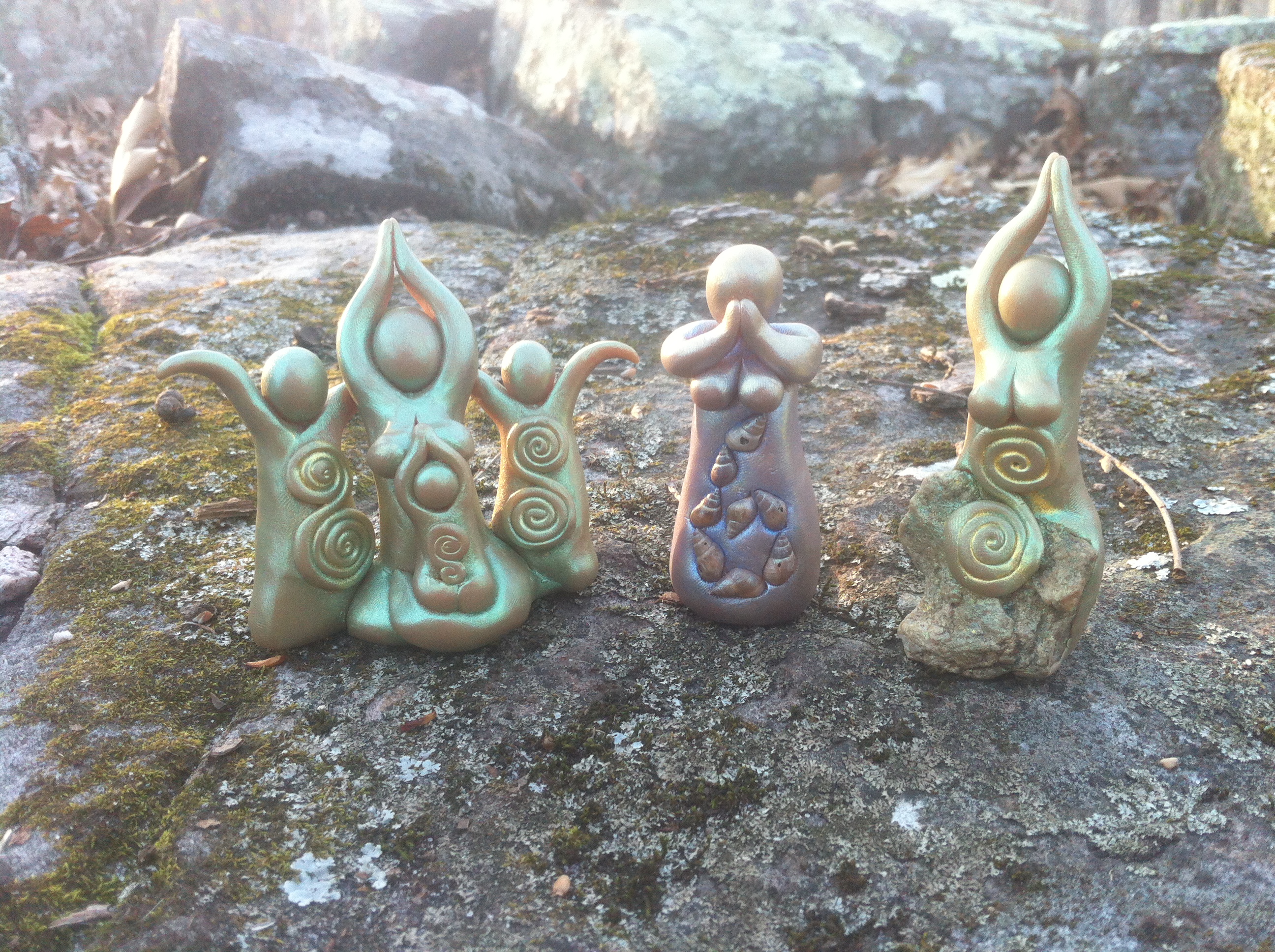
I’ve written more about this on my other blog, but on Sunday, we thought we’d reached my grandma’s final day on earth. I spent the day thinking about her, crying, talking to my husband, and fanatically checking my phone for texts from my mom (side note to those people who write critical blog posts about “distracted” people “glued” to their phones, you may do well to remember that some of those distracted-looking people might be looking for texts about dying grandmothers from their own distraught mothers and that this phone-based link in fact represents connection and not disconnection or distraction). I went to the woods and I sat on the rocks and sang Woman Am I. My mom told me she’d been singing it to my grandma as she listened to the erratic sounds of her breaths, thinking each was the last. My letter did make it in time to be read to my grandma while she was still conscious enough to indicate she heard it. And, on Friday I did a FaceTime call with my mom and she took it to my grandma’s bed so that I could talk to her. She didn’t open her eyes, but she murmured a greeting and she smiled when she heard little Alaina say, “hi, Mamoo!” So, we were able to say some final words and goodbye “in person,” which was really, really difficult, but also a gift. There is something I feel really poignantly in the mother to daughter to mother to daughter to mother to daughter connection in this life and loss experience. I know that little boys are part of the generations as well, but not in as direct a line as this particular chain of girls—I’m the oldest daughter of an oldest daughter of an oldest daughter (and my own daughter is an “only daughter,” so while she’s my youngest child she continues a line as the first daughter of a first daughter of a first daughter of a first daughter). So, I made a new sculpture trying to capture that feeling of the three generations of little girls who’ve sat on her lap:

April 2013 007

I also made one using a rock I found in the woods that day and another about grief:

April 2013 013April 2013 016I poked around on my computer and plucked out a semi-odd assortment of random pictures that capture my grandma’s spirit and relationships:

Ipad Pix 090

Four generations pic from my brother’s wedding in October.

478397_10200265613655357_366752492_oAnd on my other blog, I wrote a poem:

Go in peace
go in love
and go knowing that you have left behind
something beautiful
something marvelous
something that matters
The fabric of a life well-lived
the hearth of a family well-tended
the heart of a community strengthened
and a never-ending chain of women
unbroken.

You’re our Mamoo
You’re our grandmother
and we say goodbye
and thank you.

Sink deeply
and gently
into the arms and lap
of time
the great mother of us all

She holds you now.
We let go.

I have more things to say, more thoughts about connection, and more thoughts about having watched–from a distance–my mom so tenderly and compassionately holding the space for her mother. She worked so hard and went through a lot to be there for her mom and it was really heroic and loving. I also wish this post wasn’t so “me”-based and was more about my grandma herself, but it is what it is. I can write more later—I really, really want to get something posted before it hits midnight, so it is really published on the same day we lost her.

Tuesday Tidbits: Red Tent

April 2013 019

Dogwoods are blooming here.

“..by honouring the demands of our bleeding, our blood gives us something in return. The crazed bitch from irritation hell recedes. In her place arises a side of ourselves with whom we may not-at first- be comfortable. She is a vulnerable, highly perceptive genius who can ponder a given issue and take her world by storm. When we’re quiet and bleeding, we stumble upon solutions to dilemmas that’ve been bugging us all month. Inspiration hits and moments of epiphany rumba ‘cross de tundra of our senses…”
Inga Muscio

“The great mother whom we call Innana gave a gift to woman that is not known among men, and this is the secret of blood. The flow at the dark of the moon, the healing blood of the moon’s birth – to men, this is flux and distemper, bother and pain. They imagine we suffer and consider themselves lucky…In the red tent, the truth is known. In the red tent, where days pass like a gentle stream, as the gift of Innana courses through us, cleansing the body of last month’s death, preparing the body to receive the new month’s life, women give thanks — for repose and restoration, for the knowledge that life comes from between our legs, and that life costs blood.
Anita Diamant

I have to be quick today—lots going on. I don’t know if anyone else is enjoying my little Tuesday Tidbits post series particularly, but I really love doing it, because it gives me an automatic structure for a post, a sense of focus rather than an open book of endless possibility, and also the ability to put something up quickly even admidst life swirls. And, I find it funny how things collect around a theme without me consciously trying to do so. What collected around me during the past week was Red Tent Resources again…

First, a short video about starting a Red Tent:

Then, this cool Lunation website where you can subscribe to a newsletter and receive a free guided meditation called Connect to the Red Threads.

And, I enjoyed an article called Menstrually Yours – Women Can Map Periods as a Path to Self-Awareness.

This article uses the same “seasons” metaphor for understanding the energy of your cycle that a lot of menstrual empowerment activists are using. This seasons idea has helped me find an enhanced place of understanding about my own ebb and flow of energy, enthusiasm, and creativity.

Winter is the first stage, when we bleed. Characteristically it’s the time of wanting to hibernate (or just hide under a duvet and eat chocolate). We are withdrawn and inward and it’s tough to focus and find a lot of energy, contrary to the images forced on us by the Bodyform adverts.

Spring is the week after when the bleeding has stopped and we suddenly feel more energised and sociable. We want to get on and often we get stuff done quickly and with grace and ease.

Summer is characterised by our really coming into fullness, it’s when we are ovulating and energetically we are fully blooming and really advancing.

Autumn is when we start the decline back into ourselves. Typically now we may experience some PMT, being a bit snappy or less tolerant than we were in spring and summer.

via Claire Snowdon-Darling: Menstrually Yours – Women Can Map Periods as a Path to Self-Awareness.

What I find transformative about this understanding is the acceptance that comes from realizing what season I’m in and knowing that a new season is coming. Rather than get frustrated with myself during “autumn” or winter, thinking it means a permanent state of being, I say, “ah ha! This sense of needing to pull in and retreat. I know this. Time to break out some of those saved guided meditations, say no to things I can say no to, and sit down with a book and some tea.” Just a few months ago, I would have taken this impulse as a sign that my life is too crowded and I MUST. QUIT. SOMETHING. NOW. THINGS. MUST CHANGE. ARGHHHH. NO MORE! Now, I see that it is just a call for right now, for this little season, not a permanent change, just an honoring of body rhythms. Interestingly, I’m actually in the summer stage of my own cycle right now, which is the time I usually wait for and get a bunch of “stuff done” and scheduled to post so that when I feel withdrawn again, my blog can go on on its own. However, with my grandma’s dying process and my mom’s absence while she cares for my grandma in California, I actually feel extremely “autumn” right now and would like nothing better than to just lie down with a book and STOP. My kids and my students all need attention though.

And, I enjoyed this cool website too:

Birthing Art Birthing Heart is a website

that promotes, facilitates and offers examples of art made by woman.

Birthing Art Birthing Heart offers new ways for woman to explore what they are ‘birthing’ at any given moment.

via Birthing Art – Birthing Heart – Home.

Bringing it into the Red Tent theme, they have a current project called Bleeding Art, Bleeding Heart too.

Speaking of art, though it isn’t finished yet, I made a couple of new pieces about my grandma. This is the first one:

April 2013 038

The shells were supposed to be a spiral, not a “6,” but on such a small surface, I couldn’t spiral them any better.

Related past posts:

Red Tent Resources

Book Review: Moon Time

Moontime’s Return…

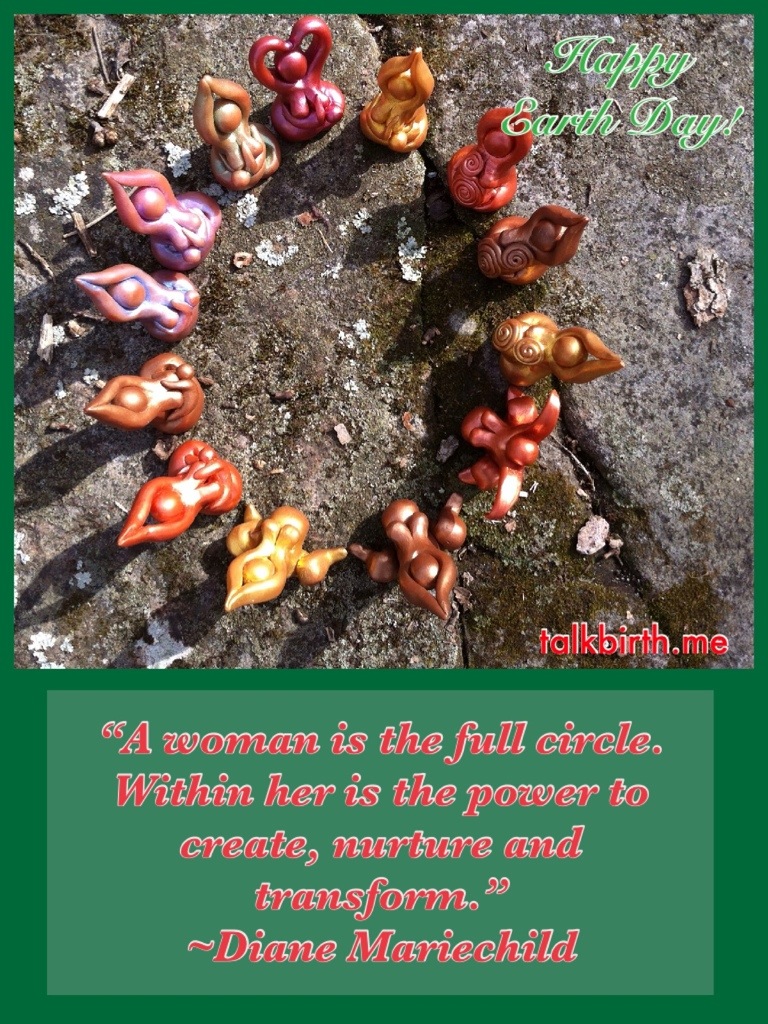
Happy Earth Day!

20130422-140554.jpgWhy this phrase? Two reasons:

Womb ecology reflects world ecology. World ecology reflects womb ecology.

And this (already used in several past posts):

When women are faced each day with enforced cesarean deliveries, birth control that maims and kills them, and doctors who think them dirty, when we encounter rape, violence in the streets, job discrimination, sexual slavery around the world, pollution and nuclear madness, we realize that reclaiming the integrative ways of our ancestors must involve our healing powers on all fronts—from the medical to the social to the environmental to the political to the psychological to the spiritual. Healing the divisions that were imposed during the patriarchal era is the survival issue of our time and our planet. A world that systematically sickens its women cannot survive. [emphasis mine]

Chellis Glendinning in Politics of Women’s Spirituality

20130422-140545.jpg

Women of Color Can Push for Better Outcomes: What Every Mother-to-Be Should Know About Birth

Guest post by Tara Owens-ShulerImage

As an African American Lamaze Certified Childbirth Educator, I have observed over my 18 years of teaching that childbirth education class participants are less likely to be women of color. My desire for more women of color to attend childbirth education classes is rooted deeper than just their presence in a classroom – it is rooted in my desire for more women of color to understand the disparities that exist in maternal and birth outcomes.

In a recent Science and Sensibility blog post by Christine Morton on maternal health disparities, she reviewed the work of several well-known public health researchers – Dr. Eugene Declercq, Dr. Mary Barger and Dr. Judith Weiss. Their findings point to the fact that African American women have higher rates of cesarean births at nearly every age group and across every level of education.

In addition, the U.S. Department of Health and Human Services reports that one of every five non-Hispanic,black births are pre-term, African American mothers experience an infant mortality rate twice that of non-Hispanic, white mothers, and breastfeeding rates among African American mothers are 16 percent lower than white mothers.

Given the disparities that exist in maternal and birth outcomes for women of color, I think April as Minority Health Awareness Month is a great opportunity to talk about a few other factors that minority moms or mothers-to-be can control or influence. It’s a hard reality that mothers face real challenges in getting the childbirth care they want and deserve. Even though medical evidence may tell us certain practices are good for mothers and babies, the “system” is not always geared to deliver that care. Health care providers are rushed, spread thin, or incentivized for practices that are not most beneficial to the mother.

Let’s go back to the fact that African American women have higher rates of cesarean births than non-Hispanic,white women. Is it because African American women are sicker and need to have a cesarean birth? Researchers report that this is untrue. They conclude that higher rates of cesarean births among African American women are a result of a shift in obstetric practices to focus more heavily on use of childbirth interventions. And, when we bring in an induction to the equation, there is a correlation between the increased rates of induction to the increased rates of cesarean births!

Research shows that babies pay a steep price for these early births caused by inductions or a failed induction, which led to a cesarean. Babies have greater difficulties breathing, breastfeeding, and maintaining their temperature, which usually means being separated from moms and spending time in the Intensive Care Unit. While an increasing number of hospitals and health care professionals are shying away from unnecessary cesarean birth and induction, it’s one of many care practices that just aren’t supported by good medical evidence.

So how can women of color push for better care?

  • Become an active partner with your care provider. While doctors or midwives have professional knowledge and skills, they may not know everything about your personal background and preferences. Finding a provider who will also act as your partner can help you push for the care that’s best for you and your baby.
  • Ask questions – lots of them! Labor and birth in particular can be unpredictable. That’s why it’s a smart idea to prepare a list of rolling questions throughout your pregnancy to help you determine if the right care is being recommended during labor, birth and after birth.
  • Do your research. Understand your available care options before, during and after labor at the hospital or birth center. If you know that during labor you’d like the ability to walk around, eat and drink – choose a birth facility that will be more aligned with your birth preferences or wishes.
  • Participate in a childbirth education class. Taking a Lamaze class will help you understand maternity care best practices and be better prepared to navigate your labor and birth. A childbirth educator will help you identify the right questions to ask when making decisions about your care.

I encourage all women – particularly African American women – to learn more about getting the right care in pregnancy and childbirth by attending a childbirth education class. Skipping out on childbirth education is a lost opportunity to stack the deck in your favor and become a well-informed consumer of evidence-based practices! As a consumer, it is your right to be a partner in your health care decisions.

Tara Owens Shuler, MEd, LCCE, FACCE is the president of Lamaze International. She has practiced as a childbirth educator since 1995. In 2005, she became the Director of the Duke AHEC Lamaze Childbirth Educator Program. In addition to training individuals to become childbirth educators and preparing expectant women and their partners for a safe and healthy birth experience, Tara provides labor support services. Along with coordinating the Lamaze program in the Duke AHEC office, Tara works with her statewide AHEC partners in developing continuing education programs and/or resources for healthcare providers in North Carolina and assists with the Duke AHEC PATHWAYS Health Careers program for K-12 students. When not working, Tara and her husband enjoy playing with their dog, Gramps, and traveling.

Visit Lamaze International for great resources to help mothers and mothers-to-be learn their options.

Guest Post: Spring Sugar Scrub Recipe

I’ve been making my own body care products for quite a few years and I enjoy sharing recipes and ideas with other women. I used to teach classes in making “salves and scrubs” and “lotions and potions” and I find it pretty empowering to take charge of your own personal care products, using only ingredients you can find readily at grocery stores and that you could actually safely eat! So, when I received a guest post submission from Michelle Pino from the spa Skana, I was happy to share it with my readers. Sugar scrubs make a nice simple handmade gift for Mother Blessings ceremonies in particular. If you attach the recipe to the jar, it makes it easy for her to refill it as needed! I also like making sea salt scrubs, for which you would just replace the sugar in this recipe with sea salt (the finer the grain the better).

Scrub Away Winter Skin Just in Time for Spring

by Michelle PinoScreen Shot 2013-02-20 at 10.25.39 AM.png

I love seeing the grass turn green, watching the flowers begin to blossom and the feeling the sun shining through the clouds. Here in central NY, sunshine is rare during the winter months, but there’s plenty to look forward to in spring in summer. However, one of the things most people don’t look forward to in the spring is revealing their dull, dry skin that his been covered up all winter.

Working at a spa in central NY, dry skin is often the focus of many of our treatments this time of year. We use a blend of natural ingredients including fresh herbs and organic products at the spa. Luckily some of the same products we use at the spa can be found right in your own home–or a quick trip to your grocery store!

This simple DIY body scrub is the perfect way to prep for spring, tank tops, shorts, sundresses, and flip-flops! It could also be a perfect gift for a girl friend, aunt, sister, mom or co-worker this Mother’s Day.

Ingredients:

1 c. White Granulated Sugar

½ c. Almond Oil

4-6 drops Lemon Essential Oil

Combine the sugar and oil by slowly adding the oil to the sugar. You may not use all of the oil, or you may need more. You don’t want your sugar scrub to be too ‘soupy’ though!

That’s that! Apply the scrub to your skin in the shower to warm, clean skin. I don’t recommend using it on your face; however, as it may be too coarse.

A sugar scrub is easy to make and can be used any time of year! Try using different essential oils to get the perfect scent for anyone!

This inexpensive treat can be stored in a mason jar or other airtight container. Try adding some ribbon or a printable sticker if you are using the body scrub for a gift. The lucky recipient is sure to enjoy!

Screen Shot 2013-02-20 at 10.19.31 AM.png

Michelle Pino is the Spa Manager at Skana Spa in Verona NY. Michelle is an enthusiastic person that is passionate about her job as well as leading as healthy of a lifestyle as possible. Outside of work, you will find Michelle baking, reading or possibly crafting!