Archive | August 2013

Brought to our knees

“Rigid plans work best if you’re building a skyscraper; with something as mysteriously human as giving birth, it’s best, both literally and figuratively, to keep your knees bent.” –Mark Sloan, MD (Birth Day)

Today I spent a few minutes listening to a lovely webinar by Amy Glenn, the author of Birth, Breath, & Death. The topic was Supporting a Birthing Woman’s Spiritual Practice and I was immediately caught by Amy’s comparison of giving birth to kneeling in prayer. She mentioned that giving birth may drop us to our knees, just as those who pray may pray on their knees. Since I’m currently writing about birth as a spiritual experience, I connected to this implied notion: birth as embodied prayer. And, looking at the webinar photo of a woman kneeling in August 2013 019child’s pose, my own birth-prayers came vividly to mind. In my first labor, I spent a lot of time on my knees, later wishing that I had also given birth on hands and knees rather than being encouraged to birth in a semi-sitting position that I felt contributed to tearing. Later, when I discovered birthing room yoga, I loved realizing that these kneeling postures that I adopted spontaneously and intuitively in my first labor were yoga poses—an inherent body wisdom I carried within me, waiting to arise when called upon. This is part of my first birth story, briefly touching on my time on my knees…
Mark & Mom were wonderfully supportive of me as I labored. I tried various positions and they stacked up pillows for me on the bed so that I could be on my hands and knees on a soft surface (they put the Boppy onto some other pillows to make a “well” for my belly) and then Mom read some of my birth affirmations to me. That worked for a while. I also tried the birth ball for a while and ended up spending a lot of time on my knees on the floor with my head and arms resting on a pillow on the bed…

via My First Birth | Talk Birth.

Kneeling to birth played a prominent role in my second birth experience as well and I have frequently described the rapid birth of my second son as an experience that literally drove me to my knees. When writing about this birth experience, I said:

I was extremely proud of my body and its super-awesomeness 🙂 I felt that my sense of birth trust was physically manifested in my actual birth experience. My body was a powerful and unstoppable force and I had to get out of my own way and let it happen! I felt driven to my hands and knees–like a power was holding me there. After the birth my body felt weak and “run over by a truck”—I felt powerful and like a warrior during the birth…

via Quick Births | Talk Birth.

And, in perhaps my most spiritually meaningful birth experience, the home miscarriage-birth of my third baby also brought me to my knees:

August 2013 041

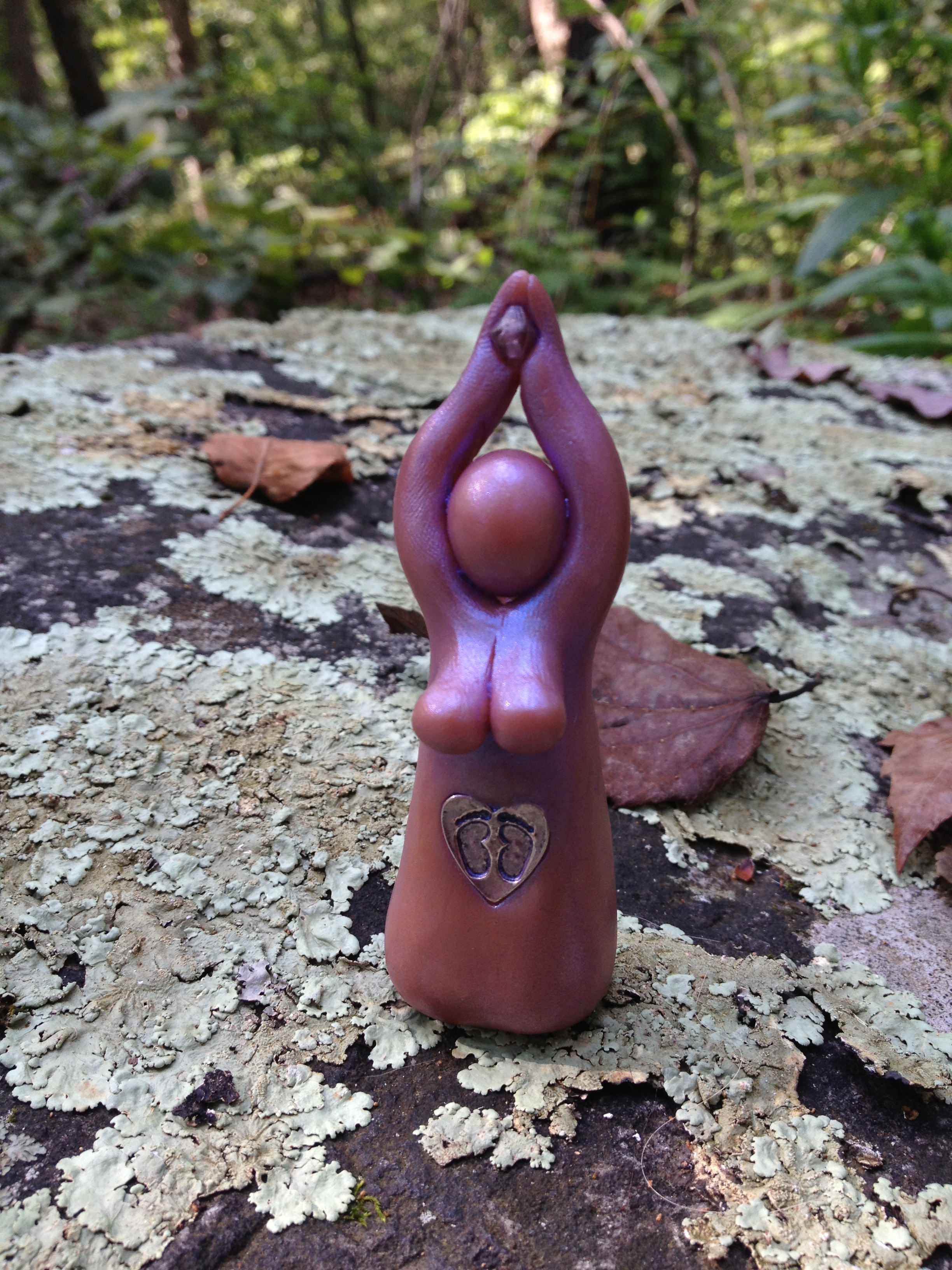
Brand new sculpture inspired by the thoughts in this post.

When I was still having the “HOW?” questions, other women that I knew who had experienced miscarriage started to come to mind and I knew I could do it too. I told myself that I had to do what I had to do. I said out loud, “let go, let go, let go.” I said I was okay and “my body knows what to do.” The afternoon I found out the baby died, I’d received a package that included a little lavender sachet as a free gift with my order. When my labor began, for some reason I wanted the sachet and held and smelled it throughout the experience. As I chanted to myself, “let go, let go, let go,” I smelled my sachet (later, I read in one of my miscarriage books that in aromatherapy lavender is for letting go). I also told myself, “I can do it, I can do it” and “I’m okay, I’m okay.” I felt like I should get more upright and though it was very difficult to move out of the safety of child’s pose, I got up onto my knees and felt a small pop/gush. I checked and it was my water breaking. The water was clear and a small amount. I was touched that now these gray pants were my water-breaking pants too…

Contractions continued fairly intensely and I continue to talk myself through them while Mark rubbed my back. I coached myself to rise again and after I sat back on my heels, I felt a warm blob leave my body. I put my hand down and said, “something came out. I need to look, but I’m scared.” Then, “I can do it, I can do it,” I coached myself and went into the bathroom to check (it was extremely important to me not to have the baby on the toilet). I saw that it was a very large blood clot. I was a little confused and wondered if we were going to have to “dissect” the clot looking for the baby. Then I had another contraction and, standing with my knees slightly bent, our baby slipped out…

via Noah’s Birth Story (Warning: Miscarriage/Baby Loss) | Talk Birth.

When the time came to gave birth to my rainbow daughter, she brought me to my knees as well and she was the only baby I caught in my own hands while in a kneeling position. Here is a segment from her birth-prayer:

At some point in the bathroom, I said, “I think this is pushing.” I was feeling desperate for my water to break. It felt like it was in the way and holding things up. I reached my hand down and thought I felt squooshy sac-ish feeling, but Mom and Mark looked and could not see anything. And, it still didn’t break. Mom mentioned that I should probably go to my birth nest in order to avoid having the baby on the toilet. My birth nest was a futon stack near the bathroom door. I got down on hands and knees after feeling like I might not make it all the way to the futons. Felt like I wanted to kneel on hard floor before reaching the nest.

…I couldn’t find her heartbeat and started to feel a little panicky about that as well as really uncomfortable and then threw IMG_0422the Doppler to the side saying, “forget it!” because big pushing was coming. I was down on hands and knees and then moved partially up on one hand in order to put my other hand down to feel what was happening. Could feel squishiness and water finally broke (not much, just a small trickle before her head). I could feel her head with my fingers and began to feel familiar sensation of front-burning. I said, “stretchy, stretchy, stretchy, stretchy,” the phone rang, her head pushed and pushed itself down as I continued to support myself with my hand and I moved up onto my knees, with them spread apart so I was almost sitting on my heels and her whole body and a whole bunch of fluid blooshed out into my hands. She was pink and warm and slippery and crying instantly—quite a lot of crying, actually. I said, “you’re alive, you’re alive! I did it! There’s nothing wrong with me!” and I kissed her and cried and laughed and was amazed.

via Alaina’s Complete Birth Story | Talk Birth.

Motherhood, especially my postpartum experience with my first baby also dropped the legs out from under me and I used the same expression echoed above in writing about this postpartum crucible:

I had regularly attended La Leche League (LLL) meetings since halfway through my pregnancy and thought I was prepared for “nursing all the time” and having my life focus around my baby’s needs. However, the actual experience of postpartum slapped me in the face and brought me to my knees…

via Planning for Postpartum | Talk Birth.

I’m not the only mother who finds this an apt description of the process of giving birth, today I found this touching story about memorializing the still birth of a mother’s baby girl:

This blanket isn’t much to look at. It isn’t a work of art. But it holds an entire story within its stitches. It holds the legacy of our precious baby girl who was stillborn, yes, but she was still born. Her name is etched on our hearts, and her short little life was not in vain. In those 37 weeks, she brought us joy and excitement. She brought us laughter. She brought me to my knees (to dry heave, because of being in pain, and to pray…). She brought us together, tighter, as a family. She brought us love. She brought us hope.

via Mind Mumbles: Our Stillbirth Storm.

And, I also read this gorgeous birth story that brings the concepts of prayer and birth kneeling into direct, evocative connection:

August 2013 047

Brand new sculpture inspired by the thoughts in this post.

From this point on, labor was like a long, hard prayer taking place through a dark and cold night. It literally brought me to my knees. At times I knelt, hands clasped in front of me. I had to work hard to surrender, to open myself up to the reality of labor and pain and let it be. It was a challenge. Knowing I needed to surrender to the labor, and to your advent, I made a silent decision to open my hands. I held them open and palm up in between each contraction. I tried to keep them open as long as I could once a contraction started. This was one of the most poignant parts of your birth – this surrender. I had to keep pushing my soul in the direction of you. I needed an openness of spirit as much as of body, for my spirit was caught up in a complicated grief from the months prior. At one point, when a contraction was coming, Kristen said to me, “Camille, you need to let this be big.” How did she know that I was holding back, hesitating? I needed to surrender to the hugeness of the mystery of life and birth and yes, even death. The challenge in your birth, dear Silas, was in the soul places…

…Kristen said simply, “Ok. Just listen to your body.” She trusted my body, which was so freeing. As I pushed, it felt natural. I was part of the pushing, as were you. I knew that the pushing was working, that you were coming down into the world. No one moved closer or moved away. No one tried to move me. I remained in the cleared meadow of a space with the freedom to move as my body wanted to move. There was complete freedom to do just as my midwife asked – to listen, and listen closely. To be. I was on my hands and knees, as close to earth as I could muster in the middle of Queens. And the transition to pushing felt seamless. I was permitted to remain in the deep cavities of my body, which were doing such brave work…

via The Birth Pause: Unhurrying the Moment of Meeting: The Story of Your Birth.
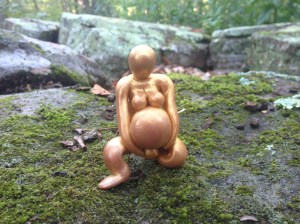
It isn’t only mothers who are brought to their knees by the act of birth, so are birth witnesses:

This is the story of falling in love with a baby before we even met her, the story of witnessing two friends fall deeper in love and the joy of meeting someone you just know you’ll know a lifetime in their very first second of life. This experience brought me to my knees in the end, a wreck of being awake 39.5 hours after witnessing such beauty I thought my heart would explode. I wailed in happiness, and entered a place where the only logical thing to do was roll around in the grass in the sun in full, tearful joy. I forever remain grateful to be a part of this.

It’s beautiful to document beauty, to witness beauty and just downright jump inside beauty…

via a birth story » Sara Parsons Photography.

In fact, we even see birth and knees referenced in the Bible as well:

Now when Rachel saw that she bore Jacob no children, Rachel envied her sister, and said to Jacob, “Give me children, or else I die!” And Jacob’s anger was aroused against Rachel, and he said, “Am I in the place of God, who has withheld from you the fruit of the womb?” So she said, “Here is my maid Bilhah; go in to her, and she will bear a child on my knees, that I also may have children by her.” Then she gave him Bilhah her maid as wife, and Jacob went in to her.

[No need to note how strongly I object to the notion of women being “given” to men. The author of the post referencing this quote then goes on to explain what ‘on my knees’ actually means, which is a little different than what I was thinking…]

…On my knees refers to the custom where the husband impregnated the surrogate while the surrogate reclined on the lap of the wife, and how she might even recline on the wife as she gave birth. The symbolism clearly showed the child was legally the child of the mother, not the surrogate, who was merely in the place of the wife in both conception and birth.

via Genesis 30 – The Children Born to Jacob.

Other birthing women experience the energy of birth as an embodied experience of Shakti. While Shakti can be personified as a Goddess, she is also understood as the great cosmic “fuel” of the universe, the feminine force that drives creation. Women may experience the energy of birth as Shakti moving through, with, and within them. While not specifically about birth, I recently wrote about Shakti in a related sense:

Shakti woman speaks August 2013 043
She says Dance
Write
Create
Share
Speak.

Don’t let me down
I wait within
coiled at the base of your spine
draped around your hips
like a bellydancer’s sash
snaking my way up
through your belly
and your throat
until I burst forth
in radiant power
that shall not be denied.

Do not silence me
do not coil my energy back inside
stuffing it down
where it might wither in darkness
biding its time
becoming something that waits
to strike. August 2013 050

Let me sing
let me flood through your body
in ripples of ecstasy
stretch your hands wide
wear jewels on your fingers
and your heart on your sleeve.

Spin
spin with me now
until we dance shadows into art
hope into being
and pain into power.

7/1/2013
via Woodspriestess: Shakti Woman Speaks

After thinking about this post all day and working on it in snippets at a time, a friend shared this quote with me saying that it reminded her of me. It felt like the perfect closing:

“As women connected to the earth, we are nurturing and we are fierce, we are wicked and we are sublime. The full range is ours. We hold the moon in our bellies and fire in our hearts. We bleed. We give milk. We are the mothers of first words. These words grow. They are our children. They are our stories and our poems.”

–An excerpt from “Undressing the Bear” by Terry Tempest Williams

Tuesday Tidbits: Breastfeeding Research

August 2013 050

Some new (but non-breastfeeding) sculptures this week! 🙂

Before I begin today’s post, I feel like acknowledging that I find it puzzling that we even need to do research on breastfeeding or that it is considered “news” OR that it is something for which the advantages need to be “debunked” OR “proven.” It feels similar to me to seeing journal articles “revealing” that your own blood has special nutrients in it that help your body to function or announcing that having your own blood in your body helps you be healthier and live longer. Or, likewise, if we were to see articles “proving” that it is good for your cells if you drink water or that a special component has been added to a new soda to make it as “close to water as possible.” Some things just don’t really need to be news. And, I’ve observed for over eight years that new, often negative research about breastfeeding often “coincidentally” surfaces right around World Breastfeeding Week, and usually some new campaign also surfaces with a feel-good, but toothless message about “supporting all mothers,” and perhaps some “shocking” reveal article about celebrity breastfeeding will also pop up.

That said, unsurprisingly, some breastfeeding research and general breastfeeding articles have caught my eye recently. The first with regard to weaning and depression:

But the frequency with which women experience depressive episodes when weaning their babies is far less understood. Researchers “The intersection between lactation and mood is important, and it is extremely understudied,” said Dr. Samantha Meltzer-Brody, director of the perinatal psychiatry program at the UNC Center for Women’s Mood Disorders. “There are definitely people who report mood symptoms associated with lactation.”

via Weaning And Depression Linked In Many Women.

The second is one that will actually affect the way I practice when helping breastfeeding women and it is about the relationship that may exist between mothers having trouble breastfeeding and early signs of diabetes.

New research has revealed the hormone insulin plays an important part in the production of breast milk – and mothers who are struggling with feeding may have low levels of insulin.

For a long time, insulin was not thought to play a direct role in regulating the milk-making cells of the human breast.

But scientists now know that the mammary gland in breast becomes sensitive to insulin during lactation.

via Why mothers struggling to breastfeed could be showing early signs of diabetes | Mail Online.

And, not new or surprising or current, but unfortunately of continued relevance is the fact that IV fluids during labor artificially inflate baby’s birthweight:

But when babies lose more than 7% of birth weight during these early days, does this automatically mean they are not getting enough milk? No, according to a recent study.

A greater weight loss may be completely unrelated to breastfeeding and due instead to excess IV fluids mothers receive within the final 2 hours before delivery. According to this study, these excess IV fluids inflate babies’ birth weight in utero and act as a diuretic after birth. Babies whose mothers received more IV fluids before birth urinated more during their first 24 hours and as a result lost more weight. Number of wet diapers during the first 24 hours predicted infant weight loss. This was true whether the babies were born vaginally or by c-section. Another study published earlier this year had similar findings.

This weight loss has nothing whatsoever to do with breastfeeding and milk intake. In fact, the authors suggest that if clinicians want to use weight loss as a gauge of milk intake, they calculate baby’s weight loss not from birth weight, but from their weight at 24 hours. According to their findings, this could neutralize the effect of the mother’s IV fluids on newborn weight loss.

via Breastfeeding Answers Made Simple – Breastfeeding Reporter – Newborn Weight Loss and IV Fluids in Labor.

They way we treat women during birth matters for her breastfeeding relationship and the health of her baby! Birth interventions are not benign.

Also, not benign is the way this article from MSNBC chose to describe some research about breastfeeding women having a lower risk of Alzheimer’s disease (if researchers were more careful to watch their language, ala Diane Wiessinger, and remember that breastfeeding is the biologic norm, the article would actually be titled, “formula feeding increases risk of Alzheimer’s”):

Amazing news for moms who breast-fed: All that hassle was worth it — not just for your baby (who will likely have a higher IQ), but for you as well. A new Cambridge University study suggests that women who breast-feed can cut their risk of Alzheimer’s disease by up to two-thirds and calls the link “highly significant.” Those overly precious attachment parents might have the last laugh yet, as the benefits seemed to increase with longer periods of breast-feeding: Women who breast-fed for a year were found to have about a 20 percent lower risk of developing the disease as someone who had breast-fed for only four months. [Source]

via Breastfeeding cuts Alzheimer’s risk by two-thirds, study says.

Note that this “article” was published during World Breastfeeding Week and inserts little digs about being “overly precious” and a “hassle.” Words matter. They seep into our consciousness and affect our realities and our understandings of ourselves and our babies.

Not coincidentally, we also have to keep “proving” over and over again what many parents often feel in their hearts: that babies need to be with their parents, that they need to be held, and that breastfeeding is good for them.

“Ill-advised practices and beliefs have become commonplace in our culture, such as the use of infant formula, the isolation of infants in their own rooms or the belief that responding too quickly to a fussing baby will ‘spoil’ it,” Narvaez says.

This new research links certain early, nurturing parenting practices — the kind common in foraging hunter-gatherer societies — to specific, healthy emotional outcomes in adulthood, and has many experts rethinking some of our modern, cultural child-rearing “norms.”

“Breast-feeding infants, responsiveness to crying, almost constant touch and having multiple adult caregivers are some of the nurturing ancestral parenting practices that are shown to positively impact the developing brain, which not only shapes personality, but also helps physical health and moral development,” says Narvaez.

Studies show that responding to a baby’s needs (not letting a baby “cry it out”) has been shown to influence the development of conscience; positive touch affects stress reactivity, impulse control and empathy; free play in nature influences social capacities and aggression; and a set of supportive caregivers (beyond the mother alone) predicts IQ and ego resilience as well as empathy.

via Modern parenting may hinder brain development, research shows // News // Research at Notre Dame // University of Notre Dame.

Is anyone else getting tired of these kind of impressive “reveals”? I find it discouraging and frustrating, but maybe I’m just in a bad mood today!

I was less crabby to read this pleasant little story about Selma Blair and her breastfeeding toddler:

Arthur, who just celebrated his second birthday on July 25, seemed to enjoy the tasty snack, smiling and chatting gleefully with his mother and passers-by before the two headed off the train.

Even in more progressive parts of America breastfeeding is still seen as taboo, despite countless studies affirming the list of health benefits for both mothers and their children…

via Selma Blair breastfeeds her son Arthur, 2, during afternoon shopping trip | Mail Online.

And, from the same publication (not always widely renowned as a respectable source!), we see this interesting article about portraits of breastfeeding mothers from the 1800’s along with a little social commentary:

The seemingly normal image of the nursing mother in mid-1800s America poses a stark contrast against the media storm surrounding California mother-of-two Jamie Lynne Grumet last year, who posed on the cover of TIME breastfeeding her three-and-half-year-old son.

via Bizarre pictures reveal the unlikely trend for photographs of breastfeeding mothers in Victorian-era America | Mail Online.

And, interestingly, something else women also feel, but don’t necessarily have “back up” for, is the understanding that it isn’t breastmilk alone that has these effects for women, it is the act of breastfeeding itself, something that is not always differentiated in breastmilk research:

1) Find out what they mean when they say “breastfeeding.” This question by itself can often clear up misperceptions. In many cases, when critics say “breastfeeding,” what they really mean is “breast milk” independent of its delivery method; they do not mean the entire package that is breastfeeding. Breast milk obviously shines when compared to any of its substitutes. But when the independent effects of the milk are teased away from the act of breastfeeding, the differences seem smaller. And that is precisely the point—it’s the milk and the method of delivery that make the difference for both mother and baby.

via Answering the Critics: Breastmilk Separate of Breastfeeding Does Not Produce the Same Results | Kindred Community.

Along these same lines, but from a personal perspective instead, I was pleased, but not particularly surprised to read this mother’s story about breastfeeding her adopted son:

I am surprised by how not different breastfeeding our son feels compared to breastfeeding our older, biological children.

But because he’s adopted, breastfeeding felt even more important. I wanted him to feel that bond — that closeness and skin-to-skin, to help him feel comforted. Not being pregnant, and not knowing what he felt like in the womb beforehand … I wanted that physical connection with him afterward. And it’s just been really easy so far, although I don’t love the supplemental nursing system [laughs]. There have been moments of trying to get him to latch where, I’m just like, ‘Ok! I’m done!’

But I feel so bonded and attached to him, and I think a huge part of that has been the breastfeeding.

via The Breastfeeding Chronicles: Nursing My Adopted Child.

We also see questionable research results that seem to completely overlook the systemic context in which women make their feeding “choices”:

Brown found extraverted, conscientious and emotionally stable mothers were more likely to try breast-feeding. But being agreeable or open to new experiences made no difference, according to the findings published Tuesday (Aug. 6) in the Journal of Advanced Nursing.

Many try, but many quit

More than 80 percent of the women in the study tried to breast-feed, but less than half who tried were still breast-feeding six months later. And women who switched from breast to bottle tended to switch quickly. About 73 percent of the women who stopped breast-feeding did so within two weeks after giving birth.

Women who were conscientious — for example, detailed-oriented and punctual — were likely to start, but also likely to stop breast-feeding.

Mothers who kept breast-feeding during the first six months were more extroverted and less anxious than mothers who always bottle-fed or switched to the bottle. The effect was particularly strong within the first six weeks after birth. [Blossoming Body: 8 Odd Changes That Happen During Pregnancy]

via Mom’s Personality Key to Whether Baby Get the Breast or Bottle | LiveScience.

It is a huge mistake to reduce breastfeeding decisions to a “personal choice,” when it is a public health issue made in the context of a society that treats formula like the norm (as with the breastfeeding reduces risk, rather than formula increases risk research, as referenced above), pays excessive attention to celebrity breastfeeding experiences or public breastfeeding encounters, makes snide remarks under the guise of presenting new, duh-based research, that tolerates disparities in survival rates of black babies, and interferes with the birth process to the extent that we do not even have an accurate starting birth weight to gauge the “success” of breastfeeding by.

August 2013 017

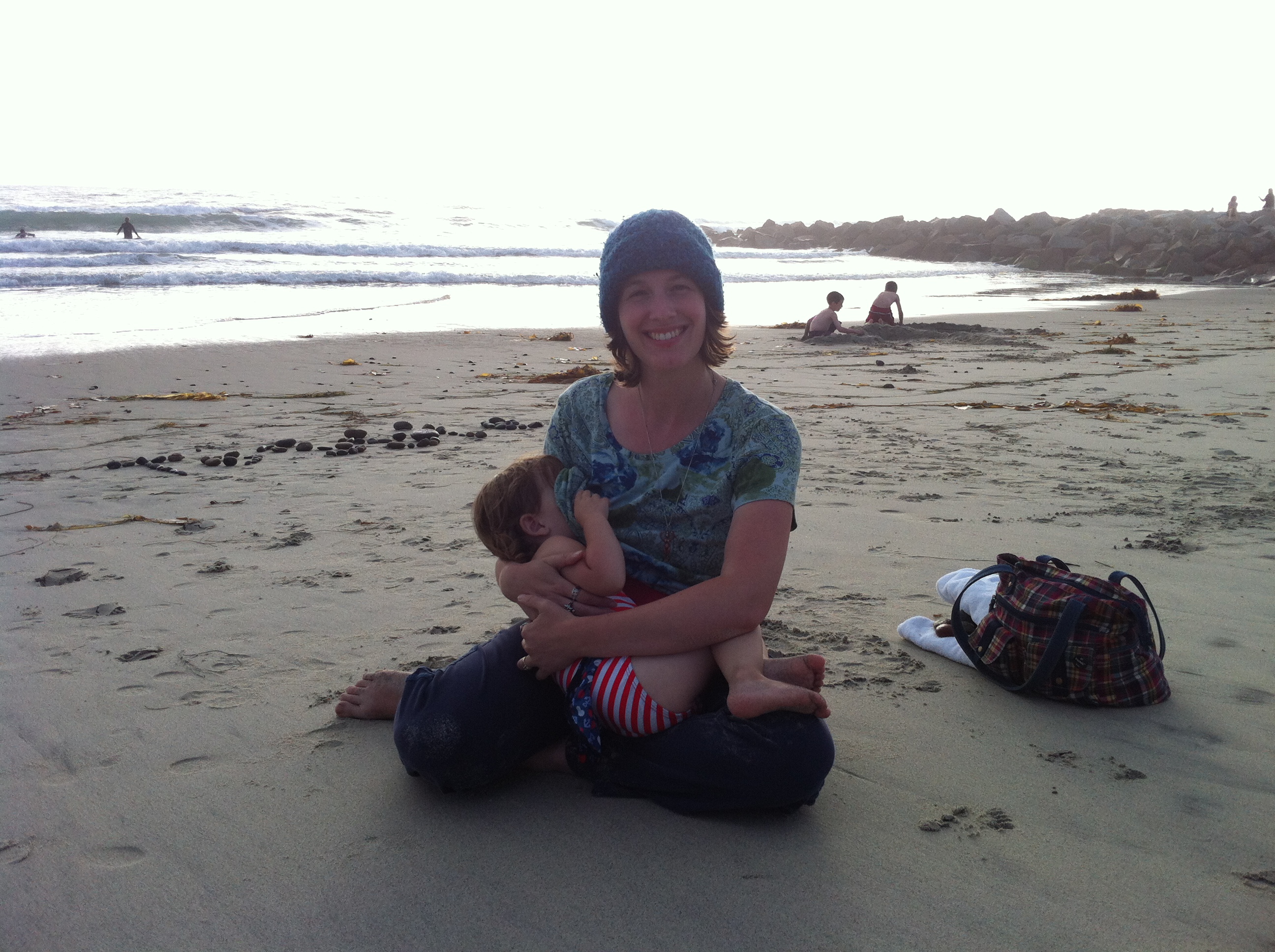
Nursing toddlers at the creek last week. We’re talking about something else, but our faces look like we could be saying: “OMG! Can you *believe* that these things are even issues?!”

Totally.

Thesis Tidbits: Naming and Claiming

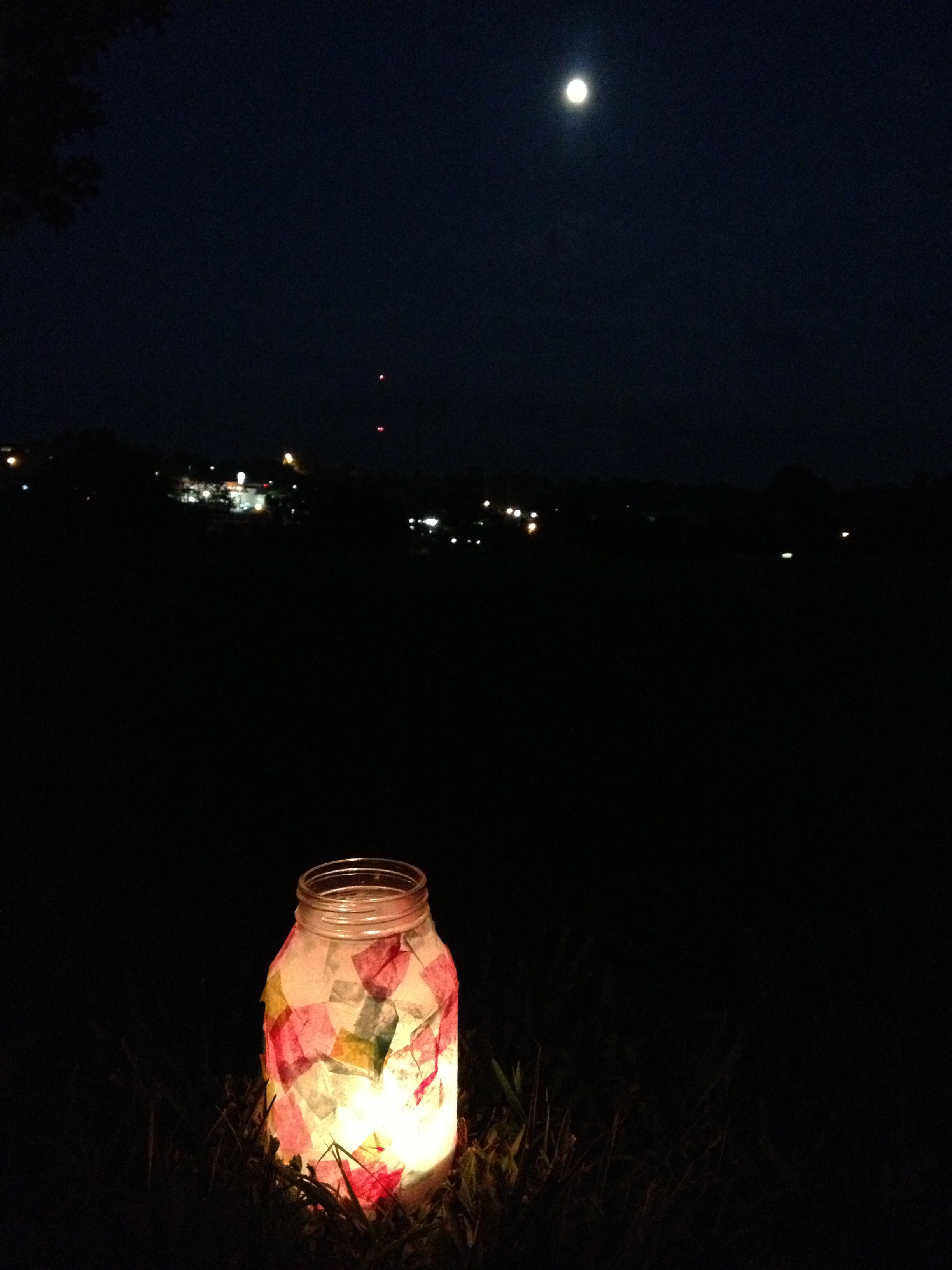
As I mentioned recently, I’m working on my thesis project on the subject of birth as a spiritual experience. Today, instead of my usual August 2013 032Tuesday collection of links, I’m sharing some thought-provoking quotes that I collected while writing the prospectus for my thesis. Pictures in this post are from last night’s Day of Hope and Healing ceremony in Rolla.

The first quote really relates to the whole reason I chose this topic in the first place:

“In this culture…a woman can be made to feel foolish for emphasizing the centrality of giving birth to her identity or her personal religiousness, her ‘womanspirit’” (Listening to Our Bodies, Stephanie Demetrakopoulos, p. 18)

While it is the opposite in my own circle of friends, in the dominant culture, whether given “religious” significance or not, I find this is true: women are made to feel foolish for emphasizing the centrality of birth to her womanspirit, to her life, to her feelings about her capacities as a woman and mother. Women are made to feel foolish for struggling with birth trauma OR for feeling “empowered” by birth. After all, it is just one day. But maybe, just maybe, part of this sensation actually originates in sensitivity to the feelings of other women:

Elizabeth Gray in Sacred Dimensions of Women’s Experience explains:

…this is not the entire story of the ambivalence a woman experiences along the way to claiming the sacredness of her own birthing process. There is the reticence she feels about possibly offending other women by seeming to elevate her own birthing experience. How is one woman to claim her own experience of an ‘easy’ birth when she knows other women labor for days in pain and some women die giving birth? How is she to name as sacred her experience of having babies, when, for whatever reason, other women are childless? How is she to claim her own experience of ‘conscious’ home-birth…,when other women may now regret having been unconscious with medications? Or if you had a ‘bad’ experience giving birth, how are you to name that when women around you are happily anticipating a successful culmination to their Lamaze classes? Women’s naming of much in their own birthing experiences is silenced by the sensitivity to other women’s feelings.

But despite these many reasons for reticence, there is a bonding of women who have given birth. It is deep and silent…a silvery shadowed oath between life and death down which all ‘the birthing mothers on the planet’ have moved, those ‘mothers of all times without whom no one walks this planet.’ Women who have given birth reach out to one another…saying to all those mothers whose birthing experiences were different than hers, ‘Don’t feel badly. ‘Rejoice in the incredible, joyous, astounding fact of creation…Every moment a child is born is a holy moment…’

(Elizabeth Dodson Gray, ed. Sacred Dimensions of Women’s Experience, p. 49-50)

Before this quote, Gray shares that the patriarchal association of birth (and women) with “uncleanliness” continues to impact women August 2013 040today:

“Because of this ancient overlay, it is not easy for women to lay claim to our life-giving power. How are we do reclaim that which has been declared fearful, polluting and yet unimportant? How are women to name as sacred the actual physical birth, which comes with no sacred ritual, while lurking around the corner of time are the long-established meta-physical rituals of circumcision and baptism?” (Elizabeth Dodson Gray p. 49)

Women today are also laboring to birth a healthier, more whole planet and means of being. For many women this begins with how they approach pregnancy and childbirth, how they consciously prepare to the welcome their babies into the world.

It is well past time in human history to push aside male dread and boldly claim the sacred woman-centeredness of every human birth…The wonder at new human life cannot be separated from the sacredness of women’s bodies or women’s lives. We will be involved in a profound betrayal of the gift of life itself as long as individual men and male culture ‘freak out’ before women’s power to give birth…If we cannot affirm women and women’s bodies and women’s birthing and women’s choice, we will go on bringing death to the planet and to ourselves. We cannot affirm life without affirming women. [emphasis mine]

(Elizabeth Dodson Gray, ed. Sacred Dimensions of Women’s Experience, p. 50-51)

And, as I’ve touched on before, birth and breastfeeding are the original sacramental experiences:

“Woman’s body is a transmutation system; it has the power to change blood to milk, to change itself into food which in turn becomes the physical and psychic energy of a child. She is creating an incarnate soul, assisting it in growth.” —Stephanie Demetrakopoulos (Listening to Our Bodies, p. 36)

August 2013 052

(this is my prayer flag this morning when I hung it up at home after the event last night)

August 2013 017

Flowers released on the lake at sunset.


Day of Hope and Healing (Plus Amethyst Network Birthday Giveaway)

A Birth Healing Blessing

Blessed sister, beautiful one
with broken wings.
Your journey is a difficult one…
that no mother should have to endure.
Your path is steep, rocky and slippery
and your tender heart is in need of gentle healing.

Breathe deeply and know that you are loved.
You are not alone,
though at times, you will feel like a
desolate island of grief
untouchable
distant.
Close your eyes.
Seek the wisdom of women who have walked this well-worn path before you,
before,
and before,
and before you yourself were born.
These beautiful ones
with eyes like yours
have shared your pain, and
weathered the storms of loss.

You are not alone (breathe in)
You will go on (breathe out)
Your wings will mend (breathe in)
You are loved (breathe out)
~ Mary Burgess (Mending Invisible Wings)

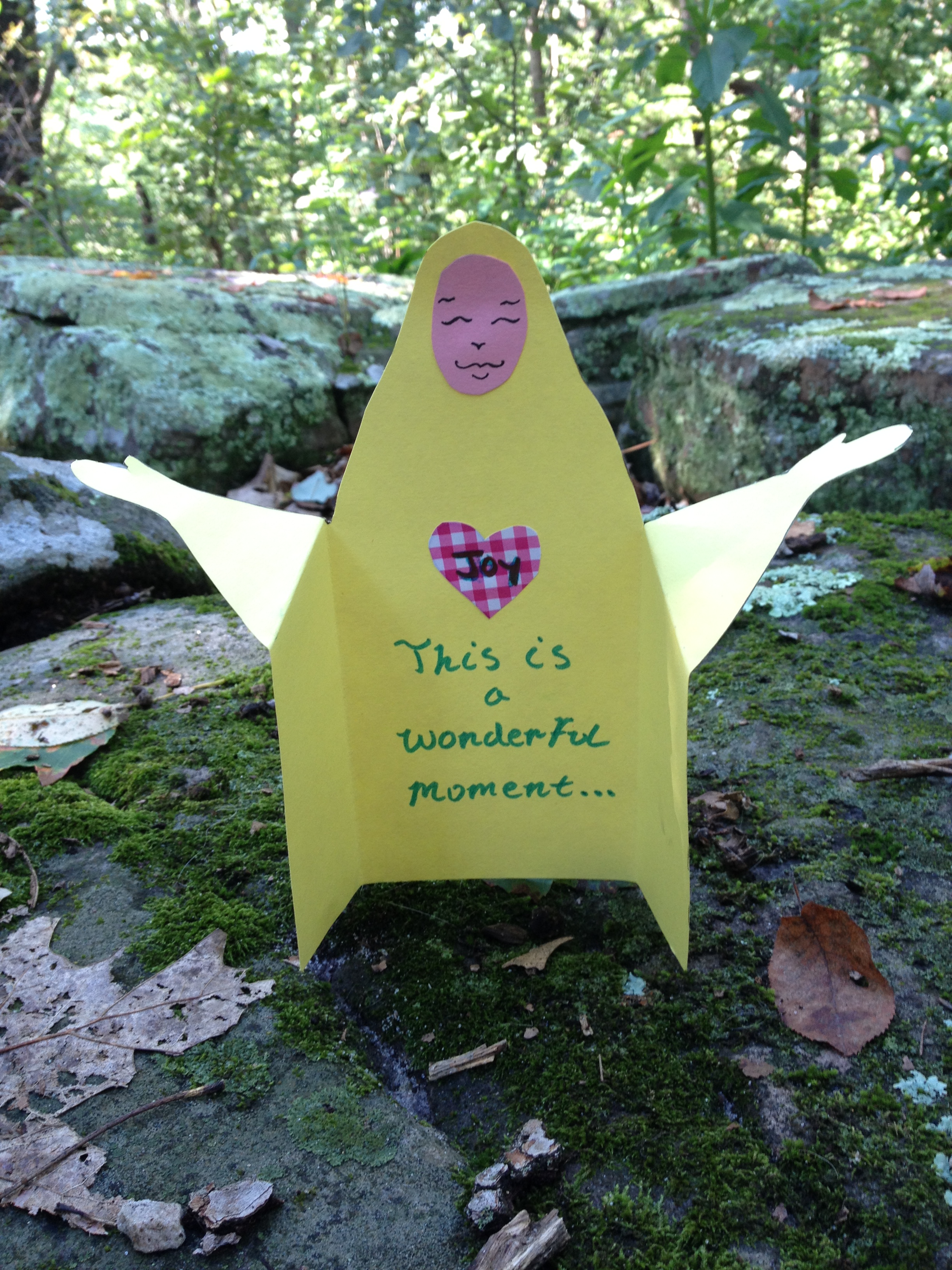
Today is the Day of Hope and Healing, a national remembrance day for families who have experienced miscarriage, stillbirth, infant or child loss. Tonight, one of my friends is having a Day of Hope event for local families. I’m happy to participate and I picked out the poem above to read. I also made a prayer flag as part of the prayer flag project. I included lines from a song that spoke to me deeply during my second miscarriage. I left the mama’s arms unglued so that they can close, open, or wave in the breeze. Unfortunately, the glue I used leaked through, which gives her a “weeping Madonna” quality. I was bugged by it at first and almost didn’t show a picture, but then I decided I actually like it like that!

August 2013 027 August 2013 028

This week is also The Amethyst Network’s third birthday. I helped co-found this organization as a direct result of my own in-the-midst-of-miscarriage-realization about the need for miscarriage doulas in the world, and I’m proud of the resources we’ve collected and the services we offer to women around the country. As TAN posted on our Facebook page:

We hope you’ll join us in celebrating this week by doing random acts of kindness or paying it forward and then coming back here and telling us about what you did. Whether it’s related to your baby’s memory or not, what goes around comes around, and TAN believes in being a force for good in the world. We hope you will join us in celebrating our birthday by giving gifts to those around us.

***Giveaway now closed. Ravenna was the winner!***

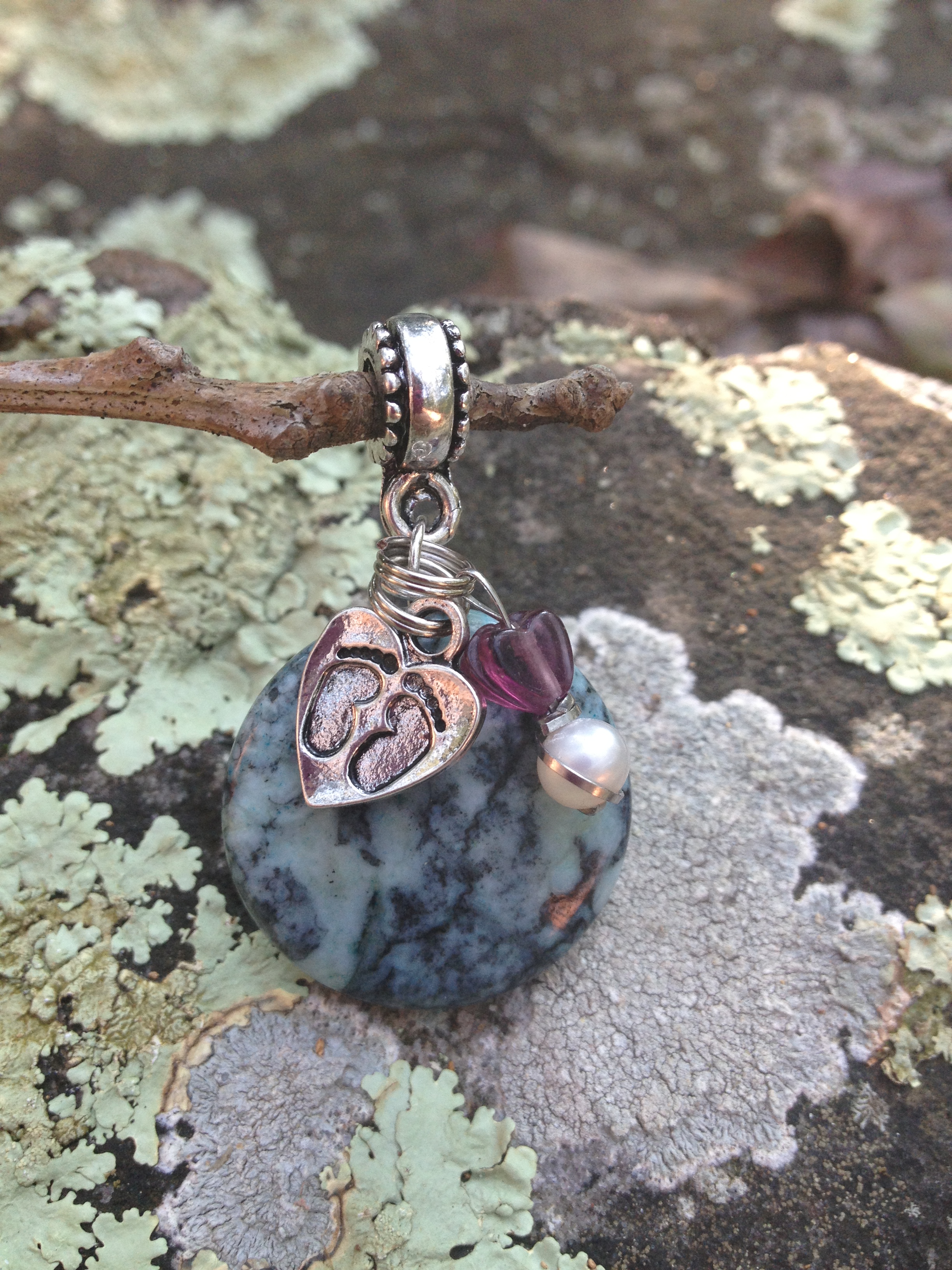
So, I decided to offer a pendant giveaway in honor of TAN’s birthday! (I also reached 500,000 hits last week and I often do a giveaway for things like that, so it is doubly time to do one!) I made this pendant last night specifically for TAN’s birthday. It has a footprints charm like the one that was so meaningful to me, a howlite stone, and also a tiny amethyst heart (and a freshwater pearl). It comes on a simple ribbon, but can easily be taken off and added to your favorite chain instead. You don’t have to do anything fancy to enter, just leave a comment. If you’d like to share The Amethyst Network’s page or website with your Facebook friends or followers, then you can earn a bonus entry! (just make sure to leave another comment telling me you did so)

August 2013 011

(classy twig not included 😉 )

The giveaway will close next Monday night.

I also made a diverse assortment of birth art goddesses last night and I decided to make a miscarriage mama with a footprints charm too. She is purple and is holding an amethyst crystal, in honor of The Amethyst Network’s birthday too! I haven’t decided what to do with her yet…keep her…sell her…do another giveaway…

August 2013 048Here are the rest of the mamas who came to life in my hands last night:

August 2013 043There are some VBAC mamas, a river mama, a laboring mama, a birthing mama, a moon mama, and a loss mama. I’m working on adding them to my etsy shop along with some more new pendants! 🙂

August 2013 020

Other past posts about miscarriage may be found here.

A Mother’s Nest

“Although pregnancy and birth is a richly intuitive and instinctive process, a woman will prepare her ‘nest’ and birth according to the style of her culture, in the same way that a particular species of bird will build its nest with whatever is available.” –Pam England

I am planning a mother blessing ceremony for a good friend in September. In addition to fun plans like a belly cast and henna, she asked for something a little different than our usual “roster” of blessingway activities, in that she wants her friends to prepare a Mother’s Nest for her. We are going to communally decorate a birthing sheet for her bed and bring supplies for a “birth box” to have available during birth and postpartum (i.e. containing raspberry leaf tea, chlorophyll, postpartum pads, paper for placenta prints, outfit for new baby, towels etc. All the supplies you like to have on hand for a homebirth!). And, each guest will bring items to add to her bedroom, so that the whole room becomes a Mother’s Nest of birth power, strength, and support, basically like one huge birth altar!

While it wasn’t a communal process, I did intentionally create a nest for myself for the birth of my last baby. I put a futon on the floor about two feet from the bathroom and double sheeted it with a waterproof sheet in the middle and some chux pads on top. I wanted a nest that allowed me to “crawl to the bathroom” if needed. This is a request I repeated frequently during my pregnancy and it was really important to me. My mom asked, “why would you be crawling to the bathroom? Someone could help you?” and all I could say is, “I want to be able to crawl to the bathroom if I need to!” After my other births resulted in unfortunate and extensive labial tearing, I really, really disliked trying get up and into a regular bed. This time, I wanted a birth nest on the floor that I could roll off of and drop down onto, rather than trying to swing my legs out or lift them up to get in. As it was, I remained in this nest for the first three days after my daughter’s birth. I never crawled to the bathroom, but I could have if I’d needed to, dang it!

In the photo, the gray plastic tub near the futon is my birth box, all packed with labor and postpartum supplies. The cardboard boxes on the floor nearby contain my neonatal resuscitation equipment (before my daughter’s birth I became certified in Neonatal Resuscitation, because I had a fear of the baby not breathing at birth—rather than be frozen by that fear, I decided to do something about it. We then realized that it wasn’t that smart to have the only person who knows how to resuscitate a baby also being the person giving birth to that baby, so I trained my husband and mom how to use the equipment as well). I kept these supplies with my emergency birth plan underneath separate from my birth box, in order to mentally/visually have space between what was “normal” (the birth box) and what was “just in case.” My doppler is also there and some extra chux pads. You can also see my lovely birth altar with my Woman Am I picture on it, watching over my birth nest.

My baby was born into my waiting hands in this very nest, just as I planned. She breathed and cried immediately.

Moments before her birth. You can see the doppler in front of me, because I suddenly got freaked out about needing to listen to her heartbeat. My husband is wearing a hat because it is January and we heat with wood, but were busy having a baby instead of tending a fire!

Moments before her birth. You can see the doppler in front of me, because I suddenly got freaked out about needing to listen to her heartbeat. My husband is wearing a hat because it is January and we heat with wood, but were busy having a baby instead of tending a fire!

I look forward to helping my friend create her mother’s nest. How about you? Do you have any ideas for a Mother’s Nest? Did you build one for yourself? What would you like friends to contribute to a nest for you?
Modified from this post.

Vacation, Final Phase: Pismo Beach

The last phase of our epic California trip was to relax and enjoy our favorite beach on the Central Coast: Pismo Beach. This is the final post (thank goodness!) in my vacation recap series. The others are as follows:

Vacation, Phase 1: Disneyland and California Adventure

Vacation, Phase 2: Himalaya Tourmaline Mine

Vacation, Phase 3: Legoland

Vacation Phase 4: Mamoorials

Vacation, Phase 5: Moonstone Beach

Vacation, Phase 6: Montana De Oro side trip


Pismo is such a familiar setting to us, that I don’t have a lot of narrative to introduce the pictures.

Pismo picture gallery: if a closer view is needed, just click one and then follow through them in slideshow format.

On my cousin’s 21st birthday we went to a steakhouse sort of place called McClintock’s that no one in the group was particularly familiar with. After sitting down, we were horrified to see the cheapest hamburger was $27. And, this was a “family style” dining sort of place, so we ended up spending $50 (for just our own family!) to grab a few greasy onion rings out of other people’s fingers, basically, and for Mark and I to split a mediocre hamburger. Not. Impressed. Luckily, dinner came with dessert—a measly scoop of ice cream or a “dessert liqueur.” Yes, please. I quaffed that Kahlua. The “atmosphere” did not match the prices. If it had been a normally priced hamburger place, perhaps it would have been normal to see cougar paws on the wall and polaroid pictures of various guests, and a gigantic stuffed bison, and waiters pouring water into glasses held on top of people’s heads, but for $27 hamburgers, I would have expected something a little classier (and tastier)! Maybe it was a feature of where I come from? I’m having an epiphany as I type—to ME, from good old mid-America, stuffed bison and greasy onion rings are normal and should be cheap, to coastal dwellers perhaps they are a wild novelty worthy of upscale prices?!?! I remember once being disappointed to go to a Pismo restaurant proudly featuring none other than, “real Kansas City style barbeque!” What the heck? I want clam chowder!

Anyway, I also composed this delightful beach poem:

McClintock’s
House of onion rings
And diarrhea

The next morning my sister-in-law said they had hoped to sneak out before anyone else and scrawl McClintock’s! in huge letters on the sand to greet us on our beach stroll. They didn’t manage to do it, but imagining it was funny enough on its own!

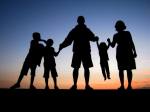
While at Pismo, we also got semi-obsessed with taking silhouette pictures. Some my uncle took with his camera and his more practiced eye. The others we took after he went home and they didn’t turn out quite a clear.

This was quite a trip and a family adventure. It took a lot of stressful planning to pull it off and it also took a lot to keep us going through each phase, but we did it!

We flew out of the small San Luis Obispo airport at 6:00 in the morning. We were right on track getting to our layover in Phoenix and then…after over an hour in the air on the way to St. Louis, the plane began to experience difficulties that made the pilot concerned it was not safe to fly, so we turned around and went back to Phoenix. We could hardly believe it! After we landed, we began to feel lucky, because I overheard some of the flight attendants talking and I think the problems may have been more serious than they’d been letting on. We each got a free lunch voucher and enjoyed a panini and after only a little waiting we got on a new plane and headed to St. Louis, again. We didn’t end up getting home until about 9:00, when we’d expected to be home by 3:00, but we were safe and sound and home. 

It wasn’t until the next morning that we discovered that somewhere between our two trips to Phoenix, the boys had left behind their iPod, the android tablet, and all of our cell phone chargers, headphones, etc. We made a lot of calls and were resigned to being out of luck, when the next afternoon I got a call from Angie, a U. S. Airways baggage department worker in Kansas City who saw my number come up when I Facetime called the ipod trying to locate it. The bag of electronics had been back to Phoenix and then back to St. Louis and then on to Kansas City without the bag being picked up by anyone. So lucky! She FedExed it back to us and the boys had their equipment back in their hands without every fully realizing how lucky they were!

June 2013 002

Tuesday Tidbits: Miscarriage Care

66112_618725968151055_156983473_nFor ages, I’ve had the following quote about miscarriage and doctors saved in my drafts folder:

“The only person who can really tell you what is happening to you is your own doctor, who peers into you with a light and a speculum, who samples your blood or urine, or who presses a sonogram paddle into your belly. If you are in trouble, bleeding, scared, or more depressed than you think you can handle on your own, you must find help. Read and research all you can, but remember that the one-on-one assistance of a real doctor is the only thing that will give you answers that count. If you don’t like or trust your doctor, then find one you can…”

I Will Carry You

I saved it because it bothered me so much to read. One-on-one assistance of a real doctor is the ONLY thing that will give you answers that count?! I disagree so much with this and it saddens me to know that women turn to doctors for support that they are unlikely to be able to provide, particularly if women are looking for compassion. My own ER doctor experience was horrendous and involved quotes like: “this is very common, it is just natural selection” and, “this wouldn’t hurt so much if you would just stay still,” as well as leaving bloody handprints streaked across the bed and blood on the floor (specifically after being told how very disturbed I was by all the blood). In contrast, I was treated with beautiful compassion (and actual, genuine, useful help) by every midwife I talked to. In defense of doctors though, I also went to my own family practice doctor for a follow-up visit and she said one of the best things I heard from anyone, doctor or not: “some women find comfort in knowing that love was all their babies ever knew.” And, before I left, she asked if she could give me a hug. That mattered more and lasted longer than any “advice” that she gave me about possible causes, trying, again, etc.

So, this week, related miscarriage articles and stories started catching my eye, such as this one that touches on the various dehumanizing ways many women are treated in medical care environments:

Rush of blood to my brain. Pounding in my ears. Breathing comes in short bursts. And I’m ushered out into the waiting area where I’m told to go home to wait for it to ‘come away’. And there I find myself, blinking in the sun, shaking like a leaf. So I waited. And waited. One week later the tiny form within still clung on. I saw it in my minds eye, not wanting to let go of me, its mother. Perish the thought. Instead I spent the week overly busy whilst somehow trying to recalibrate a defeated dream and birth date that would never occur. Finally, I just booked in for the D&C, and signed for an “excavation of contents.”

I am a psychotherapist and counsellor. I focus mainly on fertility in all its guises. From pre pregnancy to birth and beyond I am struck as women and their partners endure dehumanising experience after dehumanising experience, just like this one…

via The heartbreak of miscarriage

And, that reminds me of what Ina May said in her Birth Story documentary that the number one rule of maternity care should be Be Nice and she asks us to consider how just those two words could change maternity wards. While not miscarriage-specific, of course The Neighborhood Doula’s status on Facebook tonight jumped out at me:

“We need to treat women tenderly in labor. This may be the first time she has ever been treated that way. She will pass that on to her baby. If mom has a traumatic birth, filled with interventions she may be afraid of her baby. Fear of baby = disempowerment. A new mother should never feel that way. We need to treat dad with tenderness during labor too. If we treat him well, he will treat mom and baby well.”

Wise words from Ina May Gaskin at the 2012 Joyful Birth and Breastfeeding expo, Asheville, NC

Over the weekend, I was touched to see a photo from Stillbirthday on Facebook with a caption that almost made me cry because I think this perspective is SO important:

Supporting Birth Diversity means…

…Honoring that birth can occur, at any point in pregnancy.

The word “birth” is not reserved for full term, neither is it exclusively for live babies.

(Share your photo and what Supporting Birth Diversity means to you.)

And, of course I’ve already shared my thoughts on miscarriage as a birth event: 421806_605009189522733_1988490402_n

“Miscarriages are labor, miscarriages are birth. To consider them less dishonors the woman whose womb has held life, however briefly.” –Kathryn Miller Ridiman

via Miscarriage and Birth | Talk Birth.

I also read several articles about other women’s experiences with miscarriage as a birth event such as this moving exploration of “missing” when your expectation was of carrying:

Instead I was overwhelmed by pain that felt like the worst wrenching of labor, contractions that came so fast I could barely breathe, shaking and numbness in my limbs that finally made me crawl to the phone and call the nurse who told me to get to the ER as fast as we could. I’d never heard stories of the real, raw truth of what it means to miscarry, so I had no idea what to expect.

But just because a death comes early does not mean it is lighter to bear or let go…

on carrying and missing | mothering spirit.

And this article that touches on the birth event concept, as well as issues of guilt and blame, as well as the idea of miscarriage as a rite of passage:
That is why there is no doubt in my mind that any woman – and indeed any family – who goes through a miscarriage should see it as a rite of passage. The more that miscarriage is seen as horrific, as something which somehow could have been preventable, and is therefore blamed on the woman’s health, fitness or diet, the more we are denying ourselves as fallible animals. We are making women responsible somehow for these acts of nature. We are instilling guilt and fear, layer upon layer. The result is a woman, and by extension her family, who no longer trusts her body to do what is right. It must be faulty – it miscarried. Her body was not healthy enough, not experienced enough or somehow not adequately formed to be able to carry the pregnancy to full term.

This is not a healthy attitude to have, and can only result in more negative birth outcomes. One of the reasons I do not have a black tinge around my memories of my son’s birth is that, through it all, I trusted in my body. I did what I could, and although I couldn’t understand WHY it had happened, I came to accept that this time was just not meant to be. I am an animal, and I am fallible. This time I fell into the statistics of 1 in 7 pregnancies failing. There’s really no more to it – no guilt, no shame, no fear for future pregnancies; it’s just not appropriate.

Having gone through this whole process I now feel more of a woman. Yes, really. Not only have I experienced the horror myself, but I have had countless other women suddenly willing to share their own story with me. In a sad way I feel as if I have entered a secret club, something taboo and a bit shameful. I’m not really sure why nobody wants to discuss miscarriage, when it affects so many of us. If it were accepted as a rite of passage for any woman, as much as childbirth itself, I feel we’d all have a more positive outlook on all births, whatever the outcome.

via Guest Post: Miscarriage as a Rite of Passage | The Happy Womb.

I also finished reading a quick book that was offered free on Kindle last week (now back to a regular, reasonable price) and saved these two quotes:

In the days that followed, the bleeding continued. Every time I would see the blood, I couldn’t help but think I was losing my child slowly bit by bit. It wasn’t just ordinary bleeding; it was the end of my baby’s life. It was the end of my dream to become a mom. I was devastated. I felt so lost and alone. Unfortunately, my husband didn’t seem to understand or be able to comfort me. To him, the baby was not even real yet. And since he was actually afraid of becoming a dad, I think in some ways he was relieved that it didn’t work out. In my mind, I had lost a child. Someone important to me had died, and I was grieving. The hard part is that I was grieving alone with no one to share my sorrow. This is often a problem for women who miscarry. You feel so sad and devastated, but many times your friends and family don’t get it. They don’t realize how much love you can feel for a baby you never saw, met or held. You try to turn to those you love for comfort and support, but they have little to offer you during the time when you need someone to lean on the most. It’s not that they don’t want to help or that they don’t care. No one wants to see you sad or hurting. They just don’t understand what you are feeling and the intensity of your emotions. Even the words they say to you can come across as insensitive or hurtful. They often dismiss your grief and trivialize your pain, all the while thinking they are being encouraging and supportive.

(Amazon.com: From Pain to Parenthood: A Journey Through Miscarriage to Adoption eBook: Deanna Kahler: Kindle Store)

The author also touches on the depth of the grief following miscarriage and how very, very real it is (I’ve written before that one of the things I kept saying to my parents when they came to my house following Noah’s miscarriage-birth was, “this was real. I want you to know it was real.” (I honestly think I didn’t think miscarriages were “real” before, in the sense that I categorized them as something other than birth or death.)

According to The Women’s Encyclopedia of Health and Emotional Healing, “the length of the pregnancy is not as significant as how emotionally linked a woman feels to her baby.” The book goes on to say that if you felt your child was real very early in the pregnancy, then you may experience as much grief as someone who has lost a newborn. If the love for your unborn child was already there, you will be heart-broken and devastated. Your loss can affect you in many different ways, some emotional and some physical. You may notice muscle tension, have trouble sleeping, have difficulty concentrating, suffer from frequent headaches, cry a lot or even notice unusual sensations in your body.

(Amazon.com: From Pain to Parenthood: A Journey Through Miscarriage to Adoption eBook: Deanna Kahler: Kindle Store)

And, these quotes made me remember a brief post from The Amethyst Network regarding early losses and the validity of feelings:

I felt very conflicted over this. I HAD grieved before, but if I was grieving over not-an-actual-miscarriage then did it count? If my loss wasn’t actually a loss, then was my grief valid?

I was talking with a friend (who happens to also be involved with TAN) and explained to her how I was feeling confused and upset over this. She taught me something important.
“You grieved” she said. “It doesn’t matter whether the physical experience was a miscarriage or not, because the grief was real, you experienced the emotional process, and that is valid.”

And so I would say to all mothers who have had an early loss, or a loss that they felt in their gut even though there was no proof. Your feelings–no matter what they are–are valid feelings. We each have different experiences, and we each have different feelings. But what you feel is legitimate, regardless of the circumstances.

Did It Count?

995401_615271668496485_1504558296_n

(and, really, there is no “shame” in not acknowledging how it changes us either, the shame rests in the lack of acknowledgment from so many around us)

This last photo (for some reason it refuses to let me caption it?!) is of some “hope” baubles created by members of the Rainbow Group (local loss support group) at our recent MamaFest event (more about this soon, I hope!).

August 2013 028

Wednesday Tidbits: World Breastfeeding Week!

wbw2

Today is the last day of World Breastfeeding Week and I fully intended to create a link-full Tuesday Tidbits post about this yesterday. However, I was busy helping actual breastfeeding mothers at my monthly LLL meeting and then came home and worked on my handout and project preparations for our second annual MamaFest event this Saturday. I then had a faculty meeting while Mark took Lann to tae kwon do and went grocery shopping with the other kids and by the time I had a few minutes to spare again, it was 11:00 at night and I figured I might as well forgo Tuesday Tidbitting and just watch Teen Wolf instead! 😉 For MamaFest, I’ve been getting together handouts, a trivia game, and pins for prizes for my La Leche League booth, birth art supplies and display items and birth education handouts for the Rolla Birth Network/Talk Birth/birth art booth, and miscarriage/stillbirth handouts for the Rainbow Group loss support table. I’ve toyed with various projects for my birth art booth and finally came up with something that feels perfect—birth or motherhood affirmation/blessing cards!

August 2013 042August 2013 046

August 2013 052

I got better at them the more I made. This one has a pocket with other little affirmation cards in it. I also started to experiment with painting on little glass “stones” to go in the pocket too. I need glass paint markers really though and I quickly ordered some, but they won’t make it in time for MamaFest.

For ideas for affirmations for them, I’m bringing along several books, including:

25 Ways to Joy & Inner Peace for Mothers

25 Ways to Awaken Your Birth Power

World Breastfeeding Week often seems like an occasion during which the media perceives non-breastfeeding mothers as being “discriminated” against somehow, and some women seem to take the occasion personally—like its very existence is a personal criticism. This article about the “I Support You” initiative is good in theory, but I sense in it the suggestion that WBW is specifically trying to make non-breastfeeding mothers “feel bad” and I did not appreciate the loads and loads of comments on the article that reference “La Leche Nazis”—particularly because said “Nazis” apparently visit mothers in the hospital to critique their mothering and I seriously doubt that any of the experiences shared in the comments were actually with LLL Leaders (who I have never been known to go to a hospital room uninvited and try to make mothers breastfeed. That isn’t part of our job at all. The commenters were probably dealing with whichever nurse is assigned to lactation, trained or otherwise).

I plan for my message to say: “To all those mothers who’ve learned the difference between the mother you think you will be and the one you actually are — I Support You.”

via I Support You: The Conversation We Should Be Having About Breastfeeding And Formula.

A related article that also has some great insights and thoughtful content (but for which, again, I feel breastfeeding advocacy is misconstrued):

Three billion things can go wrong when you breastfeed. But even with a bad latch, tongue tie, thrush, a clogged duct, and a crazy oversupply, I still think that nursing this little boy is the most amazing magic that I’ve ever felt in my life. I am the only thing that is keeping my child alive right now. You’re damn right that’s a superpower. When my breasts are engorged and I’m in pain, or when I swoop in to a room and soothe my screaming baby with my body, I want to shout it from the rafters, just like all of you did. This time, my breasts make milk. That is my superpower. And yet I have seen that breastfeeding moms get tested too: the nasty stares, the mean comments, the endless questioning that makes you doubt yourself: “Are you sure he’s getting enough? He’d sleep longer if he took a bottle. He’ll never be independent if he’s attached to you all the time.” The Mommy Wars have fueled the embers of fear and failure on both ends of the feeding spectrum. The simple act of feeding your child now comes with having to defend your choices.

via Milk Drunk | Kim Simon.

The underlying message of these articles, however, as well as that of World Breastfeeding Week itself, is really about the value of community support for mothers. The whole “village” and “tribe” concept. When I hear mothers describing attempts to breastfeed, I hear mothers with broken hearts as well as many stories involving broken circles of support:

I am a systems thinker and always hold in mind that breastfeeding, like all aspects of women’s lives, occurs in a context, a context that involves a variety of “circles of support” or lack thereof. Women don’t “fail” at breastfeeding because of personal flaws, society fails breastfeeding women and their babies every day through things like minimal maternity leave, no pumping rooms in workplaces, formula advertising and “gifts” in hospitals, formula company sponsorship of research and materials for doctors, the sexualization of breasts and objectification of women’s bodies, and so on and so forth. According to Milk, Money, and Madness (1995), “…infant formula sales comprise up to 50% of the total profits of Abbott Labs, an enormous pharmaceutical concern.” (p. 164) And the US government is the largest buyer of formula, paying for approximately 50% of all formula sold in the nation…

via Breastfeeding as an Ecofeminist Issue | Talk Birth.

Giving Birth with Confidence also wrote about the role of the breastfeeding village:

You’ve probably heard “it takes a village” when it comes to parenting and raising children. And it’s true — surrounding yourself with supportive family, friends, and professional and online resources goes a long way in making your parenting experience a better one. But what about a “village” for breastfeeding? Breastfeeding can be (and often is) a wonderful experience. It also can be trying, challenging, and hard work. Creating access to a network of people and resources who support breastfeeding will help you in times of need, provide a sounding board for your thoughts, and celebrate with your triumphs.

via World Breastfeeding Week: Creating Your Village — Giving Birth with Confidence.

And, so did Brain, Child magazine:

For breastfeeding advocates, then, your best shot at influencing other mothers to breastfeed is when you’re nursing yourself—and talking it up to your pals, especially if you’re central in your network, which gives you what social scientists call high “transitivity.” And, it stands to reason, that even if you’re not a breastfeeding advocate—even if you don’t even know what colostrum is—you can still be affected by the changing norms. Once your friends breastfeed in front of you, chances are excellent that witnessing a two-year-old lift up her mother’s shirt to nurse at a park just isn’t worthy of a second thought, much less a flinch. Like in the obesity study where friends of friends were shown to convey habits, you’ve become “tolerant.”

via The Village | Brain, Child Magazine.

Reading these articles made me think of the classic article by Teresa Pitman, originally in Mothering magazine (I think). I think this article is responsible for the introduction of the word “tribe” into the natural mothering lexicon as it is currently used (but, maybe it was The Continuum Concept, which is what Pitman references in her article. I know for me, it was Pitman’s article that first introduced me to the notion of a “tribe” and the fact that I needed one!). I was excited to hear her speak on the subject in person at the La Leche League International conference in Chicago in 2007.

I realized that we had formed our own, very small tribe. Spending our days together satisfied our need for adult companionship without separation from our babies, and working together made all the chores — even cleaning disgusting stuff out of the bottom of the fridge — more fun.

Eventually our husbands both found work in other communities, and our daily time together came to an end. But I had seen how important this kind of relationship is for me, and I deliberately tried to recreate it with other friends.

Not long after Vicki and her family moved, I was at a church picnic when I saw Lorna for the first time. She and her family had just arrived in our community. Something about the way she held her baby was familiar to me, and I went up and introduced myself.

She, too, was looking for a tribe, as she had recently moved away from her family. Soon my new friend Lorna and I got together every Thursday to bake bread (and sometimes other foods) for our families for the week. She had a bigger house and roomier kitchen, so we generally went there. We split the cost of the ingredients, and as our children played together (by then, I had three children and Lorna had six), we kneaded and shaped the dough. While the bread was rising, we talked and tended to other tasks. I often brought a basket of things that needed mending, so we could work together while we were waiting.

We were there when she miscarried her seventh baby, and she tended to my older children while I was giving birth to my fourth. I still think of Thursday as baking day, even though Lorna now lives hundreds of miles away.

My children are almost grown, but I still work with parents. The theme of loneliness is as strong and prevalent as it was when I sat crying on my bed with my new baby, wondering how I’d cope with no one to talk to. Certainly the desire to overcome isolation is one of the reasons why women return to work; it’s a need easily understood by those of us who opt to stay home with our children.

We truly are social animals; we need to be with other people to feel good, whole, and happy. It’s worth the effort to create tribes, however small and imperfect they may be.

via Finding Your Tribe – by Teresa Pitman.

I was also reminded of my own past thoughts about surviving postpartum:

“In western society, the baby gets attention while the mother is given lectures. Pregnancy is considered an illness; once the ‘illness’ is over, interest in her wanes. Mothers in ‘civilized’ countries often have no or very little help with a new baby. Women tend to be home alone to fend for themselves and the children. They are typically isolated socially & expected to complete their usual chores…while being the sole person to care for the infant…” –Milk, Money, & Madness

via Postpartum Survival Tips | Talk Birth.

And, I thought about the role that a tribe—or lack of one—plays in “lactation failure,” that may be falsely attributed to biology OR to evil “La Leche Nazis” assaulting unsuspecting women in hospital rooms with steaming piles of dogma doo.

I’ve remained firmly convinced for, like, ever, that it is culture that fails mothers and babies and not women’s bodies that fail. And, I truly wonder if it is ever possible (except for in cases of insufficient glandular tissue, metabolic disorders, breast surgery/removal, and clear physical malformations) to really tease apart whether a mother is actually experiencing lactation failure or sociocultural failure. I remain fairly convinced that in many cases it is impossible to know—but, that a mother (or physician) may certainly experience it as “lactation failure” and thus add that data point to the 1%. I have long maintained that a lot of people forget that breastfeeding occurs in a context and that context doesn’t necessarily support breastfeeding. However, I do also know from years of experience that motherbaby physiology can lead to problems too and we often overlook that in assertions about breastfeeding.

via Preventing Culturally Induced Lactation Failure | Talk Birth.

The idea of the “I Support You” campaign, with its “unbiased” subtext, also caused me to take another look at some past thoughts about “bias” and breastfeeding:

While I very much appreciate this observation and reminder, we also absolutely need to remember that biased means to exhibit “unfair prejudice”–it simply IS NOT “biased” to support breastfeeding as the biological norm and most appropriate food for babies. I was very concerned to read the comments on the post from other educators talking about their own “biases” toward physiologic birth or breastfeeding and how carefully they guard against exhibiting any such bias in their classes. Hold on! Remember that the burden of proof rests on those who promote an intervention—birth educators and breastfeeding educators should not be in a position of having to “prove” or “justify” the biological norm of unmedicated births or breastfed babies. I hate to see birth instructors being cautioned to avoid being “biased” in teaching about breastfeeding or birth, because in avoiding the appearance of bias they’d be lying to mothers. You can’t “balance” two things that are NOT equal and it is irresponsible to try out of a misplaced intention not to appeared biased. So, while I appreciate some of this educator’s points, I do think she’s off the mark in her fear/guilt and her acceptance of the word “bias.” The very fact that making a statement that someone has a bias toward breastfeeding can be accepted as a reasonable critique is indicative of how very deeply the problem goes and how systemic of an issue it is. If I say that drinking plenty of water is a good idea and is healthier for your body than drinking other liquids, no one ever accuses me of having a “bias towards water.” Breastfeeding should be no different. But, as we all know, breastfeeding occurs in a social, cultural, political, and economic context, one that all too often does not value, support, or understand the process…

via A Bias Toward Breastfeeding? | Talk Birth.

And, along these same lines, I saw a great quote from one of my midwife Facebook friends:

“Being an advocate for breastfeeding as the biological norm, healthiest and safest mode of feeding for most mothers and children is just that. It is meant to inform, enthuse, support, save lives, normalize the act. It is not meant as a slight or condemnation of non-breastfeeding mothers. Individually women breastfeed or not for a whole host of reasons. That is reality. That fact is respected and in no way is judgmental. Acknowledging the individual diversity does not change what breastfeeding is and why we need to continue to advocate for it around the world.” Desirre Andrews, CPM, RM

Exactly!

Speaking of my smart Facebook friends, I enjoyed reading a personal post from an IBCLC friend about why she didn’t celebrate WBW this month:

I think I’ve closed the “breastfeeding mother” chapter of my life, content instead to serve other breastfeeding mothers the best I know how. This is a big shift for me, since I’ve never approached breastfeeding support other than from the perspective of a mother who is also “walking the walk.” Am I “over” breastfeeding? The truth is, today, I’m ambivalent about it. My celebration of World Breastfeeding Week will always be welcome—I will never not be a supporter or an advocate, but a decade is a long time to do something, to do anything. A decade is a long time to be a breastfeeding mother; to not be one anymore, without ceremony or the closure that a more formal ending might offer, leaves me a bit unsettled.

via Why I didn’t celebrate World Breastfeeding Week this year | normal, like breathing.

IMG_7716

This small but mighty little girl still really, really, really likes to “nonny.”

Reading this made me reflect on my own breastfeeding journey and the toddler point at which I am with my own (likely) final nursling. I’ve wondered a lot if and when this chapter of my life will close in terms of working with other breastfeeding mothers. It is still very much my current reality, so it is hard to assess. What I do know is that when I go to LLL conferences and I see women who have been Leaders for 30 years, I think…that is my future. And, I leave with the distinct impression that I’m a lifer. However, a couple of years ago I might have said the same about birth work and now when I see pictures from my pregnancies, read some of my own writing, or look at some of the childbirth education supplies I’ve amassed over the years it all feels very far away now.

But, returning to the idea of support and tribes and breastfeeding women and I Support You to mothers of all kinds in their mothering journeys (which I DO absolutely believe in!), I also thought again of this:

This month as I sat in the circle at our mother-to-mother breastfeeding support group meeting, I looked around at all the beautiful mothers in that room. I reflected on each of their journeys and how much each one has been through in her life, to come to this time and this place, and tears filled my eyes. They are all so amazing. And, my simple, fervent prayer for them in that moment was that they could know that. Know that on a deep, incontrovertible level. I tried to tell them then, in that moment. How much they mean to me, how incredible they are, how I see them. How I hope they will celebrate their own capacities and marvel at their own skills. How I see their countless, beautiful, unrecognized, invisible motherful actions. How when I see them struggling in the door with toddlers and diaper bags and organic produce that they’re sharing with each other, I see heroines. They may look and feel “mundane” from the outside, but from where I’m sitting, they shine with a power and potency that takes my breath away. Moderating toddler disputes over swordplay, wiping noses, changing diapers, soothing tears, murmuring words, moving baby from breast to shoulder to floor and back to breast without even seeming consciously aware of how gorgeously they are both parenting and personing in that very moment, speaking their truths, offering what they have to give, reaching out to one another, and nursing, nursing, nursing. Giving their bodies over to their babies again and again in a tender, invisible majesty. In this room is a symphony of sustenance. An embodied maternal dance of being.

via International Women’s Day: Prayer for Mothers | Talk Birth.

August 2013 045

Stopped for some sandy nonnies.

Last year’s World Breastfeeding Week Post Round Up | Talk Birth.

Birth as a Spiritual Experience (Thesis Project)

Here is your sacrament MR_089
Take. Eat. this is my body
this is real milk, thin, sweet, bluish,
which I give for the life of the world…
Here is your bread of life.
Here is the blood by which you live in me.”
–Robin Morgan (in Life Prayers, p. 148)

“…When I say painless, please understand, I don’t mean you will not feel anything. What you will feel is a lot of pressure; you will feel the might of creation move through you…” – Giuditta Tornetta in Painless Childbirth

“I am the holy mother; . . . She is not so far from me. And perhaps She is not so very distinct from me, either. I am her child, born in Her, living and moving in Her, perhaps at death to be birthed into yet some other new life, still living and having my being in Her. But while on this earth She and I share the act of creation, of being, and Motherhood.”Niki Whiting, “On Being a Holy Mother” in Whedon

“Woman-to-woman help through the rites of passage that are important in every birth has significance not only for the individuals directly involved, but for the whole community. The task in which the women are engaged is political. It forms the warp and weft of society.” –Sheila Kitzinger

In 2011, I started working on my doctoral degree in women’s spirituality/thealogy (Goddess studies). Before I even began my first class, I chose my dissertation subject: birth as a spiritual experience. I’ve been steadily plugging away on my coursework and somehow in the midst of everything else that I am responsible for, I’ve successfully completed 13 of my classes. I already have a (not related) master’s degree and this is why I was admitted straight into the doctoral program, even though I have to complete a lot of M.Div (master’s of divinity) level coursework as prerequisites to the actual doctoral classes. After I finished my most recent class and got my updated transcript, I finally actually noticed how many M.Div classes I’ve completed thus far on my journey and it occurred to me to email to inquire what it would take to finish an M.Div degree first. I had this sudden feeling of what a nice stepping stone or milestone experience it would be to finish something, since I know that I have a minimum of three more years remaining before I complete the D.Min! They wrote back quickly and let me know that with the completion of three courses in matriarchal myth (I’m halfway through the first right now), my almost-completed year-long class in Compassion (I’m in month 11), and The Role of the Priestess course (involving three ten-page papers), all of which are also part of my doctoral program, the only other thing required for successful completion of my M.Div would be a thesis (minimum of 70 pages).

As I’ve been working through my classes, I’ve felt a gradual shift in what I want to focus on for my dissertation, and I already decided to switch to writing about theapoetics and ecopsychology now, rather than strictly about birth. I was planning to mash my previous ideas about birth and a “thealogy of the body” into this new topic somehow, perhaps: theapoetics, ecopsychology, and embodied thealogy. Then, when I got the news about the option of writing a thesis and finishing my M.Div, it became clear to me: my thesis subject is birth as a spiritual experience! This allows me to use the ideas and information I’d already been collecting as dissertation “seeds” as a thesis instead and frees me up to explore and develop my more original ideas about theapoetics for my dissertation! (This is the primary subject of my other blog.) So…why post about this now? Well, one because I’m super excited about all this and just wanted to share and two, because I’d love to hear from readers about their experiences with birth as a spiritual experience! While I don’t have to do the kind of independent research for a thesis that I will be doing for my dissertation and while my focus is unabashedly situated within a feminist context and a thealogical orientation, I would love to be informed by a diverse chorus of voices regarding this topic so that the project becomes an interfaith dialog. Luckily for me I’ve already reviewed a series of relevant titles.

Now, I’d like to hear from you. What are your experiences with the spirituality of birth? Do you consider birth to be a spiritual experience? Did you have any spiritual revelations or encounters during your births or any other events along your reproductive timeline? (miscarriage, menstruation, lactation…) Did you draw upon spiritual coping measures or resources as you labored and gave birth? Did giving birth deepen, expand, or otherwise impact your sense of spirituality or your sense of yourself as a spiritual or religious person? Did any of your reproductive experiences open your understanding of spirituality in a way that you had not previously experienced or reveal beliefs or understandings not previously uncovered?

When I use the word “spiritual,” I mean a range of experiences from a humanistic sensation of being linked to women around the world from all times and spaces while giving birth, to a “generic” sense of feeling the “might of creation” move through you, to a sense of non-specifically-labeled powers of Life and Universe being spun into being through your body, to feeling like a “birth goddess” as you pushed out your baby, to more traditional religious expressions of praying during labor, or drawing upon scripture as a coping measure, or feeling that giving birth brought you closer to the God of your understanding/religion, or, indeed, meeting God/dess or Divinity during labor and birth).  I’m particularly interested in women’s embodied experiences of creation and whether or not your previous religious beliefs or spiritual understandings in life affirmed, acknowledged, or encouraged your body and bodily experience of giving birth as sacred and valuable as well as your own sense of yourself as spiritually connected or supported while giving birth. I would appreciate links to birth stories or articles that you found helpful, books you enjoyed or connected with, and comments relating to your own personal experiences with any of the comments or questions I have raised above. I would love to hear about your thoughts as they relate to:

  • Pregnancy IMG_0225
  • Labor
  • Birthing
  • Lactation
  • Miscarriage
  • Infertility
  • Menstruation
  • Reproductive Rights
  • Birth as a feminist or social justice issue…

 Thank you!

With these things said, I also want to mention that I’m planning to redirect a lot of my writing energy/time into this thesis project rather than to blog posts. I’m trying to come up with a blog posting schedule for myself, but in order to actually do this thing, I must acknowledge that I have to re-prioritize some things and that means writing for my blogs probably needs to slip down a couple of notches in terms of priority of focus.

Oh, and I also hope this thesis project will turn into a book of some kind as well! 🙂

“It is hard to find a female-based concept such as Shakti alive within Western spiritual traditions. Shakti could be viewed as an expression of goddess in the female body at the time of birth. I would say its flow / expression and outcome of love is hindered by unnecessary interventions at birth which divert such energy towards fear- based, masculine forms. The use of masculine, rescue-based healing forms such as cutting (Grahn, 1993) can be necessary and useful, yet such procedures are currently used at the cost of women’s autonomy in the birthing process (see Jordan on C-section, 2007), and define the parameters of what feminist thinker Mary Daly called patriarchal medicine (1978). Modern women are largely lost when it comes to giving birth, turning to medical authority figures to be told what to do. Daly pointed to the dangers of this appropriation for women’s personal and collective autonomy.

Birthing bodies resist, disrupt and threaten standard North American modernist investments in linear time, rationality, order, and objectivity. Birth disrupts the Judeo-Christian male image of God, even as He hides the reality of female creation and creativity. I hold that women giving birth act from a focal point of power within their respective cultures and locations, the power to generate and renew human life itself from within the female body. This power is more absolute in its human reality then any other culturally sanctioned act of replication and material production, or social construction. I speculate that how this female power is expressed, denied, or acknowledged by women and within the society around a birthing woman reflects the degree to which women can and may express themselves at large. As each soul makes the journey through her/his mother, re-centring human consciousness within the female-based reality of human birth causes transformation of patriarchal consciousness as a whole…” –Nane Jordan, Towards an Ontology of Women Giving Birth

Vacation, Phase 6: Montana De Oro side trip

You might think that after our Moonstone Beach expedition, we’d be ready to rest at Pismo Beach and count our shiny stones, but we decided to head out for another side trip to one of the coolest places along California’s Central Coast: Montana De Oro state park.

We all have happy memories from past visits to this rocky coastline, which is less than an hour from Pismo. This time, however, there was some kind of ferocious windstorm going on and we froze and were whipped with sand. It was actually kind of awful and while we tried to recapture earlier good times, instead we finally had to confess we were suffering and wanted to leave ASAP. I didn’t get very good pictures either, but I did get several. It is amazing terrain there as well. I sure love rocks! After Montana De Oro, we took another quick detour by Spooner’s Cove, which while still experiencing some excess wind, was more sheltered. The boys played in the surf and on the rocks and Mark, Alaina, and I looked for…rocks. Yep, more of them.

Picture gallery: if a closer view is needed, just click one and then follow through them in slideshow format.

In case anyone is tiring of these seemingly endless vacation posts, know that I’m almost done—just the pix from Pismo to come. I write blog posts for various reasons and one of them is for my own family/memory banks. This series of vacation posts is, for me, in lieu of printing the pix for a scrapbook! 🙂