The Chocolate Chip Diet

July 2015 086My students often express disbelief that my well-worn, purple “Birth Matters” metal water bottle contains only water. I don’t ever drink anything with caffeine in it and people often marvel at my level of energy and my ability to get things done, while still also getting plenty of sleep every night. While I don’t drink caffeine, I have had a little secret: chocolate chips. For about three years or so, at around 3:00 in the afternoon I start feeling the urge for a little pick-me-up and find myself with my hand in the kitchen cupboard collecting a handful of chocolate chips for a little snack. Not just any chocolate chips either, but delicious, dark chocolate, 60% cacao, bittersweet Ghirardelli chocolate chips. In talking to other mothers of young children, I came to realize that I’m not alone in my chocolate chip habit and that it may be a common, secret way of getting a caffeine boost without drinking coffee or tea. (I also learned that feeling a need for sugar at around 3:00 in the afternoon may be an indicator of adrenal fatigue.)

Additionally, after eating oatmeal for breakfast every day for my entire parenting career, at some point I also learned I could dramatically up-level the awesomeness of my morning oatmeal by adding chocolate chips to it as well. Rather than being solely a bowl of oatmeal, my morning oatmeal became an experience. Homemade vanilla, bittersweet chocolate chips, coconut oil, and pecans really kick it up a notch!

In additional to my chocolate chip habit, here are two other things about me: I’ve never been on a diet and I’ve always been relatively happy with my body. About six weeks ago, I realized that I seemed to be hanging on to 10 extra pounds of pregnancy weight and it was starting to bother me. I started out my pregnancy with Tanner about 10 pounds over where I would have liked to be and I’ve been feeling a little “pudgy” or doughier than I’m used to feeling. I decided that I wasn’t interested in limiting what I eat, but that perhaps, just perhaps, the handfuls of chocolate chips per day could go. I stopped eating them in my oatmeal (switching to just vanilla, cinnamon, and brown sugar) and in the afternoon and…what do you know? Last week I reached my pre-pregnancy weight. That’s right. I went on a chocolate-chip diet and lost ten pounds in a little more than a month! 😉

Okay, so this “diet” could be pure coincidence. I also stopped eating dairy fairly recently because I’ve been struggling with discoid eczema on my arms and legs as well as the scalp psoriasis that I’ve dealt with for 20 years (and that a little voice inside me kept saying would get better if I would stop eating dairy). I’ve also kept up an awesome core yoga practice since the spring equinox that has done a really marvelous job of toning up my “mummy tummy.” Also, Tanner is nine months old now and I usually do hit my pre-pregnancy weight right around nine months. However, the connection between no chocolate chips and the magical disappearance of ten pounds seems like a possibility…

(I also learned how to make these awesome buttermints and make them every week, with lots of cocoa powder in them…)

Talk Books: Touching Bellies, Touching Lives

touchingbelliesEvery so often I end up reading a book that is nothing like I was expecting and yet is totally amazing. Touching Bellies, Touching Lives is one of those books. Subtitled “Midwives of Southern Mexico Tell Their Stories,” I was expecting a collection of birth stories from Mexican midwives. While there are birth stories, and everyone knows that I love birth stories, this book is so much more than a birth story collection. It is a personal pilgrimage, a preservation of the legacy of midwives, an examination of cultural birth practices, and a sobering first-hand account of the declining culture of traditional midwifery in Mexico. Many people may have the misconception that in Mexico or other South American cultures, midwifery is commonplace and maybe even flourishing. In Touching Bellies, we come to understand that Western medical practices are encroaching at a steady pace and that many midwives are elderly, retiring, and not being replaced. A steady theme runs throughout of women going to midwives for “belly massage,” but going to “modern” facilities to have their babies (unfortunately, they’ve imported some U.S. 1950’s-style practices in terms of birth position, birthing alone with no husbands allowed, and being treated dismissively in labor. This is along with a cesarean rate over 40% and up to 70% much in some cities).

The author, Judy Gabriel, takes multiple trips to Mexico on her quest to document the lives and stories of Mexican midwives (most of whom are age 65 and many of whom do not live to see the end of the book). She photographs the midwives and, with some hurdles with language barriers, listens to their stories–asking about the first birth they attended as well as any births that were problematic for them. She returns to them bearing hearing aids, dresses, and photos of family members from the United States. She travels through rough terrain and to distant villages on her quest to listen and learn from these midwives. I was completely absorbed by Judy’s dedication to her mission and her personal insights and life lessons as she travels and learns.

The “belly massage” practice for which Touching Bellies gains its title was endlessly fascinating to me (and to Judy, the author) with midwives regularly helping position the baby, release tight muscles, and ease aches and pains through a gentle process of abdominal massage and fetal manipulation. This aspect of midwifery care was so pervasive that when Judy would ask in a village where the midwives are, many people would not understand and say that they don’t know what she is talking about. When she asks for the woman who massages the bellies of pregnant women, everyone knows where to tell her to go.

In this quote, a 75-year-old midwife tells the story of helping a woman who is in premature labor. The doctors have tried to stop her contractions without avail and now say she must have a cesarean and the baby will most likely die:

“…The mother-in-law said, ‘This woman knows more than you doctors. You may have gone to the university, but, excuse me, for you doctors it is always puro cuchillo, puro cuchillo [just knives, just knives]. Leave the midwife to work in peace, and you’ll see what can be done without knives.’

So I did my work. I rocked the girl in a rebozo and massaged her belly, moving the baby up. The contractions stopped.

The doctors asked, ‘How did you do that?’

I said, ‘You were standing right there watching. I did it in front of you. I’m not hiding anything. You saw me rock her; you saw me massage her.’

‘Is that all you had to do?” they asked.

I said, ‘Yes, that’s all I had to do. What else would I have to do?’

(The baby survived and was born at full-term six weeks later.)

The dedicated care for women, in touching their bellies, touches their lives. Almost all of the midwives in the book have access to nurturing touch and almost no other resources available and yet almost all of them report never losing a baby or a mother in childbirth.

I absolutely loved reading Touching Bellies, Touching Lives. It is an extremely interesting, thought-provoking, and thoroughly fascinating journey. The information about the gradual decline and near-extinction of midwifery in Mexico is sobering, but the book does end on a hopeful note.

You can read more about the book here as well as see some of the interesting documentary-style photographs of the midwives from the book (one of the points of Judy’s travels was to photograph the midwives and share pictures of their families in the U.S. with them and vice versa). The book itself is available via Amazon.

Disclosure: I received a complimentary copy of this book for review purposes.

Tuesday Tidbits: How to Make Life Easier as a New Parent

11825867_1652717638273785_2485010122977810992_n

In all my years as a birthworker, I still find that one of the most overlooked topics in childbirth preparation is adequate preparation for postpartum—those early weeks, or months, with a new baby. In my personal life, I experienced a difficult postpartum adjustment with my first baby, an easier one with my second baby, and two delightful, nurturing babymoons with my last two babies. Years after training as a postpartum doula, good postpartum care remains one of my passions, so I really enjoyed this post from a mother of five. Her feelings of rushing to get back to “normal” feel very familiar even though almost twelve years have passed since my first, tender, postpartum adjustment:

“I remember coming home from going out for the afternoon with Hero at 7 days postpartum. After we got back to our tiny apartment I came down with a fever. I was probably wearing the cutest non-comfortable outfit I could squeeze into. I probably didn’t think that 7 days after giving birth required anything of me other than “getting back to normal.” Life went on, and I urged it faster. In fact, that’s the way I parented, too. Smile, laugh, roll over, sit, crawl, walk, run, milestone, milestone, grow, grow, grow…

When I think back on my postpartum times (for the most part) I remember being exhausted, being emotional, being upset at Kirby for not doing enough, feeling fragile, feeling sad, and feeling weak. And then I got pregnant with Peter… And by the time I had him, I had interacted with enough wise mothers who had screwed up enough to know better and they told me what to do and I listened. After five babies I could finally say I did it right. I’m not saying you have to do it like me. Maybe you’ve already got your postpartum flow down and you need no such advice. In that case, a w e s o m e…”

Now I realize that some moms can just go, and they are happier that way! I get that. But it took me too long to realize that that’s not me. And I don’t want you to spend too much time thinking that should be you if it isn’t. Don’t spend four days, don’t spend four weeks, and certainly don’t spend 4 entire babies feeling like a shell of a person trying to figure it out…

The Fike Life: How to postpartum like a boss.

Unlike my early memories of my first son’s life, rather than looking back with sense of regret and fatigue, I look back on the weeks postpartum with Tanner (fourth and final full-term baby) with a tinge of wistfulness for the sweet, delicate, care-full time we spent together, nestled in bed in milky, marveling wonder. The author of the post above describes it as a “little sacred space,” and that is exactly how I feel. It also needs to be fiercely protected.

I look at that one week postpartum as a little sacred space that I will never get back. It’s a space where, for the most part, it’s just that brand new baby and me. And I’m selfish about it. And not sorry. Life will keep plummeting forward rapidly and I won’t ever stop it. But I can have a week with a floppy new baby on my chest in my bed and I’ll take it. And I’ll protect it.

AND IF THAT DOESNT TUG AT YOU MOTHERLY HEARTSTRINGS KNOW THIS… (super practical advice I got from my midwife with Peter)

When you have a baby you are recovering from an injury that is deeply internal. Your blood needs to stay concentrated there to bring essential nutrients to heal your organs and make you strong again. When you get up and walk around, your blood abandons your core and flows into your extremities, which can massively prolong your recovery. Stay rested and keep yourself down as much as you can. Just think of your organs! They need you!

via The Fike Life: How to postpartum like a boss.

It isn’t just the weeks following a new baby’s birth that matter, the first hour matters too and can set the tone for the rest of the postpartum journey:

…The way your baby is cared for and nurtured immediately after birth significantly impacts their transition from the womb to life outside.

In a culture that commonly separates mothers and babies for routine procedures such as cleaning, weighing and measuring, most babies are missing that critical time of being skin to skin with their mothers, which has short and long term consequences for all.

As these procedures are not necessary to maintain or enhance the wellbeing of either mother or baby, there is no reason why they cannot be delayed beyond the first critical hour.

via 7 Huge Benefits of An Undisturbed First Hour After Birth | BellyBelly.

Why doesn’t this uninterrupted hour and subsequent caring postpartum support happen for all new families? One reason is related to the “treatment intensity” of the US birth culture:

The questions you post in your article are good ones: Are midwives safer than doctors? How can homes be safer than hospitals and what implications does this study have for the US?

It’s a super knotty issue and it shouldn’t be about the superiority of midwives over doctors or homes over hospitals. The debate we should be having is over “treatment intensity” in childbirth and when enough is enough. The concern is that patients can be harmed by doing too much and by doing too little–in the US I worry that we cause avoidable harm by always erring on the side of too much.

via An Unexpected Opinion on Home Birth | Every Mother Counts.

Another is related to routine hospital practices that are not evidence based:

1. Start with giving the birthing woman antibiotics in high doses so that the baby develops candida (thrush) and colic. Then mix in a lot of stitches, either to repair the perineum or the lower belly/uterus.

2. Separate the mother and newborn. Make the mother walk a long distance (with her stitched body) to be able to see/feed her newborn…

via 6 Point Recipe for Making New Parenthood as Difficult as Possible | Wise Woman Way of Birth | by Gloria Lemay.

On a related note, we find that breastfeeding gets off to a better start when birth is undisturbed. We also find that decisions about breastfeeding may be made months before the baby is actually born:

…Recently, a nurse contacted me asking for ideas for teaching an early pregnancy breastfeeding class. I think this is a great idea, since mothers’ decisions about breastfeeding are often made before the baby is conceived and if not then, during the first trimester.

via Breastfeeding Class Resources | Talk Birth.

11800191_1651989138346635_1607714063463262593_nIt isn’t just postpartum during which we need these reminders about the “cycle of care.” The cycle of care of young children can be largely invisible, both to those around us and to ourselves. I’ve taken some time this week to appreciate my investment in my baby and cut myself a little slack on the other things I always want to “get done.” Brain-building is important work too!

Speaking of said baby, who has been taking his first steps this week at nine months old, I was amused this week to come across one of my older posts on family size decisions, in which I decreed my doneness with my childbearing years. Instead of embarrassing, I find the post oddly affirming or reinforcing that at some level I really did know that we weren’t quite “done,” there was still space in our family (and our hearts!) and there really was one more baby “out there” for us.

We decided we’d make the final, ultimate decision after she turned two, because too much longer after that point would make more of an age gap than we’d want. I posted on Facebook asking how do people know they’re “done.” I had an expectation of having some kind of blinding epiphany and a deep knowing that our family is complete, as I’ve had so many other people describe: “I just knew, our family was complete.” I didn’t have that knowing though—I vacillated day to day. What if I never know for sure, I fretted. Perhaps this sense of wistfulness and possibility with continue forever—maybe it is simply normal. One more. No, finished. But…ONE more?! And, I have a space in my heart that knows with great confidence that four (living) children would be the ultimate maximum for us. I definitely do not want more than four…so, does that mean there still is one more “out there” for us?

via Driveway Revelations (on Family Size) | Talk Birth.

However, I also find it to be true that four is most definitely the ultimate maximum. We laughed earlier this week remembering that a couple of weeks after Tanner was born I kept saying that I thought maybe we’d picked the wrong name for him. Mark asked me what I thought it should be and I said I kept thinking that maybe it should have been “Max.” While we joked at the time that this was because he is Maximus Babius, I only now caught on to the unintended double joke that he has definitely pushed our family size to our “max”!

Other tidbits:

I got this book about midwives in Mexico to review and have been zooming through it. It is SO good!

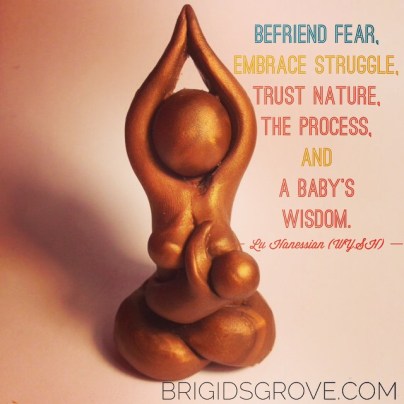
We’ve been working on new sculptures!

11850648_10207522285005258_4065455347313524959_o

(read more: Sneak Peek: Pregnant Mama – Brigid’s Grove)

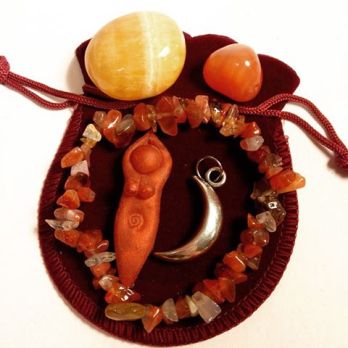
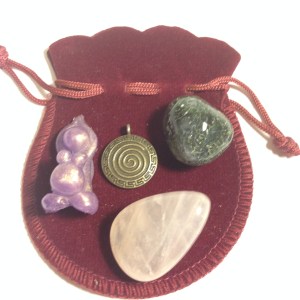
We’ve added some new Moon Wisdom/First Moon bundles to our shop:

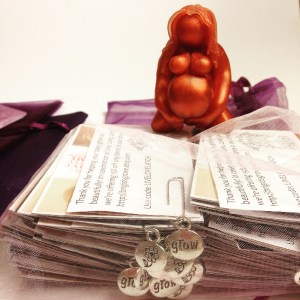
11825154_1650996815112534_7593072070926503121_nAnd, our new blessing cards came in. We were printing these on regular printer paper and are excited to have nice, professional cards instead!

11800234_1650792701799612_305310151573875723_nWe also still have five spaces left in the Red Tent Initiation program beginning at the end of the month:

Sign up for the Brigid’s Grove Newsletter for resources, monthly freebies, + art and workshop announcements.

And, as is our tradition, in honor of World Breastfeeding Week and National Breastfeeding Month, you can get 10% off items in our shop throughout August: WBW10OFF.

Talk Books: A Passion for Birth

Sheila

“We are only now beginning to discover the long term destructive effects on human beings and families of treated women as if they were containers to be opened and relieved of their contents.”

–Sheila Kitzinger

Sheila Kitzinger’s new autobiography, A Passion for Birth, is an absolute treasure. One of the most long-term and pivotal influences in the world of birth activism, I have quoted her work more times than I can count. In fact, I judge the quality of a book by the number of pages I dog-ear to return to. I turned down the corners of so many pages in A Passion for Birth, that it will take me a year’s worth of blog posts to share all the provocative quotes that caught my attention! While Sheila always included a personal flavor in her other books, this book is truly about her, her life, her passions, her family, her activism, her work. Interwoven throughout is the social justice oriented thread of her absolutely devoted dedication to women, feminism, and childbirth activism. Her book is very real, relatable, and readable as well as often charming. She doesn’t hold back from treading into controversial waters, however, and she is straightforward and unapologetic even when writing about topics that can be divisive in the birth world.

I was pleasantly surprised to discover the full-color series of photos in the center insert to the book, they range from Kitzinger’s childhood, a homebirth picture of the birth of one of her daughters, and ending with a poignant photo of Sheila’s casket, decorated by her family, resting easily on some chairs in the dining room of home she so loved.

An internationally recognized author and expert, Kitzinger was an anthropologist and one of the first professional people to acknowledge that women’s birth wisdom, stories, and experiences are worthy of study and attention. Spanning an impressive career of more than fifty years, Kitzinger’s anthropological and activist work was undertaken at a global level and her clear and unwavering commitment to social justice work and activism is a thread running strongly throughout her entire autobiography. The book takes us from Sheila writing and studying while sitting in a playpen in her yard (an effort to have a work area undisturbed by her five children!) to traveling with her family to Jamaica to study the birth customs and stories of the women there. Her identity as an anthropologist is clearly reflected in the cross-cultural birth experiences she surveys and describes and the autobiography includes lots of travel! It also includes homey touches like favorite recipes and descriptions of family traditions as well as stories of her own four homebirths, including that of twin daughters. I found myself wanting more content about her life with children, her life as a mother, which, while acknowledged and integrated through the text, was curiously absent from much of the narrative’s exploration. I was also curious to know more about the accident and serious brain injury experienced by her daughter Polly, which was mentioned somewhat incidentally (though it clearly had a significant impact on the family), as was the passing mention in a photo caption referencing her husband Uwe’s eye removal surgery.

Highly recommended to anyone with an interest in birth work, birth activism, feminist studies, women’s health, or anthropology, A Passion for Birth was compelling, inspirational, funny, straightforward, assertive, honest, candid, wry and dedicated.

“The way we give birth is an expression of culture. It can be spontaneous and instinctual, but it is still patterned by the society in which we live.”

–Sheila Kitzinger

Stay tuned for an ongoing series of themed posts based on additional content and thought-provoking quotes!

In a pioneering career spanning more than 50 years she campaigned for and oversaw a radical change in maternity care, placing women’s rights and choices at the very heart of childbirth. Her passion, research and knowledge of childbirth have had enormous impact on millions of women worldwide.

A Passion for Birth | Sheila Kitzinger | Pinter & Martin Publishers.

Publishing and purchasing details: 

Author: Sheila KitzingerSheila
Published: 7 May 2015
Binding: hardback
Format: 240 x 160 mm
Pages: 384
Illustrations: colour and b/w photographs
Pinter & Martin edition available: worldwide
Translation rights: Pinter & Martin

Also available from: Amazon.co.uk | Wordery | The Hive | Waterstones | Foyles | Mail Bookshop | Amazon.com

Disclosure: I received a complimentary copy of this book for review purposes.

Sign up for the Brigid’s Grove Newsletter for resources, monthly freebies, + art and workshop announcements.

Ninemonthababy!

July 2015 045I find the NINO point with all my babies to be bittersweet: nine months in, nine months out. As I think about things I did last year and see old pictures going past via the “memory” feature on Facebook, I’m regularly stunned by how quickly time has passed and what an integral part of our lives our little T-bot is. It is also interesting to me how the Return to Non-Pregnant Woman feels. Pregnancy is so encompassing and then, it is over, and the physicality of it, the unity of it, the specialness of it–that thoroughly embodied and yet somehow transcendent state–becomes a memory. A poignant memory, yes, but one I find that fades in terms of being able to thoroughly mentally “touch.” On the same note, I also notice that I am only two pounds away from my pre-pregnancy weight (which was actually about 10 pounds over where I feel most comfortable/happy). I’m fascinated by how it takes nine months to transform into Fully Pregnant Woman and nine months to restore one’s old self.

Speaking of poignancy and NINO, my brother, SIL, and nephew were visiting at the end of the month during his first birthday and we took some more re-creation pictures based on the tandem pregnancy pictures my mom took of us while we were waiting in July of last year for the birth of their baby. I notice now after excavating last year’s pictures, that I did not actually pick out the same outfit to wear even though I was certain I had picked it correctly!

What a difference a year makes! I also wish we would have re-created this one somehow:

IMG_5959Okay, so back to the ninemonthababy. He has his first tooth and his second! (7/23 and 7/31) He loves music, especially rattling rattles (which he also bangs on the floor really hard). One of his dancing moves is to wiggle his arms really fast and enthusiastically. I put a short clip of dance action with arm skillz is on Instagram here and the longer video is on my Facebook. I’m so glad my mom took it! Super cute!

While not clearly enunciated by any means, he seems to say: raisin, more (+ the babysign), brother, yay, mama, kitty, and that sound that means “icky” that moms make to tell babies not to touch stuff. As I’ve noted before, he also seems to ask to nurse by requesting, “mama, wa-wa” (mama water!).

He points and claps. He likes to find rocks to eat. Also, he used his talents to “catch” a leech at the river on our mini vacation. Yes. I looked down to see him carefully pinching up an absolutely gigantic leech and kind rolling it thoughtfully around (I suspect in preparation to eat it). He still makes his cute little “Cabbage Patch” face (see opening photo) and I’ll be sad to see it go now that the teeth have come in.

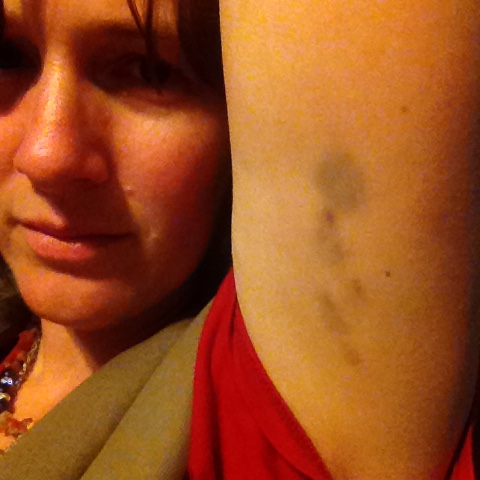
He seems to have dropped his second nap. He pinches the tender skin on the back of my arm in a horrible manner and leaves bruises all over me.

July 2015 023He loves Daddy extra-much. Mark told me the other day, “he likes me the way I always hoped our babies would like me.” He will go to Mark when sad and loves to go with him to explore outside (often, leaning out of my arms and into Mark’s and then looking back and waving, “bye” to me!). He crawls super fast to greet Mark when he comes inside and in the mornings leans over from my arms to give him a “hello again!” hug and snuggle.

July 2015 030

Featuring Cabbage Patch face!

Mark describes Tanner as being like a “force of nature”—i.e. not caring what destruction it may leave in its wake!

He remains a super up-down, up-down, up-down baby, meaning that as soon as he is picked up, he wants down and vice versa. Repeat. It can be extremely wearing! He also doesn’t hold on to be carried, but instead leans forward, propelling you with his momentum and almost flinging himself out of your arms. He pivots and twists and leans forward and “surfs” with only his feet touching your body and the rest straining into mid-air. He retains the keen sense of injustice that I think may be most acutely experienced by those who are the youngest of four. He has a funny little half kneel, half squat that he does to reach up. He stands alone all the time (plus can squat up and down unsupported) and has taken two steps in a row unsupported.

July 2015 082

Soon to be a scene of the past!

We went to Six Flags in late July. I hope to write a separate blog post about it soon, because it was such a great time! We also went on a mini-vacation to a lakeside cabin near the river at the very end of July. He still hates the car, but does okay if I’m sitting in the back with him and Mark is driving (not always possible).

July 2015 058

Looking down from the top of Colossus (ferris wheel).

It is hard to find time to write a nine month blog post because said nine month old absorbs a lot of energy! And, he bangs the keys and eats the mouse whenever possible.

July 2015 003I took the kids to playgroup at the skating rink in July and Tanner was playing on the slide for the first time. I sat at the bottom looking up at him and remembering the other babies and little children I’ve waited for at the bottom of this same slide. For him, it was new. A discovery. For me, a bittersweet déjà vu and pang of re-recognition: the world spins so fast. I thought of how much changes and how much stays the same. The different friends who’ve opened their arms to babies at the end of that same slide with me and how many of them have moved away, had more babies, experienced changes, and I’m still there: at the bottom of the slide. My oldest son is almost 12. Yesterday, he was a baby on the slide. I wondered if in 11 more years, I’ll still be taking kids to that skating rink….the wheel rolls.

July 2015 122

Tuesday Tidbits: Does Breastfeeding Really Matter?

August 2015 060Does breastfeeding really matter? Or, is it just one possible way to feed a baby?

Breastfeeding matters. It matters for women, babies, families, workplaces, society, and the whole world.

But, is breastfeeding hard?

It is true that in the early weeks many women experience difficulties with breastfeeding. Coupled with the lack of support many women also experience from partners, in-laws, extended family members, and employers, they may stop breastfeeding long before they originally hoped and planned. Is that breastfeeding’s fault though? Is it inherently difficult? No, but it turns out that our prevalent images of breastfeeding may contribute to difficulties with latch and milk flow. Laid-back breastfeeding (nursing the baby draped across your body tummy to tummy rather than sitting upright with the baby in the crook of your arm) may be the answer to many early breastfeeding challenges:

In the commonly used cradle, cross-cradle, and football/rugby holds, mothers and babies must fight the effects of gravity to get babies to breast level and keep their fronts touching. If gaps form between them (which can happen easily with gravity pulling baby’s body down and away), this disorients baby, which can lead to latching struggles. The pull of gravity makes it impossible for a newborn to use his inborn responses to get to his food source and feed. For baby, it is like trying to climb Mount Everest. Instead of mothers and babies working together as breastfeeding partners, mothers must do all of the work. Instead of being able to relax while baby helps, most mothers sit hunched over, tense, and struggling.To complicate things further, in these positions, gravity can transform the same inborn feeding responses that should be helping babies into barriers to breastfeeding. Head bobbing becomes head butting. Arm and leg movements meant to move babies to the breast become pushing and kicking. Mothers struggling to manage their babies’ arms and legs in these upright breastfeeding holds have often told me: “I don’t think I have enough hands to breastfeed.”

How Natural Breastfeeding Can Help

In Natural Breastfeeding positions, baby rests tummy down on mother’s body, ensuring the full frontal contact that activates his GPS. Baby’s weight pushes the pressure buttons on his front, which improves his coordination for easier feeding. Natural Breastfeeding makes it possible for babies to be the active breastfeeding partners that nature intended. But it’s not just good for babies. Mothers can relax completely and rest while baby feeds, often with both hands free. And gravity helps baby take the breast deeply, so there’s no need to micromanage baby’s latch.

via Many Moms May Have Been Taught to Breastfeed Incorrectly: Surprising New Research – Mothering.

I learned about laid-back breastfeeding before my third child was born. It made a huge difference in her ability to latch well and nurse comfortably (I then didn’t discover she had an upper lip tie until she had dental work at two!) It also made a dramatic difference for my last baby, who was my easiest, most comfortable, almost-painless-from-the-start, early breastfeeding experience (they all got easy with time and I nursed each for three years, but the early weeks were more challenging with the first three compared to the last!)

August 2015 034
Isn’t modern formula close to breastmilk though?

No! Breastmilk is a living substance, customized to your specific baby. It is amazing how many unique things breastmilk can do!

Vitamins and minerals that we all know are present only represent a very small proportion of what’s in our milk. There is a huge range of other components. Components, for instance, that dispose of harmful bacteria in different ways. By absorbing them, engulfing them, destroying them, lining the gut and preventing them from entering our baby’s blood stream, preventing them from using our baby’s iron stores to grow (pathogens need iron to thrive), etc…

And these are targeted responses to specific pathogens, because our baby’s saliva goes into our blood stream and informs us of anything harmful they have been exposed to in the last few hours. Our body immediately produces the exact antibodies for that specific infection, and feeds it back to our babies via our milk within the hour.

via The composition of Human milk | Breastfeeding Thoughts.

Notice I do not say that breastmilk is “perfect.” What it is, is normal. It is the species-specific, biological appropriate food for human babies.

I’ve heard that our bodies make different kinds of milk and you have to be careful to separate the foremilk from the hindmilk though? Doesn’t that mean I’ll need to pump to make sure my baby is getting enough of the cream?

If you have pumped and put your milk in the fridge, you have noticed the same phenomenon. As the milk cools, the fattier, more opaque milk rises to the top and the bottom portion of the milk appears thinner, more translucent. Perhaps you would call this milk more “watery.” But, it isn’t watery. It doesn’t lack nutrients. It is just lower in fat.

Breastfeeding moms read a lot about foremilk and hind milk and for lack of a better term, obsess about it. I talk about this with moms way more than I care to. Why?

Because, in my opinion, this is a completely nonsensical and irrelevant topic 99% of the time.

We don’t know the fat concentration of your milk when the baby first starts nursing, nor do we know the rate at which the milk gets fattier.

via Balanced Breastfeeding – “The Good Milk” Foremilk/Hindmilk.

What about postpartum depression? One of my friends said that her doctor told her to wean because of depression.

While this is a common recommendation, it is not evidence-based. In fact, breastfeeding helps protect mothers’ August 2015 001 mental health by mediating the effects of stress:
Research over the past decade has shown that breastfeeding and depression intersect in some interesting and surprising ways. All of this work has shown something that makes sense. Breastfeeding does not deplete mothers, nor does it cause depression.

Breastfeeding problems certainly can do both of these things—all the more reason why women need good support and accurate information. But it does not make sense for something so critical to the survival of our species to be harmful for mothers. And it is not.

Breastfeeding and stress

One of the initial areas of research was in examining the role of breastfeeding in turning off the stress response. Of particular importance was breastfeeding’s role in lessening mothers’ levels of inflammation (which is part of the stress response). The molecules that cause inflammation can lead to depression. When inflammation levels are high, people are more likely to get depressed. When inflammation levels are lower, the risk of depression goes down. The great thing is that breastfeeding is specifically anti-inflammatory. This is one way that breastfeeding protects women’s health throughout their lives. It lowers their risk of depression. It also lowers their risk of diseases such as heart disease and diabetes…

via Mothers’ Mental Health and Breastfeeding – Breastfeeding Today.

Side note: why is depression such a risk for mothers anyway?

…When you consider the isolation, lack of support, history of abuse or other trauma, and, particularly in the U.S., the need for mothers to return to work almost immediately following the birth, the increase in depression rates is hardly surprising…

via Mothers’ Mental Health and Breastfeeding – Breastfeeding Today.

What about the sleepless nights everyone talks about? I want my partner to be able to feed the baby at night so I can get more sleep.

Similar to mental health, research has actually found that nursing mothers get more sleep, not less.

And, on a related note, many people share the misconception that it is normal and desirable for a breastfed baby to “grow out” of needing to nurse during the night. This actually depends on multiple factors, primarily the storage capacity of a mother’s breast:

In other words, if you are a mother with an average or small breast storage capacity [which is unrelated to breast size], night feedings may need to continue for many months in order for your milk production to stay stable and for your baby to thrive. Also, because your baby has access to less milk at each feeding, night feedings may be crucial for him to get enough milk overall. Again, what’s important is not how much milk a baby receives at each individual feeding, but how much milk he consumes in a 24-hour day. If a mother with a small storage capacity uses sleep training strategies to force her baby to go for longer stretches between feedings, this may slow her milk production and compromise her baby’s weight gain.

via Do Older Babies Need Night Feedings? — Nancy Mohrbacher.

Am I creating a bad habit by allowing baby to breastfeed to sleep? April 2015 090

Your child’s desire to nurse to sleep is very normal and not a bad habit you’ve fostered. Don’t be afraid to nurse your baby to sleep or fear that you are perpetuating a bad habit. Baby often will seek the breast when sleepy or over-stimulated because it’s a comforting and familiar place to him. To associate the breast with wanting to relax enough to go to sleep makes perfect sense. As adults, we also do things to relax ourselves so we can go to sleep: we read, watch TV, get something warm to drink or a snack, deep breathe, get all snug under the covers, etc. Breastfeeding does the same thing for your baby.

via KellyMom.com : Breastfeeding to Sleep and Other Comfort Nursing.

You may find that nighttime nursing is surprisingly peaceful and undisturbed. I remember finding my first baby often puzzling during the day, but at night, it felt like we were in perfect harmony…

…So we feast together in the darkness.
Till we are both full-filled.
Me. You.
You. Me.
Youme.

via A Poem for World Breastfeeding Week 2015 #WBW – The Story Witch.

Breastfeeding matters. It is woven through our lives and through the interlocking systems of society. It has important impacts on physical, mental, and emotional health for both you and your baby. In fact, breastfeeding is a type of “shero’s journey,” one that impacts a mother and her child through the rest of their lives:

Breastfeeding is the day in and day fabric of connection. It is a huge physical and emotional investment, the continued devotion of one’s body to one’s baby. Breastfeeding support may not as exciting or thrilling as birthwork for me, but it is so very REAL and so very needed, and part of the nitty-gritty reality of individual mother’s complicated lives as they find their feet on the motherhood road. It really matters.

In what ways has breastfeeding been a hero’s journey for you?

via Breastfeeding as a (s)hero’s journey? | Talk Birth.
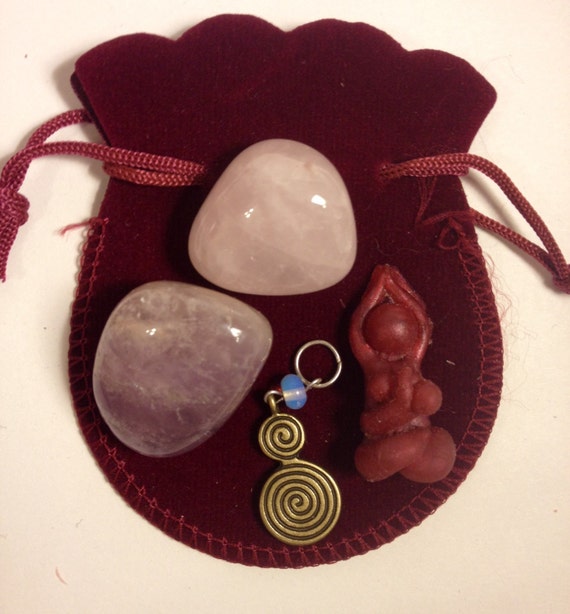
Breastfeeding Blessing Pocket Altar (mini birth altar, medicine bundle, doula, midwife, mother blessing, lactation, nursing)Sign up for the Brigid’s Grove Newsletter for resources, monthly freebies, + art and workshop announcements.

And, as is our tradition, in honor of World Breastfeeding Week and National Breastfeeding Month, you can get 10% off items in our shop throughout August: WBW10OFF.

Celebrating World Breastfeeding Week!

August 2015 043It is World Breastfeeding Week and we’ve been busy supporting celebratory events around the country. We donated nursing mama sculptures to the World Breastfeeding Week picnic in Springfield, MO and to two LLL Leader workshops, one in NY and one in Tennessee. Today, we donated a birth sculpture and 4o goodie packets to the upcoming Women in the Wild photo shoot in Kansas City and we also mailed a spiral mama sculpture and 20 goodie packets to a Live, Love, Latch event in Portland, TN.

August 2015 068Is there a Live, Love, Latch event near you? Check it out here: Events – Live, Love, Latch!

On August 22, we’ll be giving away some goodies at MamaFest in Rolla, which is also registered as a Live, Love, Latch event.

What is MamaFest?

 It’s a celebration! A celebration of women, of community organizations that serve women, of women-owned/women-oriented businesses. We want you to come visit the vendors, have some refreshments, visit with your friends on the couch, and take home awareness of what your community has to offer YOU.

(Men and children are welcome to attend!)

via MamaFest 2015.

I’m particularly excited about the Women in the Wild event. This article about the effort really brings home why it matters:

…The women behind this photo would like to shift the paradigm, to change the narrative of shame that is inflicted upon mothers. They would like to celebrate the bodies of mothers, with all of their glorious imperfections, because they are strong, and beautiful. Mother of one, Jacklyn Kosakowski, shared: ”When the opportunity came up to take this photo, I honestly wasn’t doing it for others. I did it for myself. My changing body during pregnancy was difficult for me, and especially afterwards was hard. I’m at a good place with myself and I have just recently began to appreciate my stretch marks and mommy belly. This body carried and nourished my baby for nine months and pushed for four hours just to meet her, so I should be proud of this body. To just be out in the open, half naked, with other beautiful mothers was such an amazing feeling. There was no judgement, we all looked beautiful.”

via The Shame Game » Erin White Photography.

You can also visit Erin White Photography on Facebook for more information and beautiful, inspiring photos.

The theme of the 2015 World Breastfeeding Week is: “Let’s Make it Work” and it focuses on mothers combining breastfeeding and employment.

The WBW 2015 theme on working women and breastfeeding revisits the 1993 WBW campaign on the Mother-Friendly Workplace Initiative. Much has been achieved in 22 years of global action supporting women in combining breastfeeding and work, particularly the adoption of the revised ILO Convention 183 on Maternity Protection with much stronger maternity entitlements, and more country actions on improving national laws and practices. At the workplace level, we have also seen more actions taken to set up breastfeeding or mother-friendly workplaces including awards for breastfeeding-friendly employers, as well as greater mass awareness on working women’s rights to breastfeed.

via World Breastfeeding Week 2015.

WHO_BreastfeedingWeek2015_EN4Images for the 2015 theme of “Let’s Make it Work” are available here: WHO | World Breastfeeding Week.

Why does the support of employers matter to breastfeeding women? It matters immensely. Women and their babies don’t exist in isolation, they are nestled within larger systems that can either help make or break the breastfeeding relationship:

“Governments and commercial companies will ‘invest’ billions in expensive new technology: roads, bridges, airports, dams or power generation plants, ‘for the good of society’. They may even ‘invest’ in schools and hospitals, but the crucial primary investment in the emotional, physical and mental health of all humans, which breastfeeding and mothering provide, is invisible.”

—Gabrielle Palmer (The Politics of Breastfeeding, p. 333)

via Breastfeeding as an Ecofeminist Issue: Collage Project | Talk Birth.

Seriously. This is why World Breastfeeding Week matters. It isn’t just about breastfeeding memes and platitudes, it is about systemic change in the US and around the world.

I was interested by this story about an Argentinian politician and her baby breastfeeding at work:

…We’re having a moment here when it comes to the cultural conversation surround public breastfeeding. When we talk about women balancing work and childcare, part of what we’re talking about is women living in a world that makes it difficult to care for their children while simultaneously managing the rest of their lives. It’s not that it’s physically impossible to care for a baby while going about one’s day, it’s that we live in a world in which women are shamed for things like breastfeeding in public.

via Why it’s important that this Argentinian politician was breastfeeding her baby on the job – Page 2 of 2.

August 2015 060…We are mammals because as a species we nurse our young. This is a fundamental tie between the women of our time and place and the women of all other times and places as well as between the female members of every mammal species that have ever lived. It is our root tie to the planet, to the cycles of life, and to mammal life on earth. It is precisely this connection to the physical, the earthy, the material, the mundane, the body, that breastfeeding challenges men, feminists, and society.

Breastfeeding is a feminist issue and a fundamental women’s issue. And, it is an issue deeply embedded in a sociocultural context. Attitudes towards breastfeeding are intimately entwined with attitudes toward women, women’s bodies, and who has “ownership” of them. Patriarchy chafes at a woman having the audacity to feed her child with her own body, under her own authority, and without the need for any other. Feminism sometimes chafes at the “control” over the woman’s body exerted by the breastfeeding infant…

via Breastfeeding as an Ecofeminist Issue | Talk Birth.

Past World Breastfeeding Week posts:

 Sign up for the Brigid’s Grove Newsletter for resources, monthly freebies, + art and workshop announcements.

And, as is our tradition, in honor of WBW and National Breastfeeding Month, you can get 10% off items in our shop throughout August: WBW10OFF.

Guest Post: Five Common Surrogacy Myths

April 2015 076

Special request still in progress for a friend whose family was birthed via a beautiful surrogacy experience.

North America’s leading surrogacy agency, Family Source Consultants, highlights five of the biggest misconceptions about surrogacy

Chicago – June 4th, 2015 – If you’re thinking about becoming or using a surrogate, you may feel inundated with information and unsure where to start. There can often initially be a lack of understanding about the process involved and a lot of misinformation out there, too.

Staci Swiderski, Co-Founder of Family Source Consultants, says: “If you’re in a position where you’re contemplating an alternative path to family creation, you might be overwhelmed and possibly apprehensive when looking at the many choices you have before you.  It is our mission to alleviate the pressures all parties are facing and to help make this experience positive and fulfilling for everyone involved.”

Here are five common misconceptions about the surrogacy process: 

  1. The child is genetically-related to the surrogate. Although this can be true if the arrangement is considered to be a traditional surrogacy, with a gestational surrogacy arrangement, the embryos are created with either the intended mother’s eggs or an egg donor – never those of the surrogate.
  2. Building a family via surrogacy is only for the wealthy. Based on Family Source Consultants’ experience, many intended parents have an average income. Additionally, there are financing options available from lenders who specialize in reproductive arrangements, as well as cash discounts and payment plans.
  3. The surrogate may not give up the child. Surrogates have to already have their own children and completely understand that they are helping another family to have this child. Of course, the surrogate will care for the child and have an emotional bond, however, she is fully aware that the child is not her’s to keep. Surrogacy agencies should always work with attorneys who specialize in reproductive law and, with the correct legal procedures in place, intended parents are the legal parents of the baby. In addition, a surrogate (and her partner if applicable) must undergo a psychological evaluation prior to entering into a legal agreement with the intended parents.
  4. The surrogate needs the compensation or is poor. Many surrogates who are enrolled in Family Source Consultants’ surrogacy programs have a full-time career, are financially stable and often have a partner who has a secure, well-paid job, too.  Family Source Consultants have actually worked with many surrogates who are considered to be the breadwinners of their marriage or partnership. A surrogate should never fully depend on the compensation that she receives in order to live a stable lifestyle. Financial problems or any indication that a surrogate candidate is motivated by money can be reason for disqualification.
  5. Intended parents who live in a less surrogate ‘friendly’ state cannot utilize surrogacy as a family building option. Family Source Consultants’ intended parent clients come from all 50 states and internationally. The important factor is that the surrogate must deliver in a state where her legal rights as a parent are protected. Some of the best states for surrogacy law include Illinois, Florida, California, Nevada, Arkansas and Connecticut and some of the less-friendly states include New York, Michigan, Washington and Nebraska.

About Family Source Consultants

Family Source Consultants is one of North America’s leading surrogacy agencies, with offices in Illinois (Hinsdale and River North in Chicago) and Florida (Cape Coral).

When matching and facilitating Gestational Surrogacy and Egg Donation arrangements, Family Source Consultants work with traditional, gay or lesbian couples and individuals of all races, religious and ethnic backgrounds. They provide personalized support throughout the entire process and work with the very best reproductive law attorneys and doctors.

What’s unique, is that 75% of its employees have been a surrogate/egg donor/intended parent, including Founders, Staci Swiderski who completed her family through surrogacy and has been an egg donor twice; and Zara Griswold, who built her family via surrogacy using the assistance of an Egg Donor.


Once in a Blue Moon…

11754674_1017047968347472_5569625733581356394_oSince July 31 is a Blue Moon, we decided to have fun with a special discount code offer. This is our best discount ever–it will only happen once in a blue moon! 😉

Also, remember to sign up for the Brigid’s Grove Newsletter for resources, monthly freebies, + art and workshop announcements. We’ve got a Birth Chakra Spiral Blessing handout coming up as the freebie in August (perfect for hanging by your birth altar!)


Tuesday Tidbits: What Does it Feel Like to Give Birth?

il_570xN.805337066_kbqg

‘All cultures believe that women become better and more generous through the process of giving birth. That is why some cultures use words such as ‘sacrifice,’ ‘suffering’ and ‘labour.’ These terms can seem overwhelming and to be avoided’ however, seen from a different viewpoint, childbirth helps us to become strong, resourceful and determined.’

(The Pink Kit)

via Birthrites: Birth as a Rite of Passage

“Understand that the tremendous energy going through you during birth is the same sort of power as the force of ocean waves moving towards shore. Know that just as a bird knows how to build its nest, and when to lay its eggs, you too will build your birthing nest…”

–Janice Marsh-Prelesnik (The Roots of Natural Mothering)

via Timeless Days: More Postpartum Planning

Women preparing to give birth for the first time often wonder what it is really going to be like. What is labor like? What do contractions really feel like? Is it really like “strong menstrual cramps” or is it “agony”? When I was pregnant with my first baby, planning to give birth at a birth center, and reading everything I could about natural birth, I remember feeling like I was studying for a huge test, but a test for which there was no “right answer” and that no one else could explain to me what would be on it. I read quotes about birth being a “mystery,” and found it frustrating. What kind of “mystery”? Why can’t anyone explain it? Culturally, we get mired down in a lexicon of birth-giving that is inadequate to express it, a mainstream birth model that communicates in terms of pain, medication, and clock-watching, platitudes about healthy babies being all that matters, and dichotomies or disagreements about what defines a “good birth.”

This week, a variety of articles caught my eye that help expand our vocabulary of birth by touching on what birth feels like….

My mom told me that when you give birth naturally, you get this power that you never felt before. This is true. Oh yes it is. And no matter what kind of birth you have, we all get that feeling of crossing over and joining our grandmothers and all ancient warrior women. We have joined the ranks. We will never be the same person we were before. We become a new human. A more refined human. A softer, more patient human. An unstoppable human. A mother.

via My Birth Story, My Heart: Lindsey & Soleil | Empowered Birth Project.

Sometimes, along with feeling power, there is intense pain:

…And then the contractions got really bad. They were so strong. So long. And so close together. This was like nothing I had ever experienced before. Sure, maybe I had brief periods of this intense (that’s not really a strong enough word… hellish is more like it) labor, but it was typically brief and pushing came quickly after that.

via My Homebirth in the Hospital – Mercy’s Birth – Mother Rising.

What do I mean by “lexicon”? I mean our language, our vocabulary, for birth. What words do we have to choose from to describe our birth experiences? Is there only pain, or is there more?

…we need more words for pain, because it is ridiculous that we have only one word that is used to describe a hangnail, a broken leg, being hit by a car, and labor.

via Words for Pain | Talk Birth.

In the book Labor Pain, the author describes the results of a study about how women feel labor pain. The most frequently used description was “sharp” (62%) followed by camping, aching, stabbing hot, shooting, and heavy. Tiring was another word used (49%), exhausting (36%, intense (52%), and tight (44%). Other words and descriptions used were burning, grinding, stony, overwhelming, terrific, bruising, knifelike, invaded, baby in charge, powerful, relentless, crampy, like period pain, like thunderbolts, excruciating, frightening, and purposeful. Only 25% of first time mothers and 11% of mothers with other children described pain associated with labor as “horrible” or “excruciating” (the top of the pain-scale range).

How do women having their first babies really learn about birth? Is it only through reading or classes?

“I usually claim that pregnant women should not read books about pregnancy and birth. Their time is too precious. They should, rather, watch the moon and sing to their baby in the womb.” –Michel Odent

via How Do Women Really Learn About Birth? | Talk Birth.

Women may feel a real sense of fear and trepidation about giving birth and, unfortunately, that fear may end up limiting their real options:

Could it be that human fear of pain is being used to generate financial profit? (the opium-is-the-opiate-of-the-masses model). Perhaps once the notion of palliative care reached a certain level of acceptance for the dying within the medical community, it began to spill over into other human conditions (the slippery-slope model). Or, perhaps we don’t want transparency at all (the denial model)…

…I can think of many questions that fall under this topic…Why do we call the intense phenomenon of birth “painful”? How do our genetics, behavior, training and thought-processes affect our experience of pain? What about the health care culture – has it focused on relieving pain at the expense of what we gain from working with pain short of trauma or imminent death? How do we prepare women for working with sensation without automatically labeling it pain? Is the “empowerment” often attributed to giving birth what is learned by going through the center of the “there is no birth of consciousness without pain” experience? These questions are just a start…

via Tuesday Tidbits: Pain, Birth, and Fear | Talk Birth.

Birth environments may also limit women’s movements, sounds, and choices in ways that may actually increase pain:

“Why do we, then, continue to treat women as if their emotions and comfort, and the postures they might want to assume while in labor, are against the rules?“

– Ina May Gaskin (via Birth Smart)

via Spontaneous Birth Reflex | Talk Birth.

Giving birth isn’t simply a physical experience, it is an initiation. Facing fears, meeting challenges, moving through struggle, and coming out the other side, powerfully changed, are core elements of initiatory events.

Giving birth is one of a series of important initiations a woman may experience in her lifetime. Initiations are intimately with change. They bring the initiate from one state of being into a new state of being. Initiations accomplish this task by putting the initiate through a series of experiences that challenge them in a particular way and bring them into new ways of being and of understanding. The initiate must meet these challenges and overcome any obstacles in order for the initiation to succeed in bringing about these changes.

via Thesis Tidbits: Birth as an Initiation | Talk Birth.

In the end, regardless of how your birth unfolds, there is one thing I will guarantee: you will feel the might of creation move through you.

“When I say painless, please understand, I don’t mean you will not feel anything. What you will feel is a lot of pressure; you will feel the might of creation move through you. Pain, however, is associated with something gone wrong. Childbirth is a lot of hard work, and the sensations that accompany it are very strong, but there is nothing wrong with labor.”

via Book Review: Painless Childbirth: An Empowering Journey Through Pregnancy and Birth | Talk Birth.

Other tidbits:

Nané Jordan is looking for contributions to her new book about the placenta. Sounds intriguing and I plan to contribute!

Sign up for the Brigid’s Grove Newsletter for resources, monthly freebies, + art and workshop announcements. Birth Spiral printable poster/gift coming as August’s freebie!

July 2015 066

“Birth is a time of deep transformation. We enter labor with excitement, trepidation and sometimes fear. We emerge with power, confidence and love.”

–Toni Lee Rakestraw, Organic Birth